In a world where notifications never stop, and screens glow late into the night, taking a real break has become rare. Since 2020, digital devices have become central to work, education, entertainment, and communication. While technology has made life easier, it has also made it harder to switch off. That is where digital detox tourism comes in.
Digital detox tourism is not about rejecting technology forever. It is about pressing pause. It is about choosing mountains over messages, sunsets over screens, and conversations over constant scrolling. By 2024–2025, this travel style had evolved from a niche idea into a global wellness trend. In 2026, it continues to grow as more people search for balance in a hyperconnected world.
What Is Digital Detox Tourism?
Digital detox tourism is a type of travel experience in which individuals intentionally reduce or completely avoid the use of smartphones, laptops, tablets, and social media for a specific period. The goal is simple: disconnect digitally to reconnect personally.
Instead of checking emails, travelers may wake up to the sound of birds. Instead of posting photos, they may sit quietly and watch the sunrise. Instead of replying to messages, they may engage in long, uninterrupted conversations.
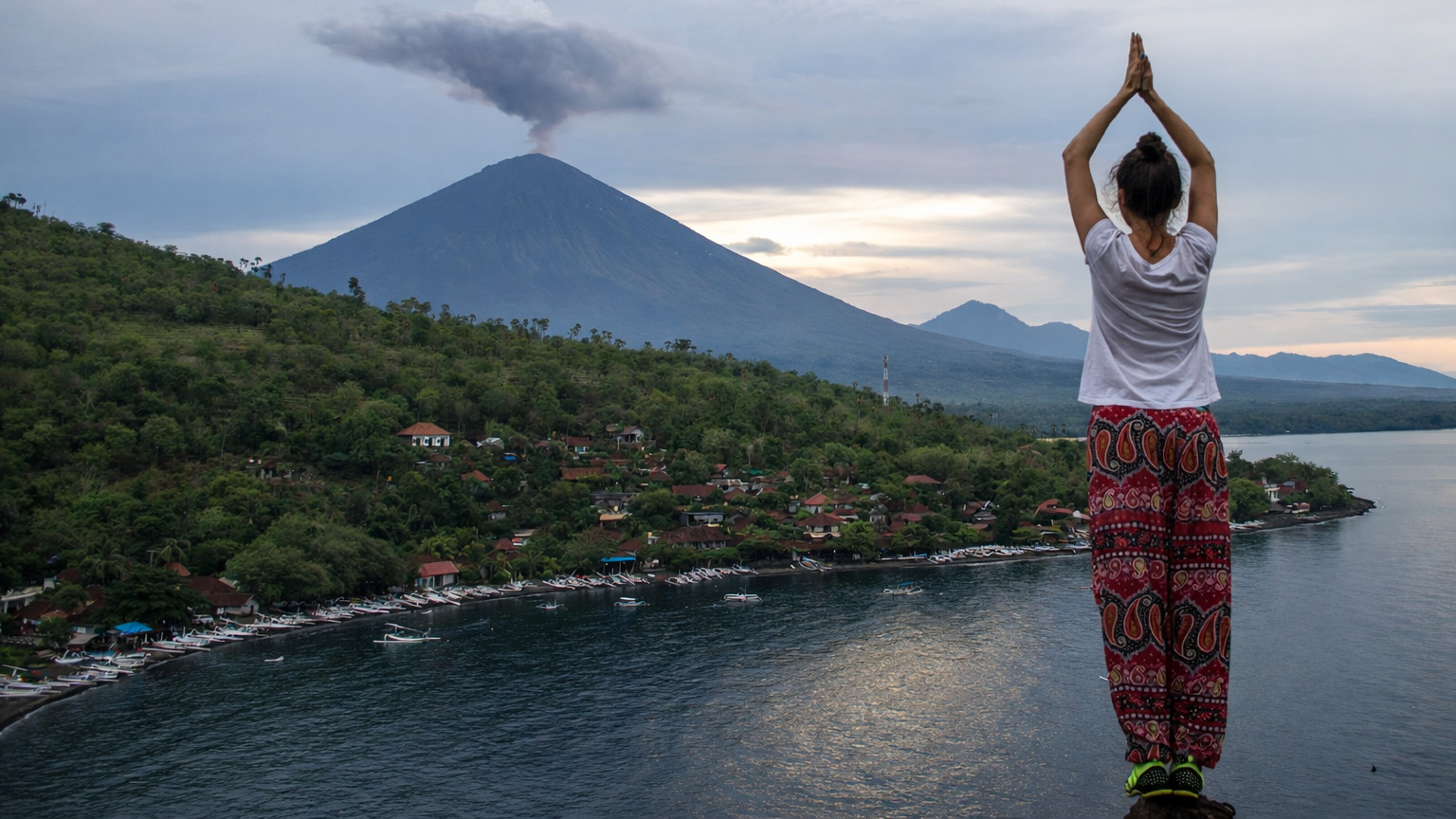
Destinations such as Bali are famous for yoga and meditation retreats surrounded by tropical forests. Countries like Bhutan are known for promoting mindful tourism in peaceful Himalayan landscapes. These places naturally encourage slower living and reduced screen time.
How Did This Trend Begin?
2020–2022: The Rise of Screen Overload
When the COVID-19 pandemic began in 2020, millions of people shifted to working and studying from home. Meetings moved online. Social gatherings became virtual. Entertainment became digital. Screen time increased dramatically.
By 2021 and 2022, many people were feeling mentally exhausted. Notifications, video calls, and social media updates filled every part of the day. The line between work and personal life became blurred.
2023–2024: Awareness and Reflection
As conversations about mental health expanded between 2023 and 2024, experts highlighted the impact of excessive screen time on stress, sleep, and focus. Travelers began looking for vacations that offered genuine rest, not just a change of location.
2025–2026: From Idea to Industry
By 2025 and early 2026, hotels, eco-resorts, and retreat centers around the world began offering digital detox packages. What once seemed unusual became desirable. Disconnecting became a form of luxury.
What Does a Digital Detox Trip Look Like?
Digital detox experiences come in many forms. Some travelers choose forest retreats where meditation, journaling, and nature walks replace social media scrolling. Others stay in off-grid cabins without Wi-Fi, where evenings are spent reading books or sitting by a fireplace.
Luxury hotels have also embraced this movement. In 2025, Hilton noted an increase in interest in tech-free travel experiences. Resorts such as Grand Velas introduced phone-free rooms and wellness-focused programs designed to help guests unwind without digital distractions.
Some programs ask guests to hand over their phones at check-in. Others simply encourage limited use. Activities often include yoga sessions, spa treatments, hiking, creative workshops, and shared meals without screens.

Why Is Digital Detox Tourism So Attractive?
Digital detox tourism feels refreshing because it offers something rare: silence. In a world full of constant updates, silence becomes powerful.
It improves mental clarity by removing endless distractions. It enhances sleep quality by eliminating late-night scrolling. It strengthens relationships because conversations are not interrupted by notifications. It increases awareness as travelers notice small details, such as the sound of the wind or the warmth of sunlight.
Most importantly, it creates space: space to think, space to rest, and space to be.
Challenges and Reality
Digital detox tourism is inspiring, but it is not always easy. Many people feel anxious when separated from their phones. Professionals may worry about missing important messages. Some detox retreats can be expensive, particularly luxury wellness programs.
For this reason, many travelers start small. They choose partial detox experiences, such as turning off notifications, limiting social media use, or keeping phones away during meals.
The goal is balance, not perfection.
The Future of Digital Detox Tourism
Digital detox tourism continues to evolve as travelers become more aware of digital burnout. Future trends may include corporate unplugged retreats, family-focused tech-free holidays, and hybrid programs that allow limited emergency connectivity.
As technology continues to advance, the desire to occasionally step away from it may grow even stronger. In the coming years, disconnecting may no longer be seen as unusual, but as essential.