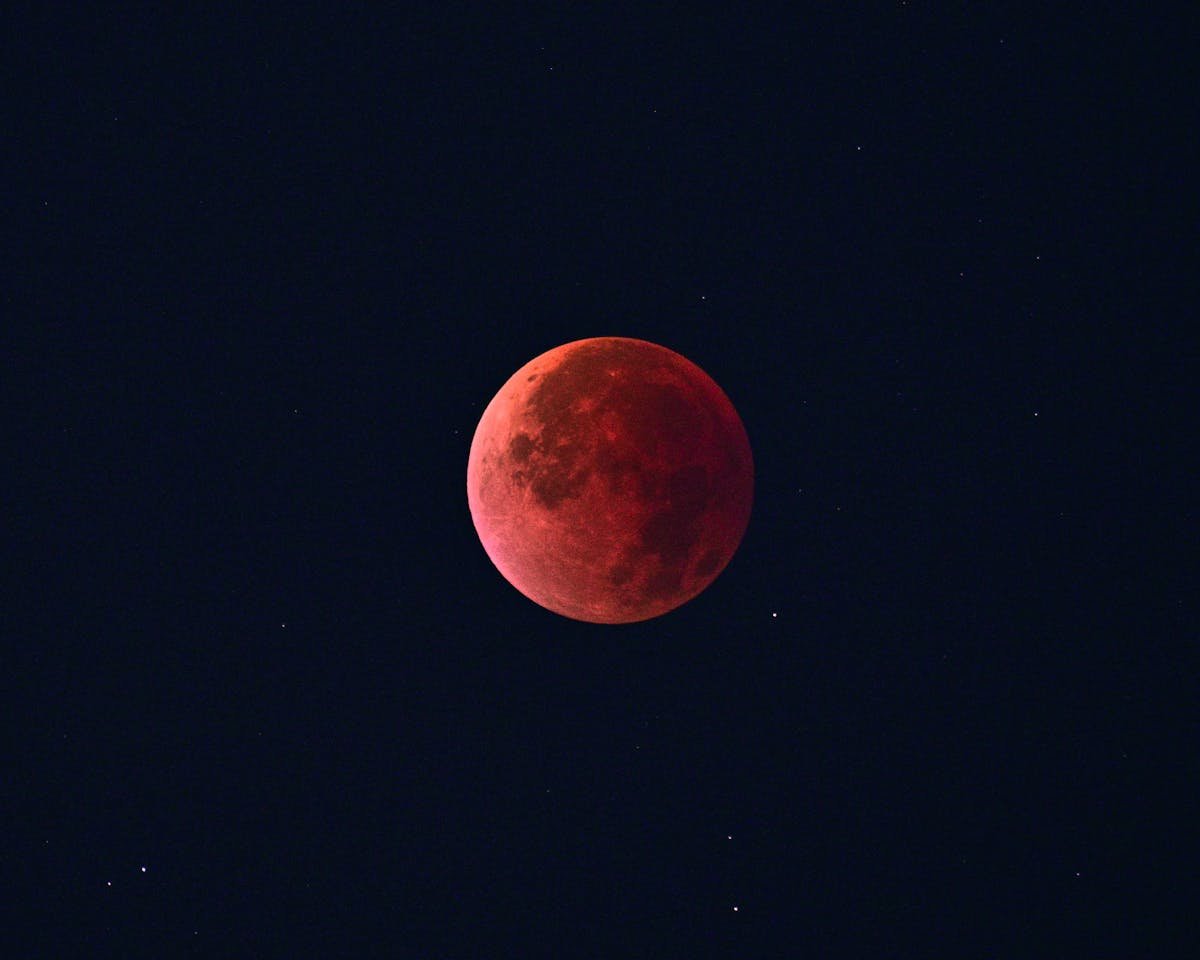
2026 would be the year of watching the skies. From the planetary parade of February 28 to the Supermoon on January 3, there are at least seven major astronomical events, as reported by NASA's Alyssa Lee. A total of 21 events are mentioned on NASA's 'Watch the Skies' blog. Although blood moons are not rare, their visibility depends on the location, atmospheric conditions, and the darkness of night.
Blood moon is a slow event. Unlike meteors, you get enough time to pause and observe. So, if you are fascinated by astronomy and love observing it, it could be that rare moment when beauty, science, and calmness align. Before we move ahead, let's respect and thank our space agencies, researchers, and astronomical experts who bring these fantastic events to our attention. Let's dive deeper.
Also read || Why Sustainable Tourism Is Essential for Hotels in 2026
Blood Moon: How it occurs and why it is red?
When Earth's shadow slowly covers the Moon, it glows in shades of copper, crimson, and deep red, and that's what we call a Blood Moon. It occurs during a total lunar eclipse, when the Earth moves directly between the Sun and the Moon. Interestingly, the Earth's atmosphere does not block all sunlight; instead, it blends and filters it.
Shorter wavelengths (blue) scatter, while longer wavelengths (red) travel through and illuminate the Moon. It is precisely why sunsets appear red, except during a solar eclipse. When this effect is projected onto the lunar surface, it creates a dramatic red colour.
When and where can you see the March 3 Blood Moon?
The March 3 Blood Moon will last several hours. It will spend 58 minutes in total eclipse. The visibility will vary across most continents, depending on local time zones, atmospheric conditions, and moonrise. The last blood moon was in September 2025 and lasted about 82 minutes, but it was not visible in North America. However, here are the best places to see the blood moon.
Also read || Why Traveling to the U.S. Feels Harder in 2026 — And What Politics Has to Do With It
Best Places to See the Blood Moon (Travel Tips) — March 3, 2026
The upcoming total lunar eclipse will give a spectacular viewing opportunity across the Pacific rim, and here are the best regions to have that surreal experience.
Western United States (USA) & Western Canada
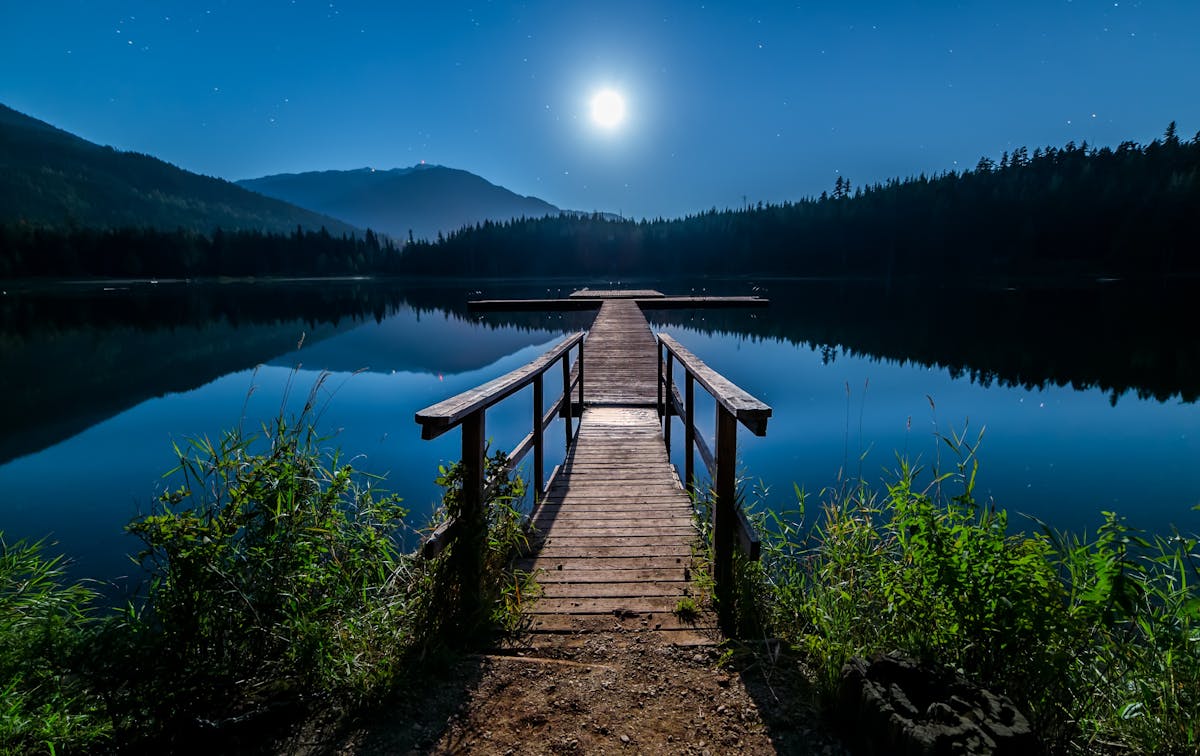
If you are in the western half of North America, you are at the right place at the right time. Regions such as British Columbia, Canada & the states of California, Nevada, Arizona, Washington, and Oregon are the strongest viewing regions for this Blood Moon. The total lunar eclipse will occur during the early morning hours, around 3.04 AM to 4.02 AM (PST). The peak of this eclipse will occur during the pre-dawn sky.
Hawaii
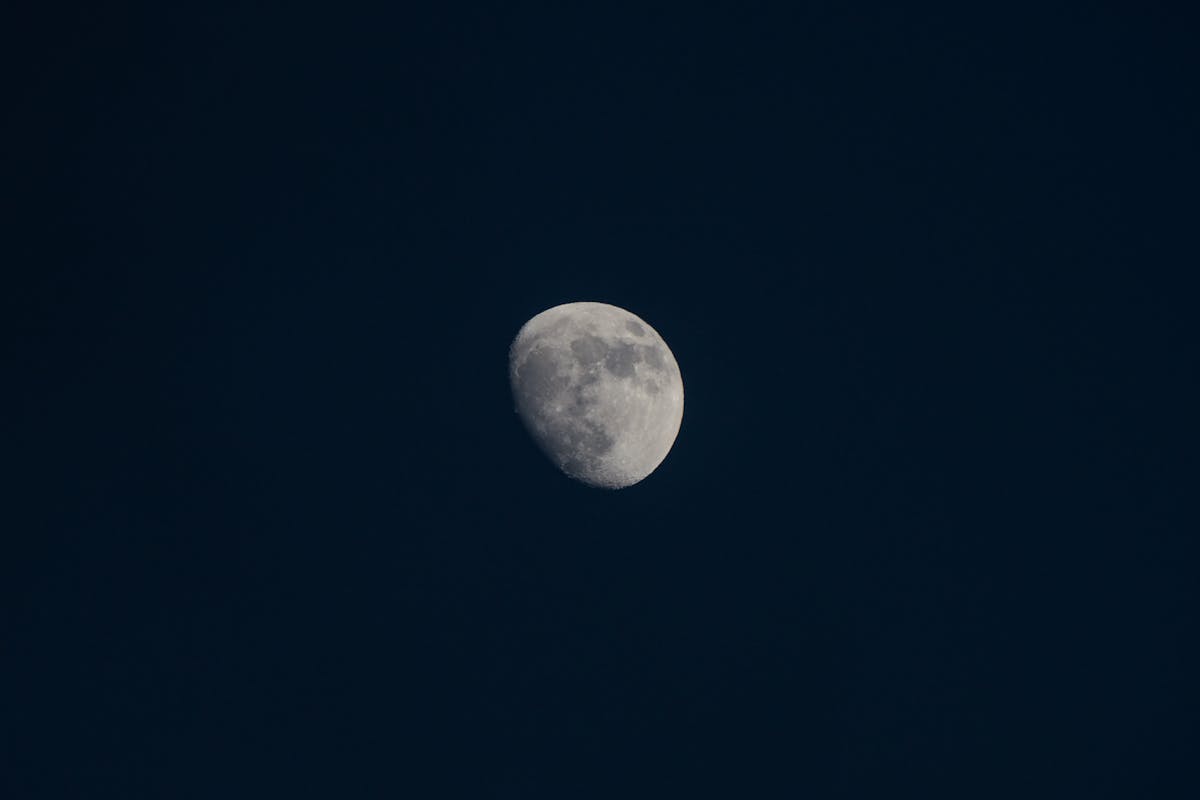
Since Hawaii is isolated in the Pacific Ocean, it is the best and natural observatory for the upcoming eclipse. Unlike in western Canada and the United States, Hawaiians will experience the total lunar eclipse from around 1.04 AM to 2.02 AM local time, allowing for extended viewing without rushing. What makes Hawaii worth visiting is its volcanic terrain and ocean reflections, enhancing your blood moon experience to the next level.
Eastern Australia & New Zealand
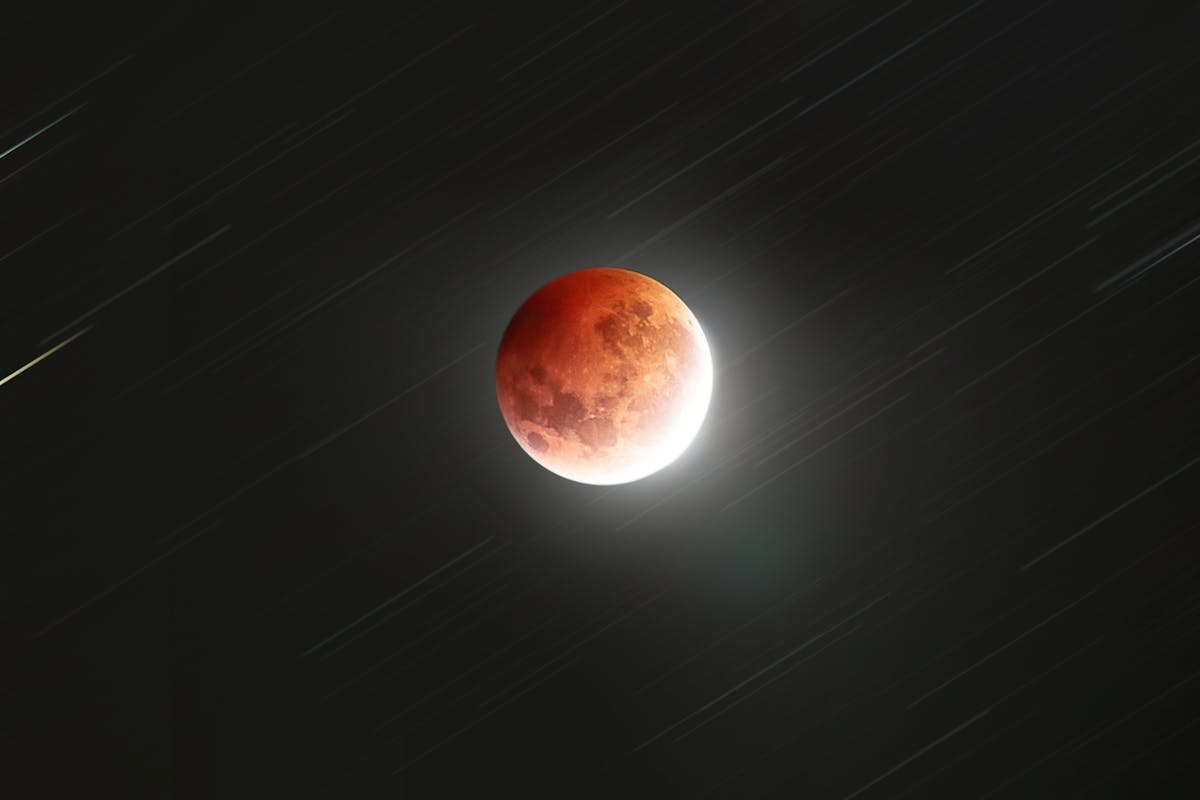
For people living down under, the Blood moon will appear during ideal evening hours before midnight. Cities such as Melbourne, Sydney, and Auckland in Australia and New Zealand will witness the Moon's gradual transformation against coastlines and mountain ranges. All you need to do is be ready between 10.04 PM (AEDT) and 11.02 PM (AEDT) for the best moon-viewing experience.
Eastern & Southeast Asia
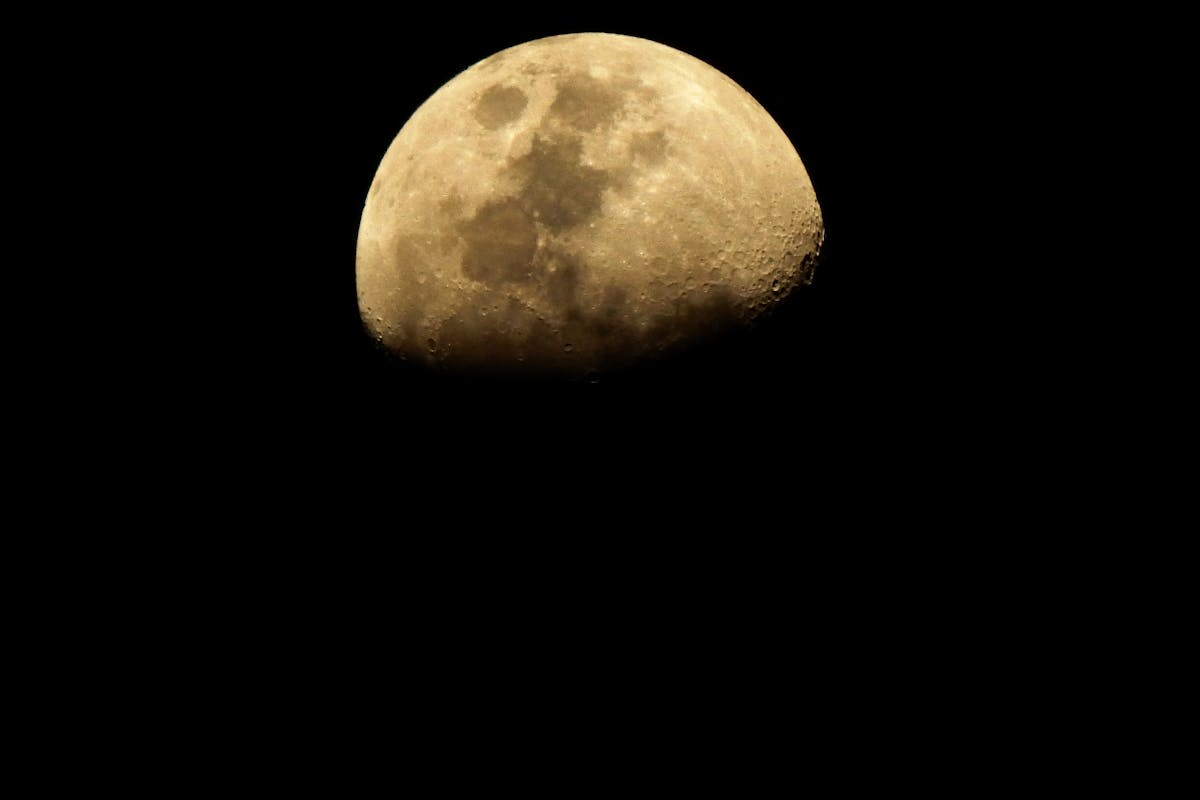
Since there are multiple time zones in Eastern and Southeast Asia, you will see the full Moon rise in the east in the evening. Significant regions of Japan, South Korea, and the Philippines will observe it. The most mesmerizing experience would be watching the Blood Moon appear above the horizon, often enhanced by atmospheric effects known as the "moon illusion". What you can do is find open rooftops, coastal roads, and countryside settings for the best experience.
Also read || The Blue Zone: Can Spending A Week In Okinawa Change Your Life!
Blood Moon: Myths, Legends & Human Wonder
As humans, we have always loved stories. And, Blood Moons have inspired stories across centuries. Some cultures view it as a sign of change, a warning, or a renewal, while others believe it is heaven speaking to Earth. Today, science offers clear explanations, but the emotional aspects of solar and lunar eclipses stay the same. The Blood Moon still evokes amazement, reminding us how skies shape human imagination.