Travelling abroad allows people to experience new cultures, cuisines, landscapes, and traditions. However, every country also has its own laws and regulations that visitors are expected to follow. While most travellers focus on visas, flights, and accommodation, many overlook the importance of understanding local rules before arriving at a destination. In some places, behaviours that seem completely normal at home may be restricted or even illegal. What might appear harmless to a visitor could lead to fines or legal trouble. Many unusual travel laws exist for practical reasons, as governments often introduce them to protect historical sites, maintain public cleanliness, ensure safety, and preserve cultural traditions. Learning about these regulations before travelling can help visitors avoid misunderstandings and show respect for their destination. Here are 20 unusual travel rules and laws from around the world that travellers should know.
Also Read: 10 Driving Rules Other Countries Have, But the US Doesn’t
Singapore’s Restrictions on Chewing Gum
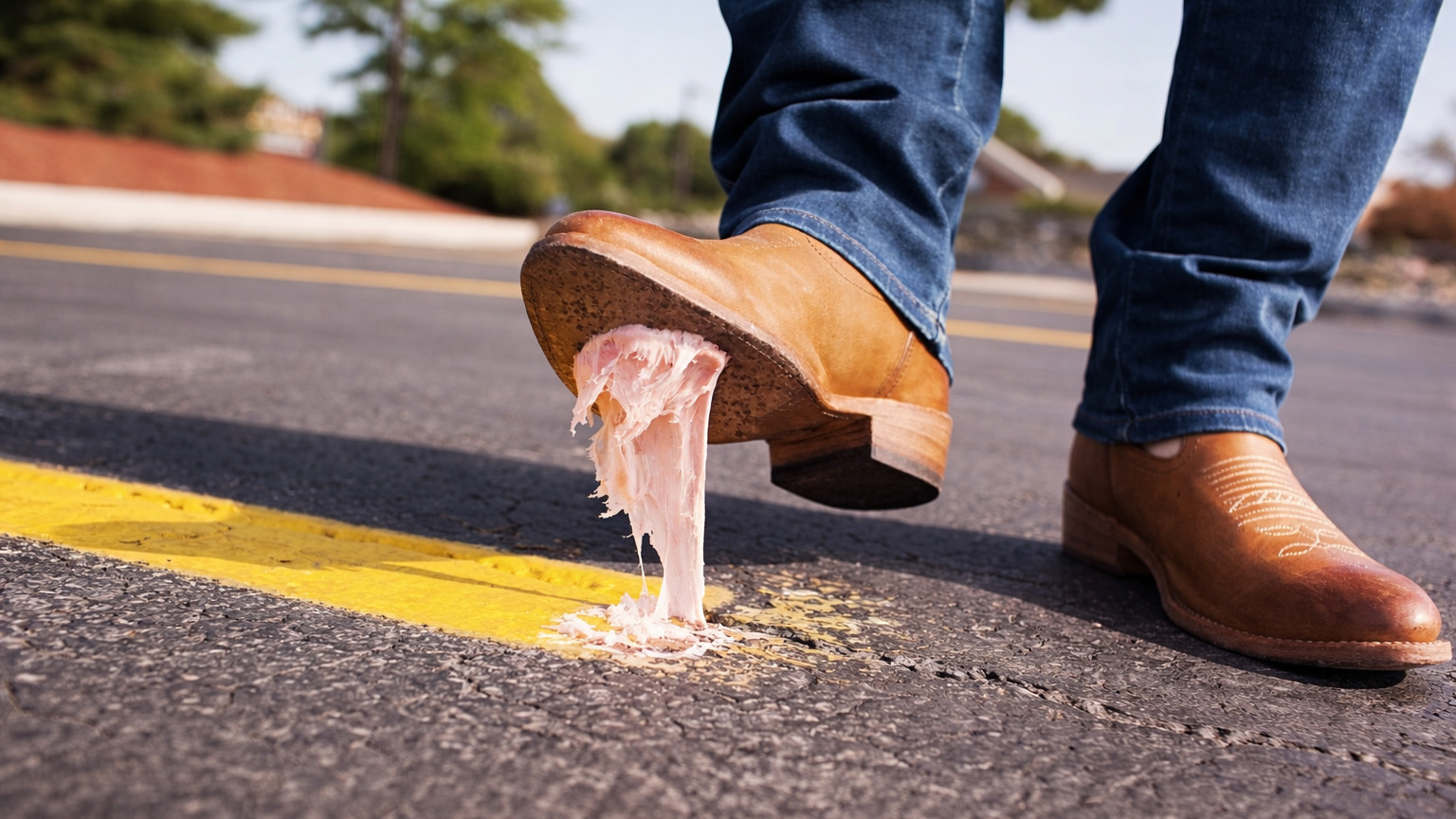
Singapore is widely known for its strict laws related to public cleanliness and order. In 1992, the government introduced a ban on the commercial sale and import of chewing gum after authorities noticed that many people were disposing of gum improperly in public spaces. People often stuck chewing gum on sidewalks, benches, elevator buttons, walls, and public transportation surfaces, which created widespread cleaning problems throughout the city. The situation became more serious when chewing gum began interfering with sensors on Singapore’s Mass Rapid Transit (MRT) system. Gum stuck on train doors prevented them from closing properly, which caused delays and disruptions to public transportation. Today, chewing gum is still heavily restricted. However, certain types of therapeutic chewing gum, such as nicotine gum used to help people quit smoking, are allowed but can only be purchased through pharmacies with medical approval. Tourists are generally allowed to bring small amounts for personal use, but selling chewing gum illegally can result in fines.
High Heels Are Restricted at Some Greek Archaeological Sites
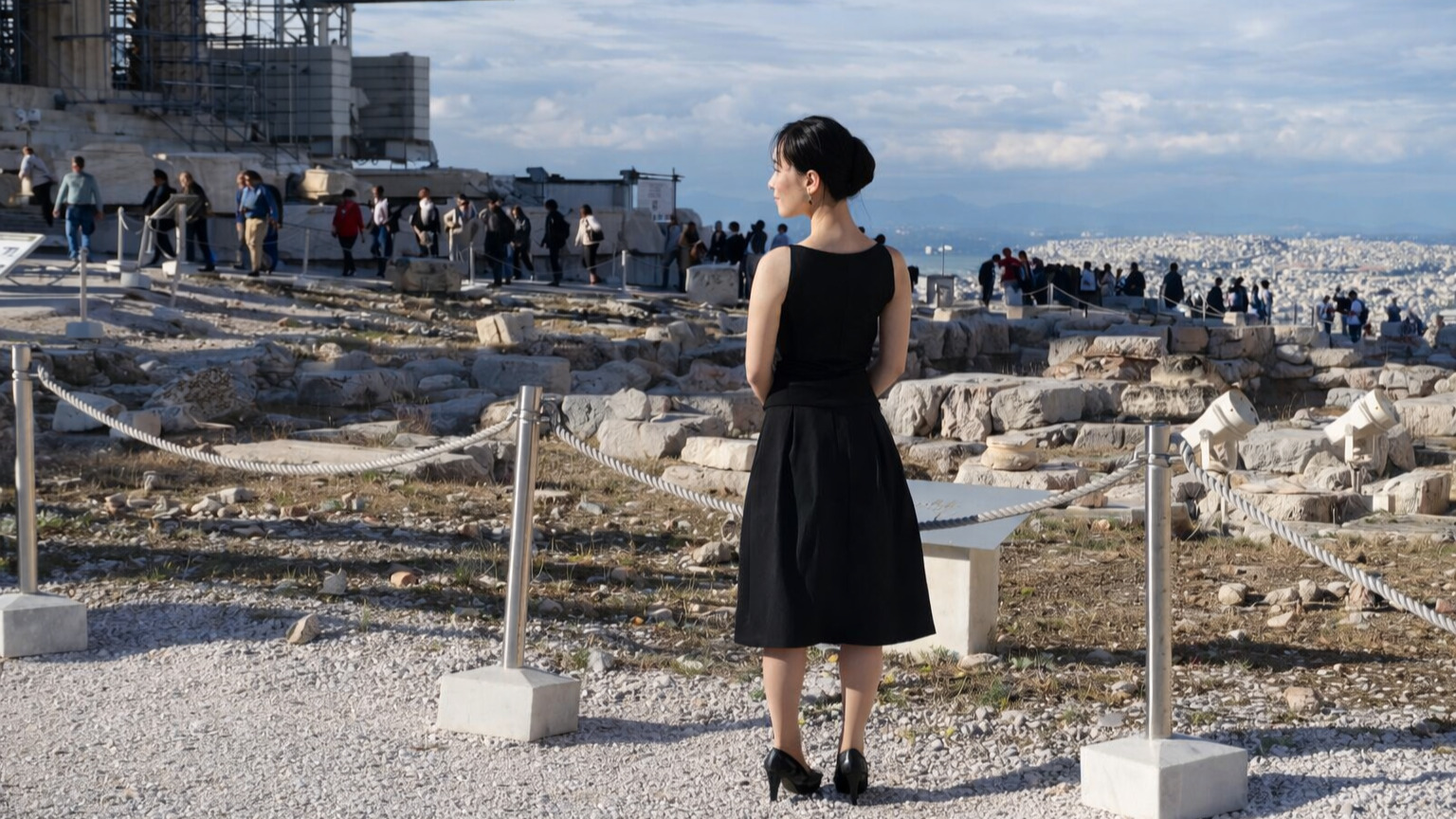
Greece is home to many ancient historical landmarks, including temples, ruins, and monuments that are thousands of years old. One of the most famous sites is the Acropolis in Athens. To protect these fragile historical structures, Greek authorities introduced regulations in 2009 that prohibit visitors from wearing high-heeled shoes at certain archaeological sites. High heels can damage delicate marble floors and ancient stone surfaces because the pointed heels may scratch or chip the stone, gradually causing long-term damage to these historic monuments. For this reason, visitors are encouraged to wear flat shoes or footwear with soft soles when exploring historic ruins.
Running Out of Fuel on Germany’s Autobahn Can Lead to a Fine
Germany’s Autobahn highway system is known around the world for having sections with no official speed limit, allowing drivers to travel at very high speeds. Despite this reputation, Germany also has strict road safety laws. One unusual rule is that running out of fuel on the Autobahn can result in a fine because authorities consider running out of petrol a preventable situation rather than an unavoidable emergency. If a vehicle stops on the highway because the fuel tank is empty, it can create a dangerous obstacle for other drivers who may be travelling at high speeds. For this reason, drivers are expected to carefully check their fuel levels and plan their journey before entering the highway.
Feeding Pigeons in Venice Is Illegal
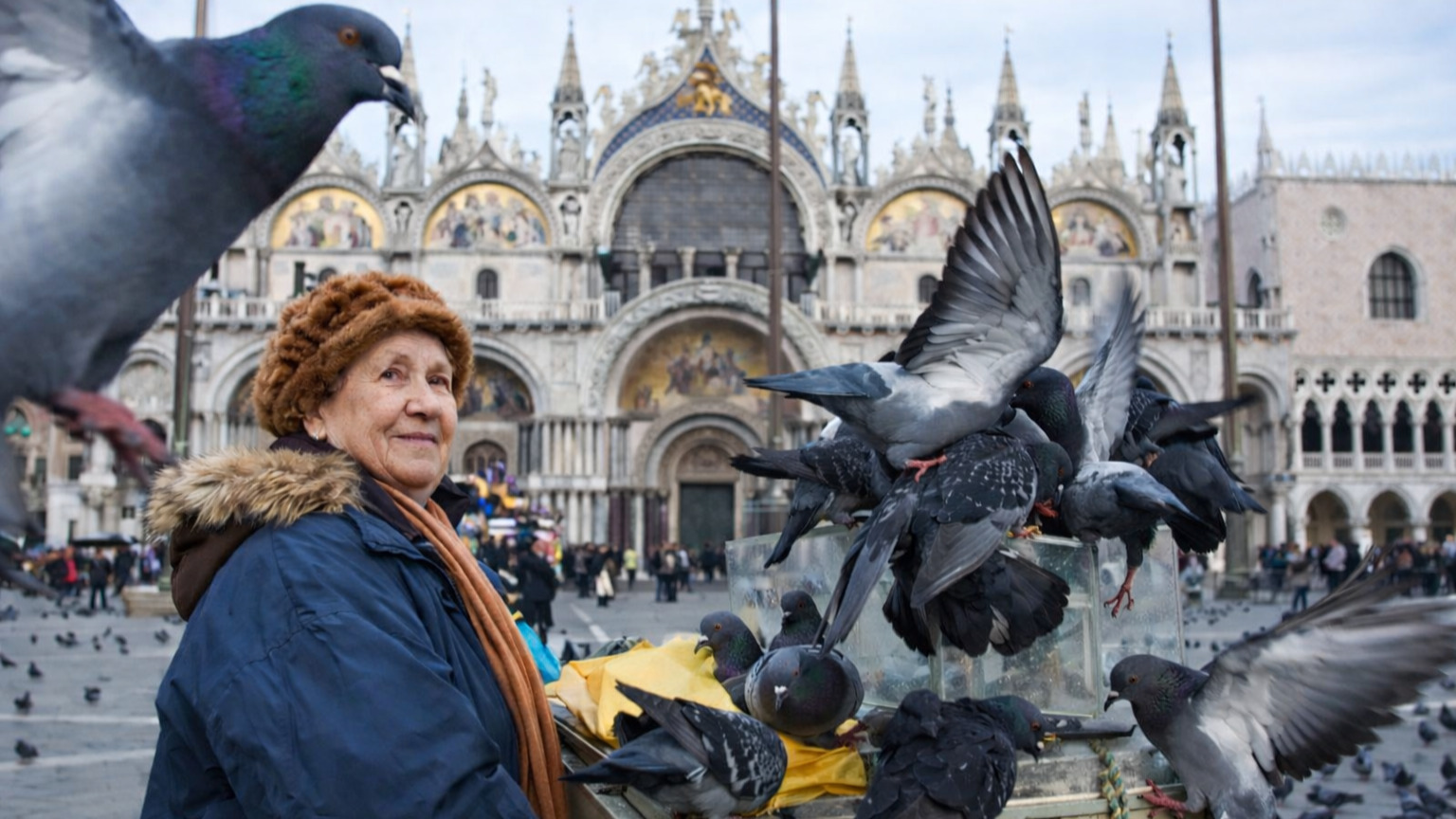
For many years, tourists visiting St. Mark’s Square in Venice enjoyed feeding pigeons while taking photographs. The birds became a well-known attraction for visitors to the city. However, the pigeon population increased significantly over time and began causing problems for Venice’s historic buildings. Pigeon droppings contain acidic substances that slowly damage stone surfaces, statues, and monuments. To protect the city’s historic architecture and reduce expensive cleaning costs, authorities banned feeding pigeons in 2008. Visitors who break this rule may receive fines.
Respecting Buddha Images in Sri Lanka
Sri Lanka is a predominantly Buddhist country where religious symbols are treated with great respect. Statues and images of the Buddha are considered sacred by many people. Visitors to temples and religious sites are expected to behave respectfully around these images because actions that may seem harmless to tourists can sometimes be considered offensive in local culture. For example, taking photographs while standing with your back toward a Buddha statue or climbing on religious monuments has previously led to tourists being detained or deported. Travellers visiting temples should dress modestly, remove their shoes when required, and behave respectfully inside sacred spaces.
Tight Swimwear Rules in Some French Public Pools
Public swimming pools in many parts of France follow strict hygiene rules. One regulation requires swimmers to wear tight-fitting swimwear rather than loose board shorts because authorities believe loose swim shorts may carry dirt, sand, or bacteria from outside environments into the pool water. Because of this rule, men are often required to wear swim briefs or fitted swim trunks when using public pools. Visitors who arrive wearing long or loose swim shorts may be asked to change before entering the water.
Camouflage Clothing Is Restricted in Some Caribbean Countries

In several Caribbean countries, including Jamaica, Barbados, and Saint Lucia, camouflage clothing is reserved exclusively for military personnel. Civilians are generally not allowed to wear camouflage patterns because authorities want to prevent confusion between civilians and members of the military. Tourists who wear camouflage clothing may be asked to change their outfits or could face fines in certain situations, so travellers visiting these countries are often advised not to pack camouflage clothing.
Medication Restrictions in Japan
Japan has strict regulations regarding certain medications that can be brought into the country. Some medicines that are commonly available over the counter in other countries may be restricted or banned in Japan, including medications containing stimulants, strong painkillers, or ingredients such as codeine. Even some cold and flu medicines may not be permitted. Travellers bringing medication into Japan should carefully check official government guidelines before travelling because, in some cases, visitors may need special approval or documentation to bring certain prescription medicines into the country.
Drivers in Japan Must Avoid Splashing Pedestrians
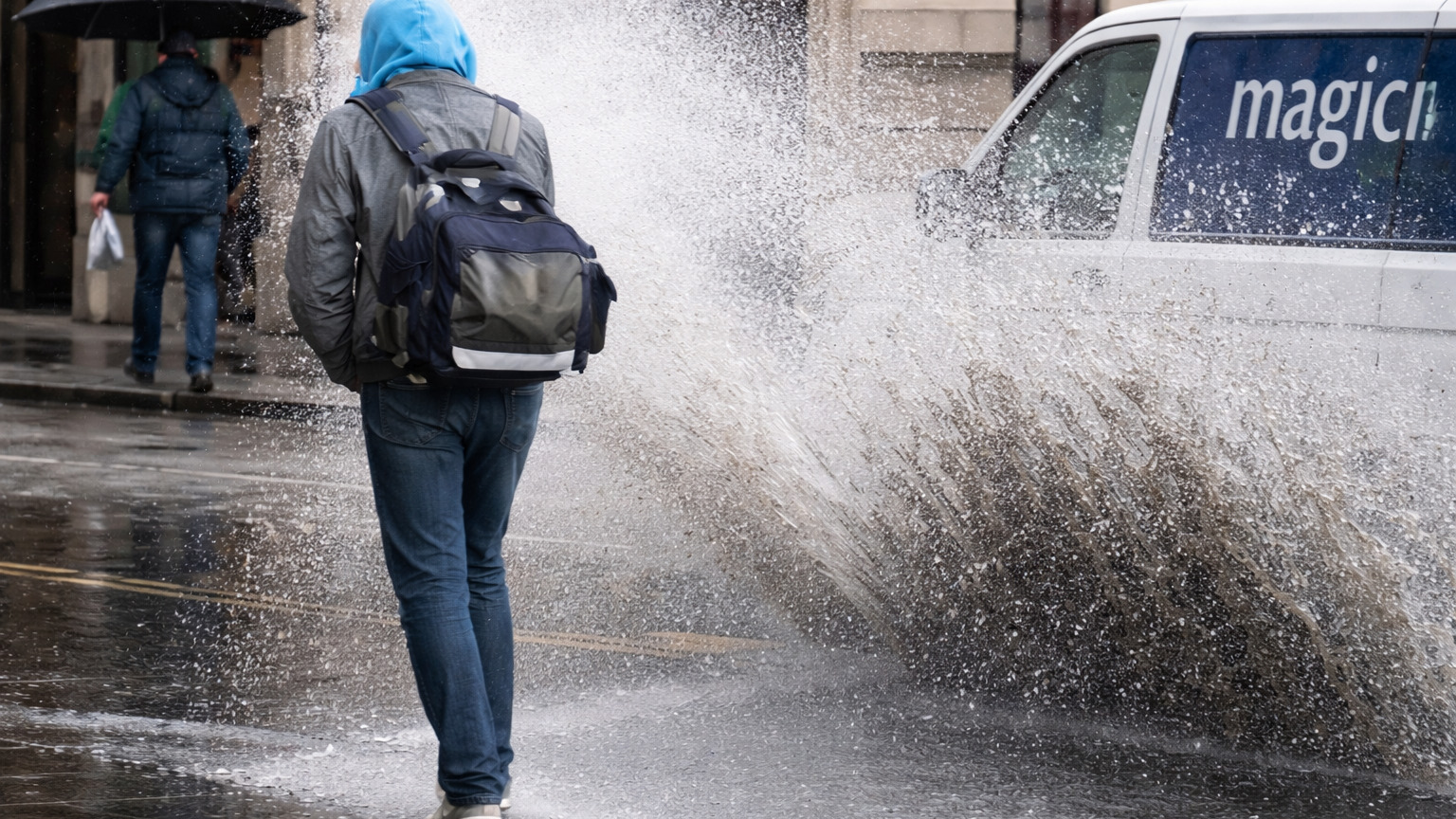
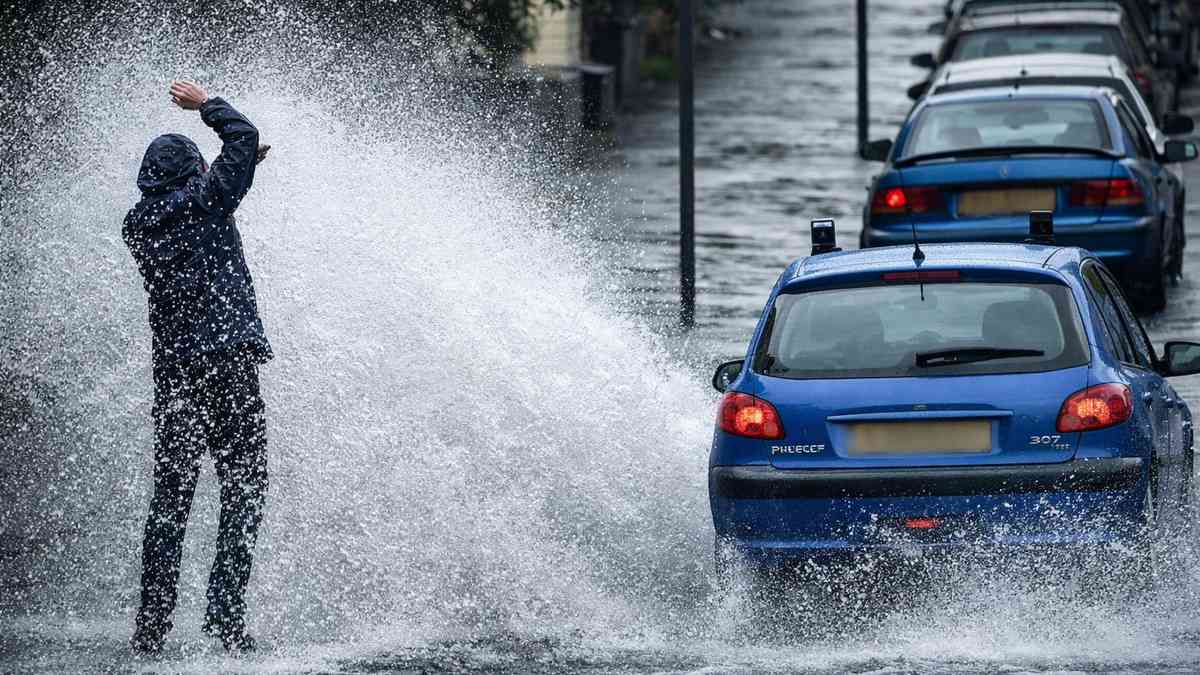
Japanese traffic laws emphasize careful and considerate driving. Drivers are expected to show respect toward pedestrians and other road users. If a driver splashes water onto pedestrians while driving through puddles, authorities may consider it careless driving, and the driver may receive a fine. Although this rule may seem unusual, it reflects Japan’s strong cultural emphasis on politeness and respect in public spaces.
Interfering with Service Dogs Is Illegal in Many U.S. States

In the United States, service dogs are specially trained animals that assist people with disabilities. These dogs may guide people who are visually impaired, alert individuals to medical conditions, or help with important daily tasks. Because their work is essential, interfering with a service dog while it is performing its duties can be considered a criminal offense in many states. People are advised not to touch, feed, or distract a working service dog unless the owner clearly gives permission.
Safety Equipment Is Required in Some European Cars
In several European countries, drivers are legally required to carry specific safety equipment inside their vehicles. For example, in Bulgaria, cars must carry a fire extinguisher, and in other countries, drivers may also be required to keep reflective safety vests, warning triangles, spare bulbs, or first-aid kits in their vehicles. Visitors renting cars in Europe should check local driving regulations before beginning their journey.
Also Read: The 10 Best Cities in the World to Visit in 2026
Tourism Rules in Historic Italian Cities
Historic cities such as Florence receive millions of tourists every year. While tourism brings economic benefits, it can also create pressure on historic landmarks and public spaces. To protect these sites, some districts have introduced regulations that limit certain tourist activities. These rules may include restrictions on sitting on historic steps, eating near monuments, or gathering in large groups late at night. Such measures help preserve historic sites while managing the impact of tourism.
Singapore’s Rule on Flushing Public Toilets
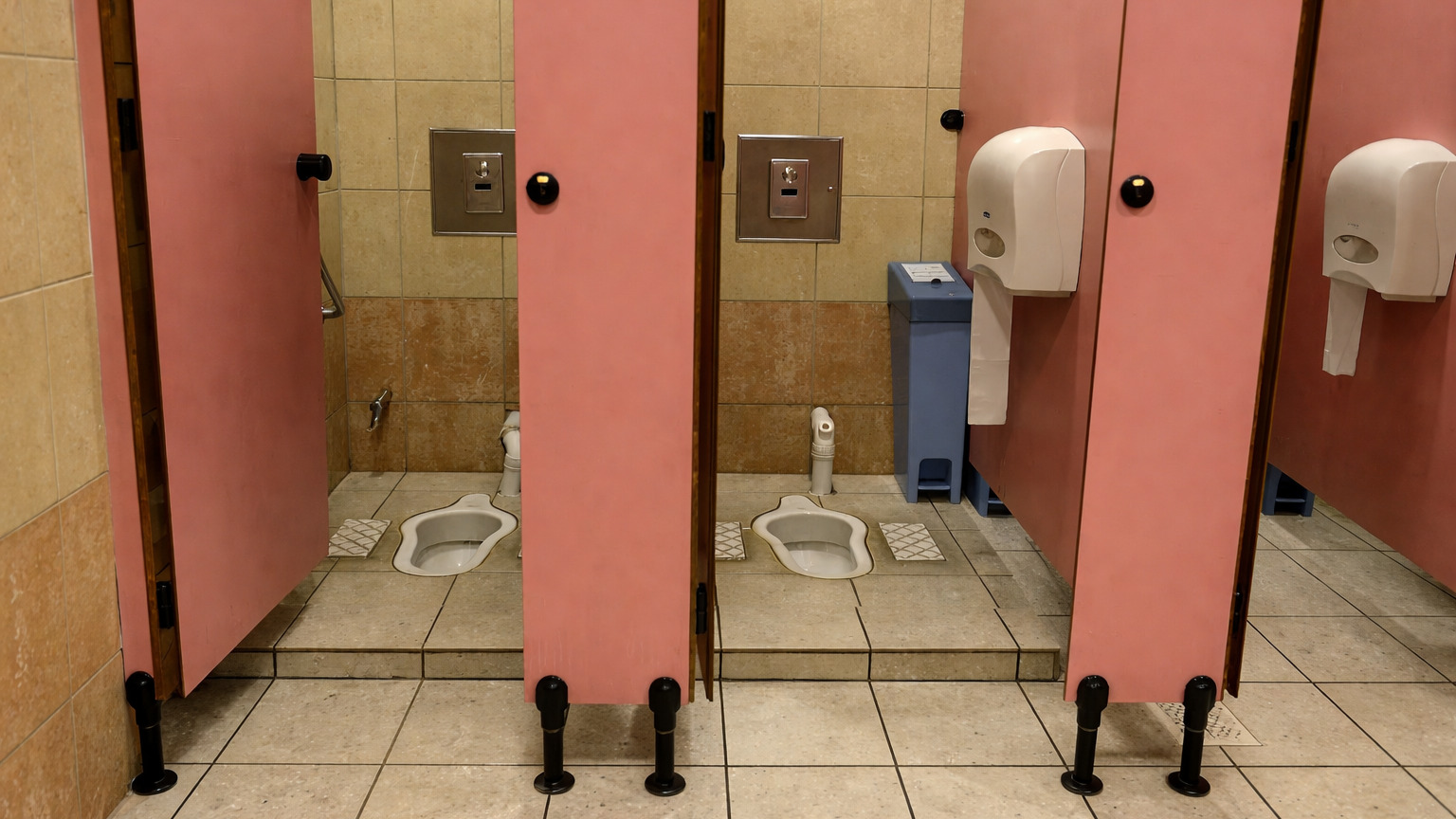
Singapore has very strict standards for cleanliness in public spaces. One lesser-known rule requires people to flush public toilets after using them. If someone leaves a toilet unflushed and authorities discover it during inspections, that person may receive a fine. This rule is part of Singapore’s broader effort to maintain hygiene throughout the city.
Removing Shoes Indoors in South Korea
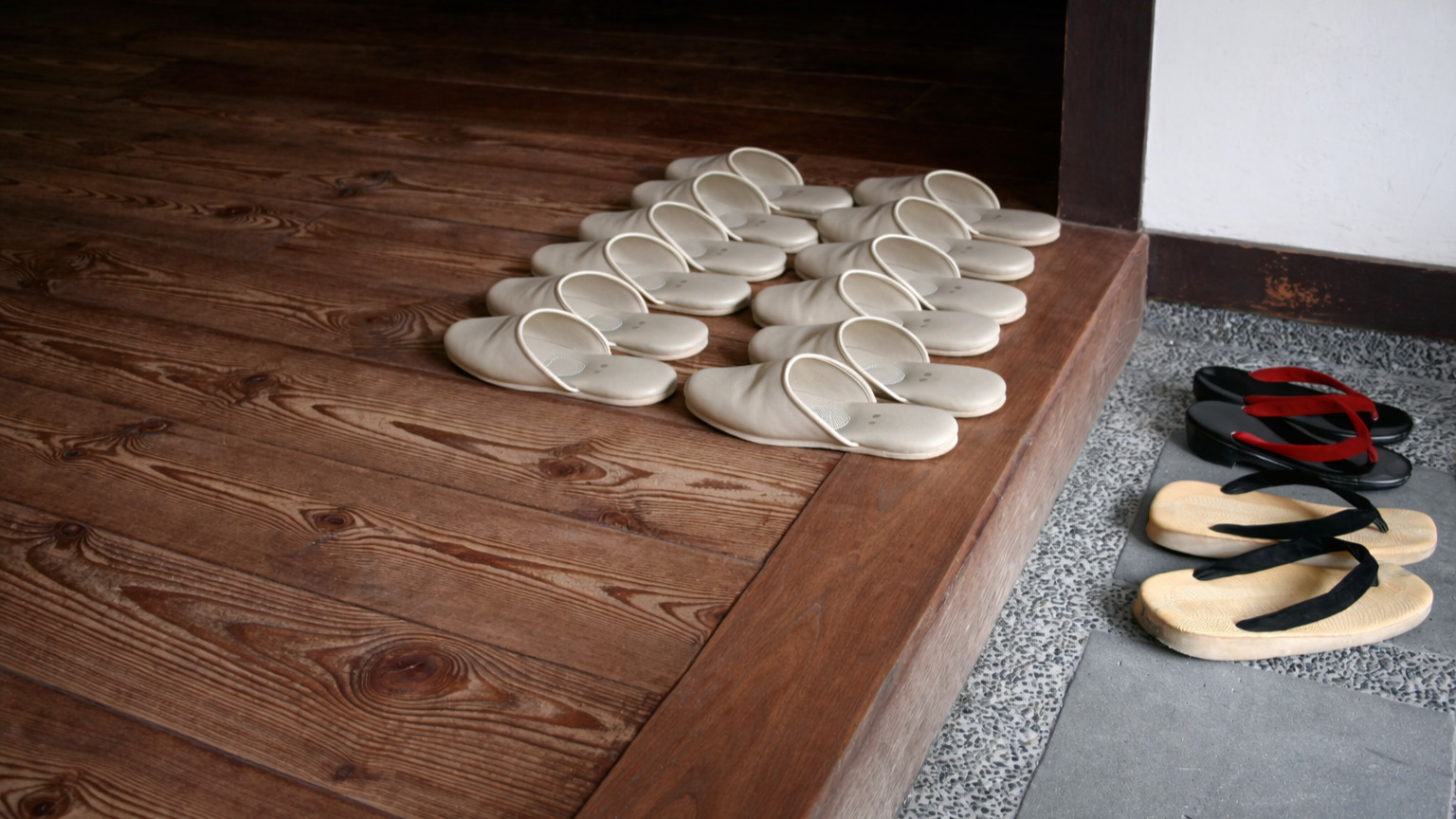
In South Korea, removing shoes before entering homes, temples, and some traditional restaurants is an important cultural custom. This practice helps keep indoor areas clean, especially in homes where people often sit or sleep on floor mats. Although it is mainly a cultural expectation rather than a strict law, visitors are generally expected to follow this practice as a sign of respect for local customs.
Sandcastle Restrictions on Some Spanish Beaches

In certain Spanish coastal areas, particularly in the Balearic Islands, local authorities regulate large sand structures or deep holes on beaches. These rules help prevent accidents, keep pathways clear, and allow beach cleaning machines to operate safely. Small sandcastles are usually allowed, but very large constructions may be restricted.
Tree Protection Rules in Some Canadian Parks
In some Canadian cities, local park regulations protect trees from damage. Activities such as climbing trees, carving names into the bark, or attaching objects to trees may be restricted in certain parks. These rules help preserve urban green spaces and protect natural environments.
Durian Is Banned on Some Public Transport

Durian is a tropical fruit that is extremely popular in Southeast Asia but is also famous for its very strong smell. Because the odor can remain in enclosed spaces for a long time and may disturb other passengers, durian is banned on many forms of public transportation in countries such as Singapore and Malaysia. Signs showing a crossed-out durian symbol are commonly displayed in buses, subway stations, trains, and hotels.
Why Travellers Should Learn Local Laws
Responsible travel involves more than booking flights and hotels. Understanding the laws and customs of the country you are visiting can help prevent misunderstandings and show respect for local communities. Many unusual regulations exist for important reasons, such as protecting historic landmarks, maintaining cleanliness, preserving cultural traditions, and ensuring public safety. Before travelling internationally, visitors should review official government travel advice, learn basic cultural etiquette, and stay informed about local rules. Being aware of these regulations can help travellers avoid accidental violations and enjoy a safer, smoother, and more respectful travel experience.
Comments (0)
Log in to share your thoughts
No comments yet
Be the first to share your thoughts!