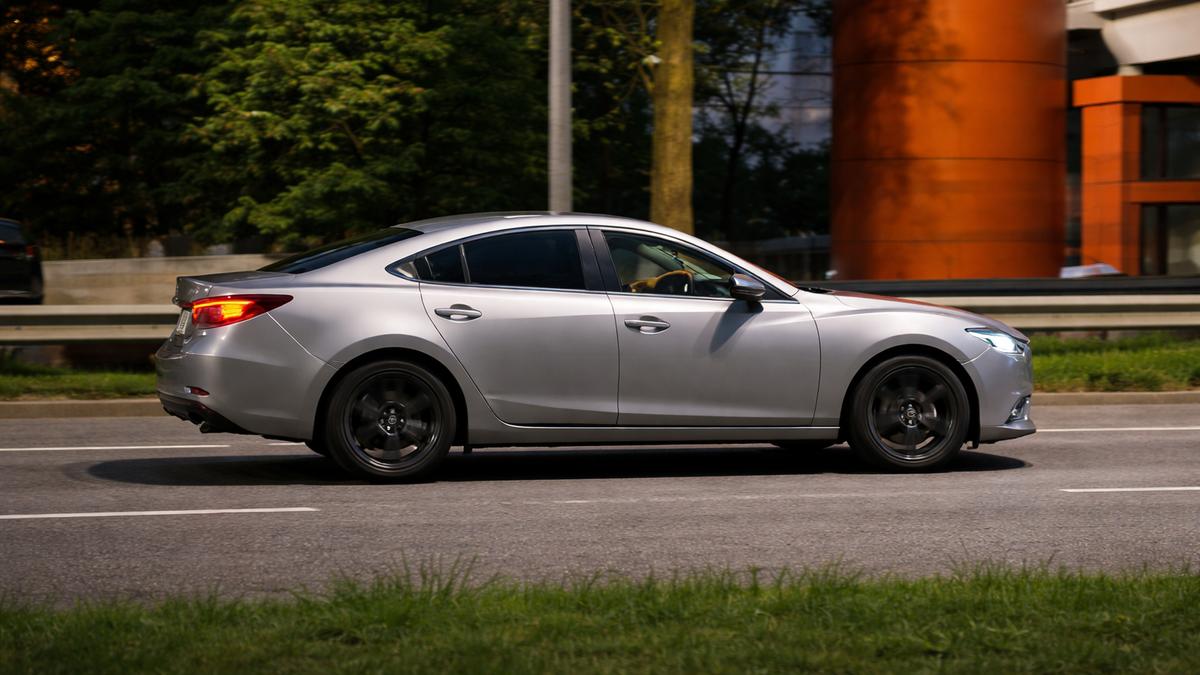
Driving is something people do every day, but the rules of the road are not the same everywhere. In the United States, most driving laws focus mainly on safety issues such as speed limits, traffic signals, and preventing accidents. However, in many other countries, driving rules go beyond basic road safety. They may also include laws about public behavior, noise control, vehicle cleanliness, and how drivers treat pedestrians. Because of these differences, travelers may be surprised to learn that some actions that seem normal in the U.S. can actually lead to fines or penalties in other parts of the world.
Driving Shirtless In Thailand
In Thailand, drivers are not allowed to operate a vehicle while shirtless. Even though the country has a hot tropical climate, the law requires drivers and motorcyclists to wear proper clothing while driving in public. Authorities consider driving without a shirt to be inappropriate and disrespectful to public standards. As a result, anyone caught driving shirtless can receive a fine. This rule reflects Thailand’s emphasis on public decency and respectful behavior in public spaces.
Splashing Pedestrians In The United Kingdom
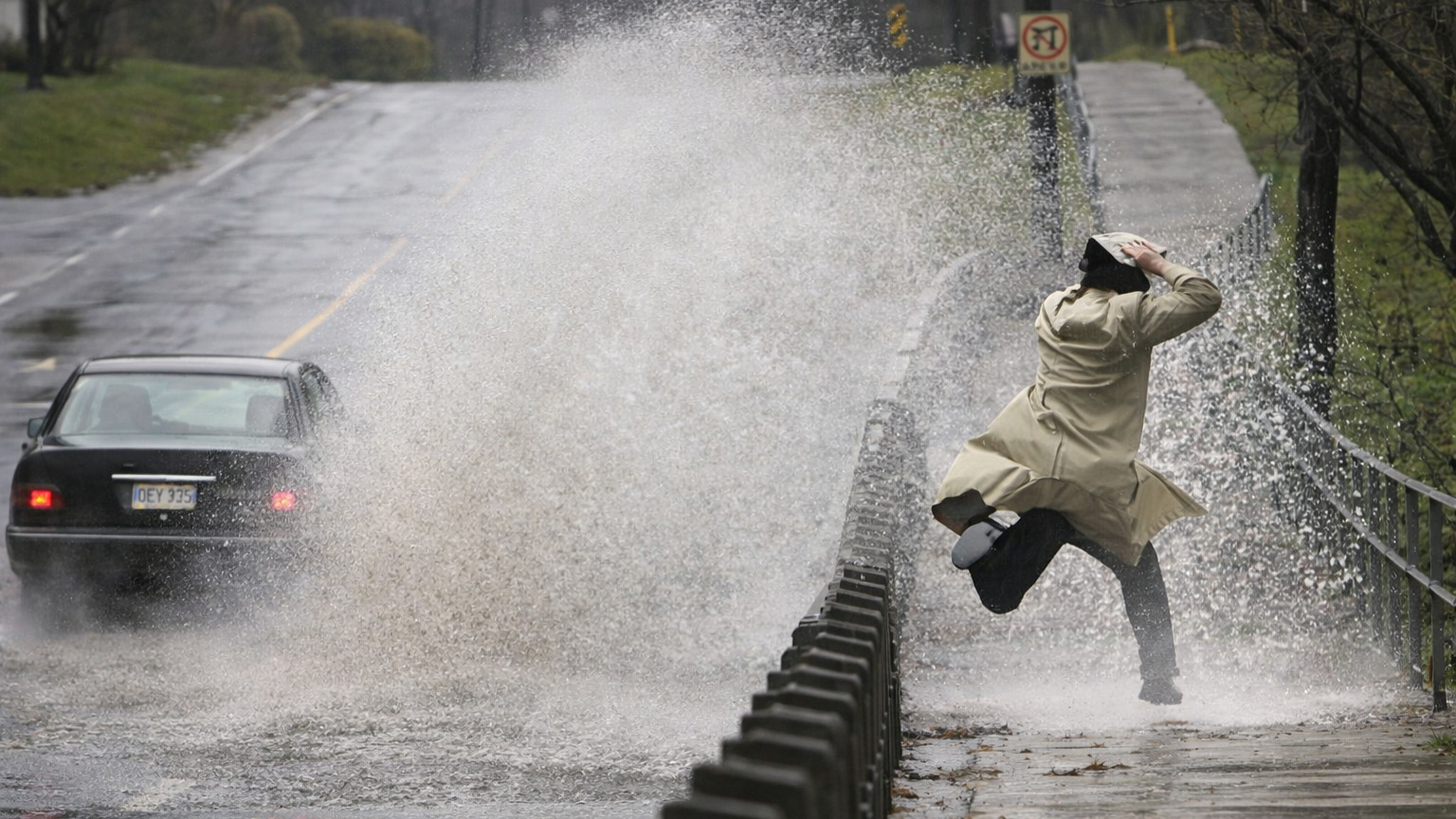
In the United Kingdom, drivers are expected to show consideration for pedestrians at all times. If a driver speeds through a puddle and splashes water onto someone walking nearby, it can be considered a traffic offense. This action may be classified as driving without reasonable consideration for others. Because of this law, drivers may receive fines or penalty points if they splash pedestrians with water from the road. The rule encourages drivers to slow down and be more mindful during rainy weather.
Drunk Passengers In The Front Seat In North Macedonia
North Macedonia has a unique rule that prohibits intoxicated passengers from sitting in the front seat of a car. While the driver must always remain sober, authorities believe that a drunk passenger sitting next to the driver could create distractions or interfere with the driver’s ability to control the vehicle. Because of this concern, intoxicated individuals are required to sit in the back seat instead. This rule is designed to reduce potential distractions and improve overall road safety.
Always Keep Headlights On In Sweden
In Sweden, drivers must keep their headlights on at all times, even during the daytime. This rule applies regardless of the weather or time of day. The purpose of the law is to make vehicles more visible to other drivers, cyclists, and pedestrians. Sweden experiences long periods of low light during certain seasons, so keeping headlights on helps reduce the chances of accidents. Many modern vehicles in Sweden automatically activate daytime running lights to follow this rule.
Lock Your Car In Australia
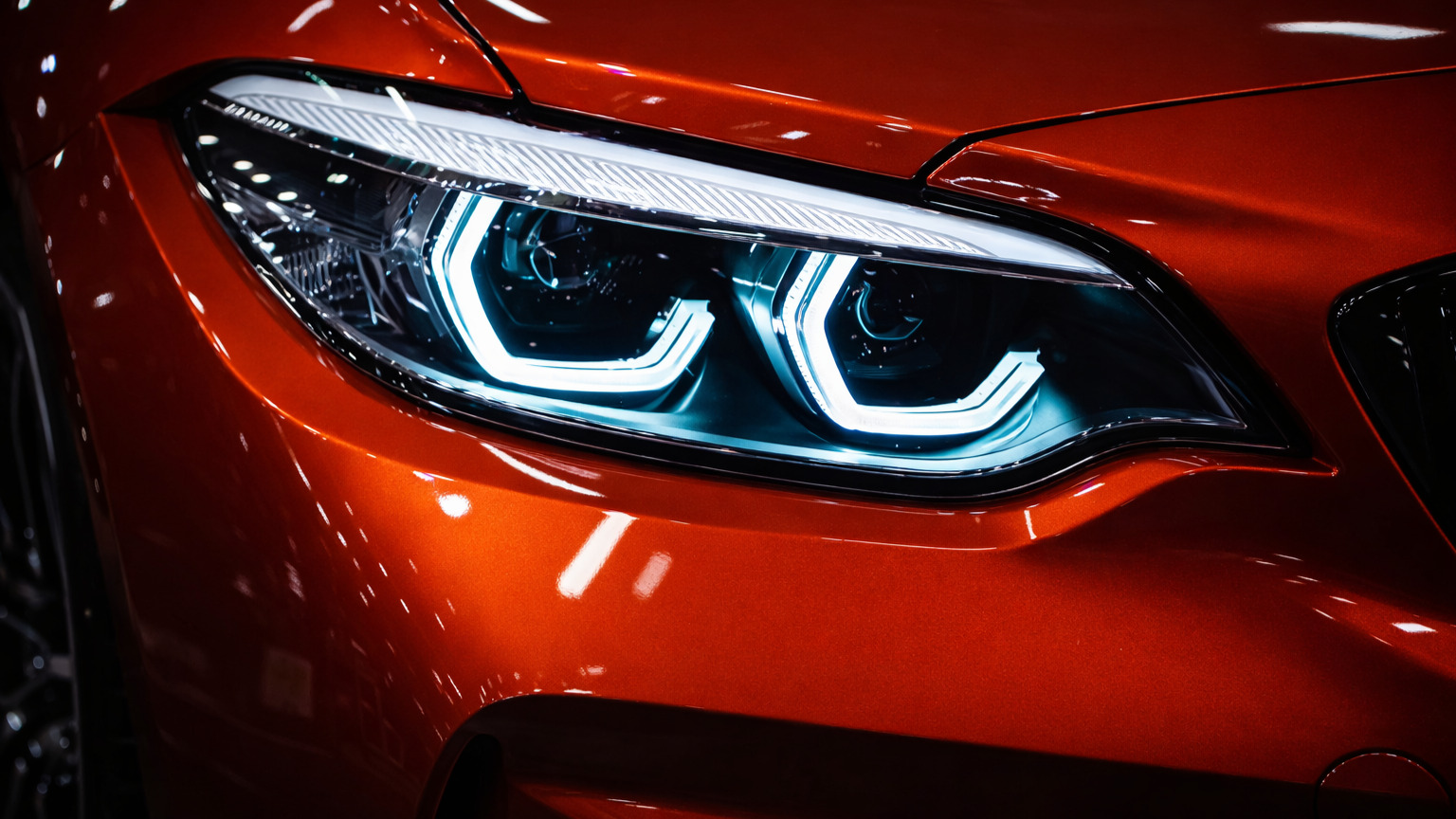
In parts of Australia, especially in New South Wales, drivers are required to secure their vehicles when leaving them unattended. If a driver moves more than a short distance away from the car, the vehicle must be locked, and the windows should be closed. Leaving the engine running or the vehicle unlocked can lead to fines. This law exists mainly to prevent car theft and reduce the risk of someone stealing an unattended vehicle.
Riding With A Drunk Driver In Japan
Japan has extremely strict laws regarding drunk driving. Unlike in the United States, passengers can also face punishment if they knowingly ride in a vehicle driven by someone who is intoxicated. Anyone who allows a drunk person to drive can receive heavy fines or other legal consequences. This rule encourages people to stop intoxicated individuals from driving and promotes greater responsibility among everyone in the vehicle.
Restricted Historic Zones In Italy
Many historic cities in Italy have special traffic zones called “Zona a Traffico Limitato” or ZTL. These areas restrict vehicle access in order to protect historic streets and reduce congestion. Only residents, emergency vehicles, or authorized drivers are allowed to enter these zones. Cameras automatically record the license plates of vehicles entering restricted areas, and drivers who enter without permission can receive fines later. This system helps preserve historic neighborhoods and keeps traffic under control.
Don’t Accelerate Too Loudly In Switzerland
Switzerland has strict rules about unnecessary noise while driving. Drivers are not allowed to rev their engines loudly or accelerate aggressively, especially in residential areas. Excessive engine noise is considered a disturbance to public peace. Because of this law, drivers must operate their vehicles calmly and avoid making loud sounds that could disturb others. The rule reflects Switzerland’s focus on maintaining quiet and orderly communities.
Keep Your Car Clean In Dubai
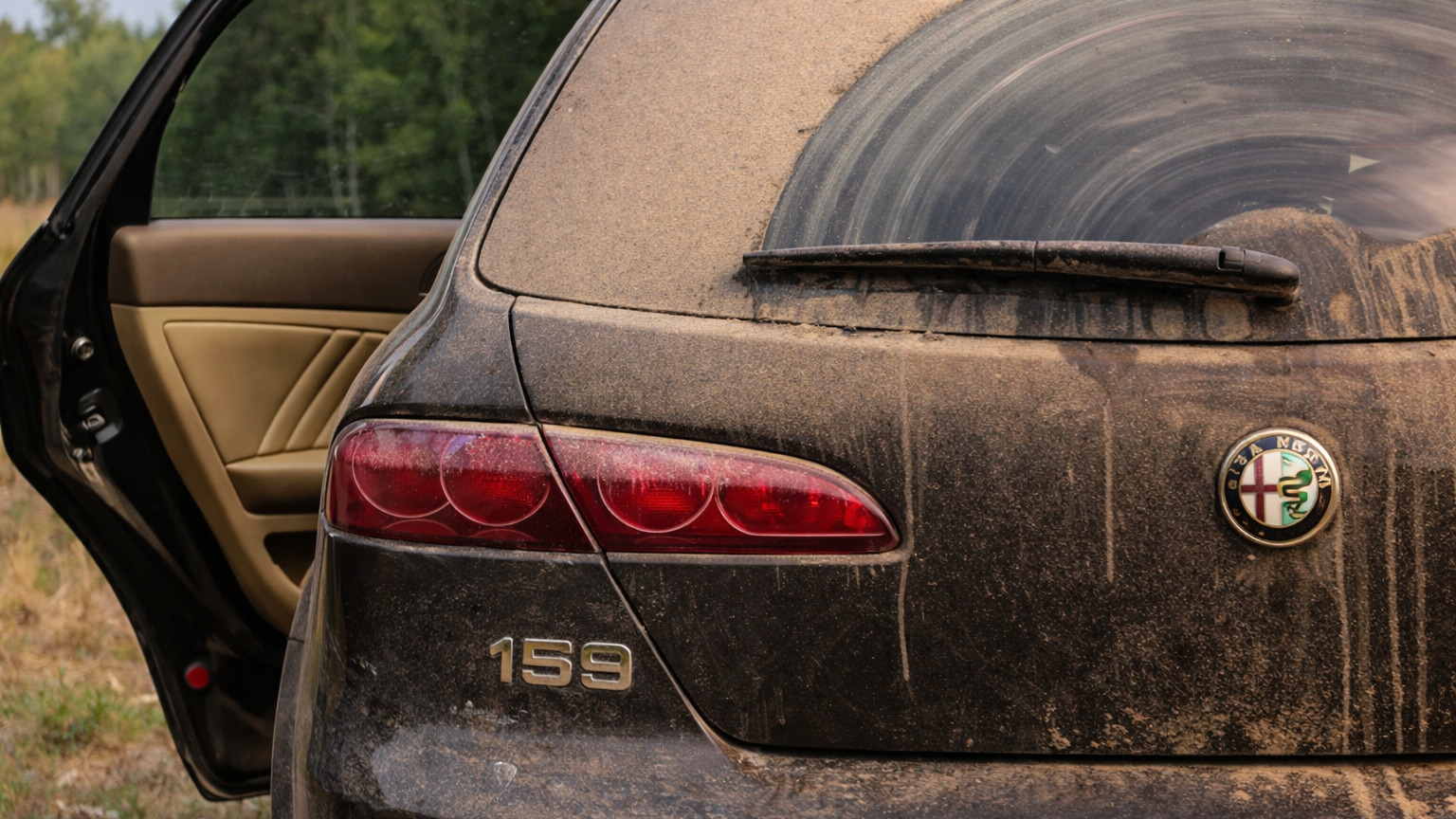
In Dubai, authorities place a strong emphasis on cleanliness and appearance. Cars that become extremely dirty or covered in dust may receive warnings from officials. If the vehicle owner does not clean the car within a certain period of time, the car may be fined or even impounded. This rule is intended to maintain the city’s clean and modern image while also preventing abandoned or neglected vehicles from sitting on public streets.
Carry Safety Equipment In France
France requires drivers to carry specific safety equipment inside their vehicles. Every car must have a reflective safety vest and a warning triangle. If a car breaks down or stops on the roadside, the driver must wear the safety vest before leaving the vehicle and place the warning triangle behind the car to alert approaching traffic. These requirements are designed to improve roadside safety and reduce the risk of accidents.