After years of outsourcing content, customer service and critical decision making to algorithms, companies have finally realized the need to implement the “Human in the Loop” system suggests that we are on the verge of a major correction, making us raise a terrible question: “Will 2026 be the year we finally admit that the total automation was a mistake and decide to re-hire the human experts?”
The Rise Of "Generic Economy"
Since the past few years, AI has been on peak; perfectly generating AI content. However, the "Generic Economy," proved that while AI can create infinite contents, yet, it struggled to create it with impact, resulting in a massive dilution of brand distinctiveness and a consumer backlash against mechanized interactions. Many companies have realized to this point that by removing humans and trusting AI models blindly have turned out to erode consumer’s trust and loyalty.
Humans-in-the-Loop As a Strategy
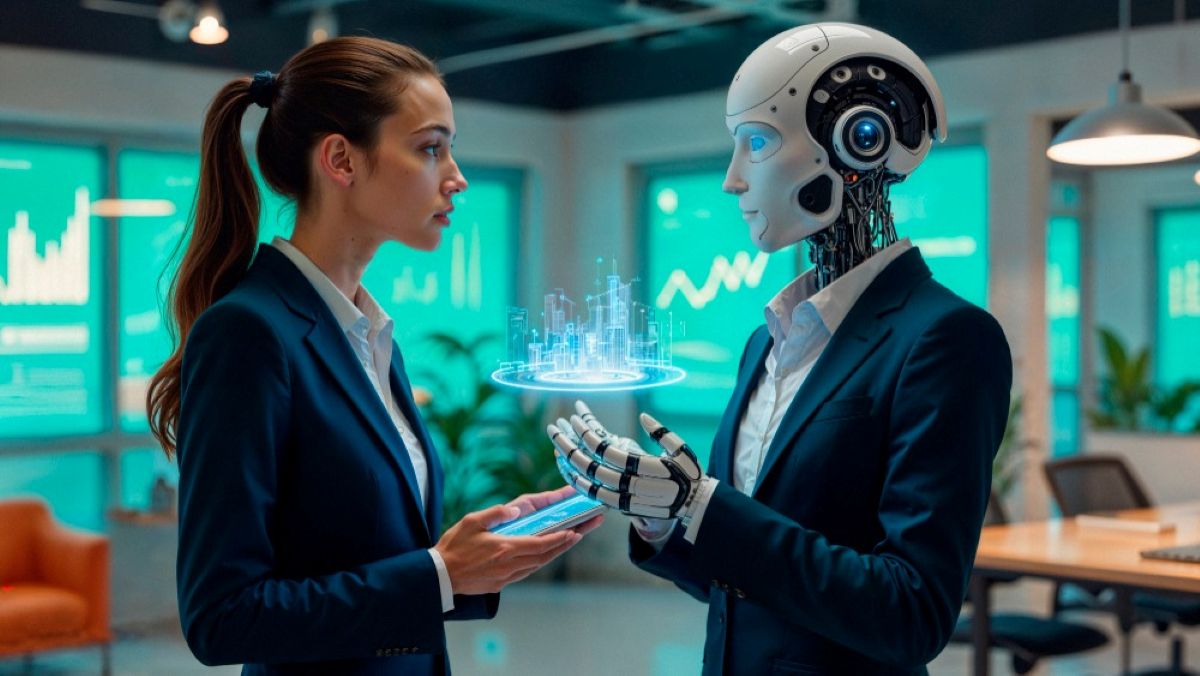
It was a misconception that Human-in-the-Loop was something related to simple proofreading or fine-tuning, but presently, the concept has evolved into a sophisticated architecture where human judgement is the ultimate decision maker. The true integration of this mechanism is the necessary navigation system, ensuring that autonomous agents operate within ethical, strategic and brand-compliant boundaries.
Re-Hiring Human Experts; The 'Trust Dividend'
The market is now rewarding the 'Trust Dividend,' a premium value placed on products, content and services which are verified and curated by human expertise. Companies who adopt the policy of Human-in-the-Loop architecture are finding that they can change more and retain customers for a longer period of time, as consumers actively seek authenticity over automated competency.
The Rise of the Human 'Orchestrator'
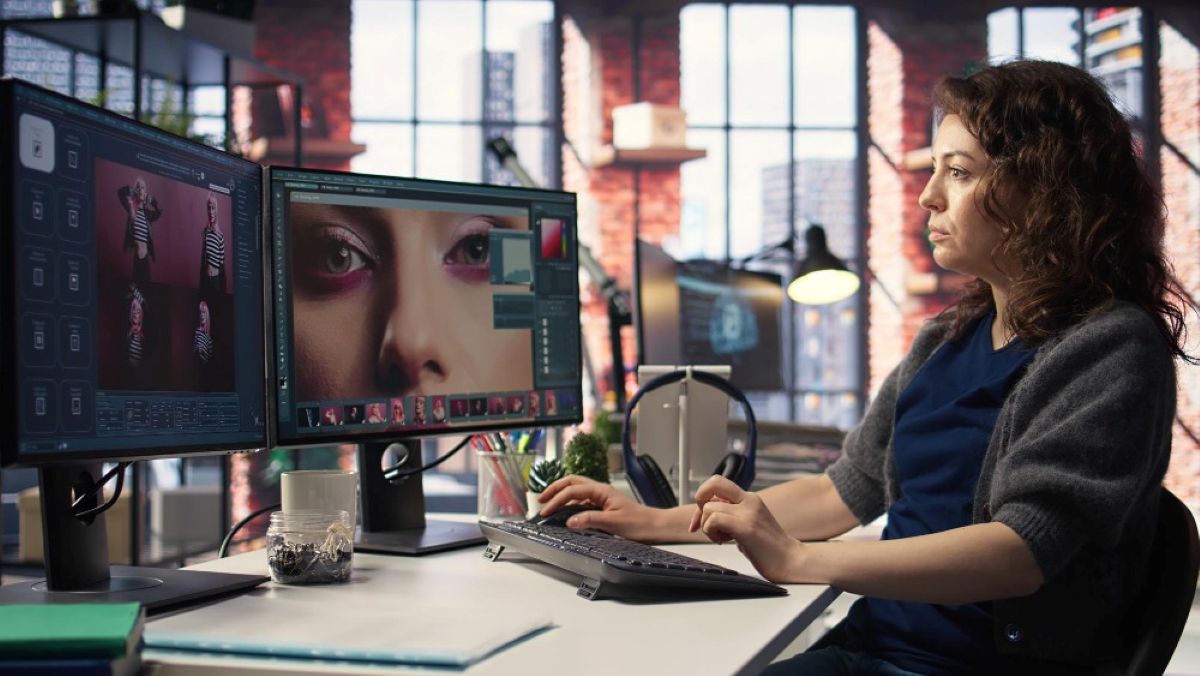
The workplace of 2026 isn’t witnessing an era of completely eliminating the AI models, but rather a dramatic restructuring where humans are moving from 'doers' to ‘orchestrators.’ In this modern economy, with a huge rise in AI, only those professionals can sustain who can design workflows, set the parameters for the agents, interpret the nuanced data and apply the final layer of ethical context. So, the human expert is back to perform the indispensable oversight that no algorithm can replicate.