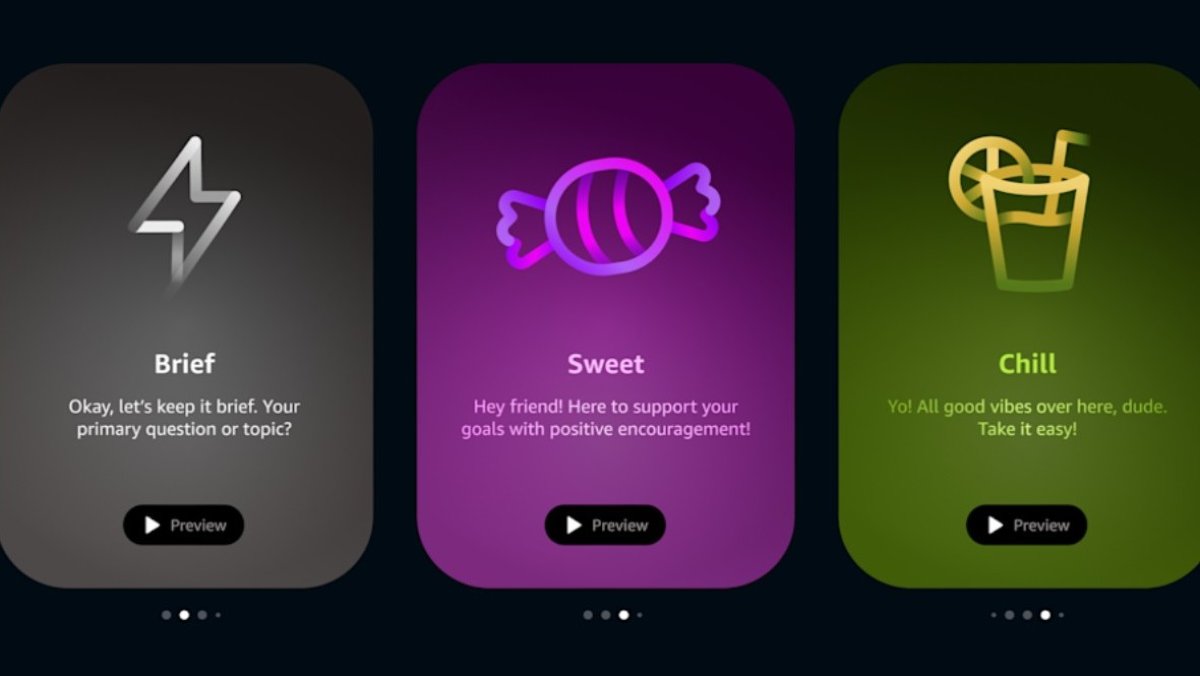
Given the present scenario of AI, it is reshaping how organization builds and operates, bringing automation and intelligence into core workflows. Business teams use AI to offload repetitive tasks, extract insights from large datasets and provide faster and more reliable decisions. These capabilities are becoming fundamental to how modern businesses scale and compete.
Areas Affected By AI
AI in business has turned out to be most effective when applied to clear problems. It depends upon an organization to identify areas within the business that would benefit most from AI integration.
Looking at workflows across common business functions such as finance, HR, customer service, business development and supply chain, allows you to pinpoint where AI can streamline processes, support business decisions and provide a deeper understanding of processes as well as opportunities.
The Core Business Functions Ready For AI Integration
Business functions that depend heavily on data, repetitive tasks and pattern recognition are considered ideal for AI automation and optimization. Examples include:
Customer Service: Using AI-powered chatbots and virtual assistants to handle routine inquiries, enables human employees to focus on more complex or relationship-driven interactions. Factors such as “deep learning” and “neural networks” help the systems to analyze unstructured data and user behavior to provide more accurate and personalized responses.
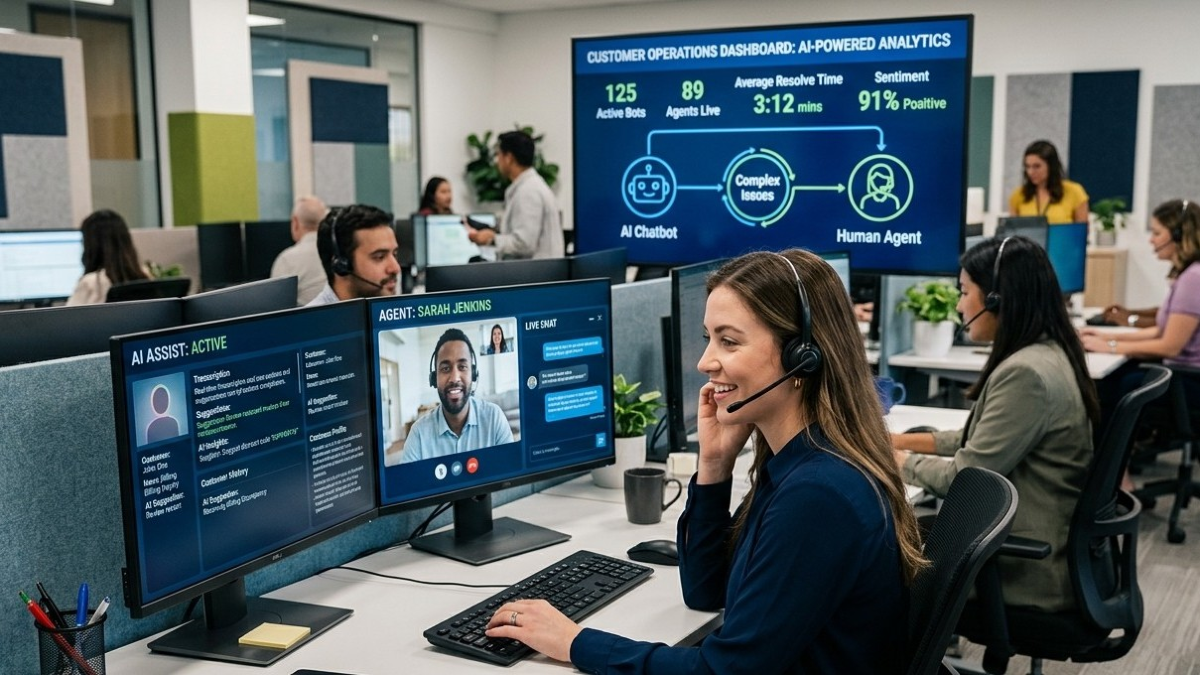
Finance: Applying intelligent automation and anomaly detection for high-frequency, rules-based activities such as invoice matching, expense tracking and risk analysis. AI can easily automate time-consuming tasks, reducing manual effort and improving accuracy.
Marketing: The AI models analyze customer data to predict buying behavior, generate personalized content and optimize campaigns in real time, helping to empower teams to deliver more targeted, effective messaging with greater efficiency.
Human Resources: Business firms now leverage AI to automate recruitment screening, analyzing employee sentiment and helping in forecasting turnover risks. With this, HR professionals can now easily focus on more strategic talent acquisition efforts.
Supply Chain & Logistics: Utilising AI-driven predictive analytics to help in optimising inventory levels and anticipate disruptions and improved delivery efficiency.
Sales: AI models can also identify high-potential leads, predict buying behavior, automate CRM updates and also generate personalized outreach and leverage real-time insights to help teams close deals more efficiently.
Manufacturing & Transportation: Properly implementing computer vision technologies for automated visual inspection and defect detection, enhancing operational efficiency and product quality.
By identifying time-intensive, high-impact areas of the business, organizations can easily launch AI initiatives that deliver quick wins and demonstrate measurable ROI and forms the groundwork for a broader transformation of the enterprise.
Key AI Tools For Business
Businesses can now implement AI applications in many different ways to solve problems, work more efficiently and produce better outcomes. Some of the key AI tools are:
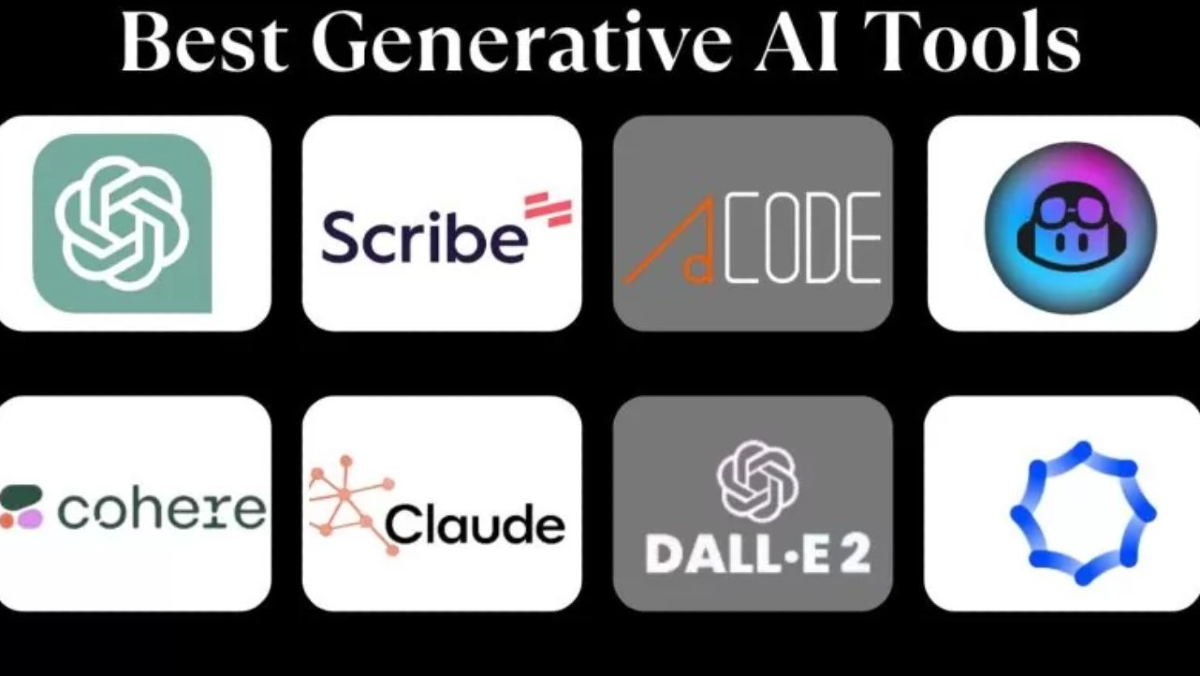
Generative AI: It allows the user to generate content, including text, images, audio, video or code. Businesses can use this AI application to brainstorm ideas, write content ranging from emails to social media posts and also generate product images or assist developers with code completion.
Natural Language Processing (NLP): Based on enabling computers to understand, interpret and generate any human language, NLP is the key for extracting insights from unstructured data such as emails, reviews and call transcripts. NLP can effectively assist the user in market research and business strategy by providing actionable insights from large datasets. Examples include: sentiment analysis for marketing or human resources, customer support chatbots, document summarization and voice assistants.
Machine Learning (ML): Machine learning is the foundational base of most AI applications, enabling systems to learn from data to improve the performance with time without the need for any explicit programming. Businesses largely use ML in fraud detection, dynamic pricing, quality control, process optimization and in recommendation engines to suggest products or content. Real-world examples often include: retailers using ML to optimize inventory and financial institutions leveraging AI for risk assessment.
Choosing the Perfect AI Solution
Now you know that there are a number of AI solutions available in the market, but there are certain criterias that need to be followed before planning to integrate them into your business. Common evaluation criteria includes:
Cost considerations: Before integrating AI with your business, evaluate the upfront investment, subscription or licensing fees and any hidden costs associated with your implementation, customisation or long-term maintenance.
Measurable ROI: Clearly define the performance goals, establish success metrics and estimate the expected timeline for achieving a return on the AI investment.
Integration effort: It is important to determine which AI solution will perfectly integrate with the existing systems and understand technical requirements and IT resources required to support integration.
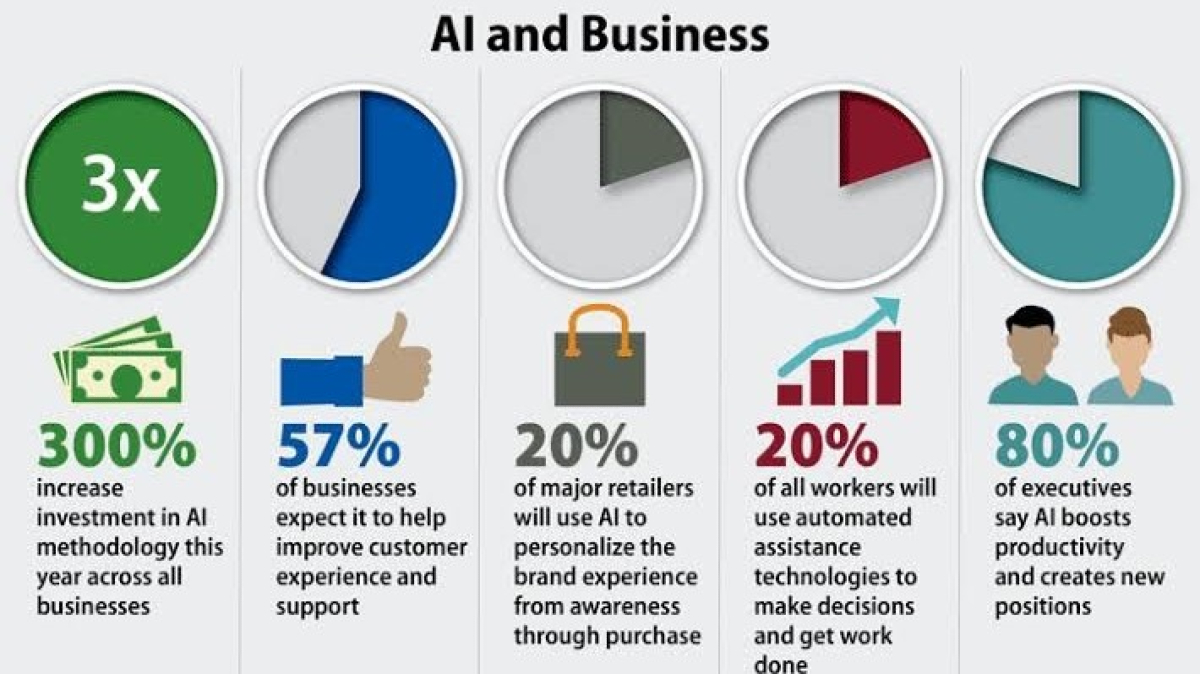
Scalability: Make sure that the AI solution chosen can expand with your business, handle increasing data volumes and maintain strong performance as operations grow.
User-friendliness: Assess how intuitive the platform is to use, how much training teams will need and what kind of level of ongoing support and documentation is available.
Vendor Credibility: Review the provider's reputation, track record, quality of customer support and frequency of updates to correctly evaluate long-term partnership potential. You should pay special attention to the vendor’s security and privacy practices, especially data breaches that can erode confidence in your company.
Security & Threat Response: Evaluate the AI solution’s ability to detect cyber threats and respond to external and internal threats in a timely manner, safeguarding your business and reinforcing customer trust.