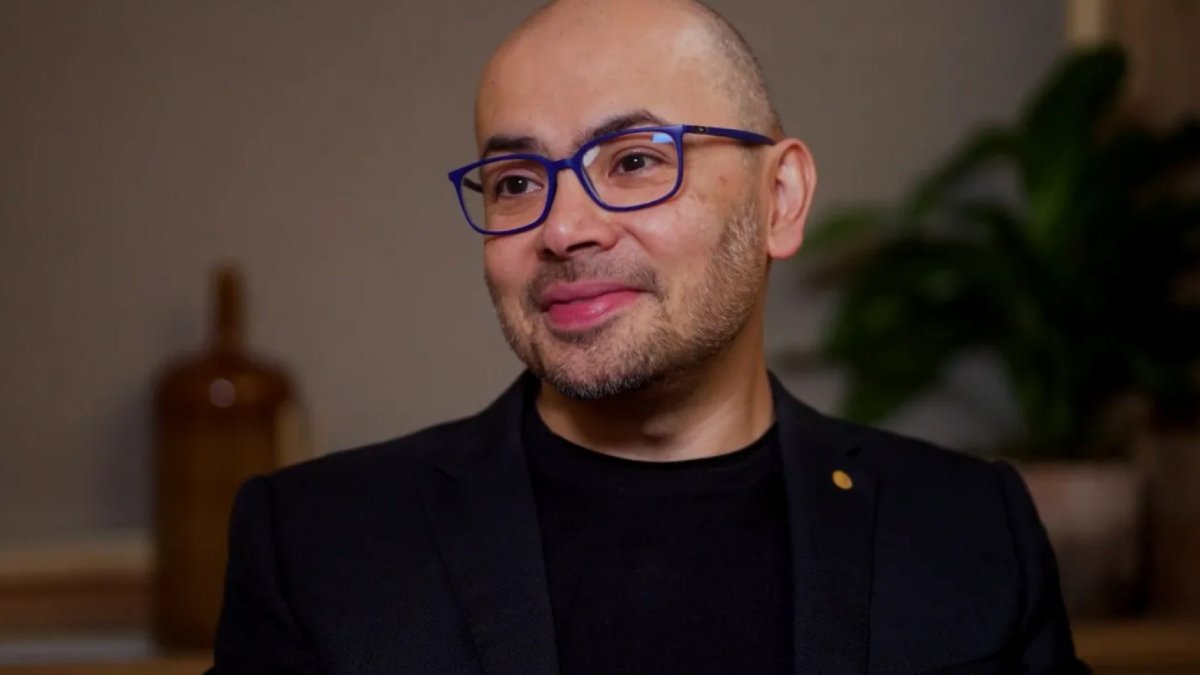
Reaching the rank of chess master by the age of 13, Hassabis developed a cognitive foundation rooted in high-stakes strategy and long-term planning that would later define his approach to artificial intelligence.

By applying the logic of competitive gaming to computational power, he has fostered a unique philosophy at DeepMind; the belief that mastering the world’s most complex games is the essential precursor to solving the most intricate challenges of the physical world.
Also Read: From Amazon To Blue Origin: What's Next For Jeff Bezos?
The Intersection Of Gaming And Neuroscience
Following a successful career in the video game industry, where he helped in developing titles like "Theme Park," Hassabis moved forward to pursue a PhD in cognitive neuroscience to decode the biological blueprints of human intelligence.
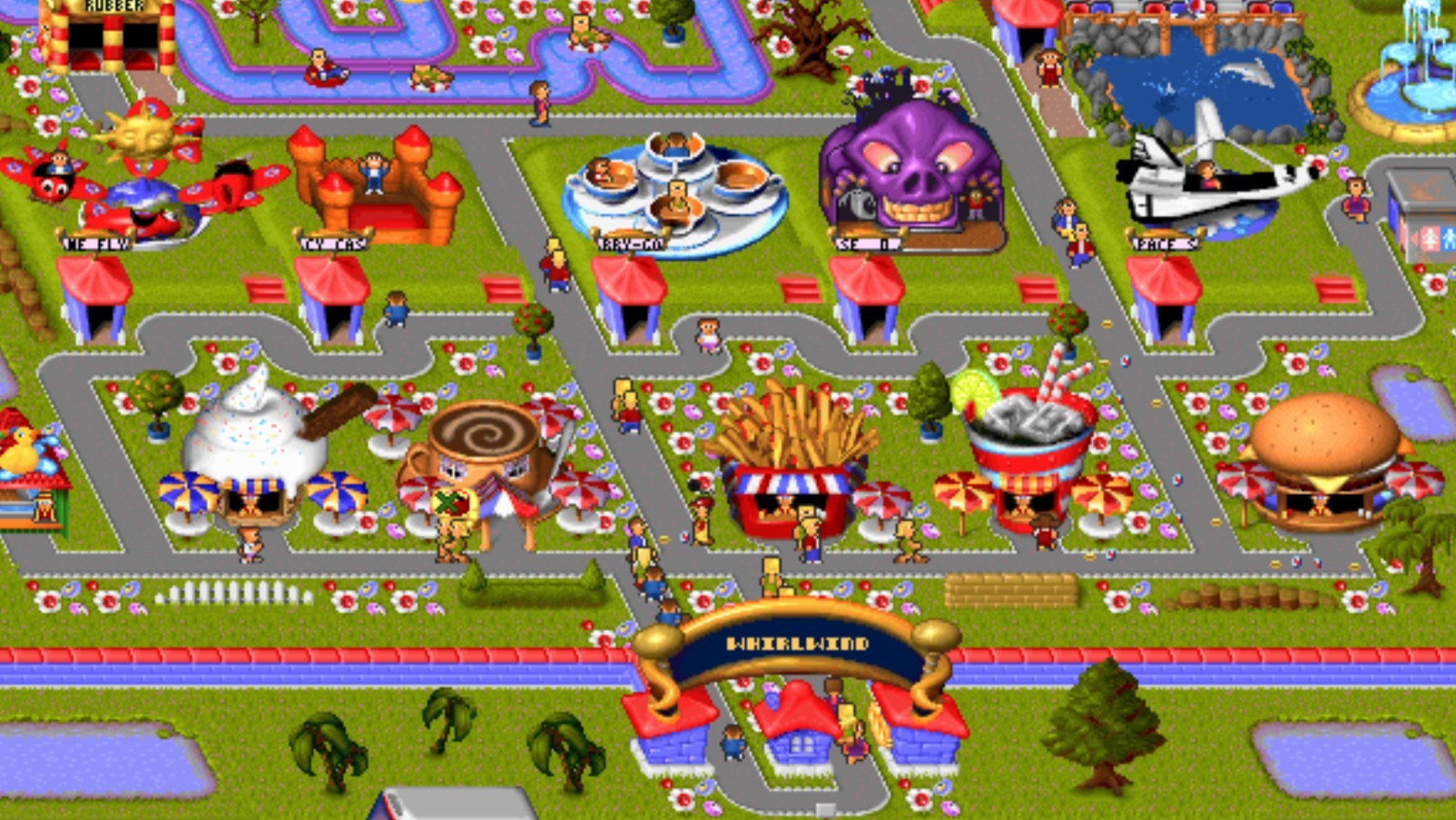
This academic transition made it easier for him to bridge the gap between algorithmic logic and human-like intuition, leading to the 2010 founding of DeepMind and the development of reinforcement learning systems.
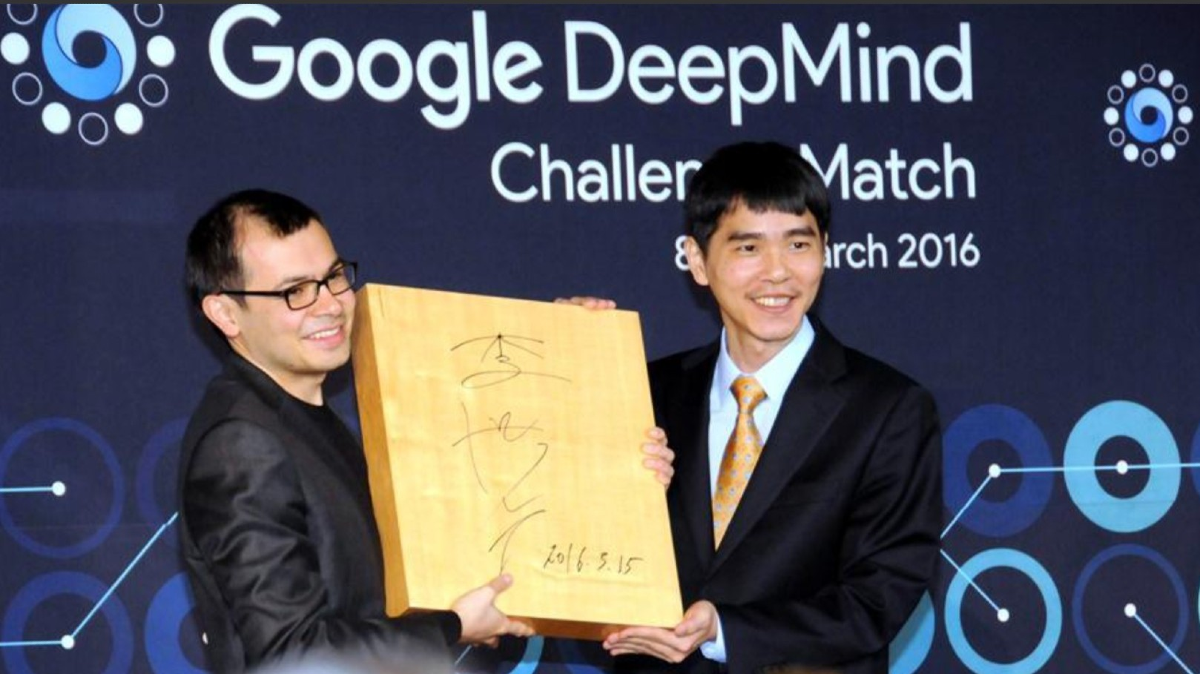
Shortly after, in 2016, the world witnessed the fruit of this research, when AlphaGo defeated world champion Lee Sedol, proving that AI could not only mimic human trial-and-error learning but eventually surpass humanistic performance in tasks requiring deep intuition.
Also Read: What Is Google Lyria 3 Pro? Features, Uses And More
Solving The Challenges Of Science
Presently, Demis Hassabis has transitioned from the chessboard to the laboratory, utilising AI as a ‘force multiplier,’ for scientific discovery through breakthroughs like AlphaFold.
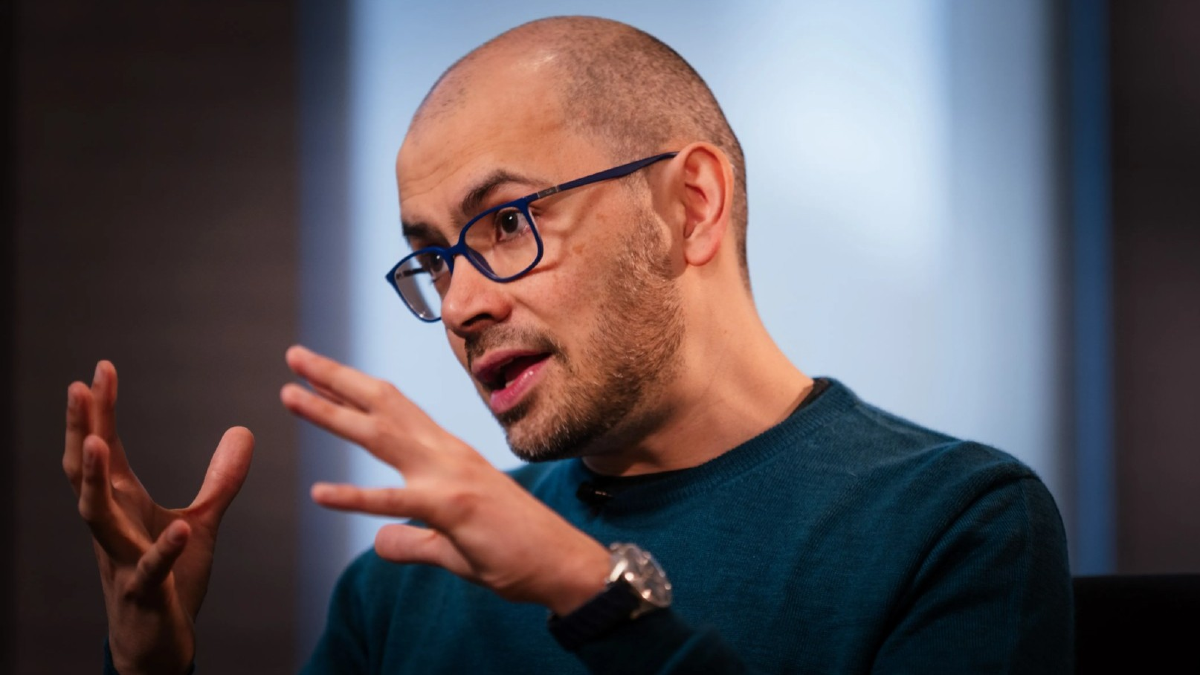
As he leads the next generation of development within DeepMind, his entire focus remains on the ethical pursuit of "artificial general intelligence," ensuring that the strategic brilliance once used for games is now directed towards the greatest benefits for humanity.
Comments (0)
Log in to share your thoughts
No comments yet
Be the first to share your thoughts!