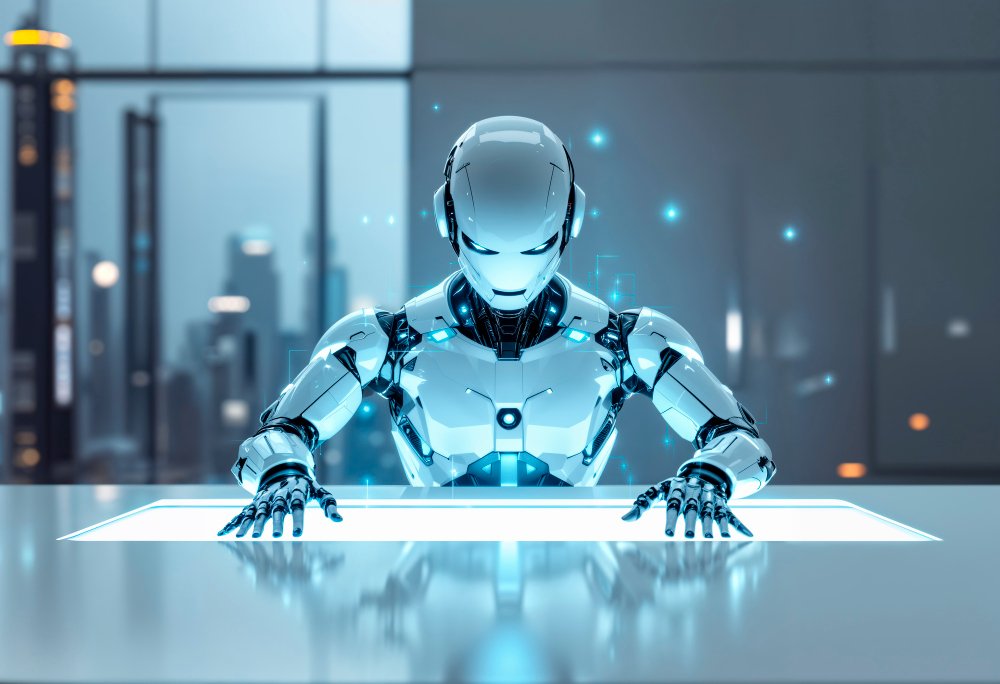
In this modern era of AI, systems are often capable of autonomous reasoning, taking over clerical and basic data processing jobs, which were previously considered to be entry-level tasks.
However, this shift is creating a “mid-level” entry point, where graduates are expected to provide human oversight and ethical judgement on AI-generated workflows from their very first day.
The 2026 Power Skills
In this present time where AI is quite capable of handling the heavy workload of coding and drafting, the “human premium” now rests on emotional intelligence and critical thinking. Fresh graduates must focus on mastering the art of “Prompt Engineering” to direct autonomous agents effectively while acting as the ethical compass to ensure AI outputs are unbiased. Furthermore, mastering asynchronous collaboration across hybrid platforms is no longer a perk but a baseline requirement for navigating the globalized, digital-first workforce of 2026.
In-Demand Job Roles

While tech itself remains a powerhouse, 2026 has seen a surge in “AI-augmented” roles within green energy, healthcare and digital safety. AI Engineers and Data Curators are very much in demand by various industries. The roles ranging from Health Data Analysts to Security Architects, the most successful and in-demand career roles are actually those that combine specialized human knowledge with advanced technological fluency.
Strategies For a Future-Proof Career

To become a successful professional in the 2026 workforce, you need to shift your learning motive from “learning to work” to “learning to learn,” as the half-life of technical skills continues to drop. Graduates should prioritize building a digital portfolio that properly demonstrates their ability to pilot AI-driven projects rather than relying solely on a static resume. By giving a full focus on roles requiring empathy, strategic negotiation and creative innovation, the young graduates of 2026 can lead these powerful systems rather than being replaced by them.