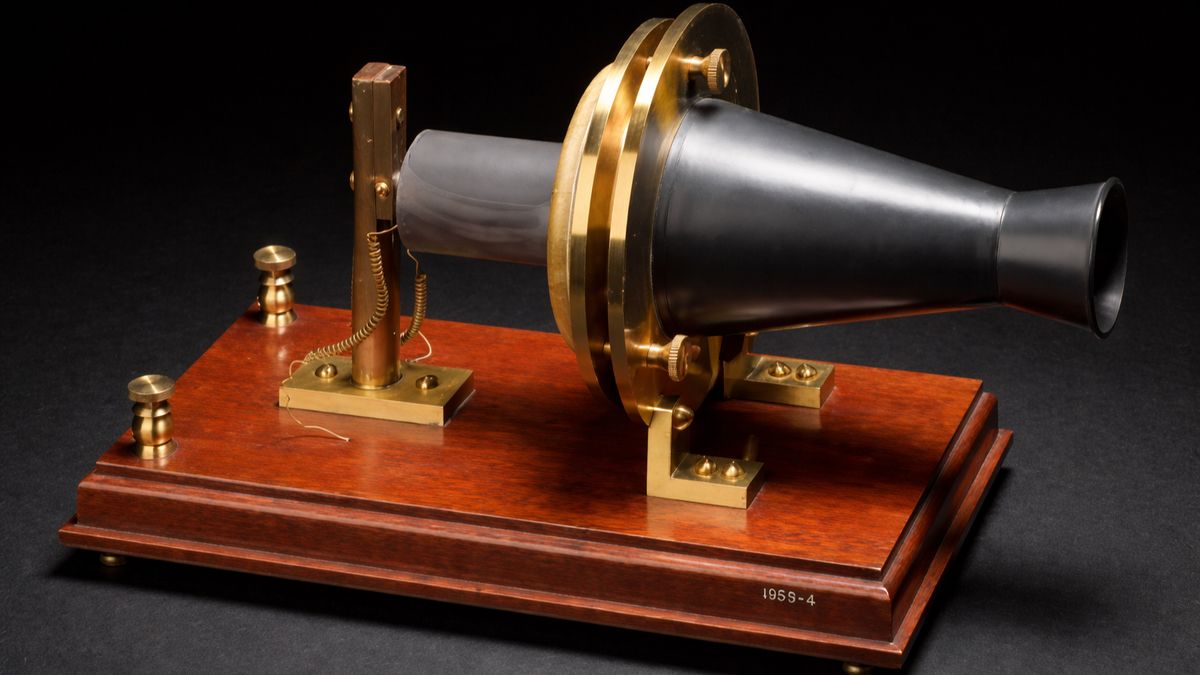
Imagine a world where sending a message to someone far away could take days or even weeks. Before the telephone was invented, this was the reality. People communicated mainly through letters, telegraphs, or face-to-face conversations. Everything changed on March 10, 1876, when a small experiment in a laboratory turned into one of the most important moments in the history of communication. On that day, an inventor named Alexander Graham Bell spoke nine simple words that changed the world forever. The famous words were “Mr. Watson, come here. I want to see you.” They were heard clearly by his assistant, Thomas A. Watson, who was in another room. This moment became the first successful telephone call in history, proving that the human voice could travel through electrical wires.
Also Read: Did You Know What the First Smartphone Ever Was?
Communication Before the Telephone
Before the telephone existed, long-distance communication was slow and limited. People mainly depended on written letters delivered by messengers or postal services. If someone wanted to send a message to another city or country, it could take many days or even months for the message to arrive. During the nineteenth century, the invention of the telegraph improved communication speed because messages could be sent through electrical wires almost instantly. However, the telegraph used Morse code, a system of dots and dashes representing letters and numbers. Messages had to be translated by trained operators, and people still could not hear each other's voices. Because of these limitations, inventors around the world began searching for a way to transmit human speech directly through wires.
The Man Behind the Invention
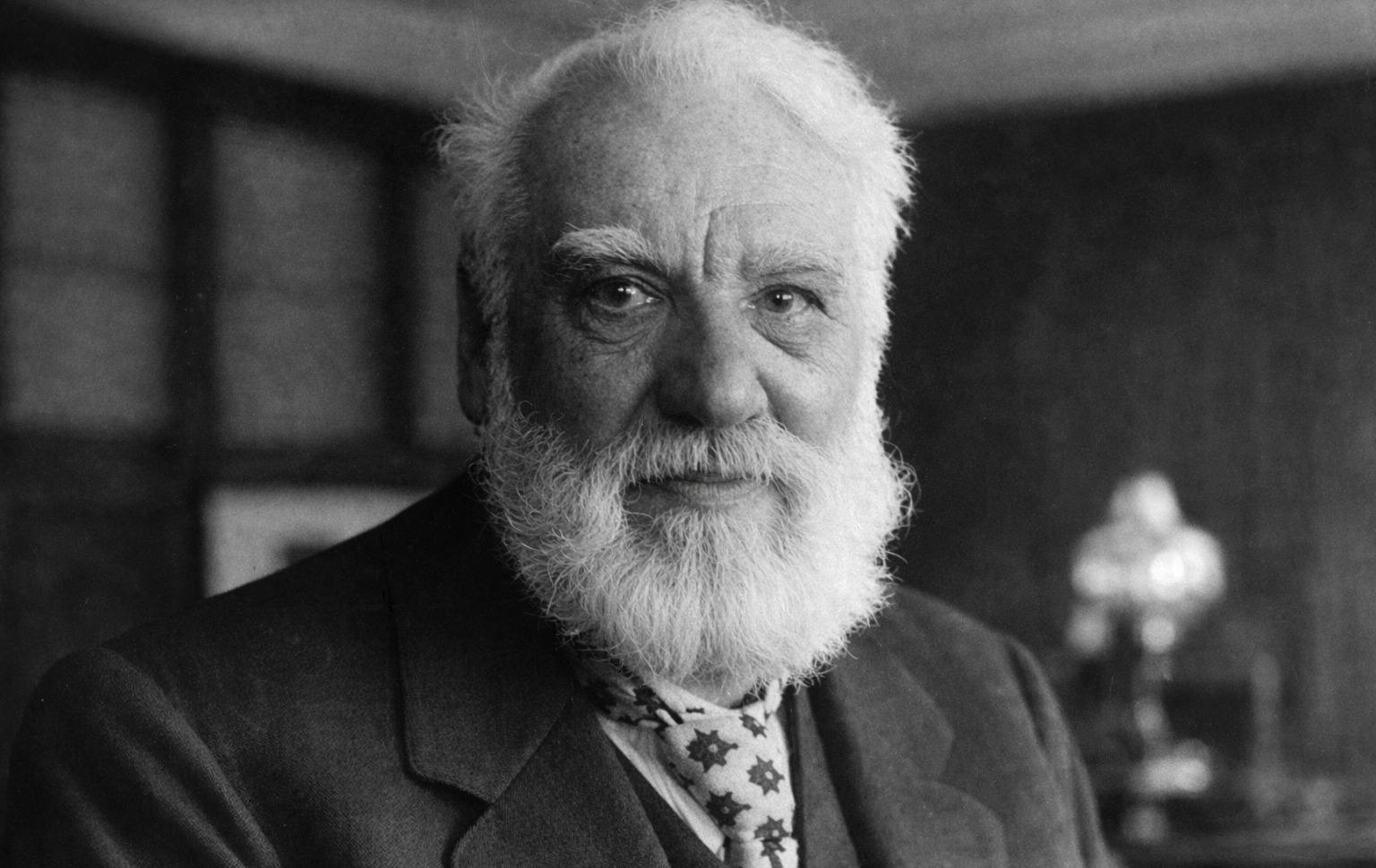
Alexander Graham Bell was born on March 3, 1847, in Edinburgh, Scotland, and he developed a deep interest in sound and speech from an early age. His mother was deaf, which inspired him to study how sound works and how speech can be understood by people who cannot hear. Bell later moved to Canada and then to the United States, where he worked as a teacher for people who were deaf. While studying sound and communication, he began experimenting with electrical devices that could carry sound vibrations through wires. His goal was to invent a device that could send the human voice electrically, rather than sending coded signals like the telegraph.
The Race to Invent the Telephone
Bell was not the only person trying to invent a telephone. Other inventors, such as Antonio Meucci, Johann Philipp Reis, and Elisha Gray, had also experimented with devices designed to transmit sound through wires. Although these inventors made important discoveries, their devices could not clearly transmit understandable speech. A major breakthrough came when Bell filed a patent application for his telephone design on February 14, 1876. Only a few weeks later, on March 7, 1876, the United States Patent Office granted him Patent No. 174,465, officially recognizing his invention of the telephone. Just three days later, Bell successfully demonstrated the invention during a historic experiment.
March 10, 1876: A Moment That Changed the World
The first successful telephone call took place on March 10, 1876, in Bell’s laboratory in Boston, Massachusetts. Bell and his assistant, Thomas A. Watson, were testing an early version of the telephone. Bell was working with the transmitting device in one room while Watson waited in another room with the receiver. The two rooms were connected by wires carrying electrical signals. During the experiment, Bell accidentally spilled acid used in the equipment. Wanting help, he spoke into the transmitter and said, “Mr. Watson, come here. I want to see you.” Watson heard the words clearly through the receiver and immediately came into the room. For the first time in history, a human voice had successfully traveled through an electrical wire and been heard in another location.
How the Early Telephone Worked
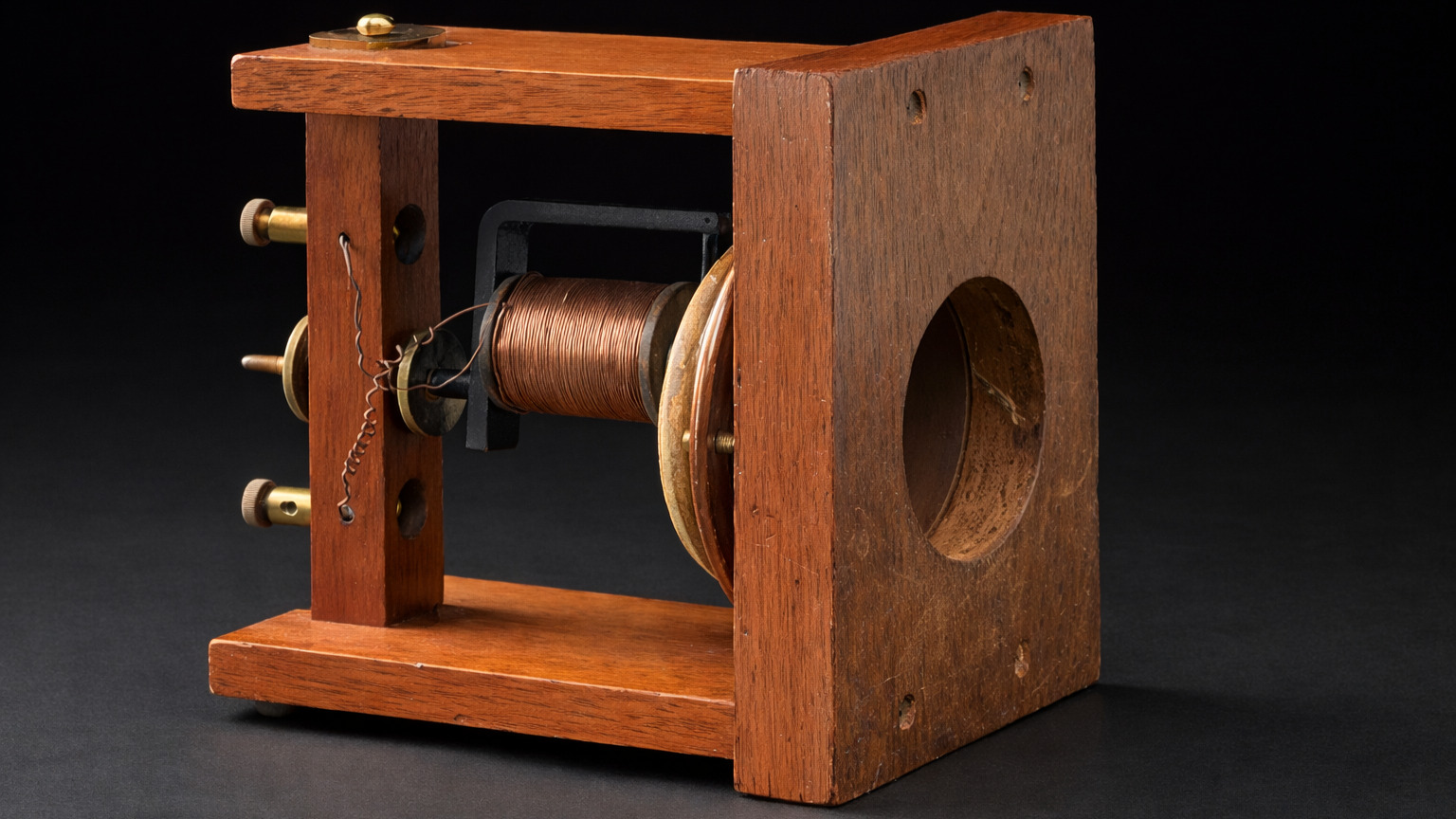
The early telephone worked using a simple but brilliant scientific idea. When someone spoke into the transmitter, their voice caused a thin diaphragm inside the device to vibrate. These vibrations changed the electrical current flowing through the wire. The electrical signals then traveled through the wire to the receiver. Inside the receiver, another diaphragm vibrated in the same pattern, reproducing the original sound waves. This allowed the listener to hear the speaker’s voice. Although the sound quality of early telephones was weak and sometimes unclear, the experiment proved that voice communication through wires was possible.
The World Begins to Notice
After the success of the first telephone call, Bell began demonstrating his invention to scientists and the public. In May 1876, he demonstrated the telephone at a meeting of the American Academy of Arts and Sciences in Boston. Later that year, in June 1876, Bell presented the telephone at the Centennial Exposition in Philadelphia, a large international exhibition celebrating the 100th anniversary of the United States. Visitors were amazed when they heard voices transmitted through wires for the first time.
Building a Communication Revolution
Bell and Watson continued improving the telephone after their successful experiment. In August 1876, Bell tested the telephone over several miles using telegraph lines, showing that long-distance communication was possible. On October 9, 1876, Bell and Watson successfully held the first two-way telephone conversation over outdoor wires between Boston and Cambridge, about 2.5 miles apart. In 1877, Bell’s supporters established the Bell Telephone Company, which began building telephone networks and producing telephone equipment. This company later became one of the most influential telecommunications organizations in history.
Also Read: The Fascinating Story Behind the Name “Bluetooth”
Why These Nine Words Changed the World
The sentence “Mr. Watson, come here. I want to see you” was simply a request for help during an experiment. However, these nine words proved something revolutionary: the human voice could travel through electrical wires and be heard far away. This discovery transformed communication and led to the creation of telephone networks, international communication systems, and eventually the development of mobile phones, smartphones, and internet-based communication technologies used today.
Comments (0)
Log in to share your thoughts
No comments yet
Be the first to share your thoughts!