Today, Bluetooth is everywhere in our daily lives. It connects our smartphones to headphones, links wireless speakers to laptops, and allows smartwatches, keyboards, and many other devices to communicate without cables. Because of this technology, devices can exchange information easily and quickly. Billions of devices around the world rely on Bluetooth every day. However, many people often wonder why this wireless technology has such an unusual name. The story behind Bluetooth is surprisingly interesting. Instead of coming from science or engineering, the name comes from a Viking king who lived more than a thousand years ago. The origin of the name combines technology, history, and creativity.
A Viking King Who Inspired Modern Technology
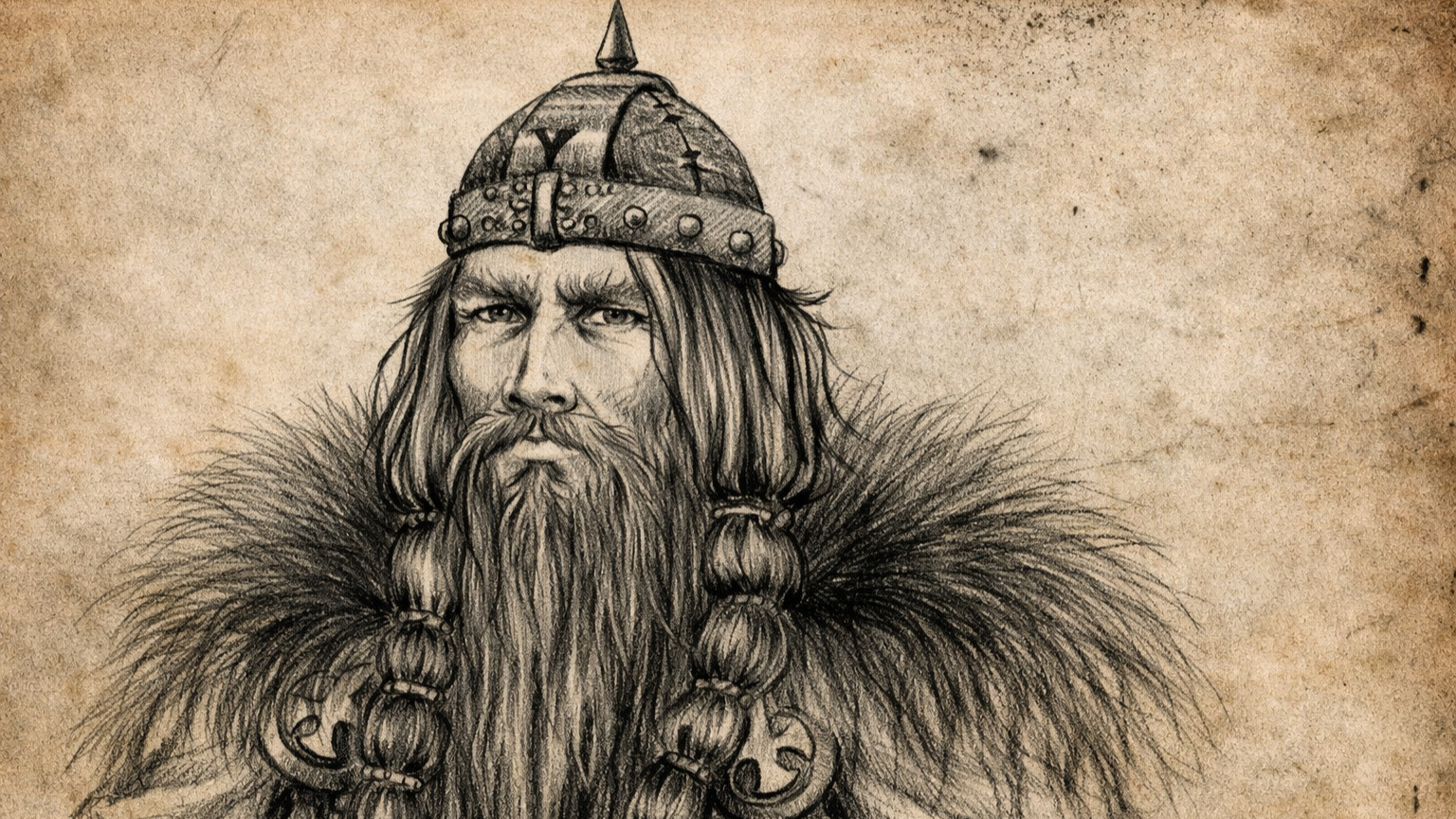
The name Bluetooth comes from King Harald “Bluetooth” Gormsson, a Viking ruler who lived during the 10th century. He ruled Denmark and became known for uniting different parts of Scandinavia. Around the year 958, Harald Bluetooth succeeded in bringing together Denmark and Norway under his rule. This was an important achievement because many small groups and tribes existed in the region at that time. By uniting them, Harald created stronger political and cultural connections between the regions. Interestingly, Harald received the nickname “Bluetooth” because he reportedly had a dark blue-grey tooth. Although the nickname may sound unusual today, it became a well-known part of his identity in history. Because Harald Bluetooth united different regions and people, he later became a symbol of connection and unity, and this idea eventually inspired the name of modern wireless technology centuries later.
Also Read: How Scientists Uploaded a Fruit Fly Brain to a Digital Body
The Beginning of a Wireless Revolution
Nearly a thousand years later, during the 1990s, engineers were working to create a new way for electronic devices to communicate wirelessly over short distances. At that time, technology companies wanted a standard system that could connect computers, mobile phones, and other electronic devices without using cables. The goal was to make communication between devices easier, faster, and more convenient. In 1996, three major technology companies, Intel, Ericsson, and Nokia, met to discuss how they could create a universal wireless standard. Their aim was to develop a system that would allow devices from different companies and industries to work together smoothly. To coordinate the project and discussions, the engineers needed a temporary name for the technology they were developing.
The Creative Idea Behind the Name
During these discussions, Jim Kardach, an engineer from Intel, suggested the name Bluetooth as a temporary code name for the project. Kardach chose this name because he saw a clear similarity between the Viking king and the technology they were developing. Just as King Harald Bluetooth united different regions of Scandinavia, the new wireless technology would connect devices from different industries, especially the personal computer industry and the mobile phone industry. The comparison was simple but powerful. Harald Bluetooth united the kingdoms, while Bluetooth technology would unite devices. At that time, nobody expected the name to become permanent. It was only meant to be used during development until a more official marketing name could be created.
Why the Name Stayed
Later, the companies involved in the project tried to replace the name Bluetooth with something more formal. Two alternative names were considered: RadioWire and PAN (Personal Area Networking). However, these options created problems. The name PAN has already appeared many times on the internet, which made it difficult to use as a new brand name. At the same time, the trademark approval process for RadioWire could not be completed before the technology was ready to launch. Because the project needed a name quickly, the temporary code name Bluetooth remained in use. By that time, many people in the technology industry had already started referring to the technology by that name. What started as a simple placeholder eventually became one of the most recognized technology names in the world.
Also Read: Did You Know What the First Smartphone Ever Was?
The Meaning Hidden in the Bluetooth Logo
The connection to King Harald Bluetooth does not end with the name. It is also reflected in the Bluetooth logo. The logo is created by combining two ancient Scandinavian runic letters from the Younger Futhark alphabet. These letters represent the initials of Harald Bluetooth. One rune represents the letter H for Harald, and the other rune represents the letter B for Bluetooth. When these two symbols are merged together, they form the familiar Bluetooth symbol that appears on phones, laptops, headphones, and many other electronic devices today. In this way, the logo itself quietly carries a small but meaningful piece of Viking history.
A Name That Connects the Past and the Future
The story of Bluetooth shows how inspiration can come from unexpected places. A technology that connects billions of modern devices was named after a Viking king who lived more than a thousand years ago. Just as Harald Bluetooth brought different people and regions together, Bluetooth technology brings together different devices, industries, and technologies. It allows them to communicate and share information easily. Today, Bluetooth continues to grow and evolve, connecting everything from smartphones and speakers to cars and smart home devices. Behind this advanced technology lies a fascinating historical story that reminds us that innovation sometimes begins with a creative idea and a touch of history.
Comments (0)
Log in to share your thoughts
No comments yet
Be the first to share your thoughts!