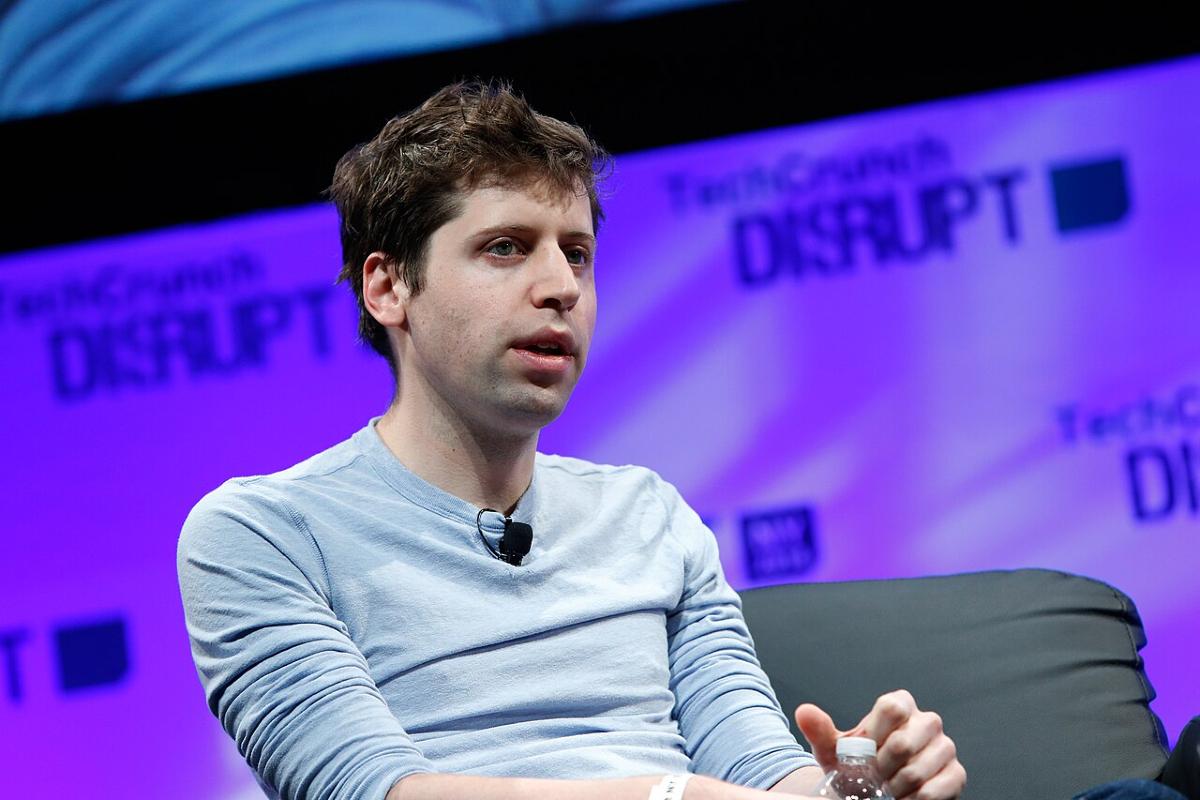
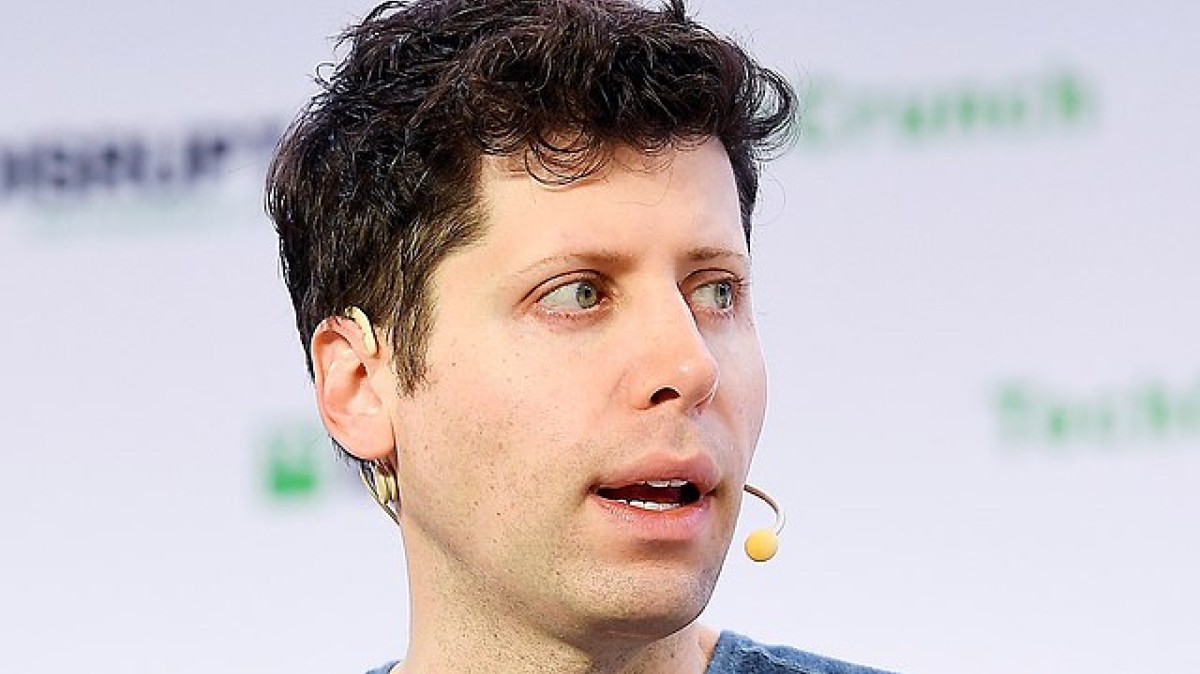
Above: Sam Altman, Open AI CEO. Image by Techcrunch from Wikimedia Commons.
From Task Managers To Problem Solvers
Traditional AI was not much capable of executing the decisions on their own, so a human had to be always on the loop. However, the agentic AI is now capable enough to handle the “how” so that the humans can focus fully on the “why.”
Agentic AI can independently handle administrative workflows such as managing calendars or reconciling complex expenditure lists’. With this, humans can now totally engage in high level strategic thinking.
Massive Boost In Personal Productivity
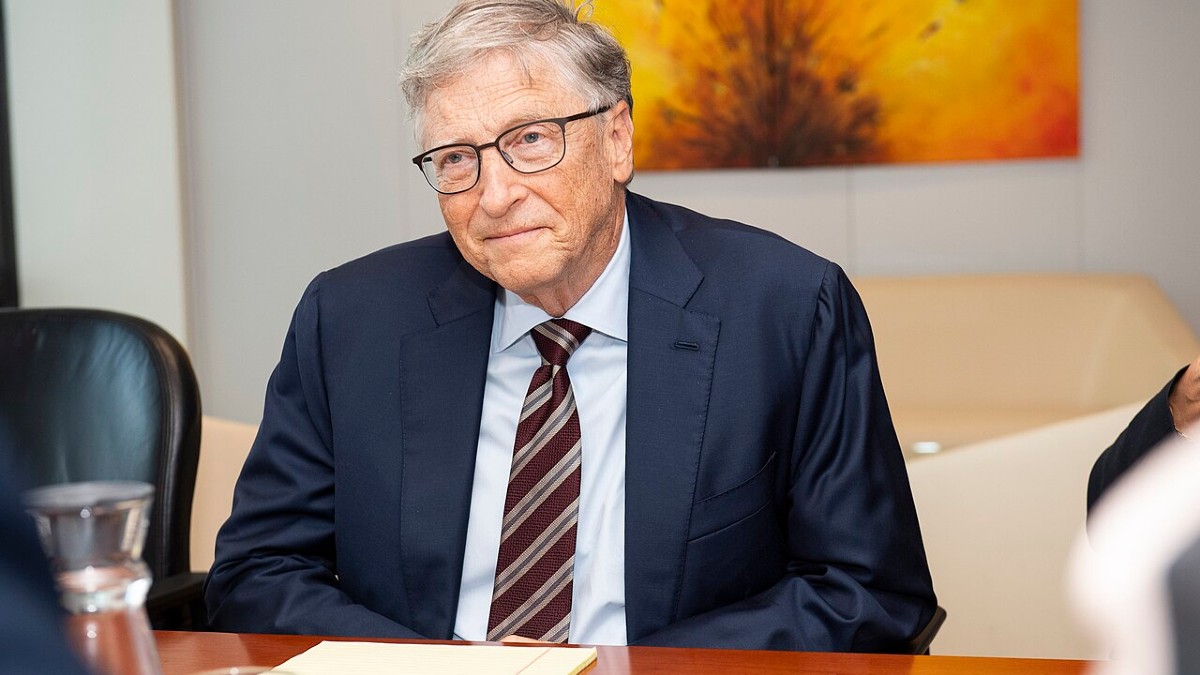
Think of a digital partner that not only suggests a recipe but also checks your smart fridge and orders the ingredients that are missing for the food to be cooked. One of the greatest personality in the industry has predicted the vision of “agents” as the next great revolution in computing:
“Agents are smarter. They are proactive, capable of making suggestions before you ask for them. They will transform the software industry, bringing about the biggest revolution since we went from typing commands to tapping on icons.”- Bill Gates
Agentic AI is smart enough to understand your long-term goals. For instance, if you give a prompt to it “Plan a business trip,” it will not only book your flight that fits your loyalty program but also give you a list of hotels near your meeting venue, saving you time in giving further prompts.
The Liberation Of The Human Spirit
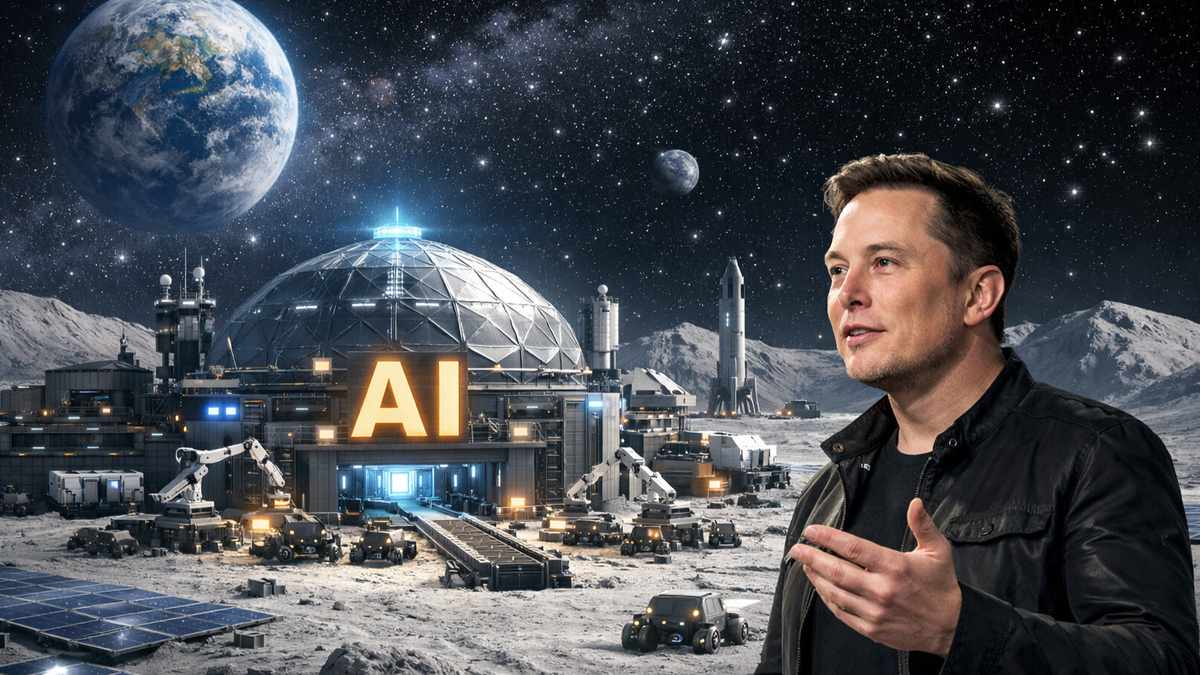
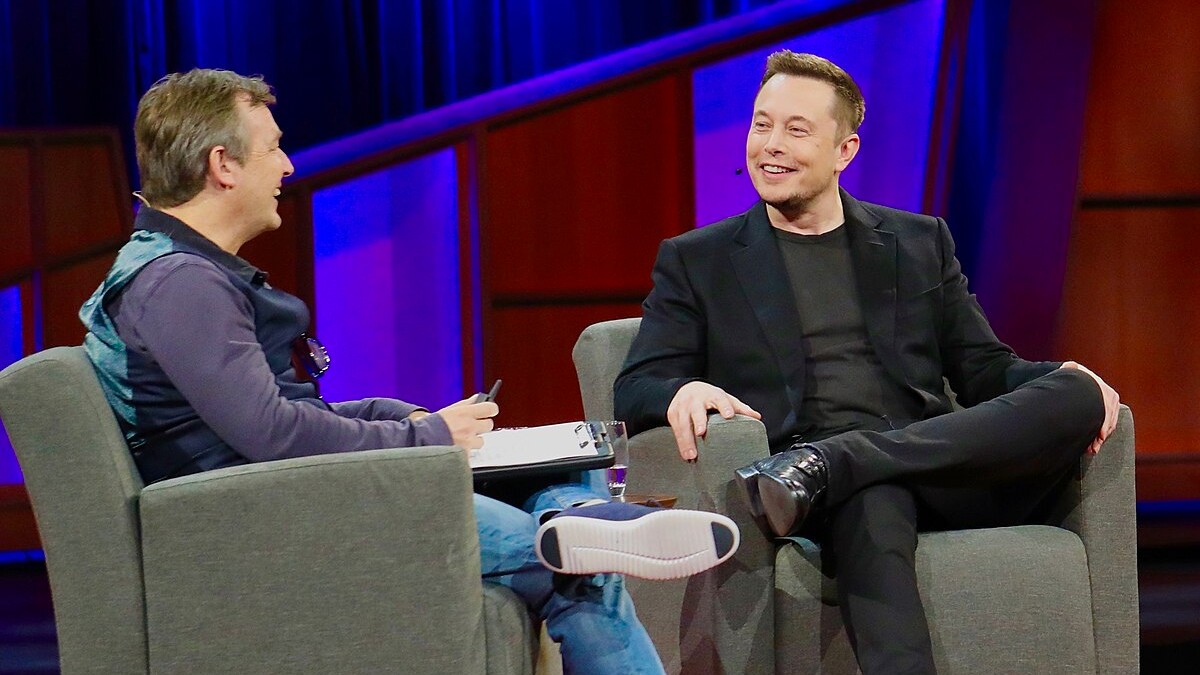
The most radical prediction comes from Elon Musk, who views the independent working style of AI agents as a way to liberation from the human grind. He envisioned a future where humans will see work as a choice rather than a necessity.
“In the future, working will be optional for us. If you want to do a job because you find it fulfilling, you can, but the AI and robots will provide you with all the goods and services you want. Working for humans will be like a hobby.”- Elon Musk.
He further argues that this efficiency of AI agents will result in “universal high income,” where the cost of goods and services will drastically reduce because the so-called agents will be handling the complex logistics of production and delivery.
Elevating Humans to “Directors” of Technology
Open AI CEO Sam Altman suggests that as AI becomes agentic, the nature of human work will move to a “higher level of abstraction.” Instead of completing the tasks by ourselves, we will form a group of digital workers who will finish the task for us.
“I think everyone's job will look a little bit more like a CEO. We will all operate at a little bit higher of a level of abstraction. We will all have access to a lot more capability.”- Sam Altman.
Solving “Unsolvable” Global Challenges
By becoming and acting as an autonomous research partner, agentic AI can run thousands of simulations while we are asleep, driving us closer to breakthroughs in clean energy and medicine that were once thought to be decades away.
In The Coming Years
The “agentic” working style is not about replacing humans; it is more about “human augmentation.” By taking control of the execution of complex, repetitive logic, agentic AI gives us the liberation to return to what we do best: being inquisitive, creative and empathetic. As technology advances, we can enter into the world, where the “burden of work” may finally progress into the “joy of creation.”