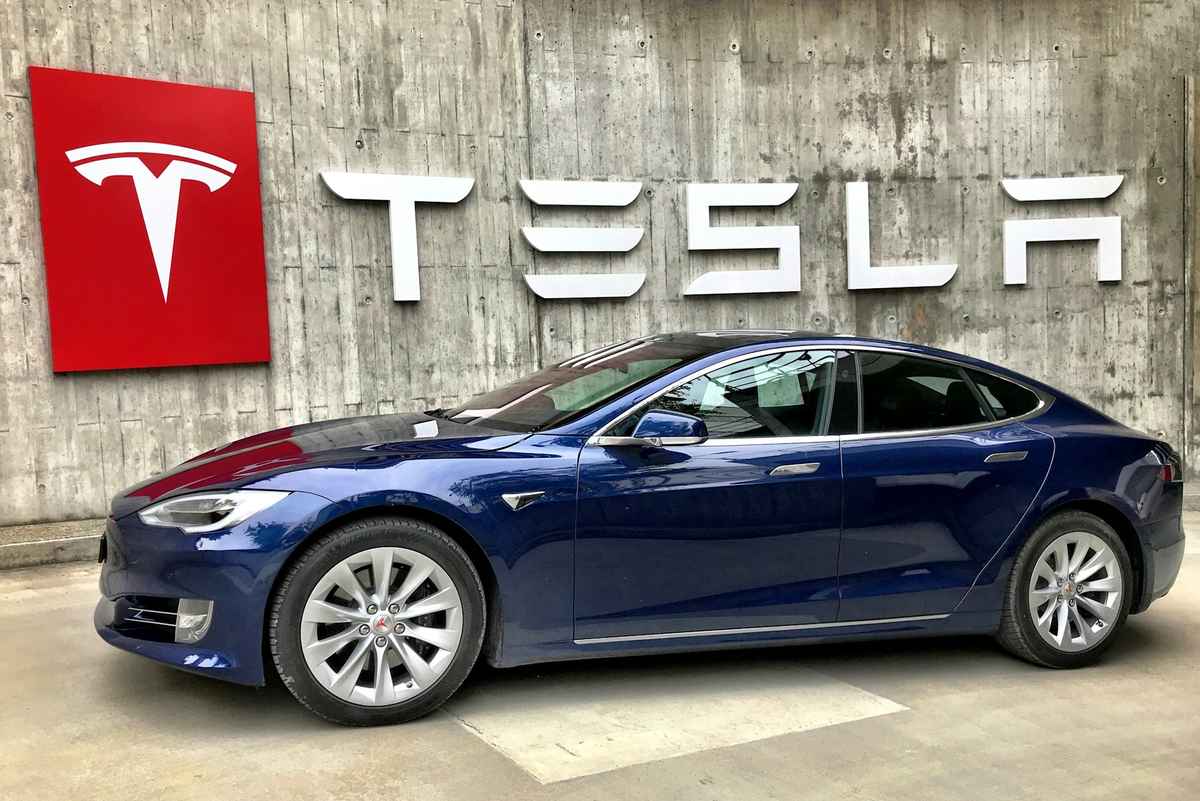
Tesla has announced that it will end production of the Model S and Model X as part of a major strategic shift toward artificial intelligence, humanoid robots, and self-driving technology. The announcement was made on January 28, 2026, during the company’s fourth-quarter and full-year earnings call.
Decision Confirmed by Elon Musk
During the earnings call, Elon Musk, CEO of Tesla, confirmed that production of the Tesla Model S and Tesla Model X will be phased out in 2026, with final production expected to end by the second quarter of 2026. Musk stated that the two models are being retired to free up factory capacity and resources for Tesla’s next phase of growth.
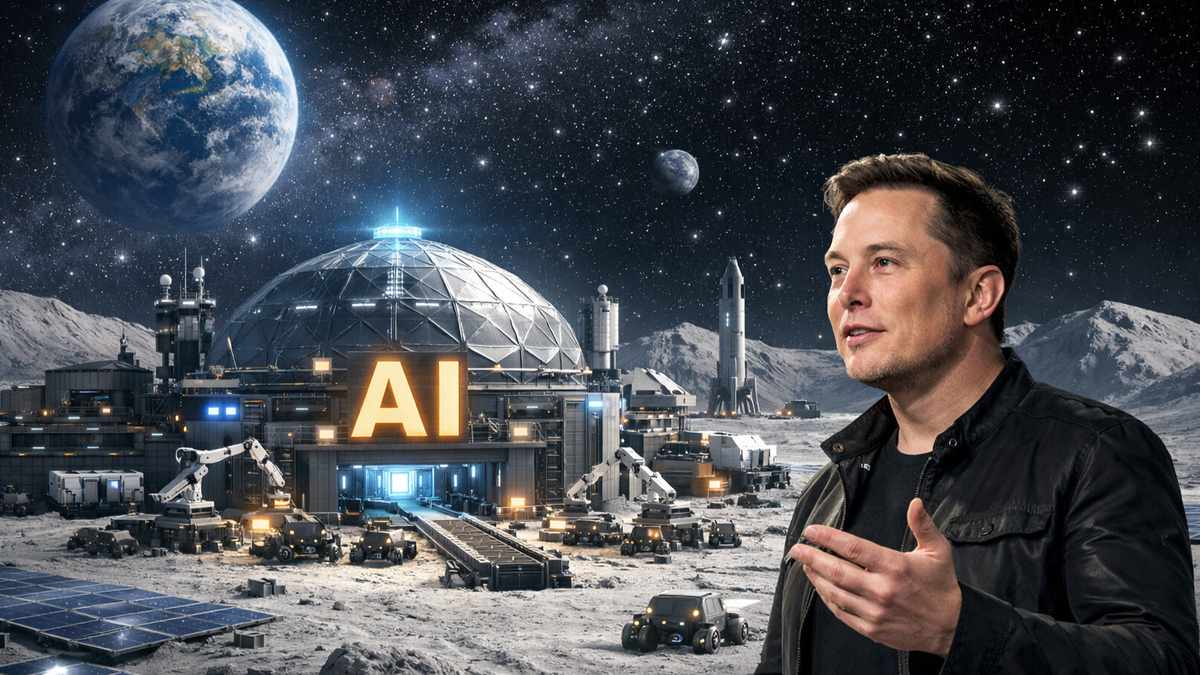
He described the move as an “honorable retirement” for the vehicles and said Tesla is transitioning from being primarily a car manufacturer to becoming an AI- and robotics-focused technology company.
Background of Model S and Model X
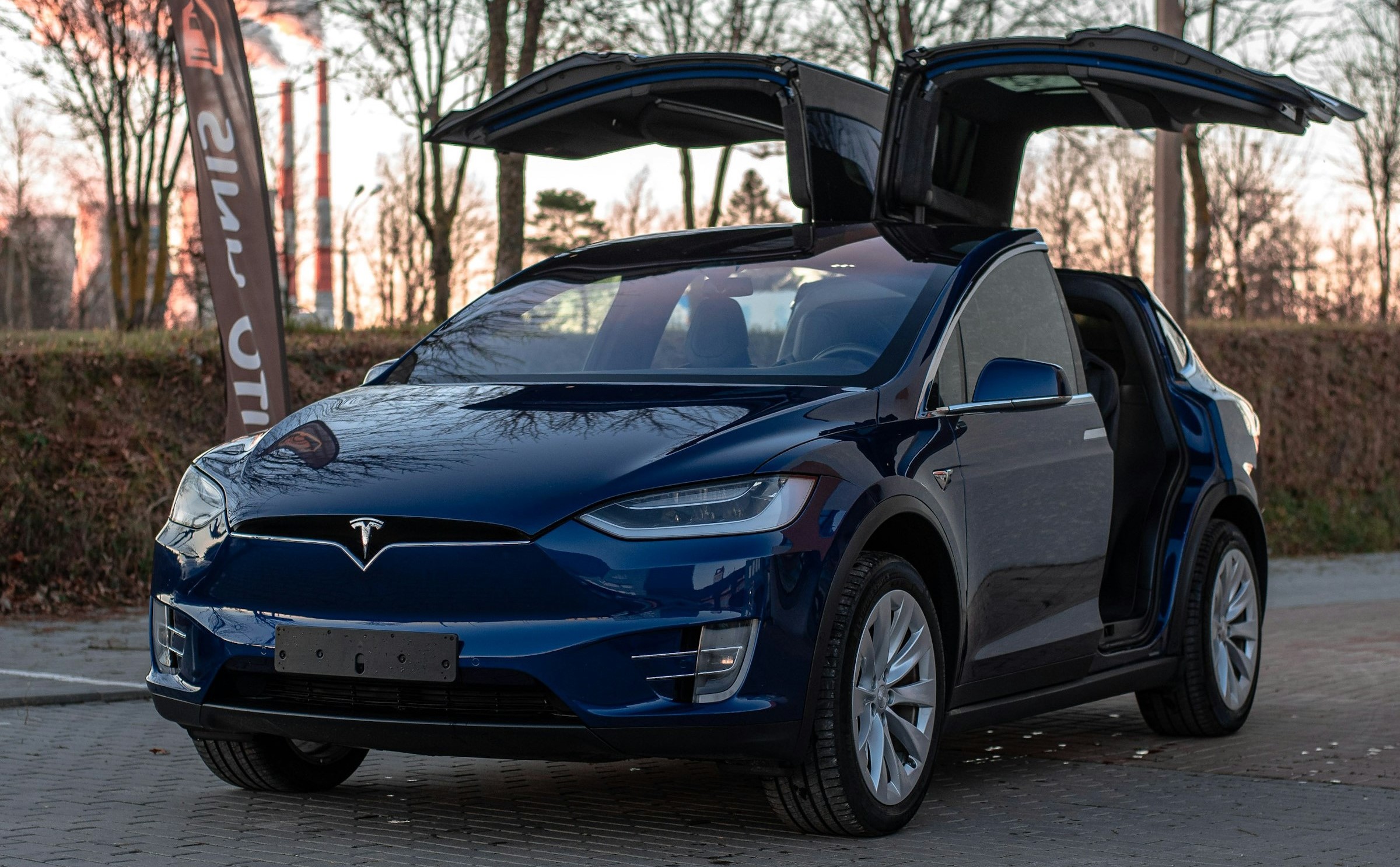
The Model S was first introduced in June 2012, becoming Tesla’s first mass-produced vehicle and helping establish electric cars as practical and desirable. The Model X followed in September 2015, introducing features such as falcon-wing doors and advanced safety technology. For many years, both vehicles served as Tesla’s flagship products.
Over time, however, Tesla’s business shifted toward higher-volume vehicles such as the Model 3 and Model Y. By 2024 and 2025, the Model S and Model X together accounted for only a small percentage of Tesla’s total global deliveries, while also requiring higher production and maintenance costs.
Fremont Factory to Be Repurposed
Tesla confirmed that portions of its Fremont, California, factory currently used for Model S and Model X production will be repurposed beginning in mid-2026. The space will be used to support manufacturing related to robotics and AI-driven products, including Tesla’s humanoid robot program.
Focus on Optimus Humanoid Robot
A central part of Tesla’s future strategy is Tesla Optimus, first unveiled in prototype form in 2022. During the January 2026 earnings call, Musk said Tesla plans to significantly scale Optimus development and production starting later in 2026, with early deployments expected in Tesla factories.
Musk stated that Optimus is designed to perform repetitive, dangerous, and labor-intensive tasks and could eventually be used across manufacturing, logistics, and service industries. He described robotics as a potential long-term business that could surpass vehicle sales in value.
Expansion of AI and Self-Driving Technology
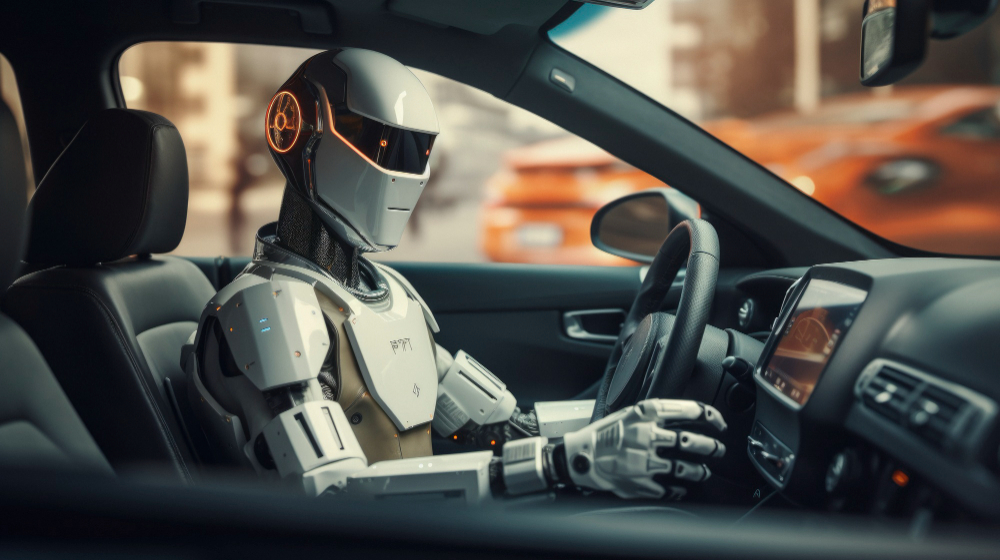
Tesla also reiterated its commitment to artificial intelligence and autonomous driving. The company said it will continue heavy investment in its Full Self-Driving (FSD) software, custom AI chips, and neural-network training infrastructure throughout 2026 and beyond.
According to Tesla executives, the long-term goal is to launch a fully autonomous robotaxi network once regulatory approvals are secured. Tesla believes self-driving technology will allow vehicles to generate recurring revenue rather than being limited to one-time sales.
Support for Existing Owners
Tesla confirmed that ending production of the Model S and Model X does not affect existing owners. The company stated it will continue to provide service, replacement parts, software updates, and customer support for many years. Customers interested in purchasing the Model S or Model X were encouraged to place orders before final production ends in 2026.
Market and Industry Reaction
Industry analysts described the decision as one of the most significant strategic shifts in Tesla’s history. Supporters say the move allows Tesla to focus on future technologies where it believes it has a competitive advantage. Critics argue that large-scale autonomous driving and humanoid robots still face regulatory, technical, and commercial uncertainty.
End of an Era for Tesla Vehicles
The discontinuation of the Model S and Model X marks the end of the vehicles that helped transform Tesla from a startup into a global electric-vehicle leader. Their retirement reflects Tesla’s evolving identity, shifting from an automaker to a technology company focused on artificial intelligence, robotics, and autonomous systems.
Tesla stated that 2026 will be a transition year, laying the groundwork for what it describes as the “next chapter” of the company.