
Imagine signing in to your desktop, only to watch a stranger's logo before everything vanishes. If you are working at Stryker Corporation or know someone there, this is what happened to them on Tuesday, 10 March, 2026. Stryker is an American Medical giant, known for making orthopedic implants and surgical tools used in hospitals worldwide.
A pro-Iranian hacking group called Handala claimed the responsibility, calling it a revenge for a U.S. military strike in Minab, Iran, that killed over 170 people, mostly children, at a school. These attacks show that with recent global conflicts, no big corporations are safe, and can become a frontline collateral in this war.
Whether you love it or not, wars affect everyone. We live in a delusion that we can live oceans away and stay unaffected by the wars, but it is not true. Whether it is Sudan, Gaza, Armenia, Iran, Bangladesh, or any corner of the world, injustice is a threat to justice everywhere. But let's not dive into philosophy, and understand what it means for people.
Stryker operates in nearly 80 nations, supplying everything from hip replacements to robotic surgery systems. Interestingly, the hackers did not demand ransom; instead, they unleashed Wiper malware, which not only locks but also erases the data forever. Over 200,000 devices have been compromised, mostly employee laptops and servers, according to Handala. As a result, stock prices went down by 3.5% on the day the news spread.
Also read || Is Any Country a Real Tech Superpower?
How the Attack Unfolded
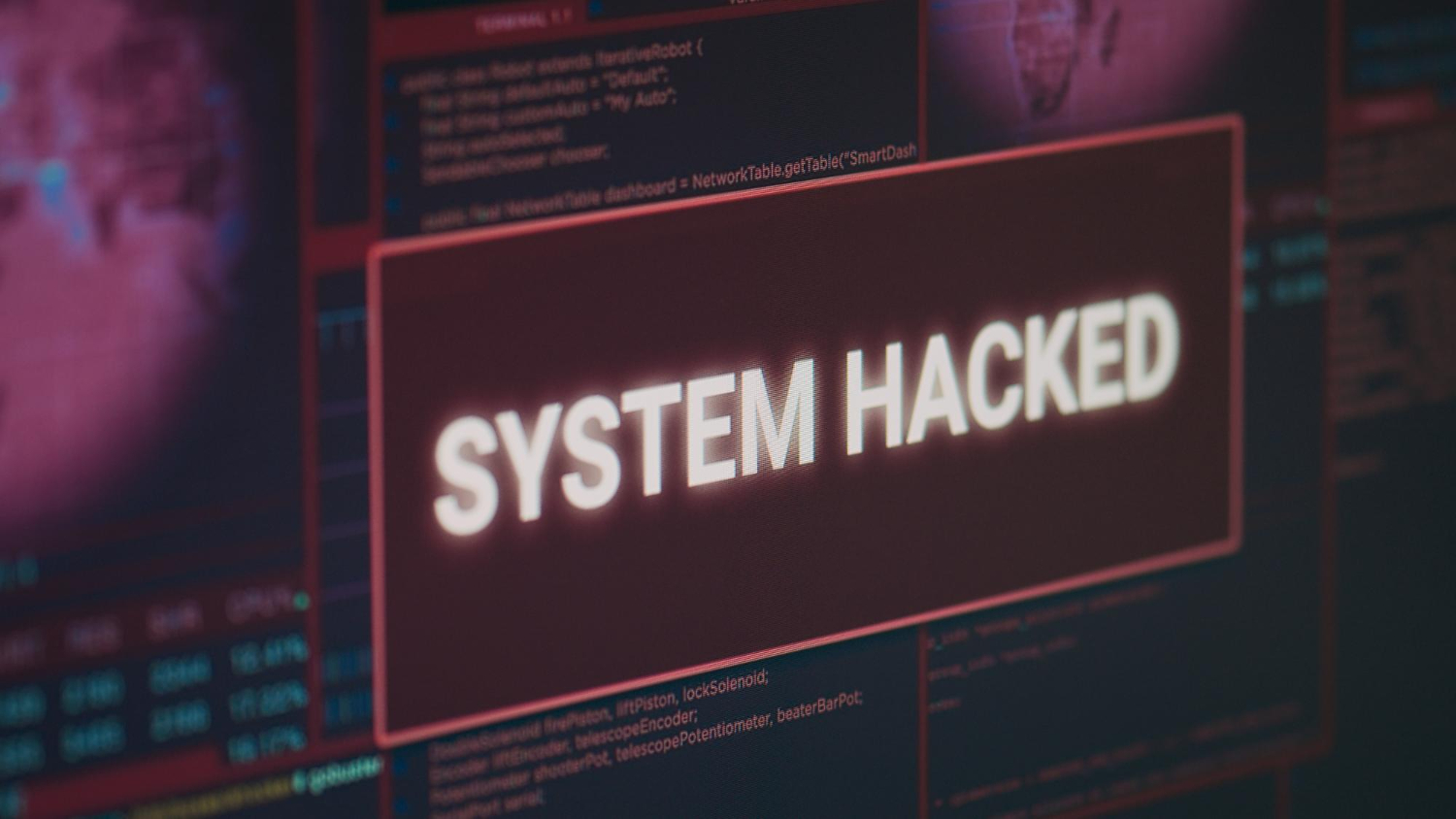
Analysis from TechCrunch suggests that Handala used phishing emails and supply chain weaknesses to slip in months earlier. And, when they go inside, they crept sideways across the network, infecting endpoints quietly. Then, kaboom! A final blow on Tuesday.
It was not a typical ransomware that let companies pay to recover. When employees saw the Handala logo pop up, it felt like a taunt, with screens going black right after. It was not a one-day quick smash-and-grab, but a dedicatedly planned cyber attack. Specialists believe that wiper malware echoes past state-backed attacks, like those tied to Iran or Russia.
Experts think that the goal is not cash or reward, but only chaos. Stryker confirmed the breach but said patient-facing devices are still safe. However, internal chaos meant manual workarounds, which meant handwritten orders and phone calls, instead of software. There is no definite time when they will be able to retrieve the lost data. It could be weeks or months, and can cost millions in IT forensics and rebuilds.
Also read || AI Can Now “Rent” Human Bodies for Real-World Tasks
Real-World Fallout in ORs and Beyond

Hospitals were the first to be affected. For orthopedic surgeries, Stryker's tools were a blessing, such as knee replacements or spine fixes. While no mass cancellations are reported, supply risks grow without automated systems. The American, European, and Asian surgeons will have to wait and reschedule the surgeries. This attack shows how a digital hit on a supplier can mean real-world pain.
Global supply chains are still fragile since the 2020s, and with this hit, it feels like there's no end to the misery. Stryker has a $20 billion in annual revenue, which makes it a market leader. There are other small corporations, but they can not fill the gap overnight. Now, we know how a single event can highlight cyber vulnerabilities, and how one outage can delay life-saving care.
Also read || How is China using AI to create more jobs?
What Handala Wants—and Why It Matters

It is not the first time a cyber attack of this scale has happened. Since 2023, Handala has been targeting U.S and Israeli firms over Middle East tensions. They frame these attacks as justice for Palestinian causes, often hitting big names in tech and defense. Stryker was just a checkbox for them. While no evidence directly ties them to the Iranian government, U.S. officials call them state proxies.
Handala was enraged by the United States calling the Minab Strike a precise hit on militants. Now, cyber professionals need to be alerted, and medical firms must prioritize offline storage of data and zero-trust networks that verify every access. Moreover, companies need to diversify their suppliers, train staff on phishing, and test wiper scenarios.
Governments urge faster reporting laws as well. Stryker's quick response limited the spread, but the damage still lingers. This is not just a tech tale, but a wake-up call on modern war. As conflicts spread from Ukraine to the Middle East, anything can happen between battlefields and business.