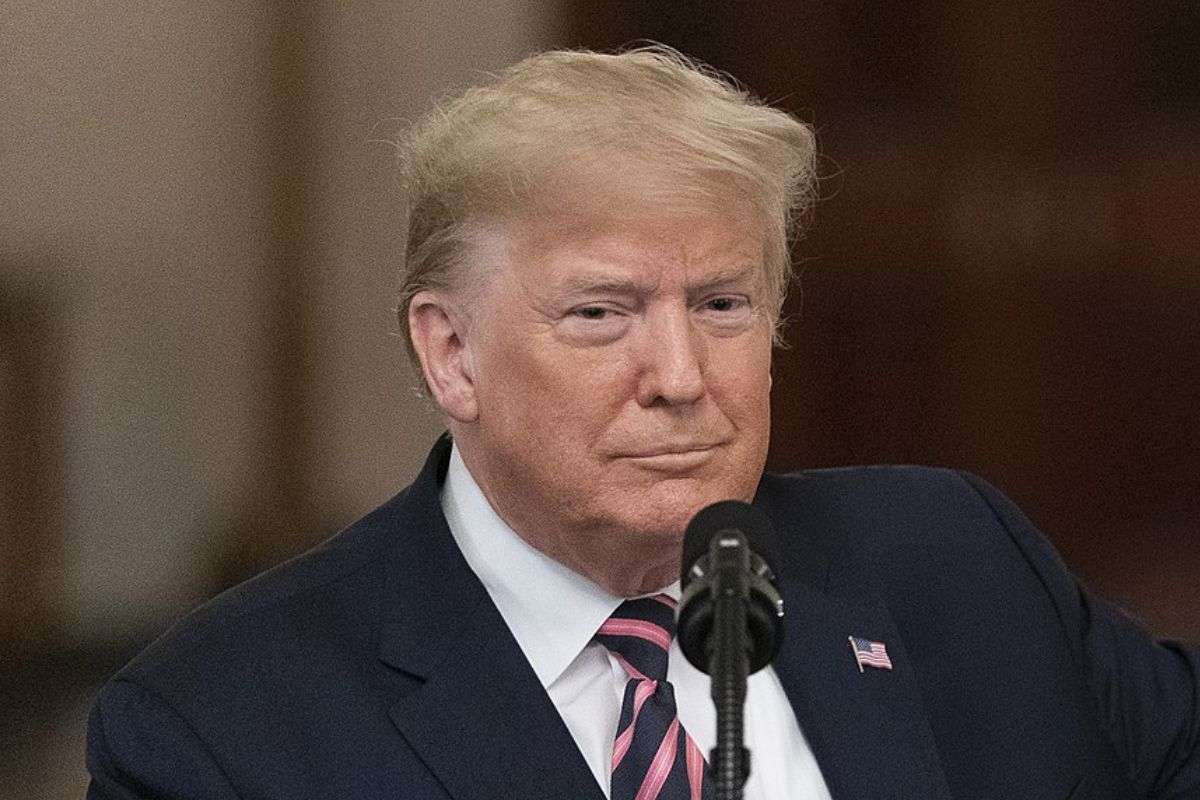
Every time President Donald Trump addresses the audience, it becomes news. At the State of the Union Address, Donald Trump called AI the central pillar of American economic and national security. He is prioritizing unrestricted innovation and energy independence over the regulatory frameworks established by previous administrations.
Trump's speech outlined practical steps for tech businesses, from energy infrastructure to talent development, signalling major opportunities ahead. The key points of the address included directives for tech firms on power needs and a national push for AI standards, positioning the USA to lead in innovation.
Also read || Rivian Cars Can Now Be Controlled with Apple Watch
What is the State of the Union Address, and why does it have anything to do with AI?
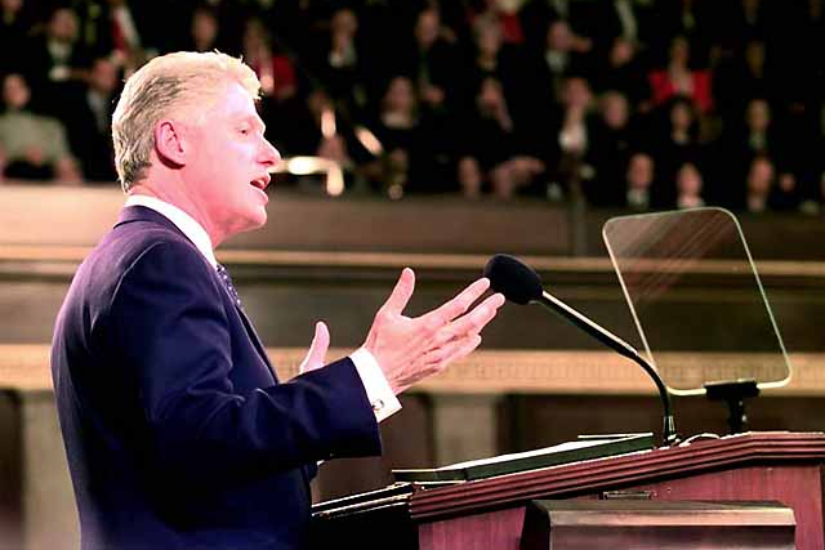
Every year between January and February, the President of the United States delivers an annual speech to a joint session of Congress. It is mandated by Article II, Section 3 of the Constitution. They discuss the nation's current condition, including the economy, security, achievements, and the administration's upcoming priorities and goals for the coming year. It has been broadcast nationally since the 1920s to inform both lawmakers and citizens.
This year, President Trump linked AI to national priorities by emphasizing its critical role in economic growth, job creation, and global leadership. Data centres are experiencing surging energy needs, and Trump believes tech firms must build their own power plants.
Donald Trump announced a "Ratepayer Protection Pledge" requiring tech firms to invest in private power generation to offset their massive energy consumption. Thus, ensuring residential electricity costs do not spike as they did earlier.
Also read || America's AI Power Crunch: Data Centers Hit a Wall
The New AI Economy: Jobs and Regulatory Freedom

The focus of the current administration has shifted from artificial intelligence as a threat to becoming a massive engine for job creation and skill building. The government aims to prepare the next generation of high-paying roles in software and data analytics. The goal is to use AI to fill labour gaps and allow human workers to focus on more creative tasks, ensuring the workforce evolves alongside advancing technology.
The red tape of regulations will be removed, and national AI standards will enable healthcare and logistics startups to launch products faster than ever before. By preventing confusing state-level regulations, the administration is trying to build a seamless environment for cloud computing and autonomous technology. Eventually, these clear regulations will help local firms scale quickly and encourage international developers to work on US-based AI projects.
Also read || Best AI Agents for Research: 7 Tools to Save You Hours
Powering the Future: Data Centres and Energy Independence
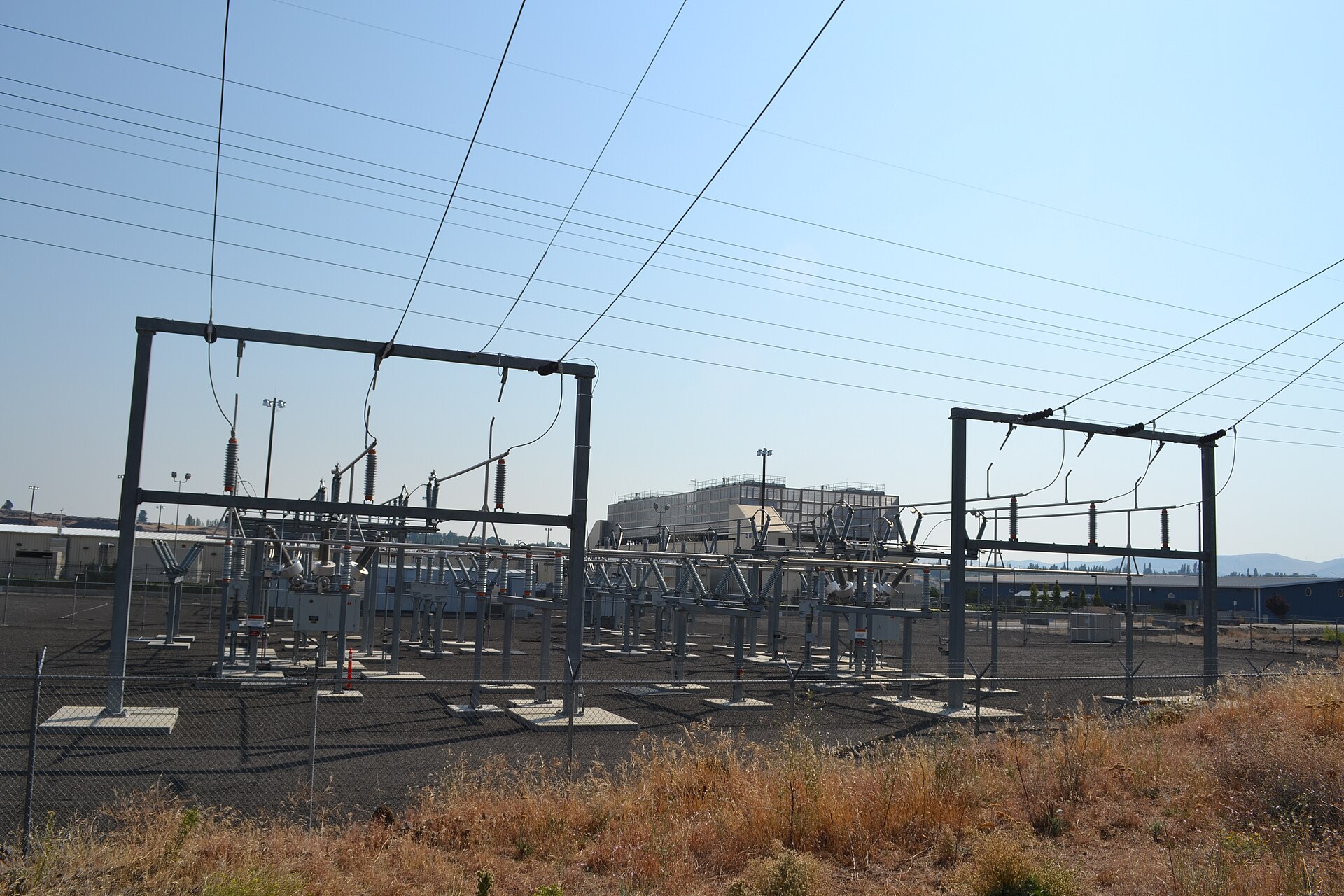
As AI models become more complex and advanced, energy demand is surging to unprecedented levels. As a result, the big tech giants have to build their own power plants. When these giants have a self-powered data centre, they will have reliable machine learning operations without straining the public power grid, as happened a few weeks ago on the East Coast. Subsequently, a huge market for modular designs, advanced cooling tech and renewable energy providers will open up.
Beyond infrastructure, this energy dependence is fueling a surge in secondary markets, especially for low-latency applications in global finance and logistics. With AI growth projected at 15% annually, software providers and consultancies will see a major boost in demand for system integration and ethics tools. Businesses can track federal grants and resources to support energy-efficient projects. In the end, the USA's focus is to become an independent power and position the nation as a primary hub for global tech investment and long-term revenue diversification.