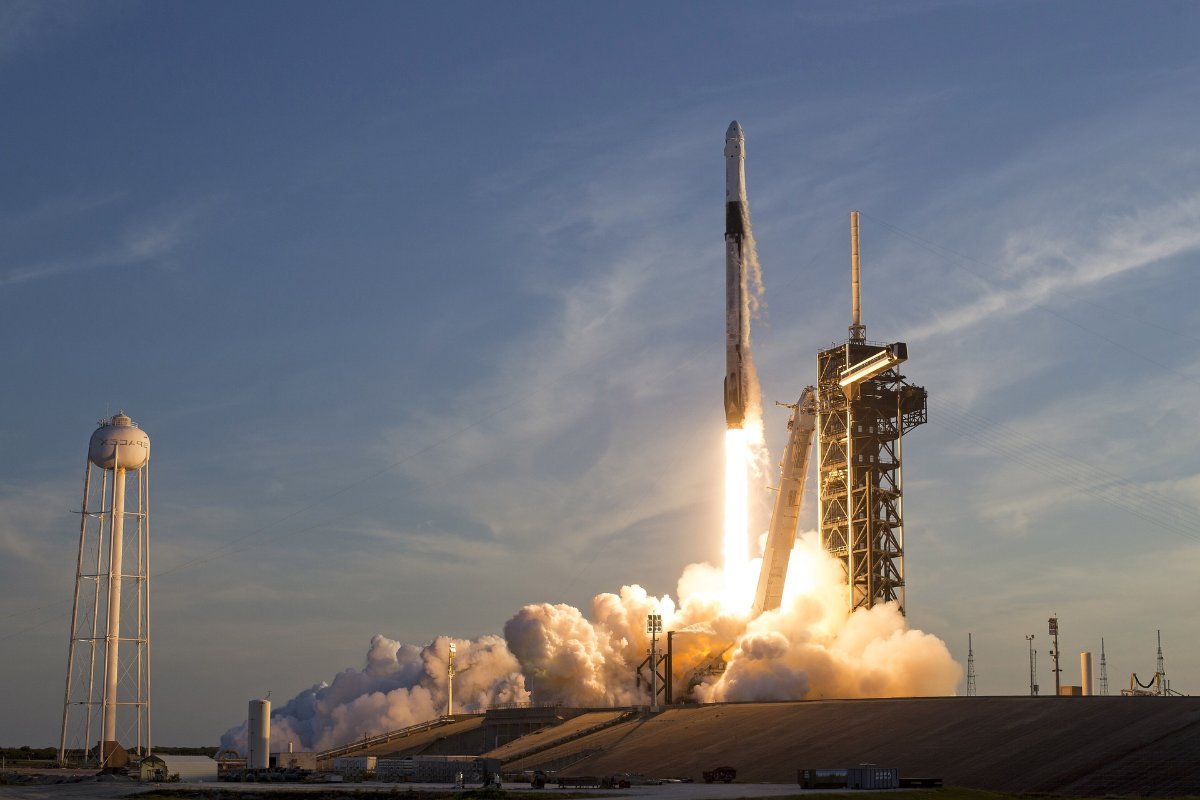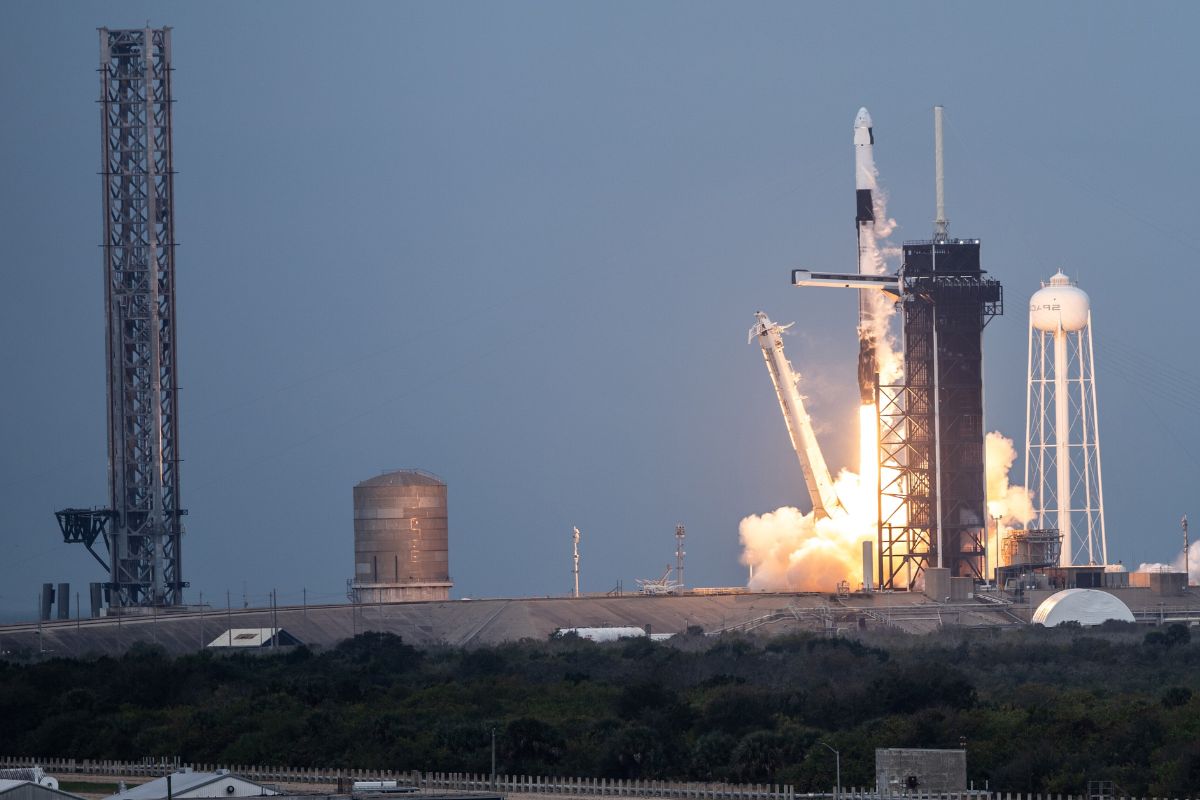
SpaceX is no longer launching Starship in April 2026. CEO Elon Musk has confirmed that the mission featuring the debut of Version 3 (V3) has been postponed to May 2026. The delay reflects the difficult balance between rapid iteration and the rigorous demands of deep-space engineering.
While some may see it as a simple calendar shift, it is not. The V3 delay marks an important transition for the most powerful launch vehicle ever built. It comes amid prior test anomalies, major design upgrades, and the need to align with NASA requirements for future lunar missions. Let’s take an in-depth look at the reasons behind the pause.
Also read || Artemis II: Humans Return to the Moon After 53 Years
The Debut of Starship V3: Engineering Overhaul
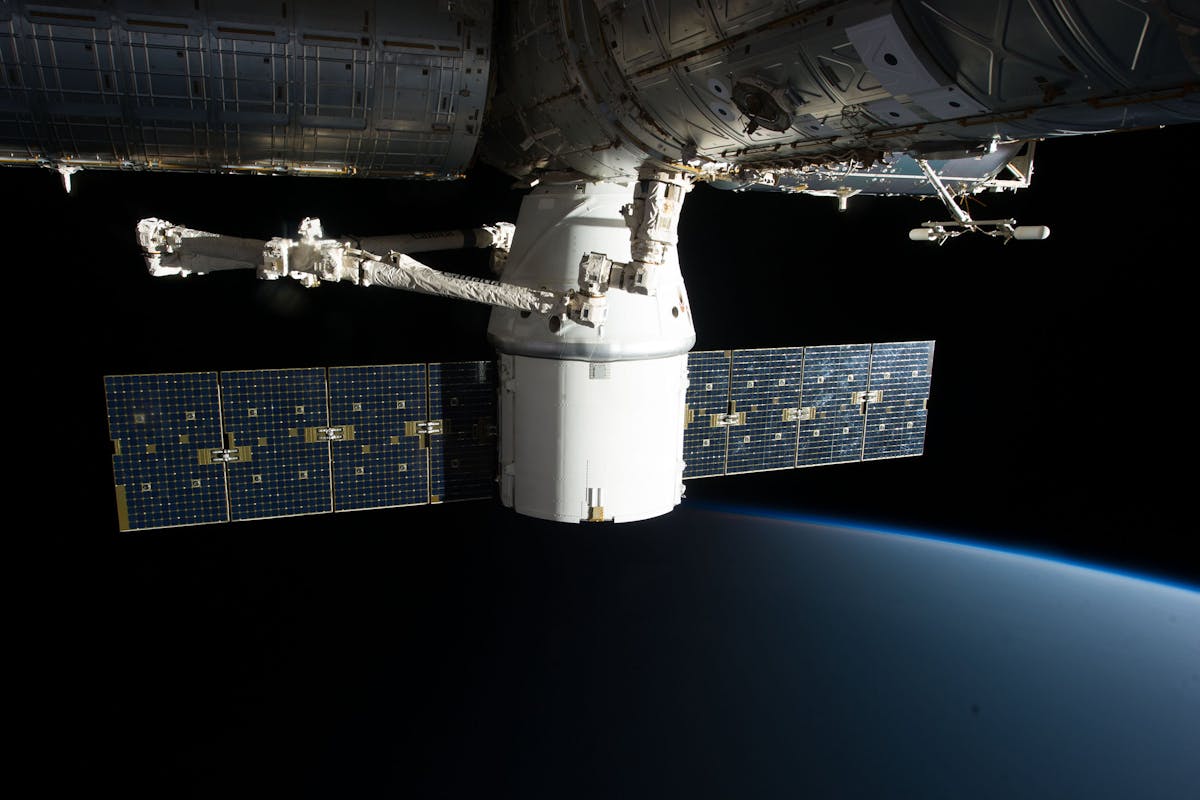
With NASA’s Artemis II mission moving ahead on the Space Launch System (SLS) side, SpaceX is pushing ahead with the Starship Human Landing System (HLS) through a rapid, iterative testing process and fixed-price contracts that align with NASA’s Moon-to-Mars strategy. While SpaceX is doing revolutionary work, it is also facing immense technical challenges.
V3 iteration is considered a key factor behind the Starship delay. Unlike previous flights, the V3 vehicle does not use the older hardware architecture. It features an improved design intended to make the system more reliable and better suited to NASA’s lunar mission needs.
SpaceX says the V3 vehicle and its Super Heavy booster include dozens of upgrades. These include refined thermal protection systems, improved engine reliability, and structural modifications designed to handle the stress of atmospheric reentry and rapid reuse.
V3 Starship is being developed in a live environment, unlike Falcon 9, which took years to mature. It is a prime example of concurrent engineering, and moving the launch to May gives engineers four to six extra weeks to conduct ground tests and ensure the strength and accuracy of the new V3 architecture, improving the chances of long-term mission success.
Regulatory Hurdles and the Part 450 Challenge
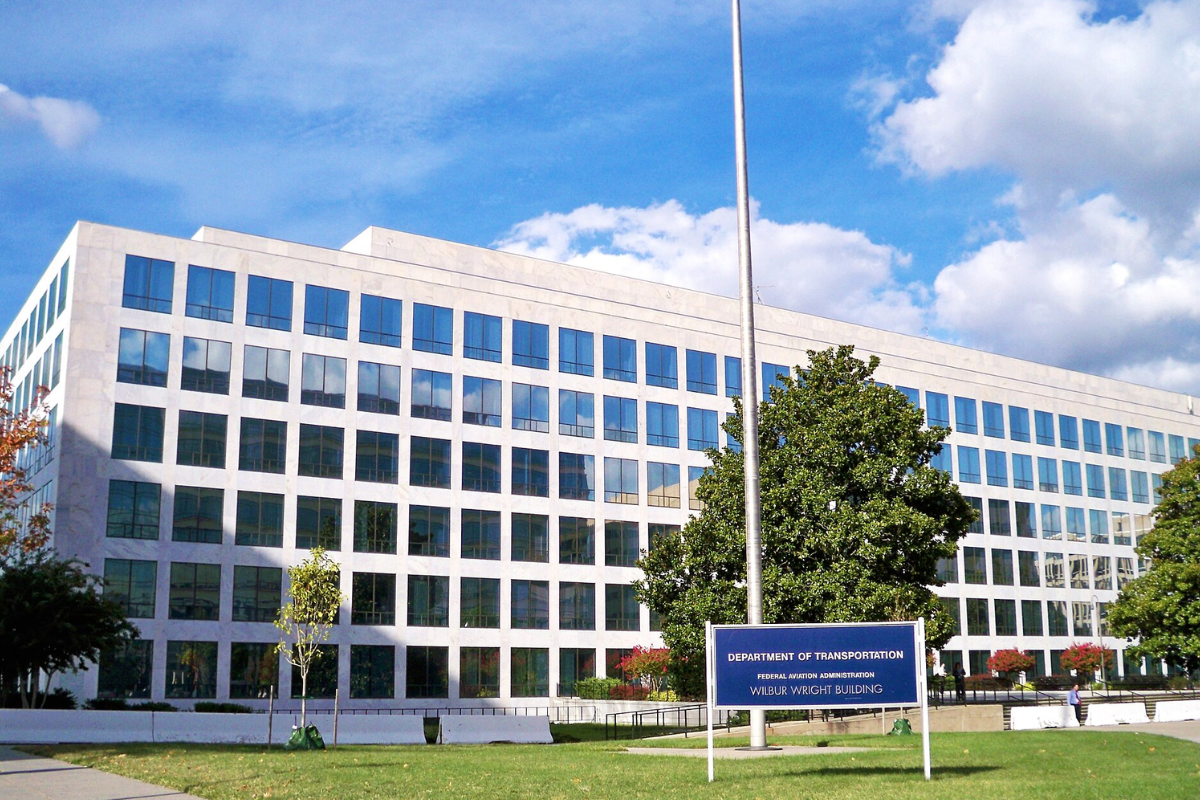
Hardware is not the only complex part of V3 Starship. There are also major regulatory hurdles SpaceX must clear. The Federal Aviation Administration (FAA) is working with SpaceX toward a more streamlined licensing process under Part 450, but that transition has still had its challenges.
The FAA is responsible not only for the legal side, but also for the safety, security, and efficiency of civil aviation in the United States. It must balance the rapid launch cadence of companies like SpaceX with public safety and environmental protection.
In the case of Starship, every major change in the flight profile or vehicle design can require a modification to the launch license. This delay gives SpaceX more time to review the safety and environmental impacts of the V3 vehicle’s new specifications. While SpaceX wants faster approvals for quicker innovation, the FAA continues to prioritize thoroughness to avoid mishaps.
Also read || SpaceX Boosts Starlink Network to New Records
Looking Toward the Moon: The Road to Artemis
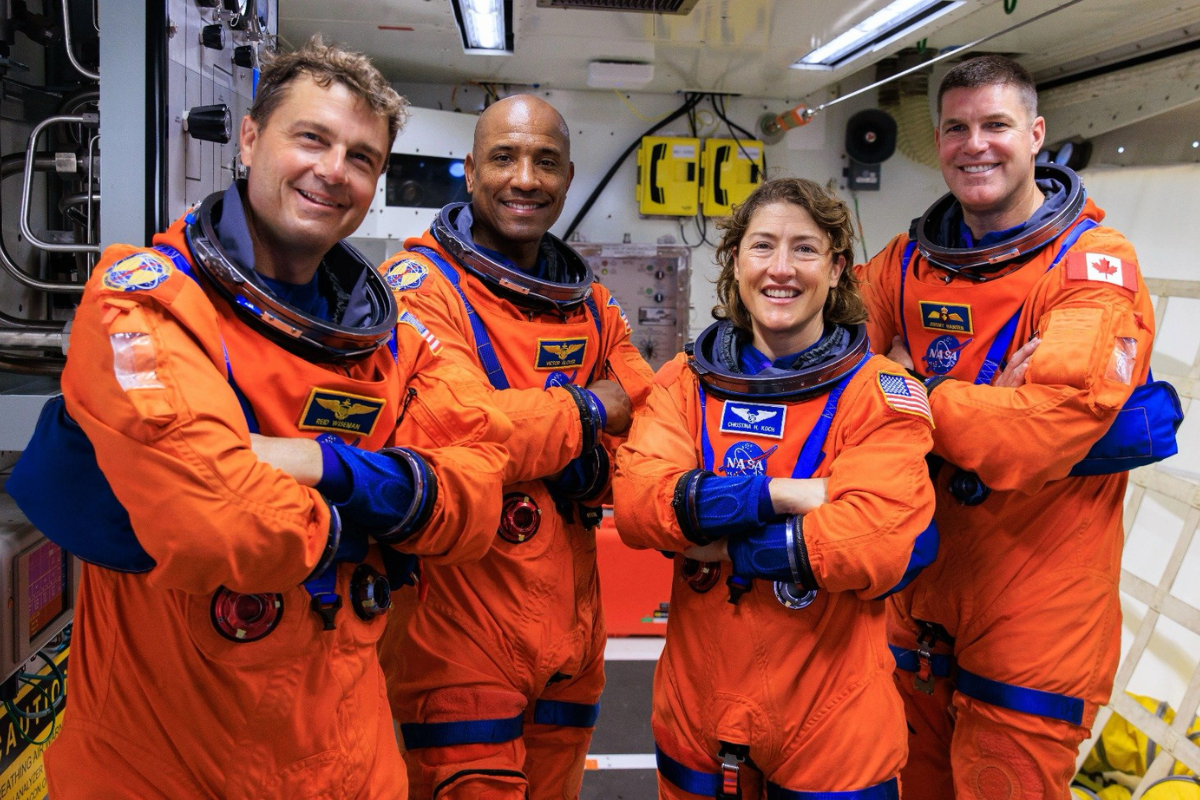
The stakes for these test flights go far beyond SpaceX’s Texas headquarters. NASA has integrated Starship into its Artemis program as the Human Landing System that will return astronauts to the lunar surface. Every delay is a double-edged sword for NASA, because it may shift the Artemis timeline, but it can also help ensure astronauts eventually board a safer vehicle.
The upcoming May launch is expected to be one of the most ambitious launches yet. It will test rapid reusability, with the ultimate goal of returning the Super Heavy booster to the launch site to be caught by the mechanical arms of the launch tower. Success in these tests is critical for lowering the cost of space access and enabling high-frequency launches needed for Moon and Mars missions.
Also read || Elon Musk Proposes Building an AI Factory on the Moon
What’s Next?
Don’t be disappointed by the one-month wait. This delay reflects the “fail fast, learn faster” philosophy that has defined SpaceX. There is no harm in taking extra weeks to refine the V3 hardware and clear regulatory hurdles. This move ensures the mission will provide the maximum amount of data possible. Rocket science is a high-stakes world, and a short delay today is not the end of the world.
Comments (0)
Log in to share your thoughts
No comments yet
Be the first to share your thoughts!