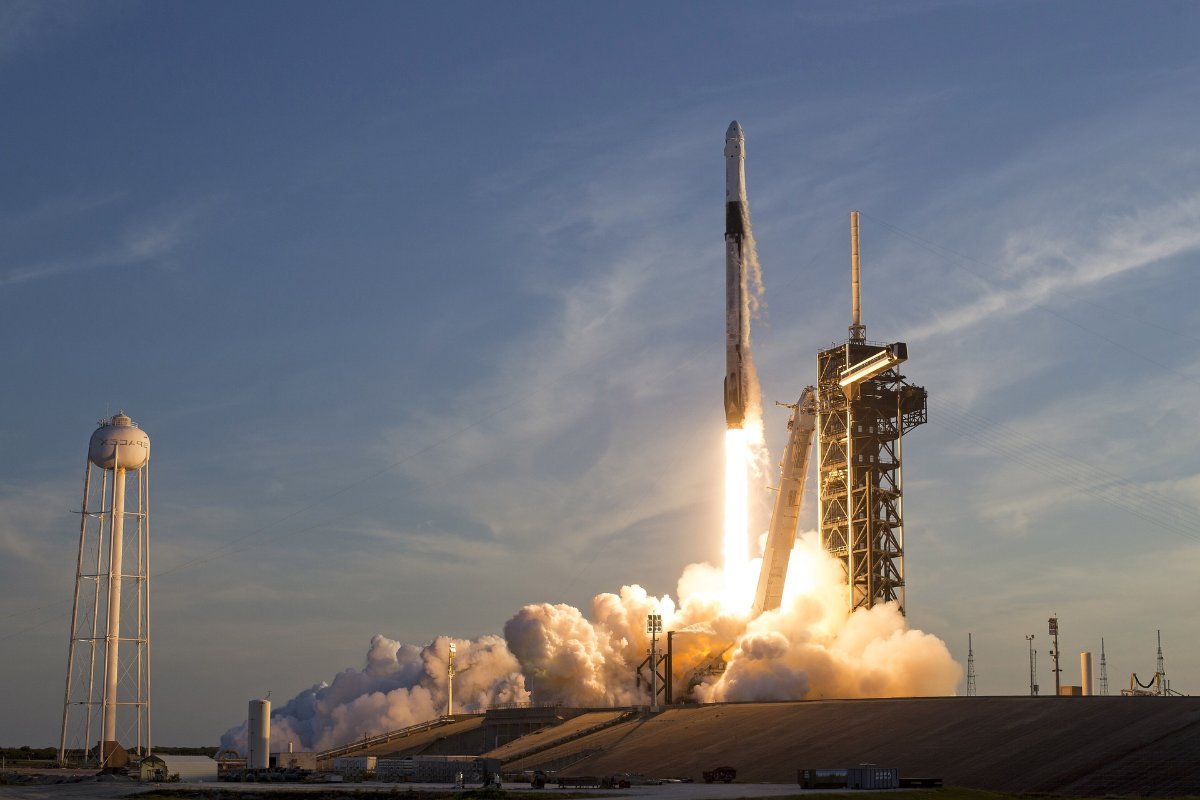
SpaceX continues its busy launch schedule, using Falcon 9 rockets to send Starlink satellites into orbit from both US coasts. Recent missions from Vandenberg Space Force Base (California) and Cape Canaveral Space Force Station (Florida) demonstrate how reusing rocket boosters helps the company quickly grow its satellite group. These operations provide fast, reliable internet access to remote areas around the world.
Cost is the ultimate factor for any company. When the first part of the rocket falls back to Earth, the ships catch it, lowering the cost of each mission, which is one of SpaceX's goals. Thus, helping the Starlink network cover more parts of the Earth every month. By launching from both the Atlantic and Pacific coasts, SpaceX ensures its internet service remains strong and continues to reach more users across different countries.
Also read || Elon Musk Proposes Building an AI Factory on the Moon
Recent SpaceX Missions
SpaceX finished two Starlink missions very close to two opposite sides of the country. According to Space.com, the Starlink Group 17-31 mission launched from Vandenberg in California on March 13 using booster B1071 (14th flight). It landed safely on a ship in the Pacific Ocean. Another mission, Starlink Group 10-48, launched from Cape Canaveral in Florida on March 14 using booster B1095. This flight carried "V2 Mini" satellites and landed on a ship in the Atlantic Ocean.
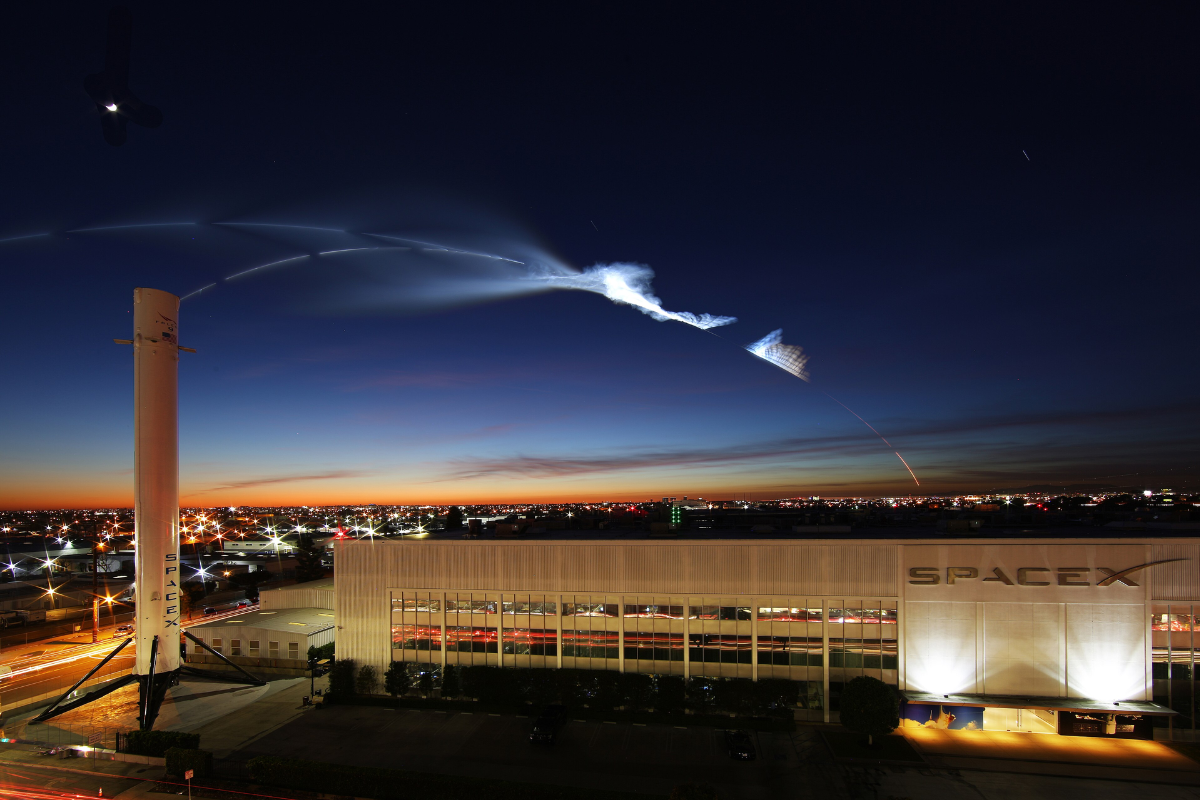
On March 16, SpaceX launched Starlink Group 17-24 from California at 10:16 p.m. PDT (1:16 a.m. EDT March 17). The booster, B1088, carried 25 satellites and made a bright light in the night sky over Southern California. This was SpaceX's ~595th orbital mission. So far in 2026, the company has finished 30 Falcon 9 launches, which is more than one flight every week. There are now 7,500+ active satellites in space.
Moreover, SpaceX launched Starlink Group 10-46 earlier today, March 17, at 7:28 a.m. EDT (11:28 UTC) from Florida. Booster B1090 (11th flight) carried 29 V2 Mini satellites and successfully landed on a droneship at sea. These regular flights from both coasts help SpaceX reach its goals for expanding the network.
Also read || How NASA Plans Smartphone Use on Crew-12 & Artemis II
Growth of the Starlink Network
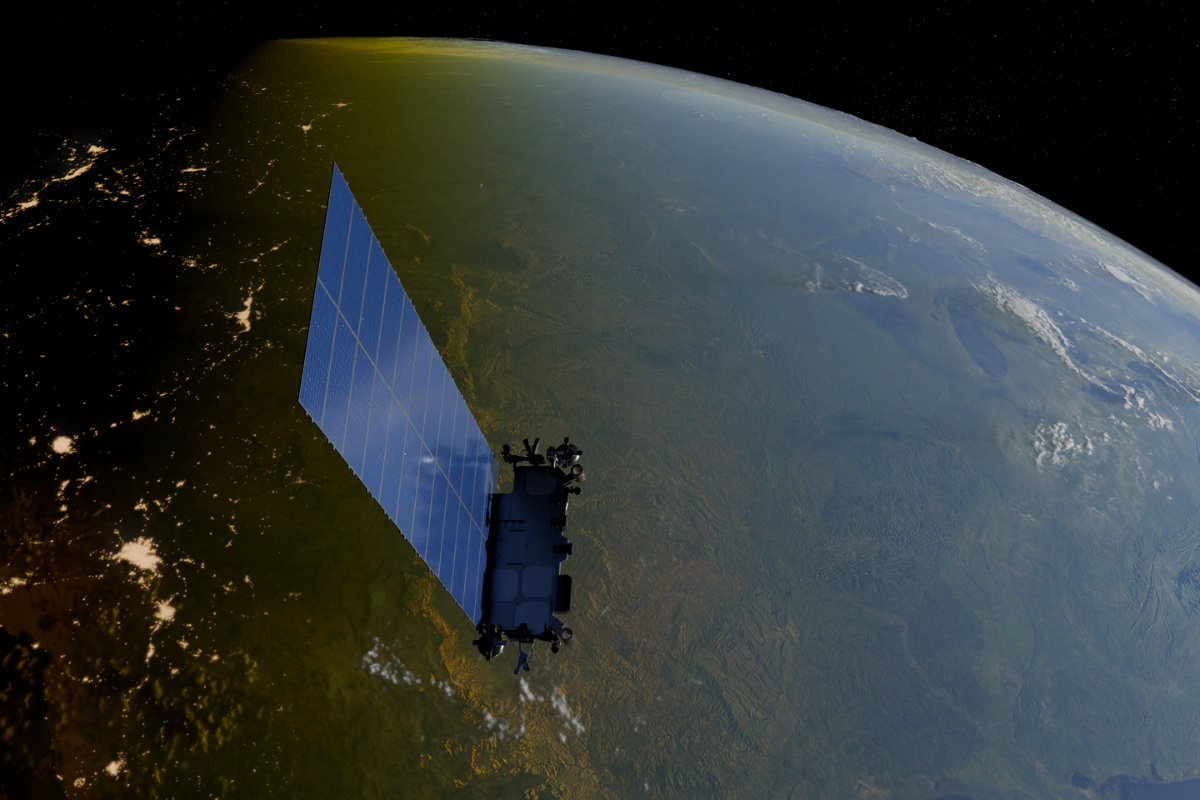
Starlink now has 7,500+ working satellites in low Earth orbit, making it the biggest internet network in the world. The first satellites were launched in May 2019, and the group grew rapidly as SpaceX launched more frequently. The newer V2 Mini satellites connect directly to cell phones and provide regular internet service. They help people on ships, airplanes, and in small country towns get faster internet with less delay.
SpaceX has launched over 8,200 Starlink satellites total. When old satellites stop working, they fall back to Earth and burn up to keep space clean. This network provides high-speed internet to areas where cables cannot reach. Starlink has more internet capacity than any other company in space. With these new missions, the system will soon have over 8,000 active satellites, helping millions of people stay connected for work and daily life.
Also read || The Untold Story Of Elon Musk’s Greatest Gamble Before Rising!
Future SpaceX Flights
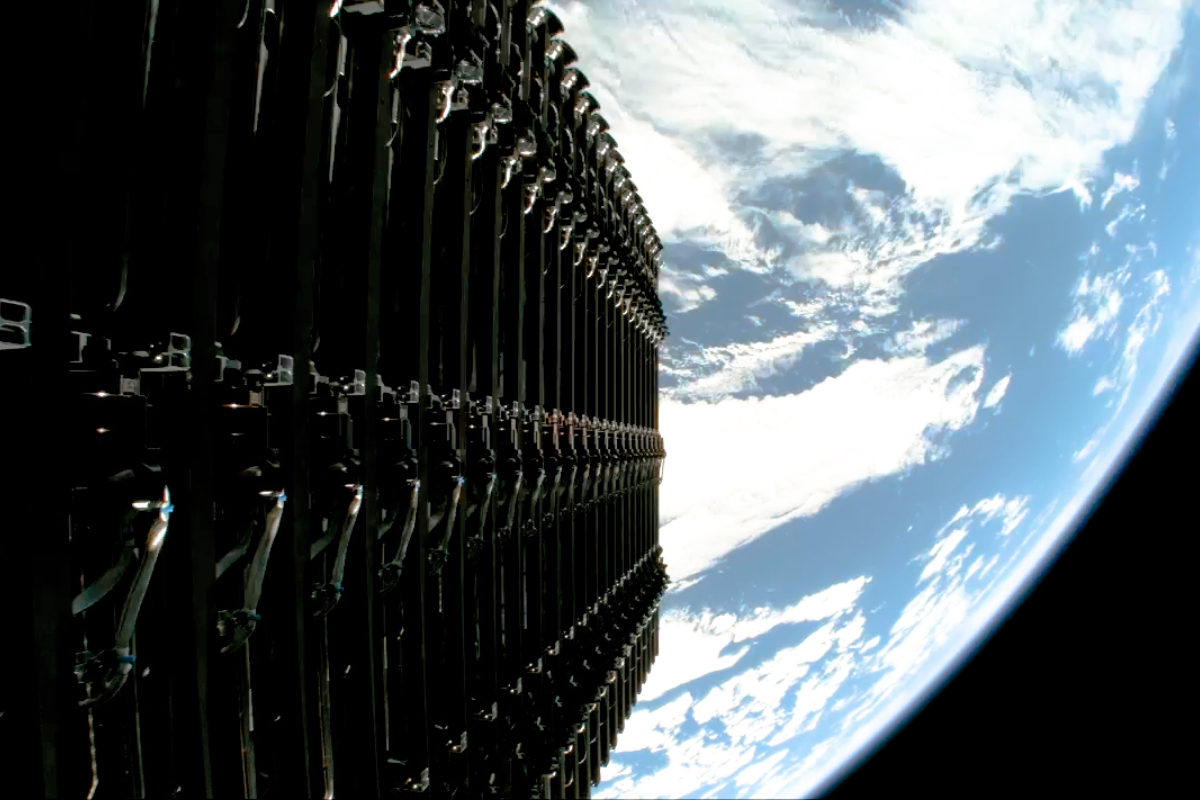
SpaceX is the future of space exploration and reusable launch technology. There are many missions planned for its launch sites in California and Florida. Rockets from California fly south over the Pacific Ocean, while rockets from Florida fly northeast over the Atlantic Ocean. The used boosters are cleaned and repaired within 30 days, allowing SpaceX to fly very often. You can watch the launches live on the SpaceX website or YouTube.
The March 17 mission brings the network closer to the 8,000 active satellite mark. All these launches show that SpaceX can fly and reuse rockets better than anyone else. As more satellites are launched, internet service for ships and planes will get even better. These reliable SpaceX launches are helping people in remote areas get the same internet access as everyone else.
Comments (0)
Log in to share your thoughts
No comments yet
Be the first to share your thoughts!