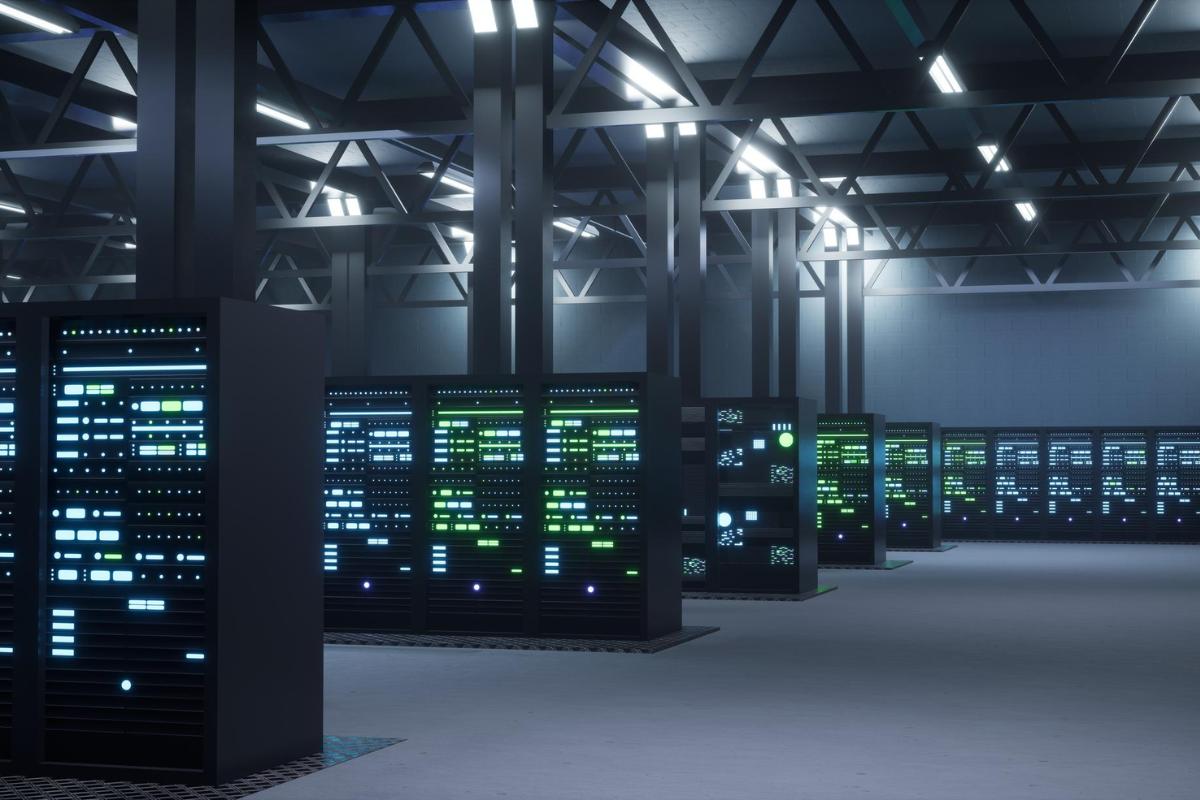
The foundation of contemporary economies is data centers. These days, they are more than just massive structures housing servers; they are the way the digital economy functions. Data centers are constantly operating in the background, whether you are using LLMs, processing payments, or watching web series. As long as AI and cloud computing are there, the demand for data infrastructure will keep rising.
Technological advancement is not the only factor that defines global leadership, but the scale and distribution of infrastructure also matter. There are thousands of operational facilities and strong expansion pipelines across different nations. From North America's dominance to Asia's fast growth, these seven countries are leading the global race for data center capabilities.
Also read || India's AI Path: Beyond the Silicon Valley Shadow
United States
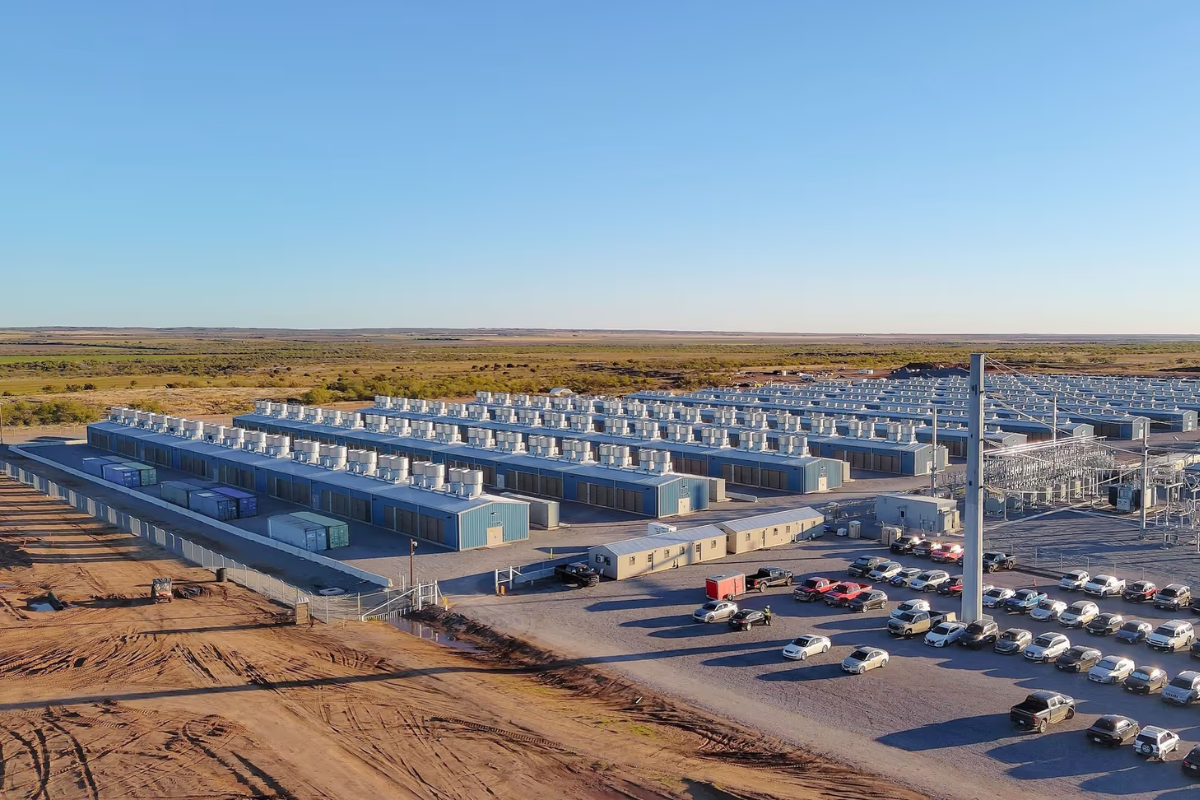
You can not talk about data without talking about the United States. The dominant global power has a data center capacity with roughly 5,427 operational facilities as of now, making it the world's largest market by a huge margin. Thanks to the hyperscalers like Amazon Web Services, Google, Meta, and Microsoft, along with regions like Northern Virginia, the world's largest data center hub is emerging. With massive AI-driven demand, the United States remains miles ahead of every country in both scale and innovation.
Germany

Germany is synonymous with "tech and engineering" and has the largest data center market in Europe. They host around 529 facilities, with Frankfurt as the main hub for global internet exchange. Investors love Germany, not only because of its strong industry but also because of its strict data protection laws. The overall picture suggests that Deutschland emphasizes sustainability and focuses on energy-efficient and environmentally friendly data center designs.
United Kingdom
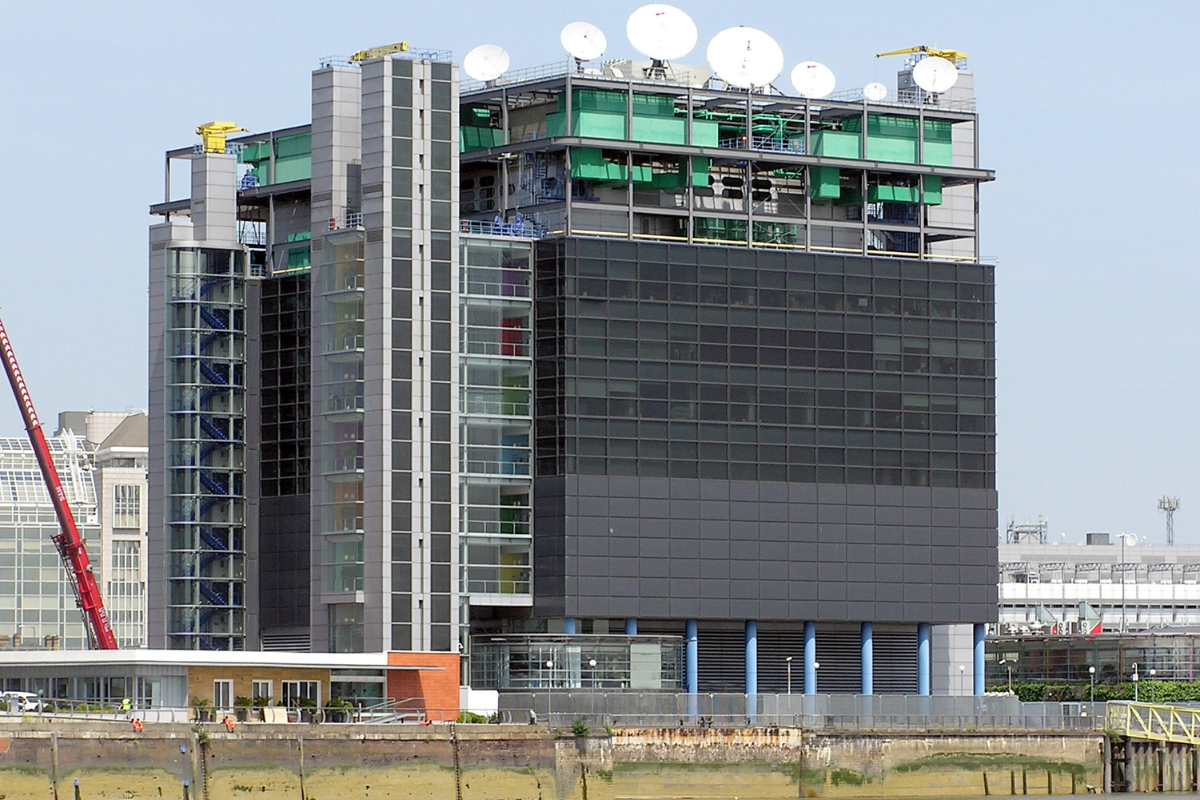
The United Kingdom has the largest tech ecosystem in Europe, and London is often called the tech hub of Europe. Like Germany, it also has over 520 operational facilities, mainly around London. The key factors that make the United Kingdom special are a strong financial ecosystem, global connectivity, and demand for low-latency infrastructure, making it ideal for businesses. Despite limited land availability, they are investing in data centers for long-term infrastructural growth of the nation.
Also read || America's AI Power Crunch: Data Centers Hit a Wall
China
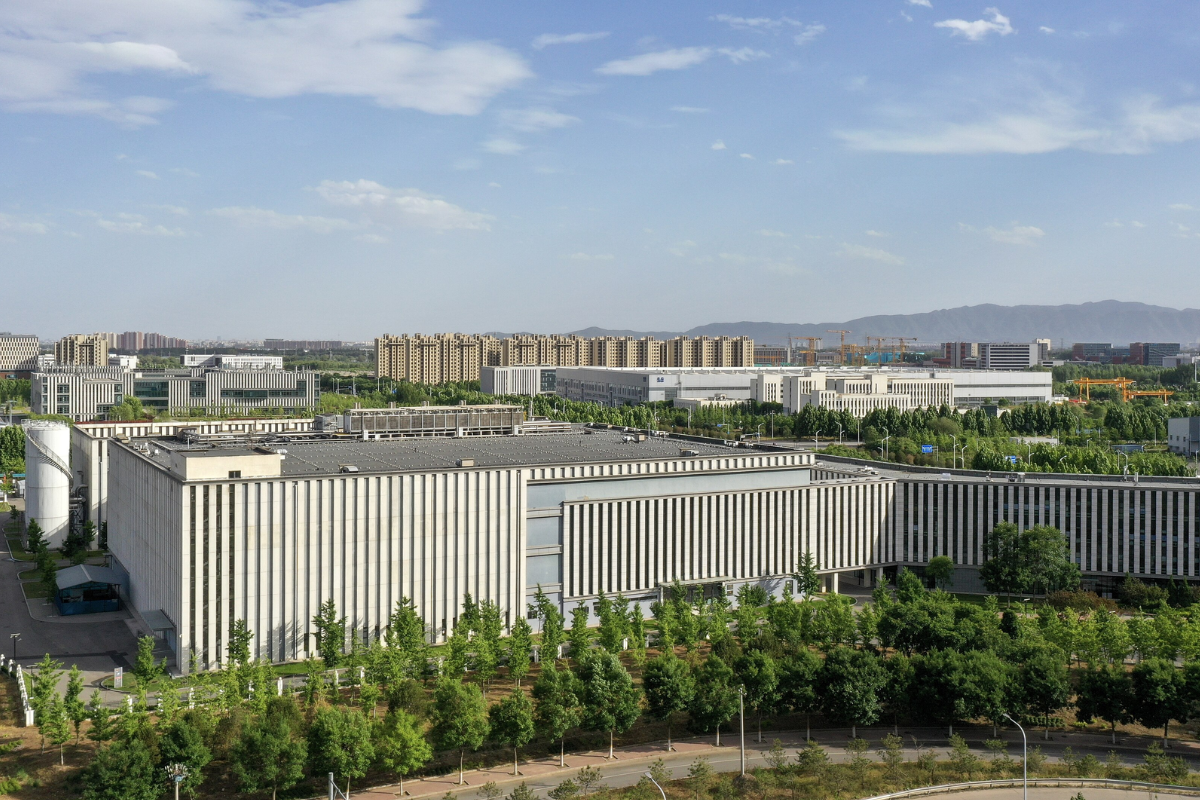
China is always in the headlines for having a utopian tech system, sophisticated supply chain, and automation. The country is growing rapidly and currently has 449 operational facilities to serve the people. However, the growth depends heavily on Tencent and Alibaba, as they are the two leading companies supporting hyperscale infrastructure. The state supports data localization laws, which helped in rapid domestic growth.
Netherlands
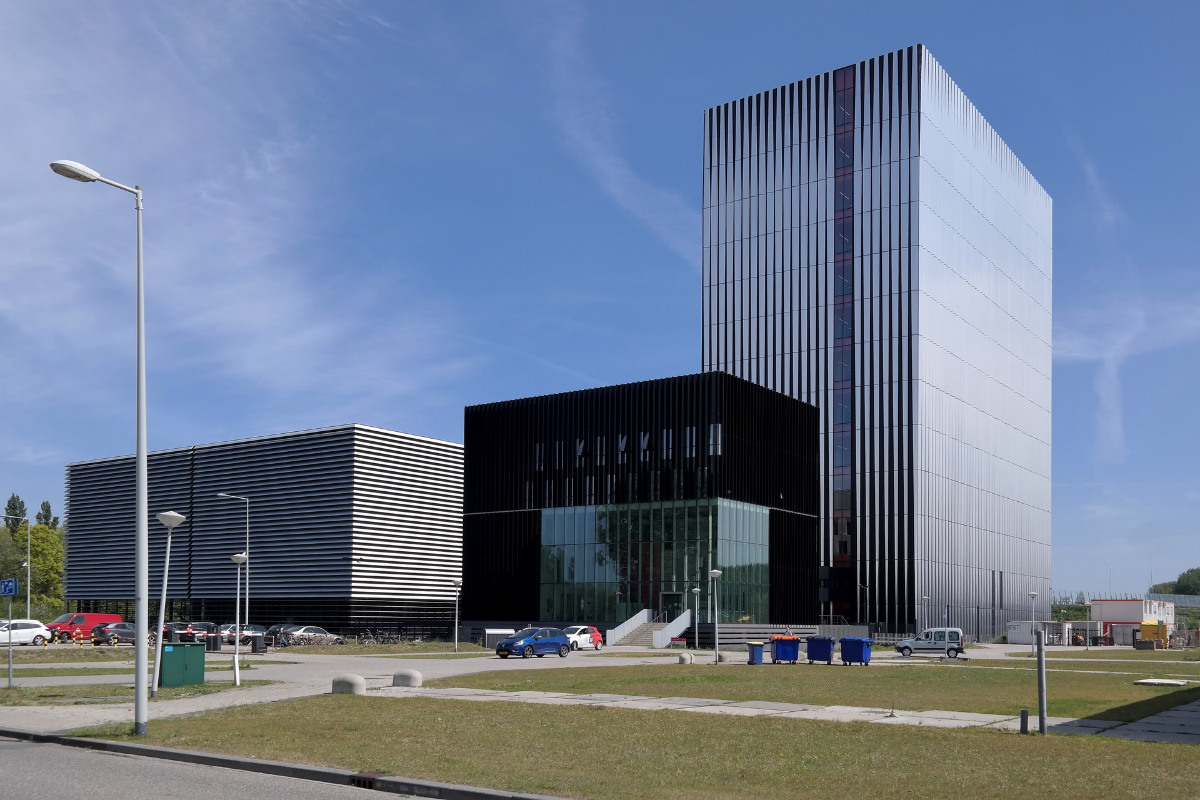
The tech scene is vibrant in the Netherlands; whether you are in Amsterdam, Utrecht, or The Hague, every city plays a crucial role in Europe's data center landscape. The Dutch nation has around 298 facilities, mainly located around Amsterdam. Being in the center of Europe, Amsterdam has a strategic advantage for strong fiber connectivity. The stricter rules by the government on energy consumption and land use imply that the nation cares about sustainable development.
Japan
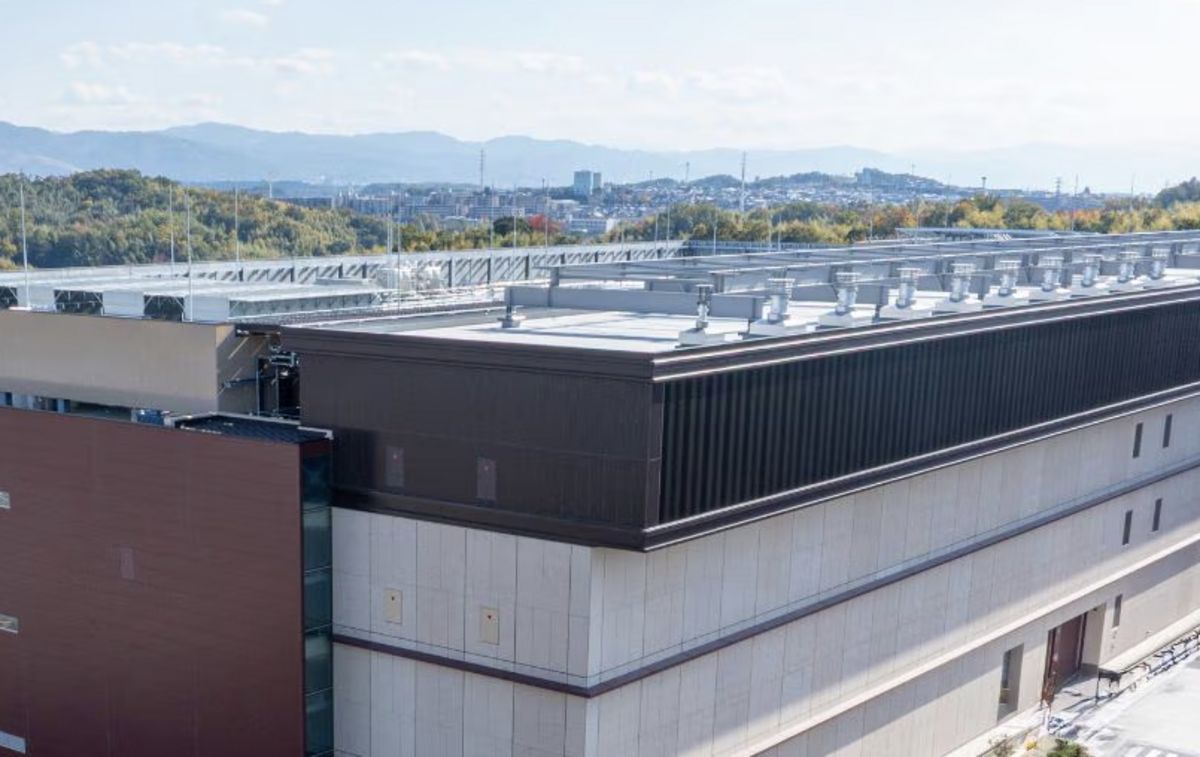
The countries in Asia-Pacific (APAC) are also rising as powerful contributors to the digital ecosystem. Be it Singapore or Japan, both nations have powerful data center capabilities. Still, Japan is more suitable for hyperscale data infrastructure because it is 500 times larger than Singapore's land area. With roughly 222 operational facilities, the data center ecosystem of Japan is spread around Osaka and Tokyo. The most defining feature of the Japanese data center ecosystem is its resilient design to withstand earthquakes and natural disasters.
Also read || State of the Union 2026 Ignites AI Boom
India

India is emerging as the fastest-growing economy and is one of the fastest-growing data center markets. While there are no exact numbers, around 130 to 150 data centers are in India, and the installed capacity is expected to reach 1.7 gigawatt (GW) by the end of 2026. Bigger cities such as Mumbai, Chennai, Bengaluru, and Hyderabad have strong connectivity and rising enterprise demands. The state is supporting data localization, combined with a massive and growing internet user base, leading to accelerated growth.
Comments (0)
Log in to share your thoughts
No comments yet
Be the first to share your thoughts!