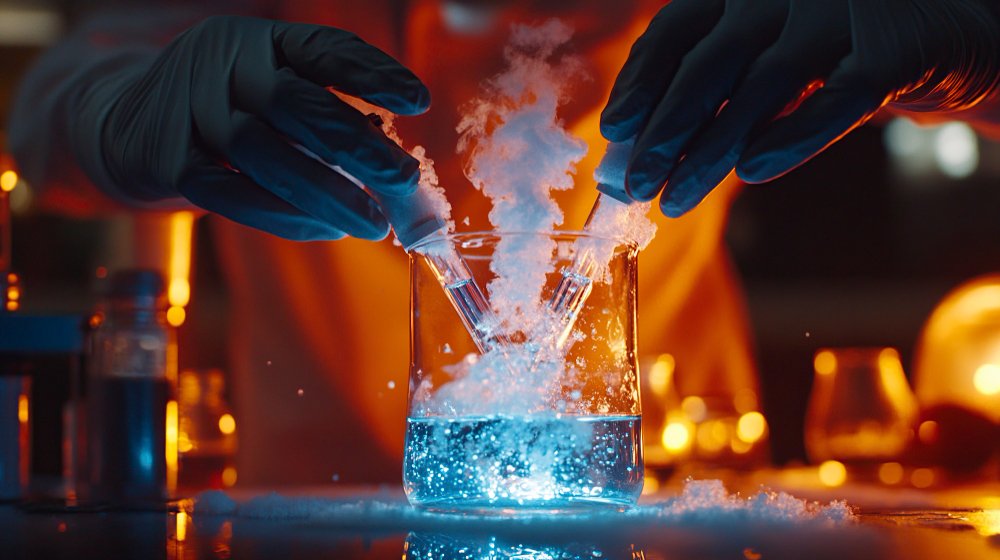
Researchers at Pusan National University (PNU) have announced a new water-treatment method that can remove microscopic plastic pollution from water within minutes by using a magnetic field to draw plastic particles together.
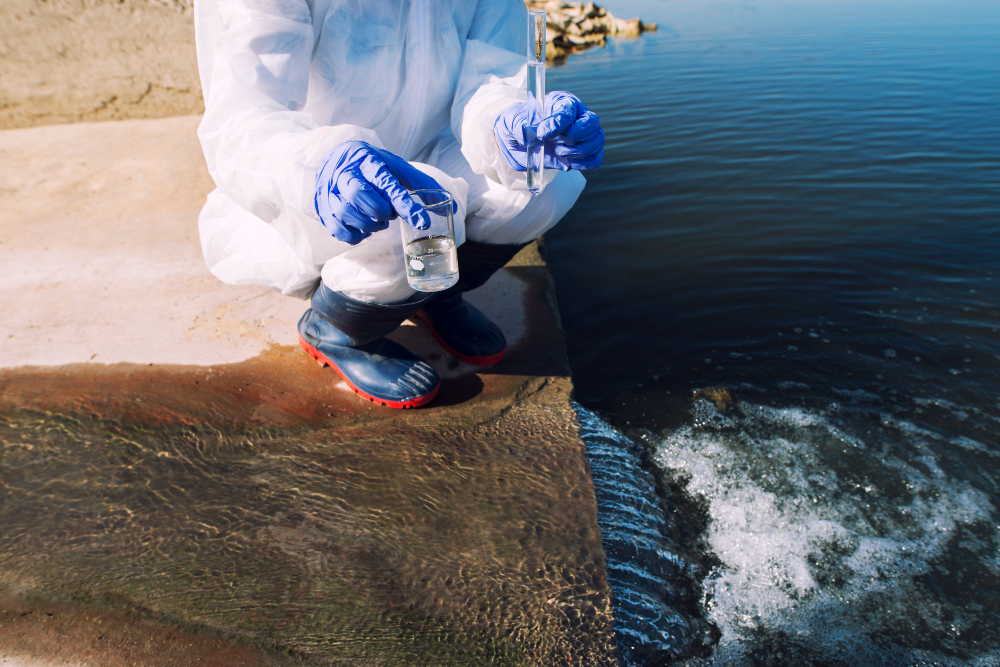
The university stated that the technique could provide an effective means to enhance both drinking water purification and wastewater treatment systems, particularly by targeting plastic fragments that are too small for conventional treatment methods to capture.
A Growing Pollution Problem in Water Systems
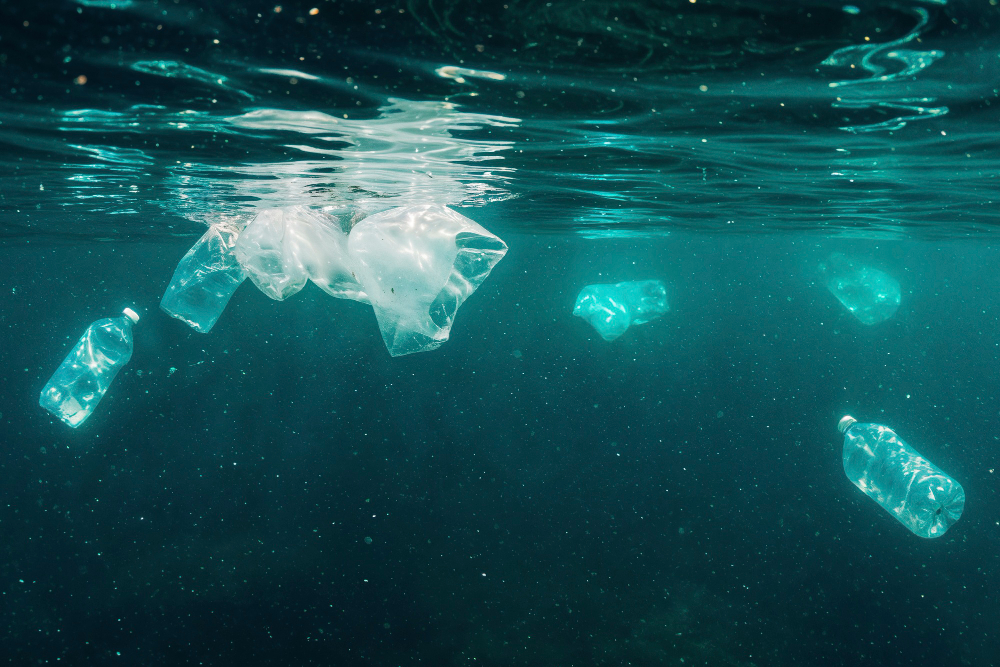
Microplastics and nanoplastics have become a major environmental concern because they are extremely small and can spread easily through waterways. These plastic fragments can move through rivers and oceans, enter wastewater systems, and potentially remain in treated water.
Traditional processes such as filtration and sedimentation often struggle to catch the smallest particles, allowing them to continue circulating through aquatic ecosystems and raising concerns about long-term exposure.
How the New Magnetic Removal Method Works
According to PNU, the process works by forcing the plastic particles to cluster together under magnetic influence. Instead of relying on slow filtration to remove tiny fragments one by one, the method uses magnetic attraction to gather micro and nanoplastics into removable clumps. The research team reported that their method eliminated more than 95 per cent of microplastics and nanoplastics within 10 minutes.
Key Technology: Plate-Shaped Iron-Oxide Magnetic Nanoparticles
The researchers achieved this result using plate-shaped iron-oxide magnetic nanoparticles. The team explained that commonly used magnetic particles are often spherical, but they replaced those with thin, plate-like particles. This shape increases the contact area between the magnetic particles and the plastic fragments, strengthening the interaction and improving capture speed and efficiency.
“Dynamic Confinement” Boosts Trapping Efficiency
When an external magnetic field is applied, the magnetic particles rapidly cluster together. During this process, additional plastics become trapped in a phenomenon the researchers described as “dynamic confinement.” This means that as particles cluster under the magnetic field, they create conditions that pull in and trap even more micro and nanoplastic fragments, improving overall removal.
Chemical Modification and Reusability
The team also improved performance by chemically modifying the surface of the plate-shaped magnetic nanoparticles to strengthen bonding with plastics. In addition, the system was designed to allow for the magnetic recovery and reuse of the magnetic particles, which could reduce both operational costs and environmental impact if the method is scaled up for real-world treatment plants.

Leadership and Publication
The research team was led by Dr. Chung Sung-wook. The findings were published online on Dec 24, 2025, in the Journal of Environmental Management.
Potential Impact on Drinking Water and Wastewater Treatment
PNU’s announcement highlighted that this method may be especially useful because it targets plastic particles that are too small to be removed through standard treatment technologies. By rapidly collecting these microscopic fragments, the technique could become a promising route toward cleaner wastewater discharge and safer drinking water systems in the future.