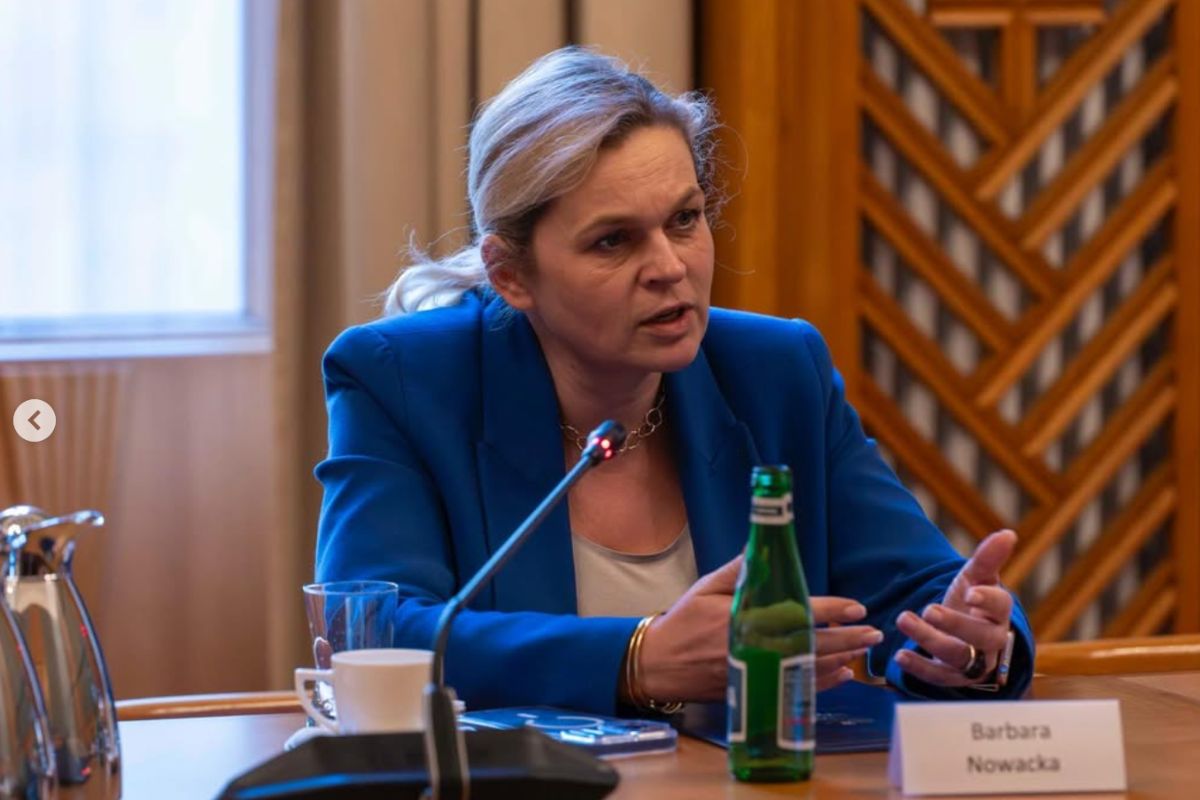
Poland and controversies have a complex relationship. Whether it is their dispute with the European Union over judicial independence, immigration, abortion rights and whatnot. Recently, the Polish Education Minister, Barbara Nowacka, made a major announcement: she plans a major legislative change. According to this change, mobile phones will be banned in all primary schools starting from September 1, 2026.
This rule targets children ages 7 to 15. And the goal is simple: reduce reliance on the Internet during school hours. Nowacka believes that phone use should not be the norm in schools, as it distracts students from real learning every day, which is fairly true. This change happened after years of watching how screens harm young minds.
Schools have been struggling with this problem for a while, especially the primary schools. The minister emphasises that schools should take a strong step to restore proper attention and normal behavior. With this move, Poland has joined the wave of countries working on the kids' device problem, with talks revolving around social media limits for those under 15.
Also read || Britannica Hits OpenAI with Copyright Suit
Rising Screen Concerns
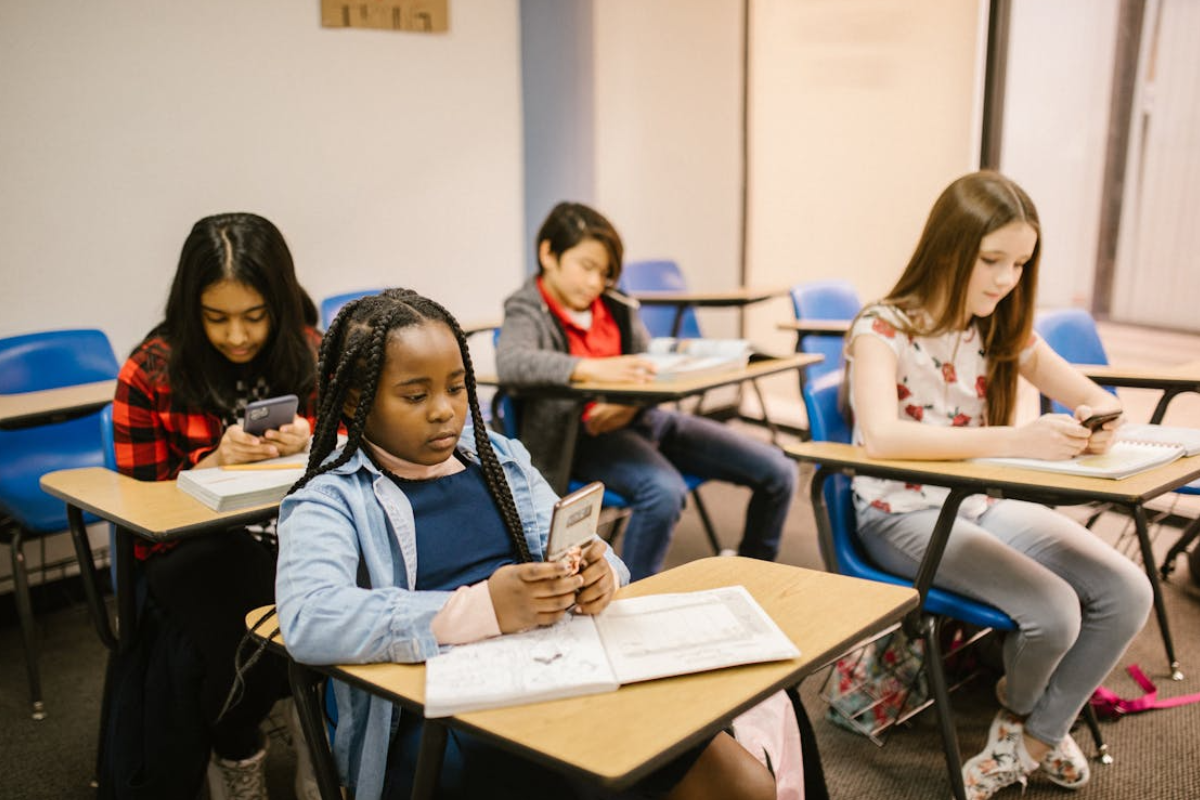
Phones have become a distraction, especially for young children under 15. Minister Nowacka emphasised that children's dependence on phones hinders their ability to focus in class and to follow school policies. Teachers eventually lose the fight against screen glances and notifications, which leads to a daily drop in engagement.
A notable CBOS study suggests that 73% of all Poles support phone bans in schools. Besides, 47% agree very strongly that phones cut down on real conversations between children and hurt their overall learning progress in clear ways. In short, most Poles are welcoming the government's decision wholeheartedly.
Smartphone use is directly linked to lower focus and, eventually, worse academic results, according to global research. It occurs because the crucial learning moments that quickly compound are disrupted by alerts and fast scrolling. Poland's plan aligns with the trend of young children, particularly those in primary school, having shorter attention spans due to excessive daily screen time.
Also read || State of the Union 2026 Ignites AI Boom
What are the details of the planned ban?
This ban targets every primary school across Poland's borders, with full implementation from September 1, 2026. Minister Nowacka made it clear that phones cannot remain a normal part of school life, given how much kids rely on quick internet access even during lessons that demand their full effort. Schools will have to create new, firm rules to enforce this without gaps, ensuring high implementation.
This plan aligns with global trends, as countries like South Korea, France, Belgium, and Italy have already implemented phone rules to protect student concentration and improve classroom behaviour. The minister aims to eliminate the children's biggest distractions that hinder their intellectual growth and to build early habits that help students thrive without phones.
Also read || Why Anthropic is Suing the Pentagon
What does it mean for the Polish future?

While similar bans have shown positive results in other countries, Poland will also aim to foster an intellectually promising society with thriving students. The idea of a ban is well received by parents and teachers, making nationwide implementation resistance-free.
Research groups like the NBER believe that Poland will gradually adjust to these changes. And the classrooms will have better face-to-face interactions and less stress, thanks to fewer buzzing notifications. In the end, this small win would lead to a distraction-free environment, better concentration and quality family time.
Comments (0)
Log in to share your thoughts
No comments yet
Be the first to share your thoughts!