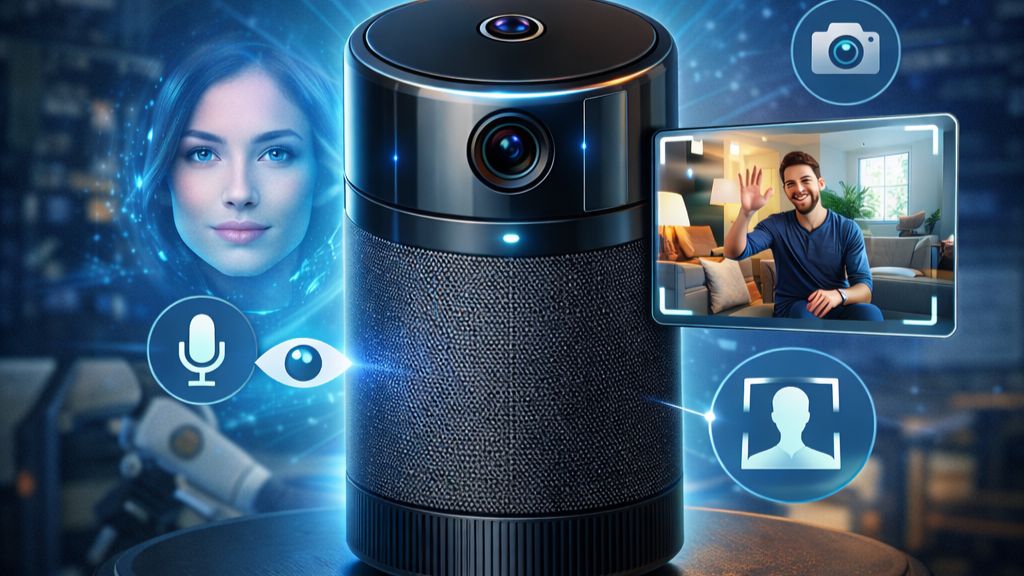
On February 20, 2026, reports confirmed that OpenAI is developing its first major consumer hardware product, an artificial intelligence smart speaker capable of hearing, seeing, and responding to users. The device is expected to be released in early 2027. This launch will mark a significant expansion for the company as it moves beyond software development into physical AI-powered consumer devices.
The smart speaker is designed to combine voice interaction, visual awareness, and advanced AI to deliver a smarter, more personalized home assistant experience.
Background: OpenAI’s Expansion into Hardware
OpenAI is widely recognized for creating advanced artificial intelligence systems such as ChatGPT and DALL·E. Until 2025, the company primarily focused on AI research and software products.
In May 2025, OpenAI acquired io Products, a hardware startup founded by former Apple design chief Jony Ive. This acquisition brought experienced hardware designers and engineers into the company, enabling OpenAI to begin developing physical consumer devices.
Reports indicate that more than 200 employees are currently working in OpenAI’s hardware division, reflecting the company’s strong commitment to entering the consumer electronics market.

Development Announcement on February 20, 2026
On February 20, 2026, media reports revealed that OpenAI is working on several AI-powered consumer devices. These include a smart speaker, smart glasses, and a smart lamp.
Among these products, the smart speaker is expected to be the first to launch. The company does not plan to ship the device before February 2027, meaning the official release is expected in early 2027.
Key Features of the AI Smart Speaker
Advanced Voice Interaction
The smart speaker will be powered by OpenAI’s conversational AI technology. It will understand natural speech, answer questions, provide information, and assist users with daily tasks. The device is expected to deliver more advanced and human-like conversations compared to traditional voice assistants currently available on the market.
Built-In Camera for Visual Awareness
Unlike many existing smart speakers, OpenAI’s device is expected to include a built-in camera. This camera will allow the speaker to recognize people, detect objects, and understand their surroundings. Because of this visual capability, the device will not only respond to voice commands but also react to what it sees in its environment.
Facial Recognition and Personalization
Reports suggest that the smart speaker may include facial recognition technology. This feature could enable the device to provide personalized responses depending on who is present in the room. It may also offer secure authentication for actions such as purchases or access to personal information.
Proactive Assistance
The AI smart speaker is expected to provide proactive assistance. This means it may deliver reminders, alerts, and helpful suggestions without waiting for a direct command from the user. By using both audio and visual input, the speaker could better understand context and respond more intelligently.
Design and Product Strategy
The design of the smart speaker is influenced by the team from io Products, including Jony Ive. The goal is to create a modern, minimal, and elegant device that blends naturally into home environments.
The smart speaker is part of a broader product strategy. OpenAI is also reportedly developing smart glasses that may be released in 2028 or later, along with a smart lamp powered by artificial intelligence. These products could work together as part of a connected AI ecosystem within the home.
Expected Price and Market Competition
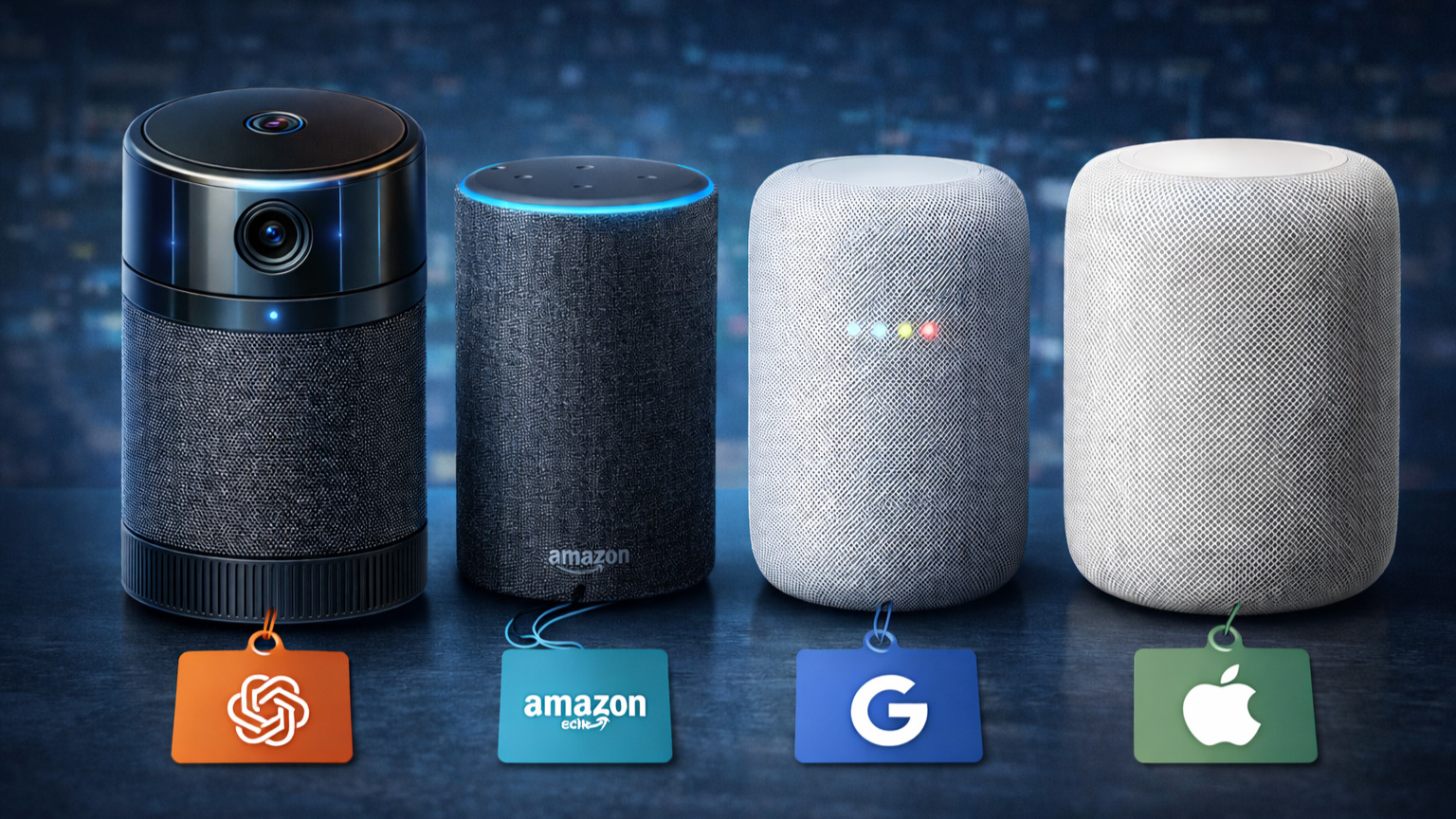
The AI smart speaker is expected to be priced between 200 and 300 US dollars. This pricing places it in direct competition with premium smart speakers such as Amazon Echo, Google Nest, and Apple HomePod.
OpenAI aims to differentiate its device through stronger AI conversation capabilities, visual recognition features, and context-aware assistance that goes beyond traditional smart speaker functions.
Privacy and Security Considerations
Since the device will include microphones and a built-in camera, privacy and data protection are important considerations. As of February 2026, OpenAI has not released detailed privacy policies for the smart speaker. However, user control, secure authentication, and strong data protection measures are expected to be major priorities before the device officially launches in 2027.