OpenAI has discontinued Sora in its consumer app and API after the AI video tool gained major attention for generating short videos from text prompts. The company said the Sora research team will continue working on world simulation research aimed at robotics and other real-world applications.
When SORA was first revealed in 2024, it became the talk of the town and the most-loved creative AI product from OpenAI for its realistic video production via prompts. Since Generative AI was on the boom, it looked like a vital experiment in generative media. Fast-forward to 2026: OpenAI is moving in a different direction and discontinuing what was supposed to be one of its biggest projects.
The decision is surprising as Sora was seen as one of the most ambitious AI video systems, combining realistic visual generation with strong motion and scene simulation. It stood out as a tool that maintained consistency across frames and produced believable movement. Eventually, Sora became a symbol of how far Generative AI video had advanced in a short span of time.
Also read || Reddit CEO: Why AI Won't Kill Entry-Level Jobs
Why OpenAI Made this Change
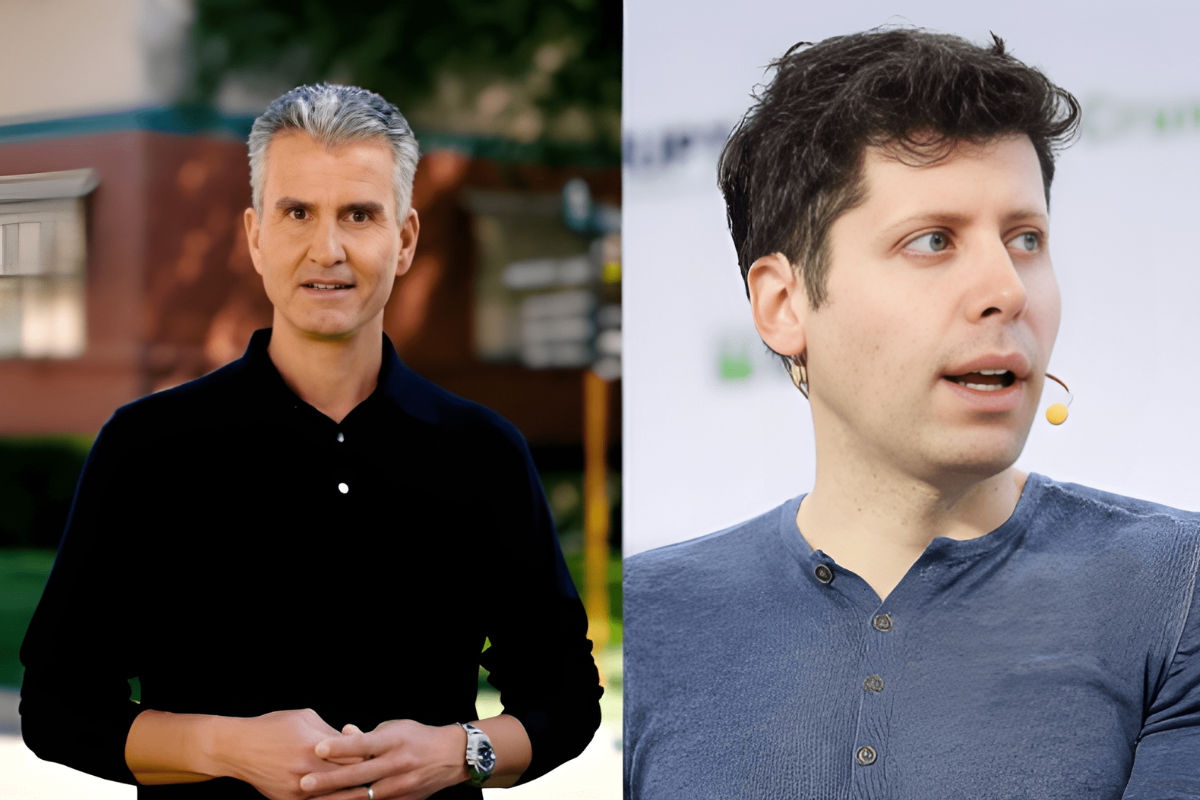
While OpenAI has not given a detailed explanation for ending Sora, the move reflects changing priorities and the fast-paced nature of the Generative AI industry. The Walt Disney Company has officially withdrawn from a planned $1 billion investment and licensing deal with OpenAI, adding another layer to the platform's shift. The company is shifting resources toward areas with broader long-term value rather than maintaining a consumer-facing video app. They are focusing more on simulation research and other AI capabilities that may be easier to scale over time.
The company's statement suggests a stronger focus on simulation-based research and work connected to robotics and physical-world understanding. Future applications will move beyond video generation, with priority given to training systems, gaming, and machine interaction. OpenAI will invest more in real-world models rather than those that generate visually impressive content.
The change aligns with broader AI trends, as companies are building scalable products that better align with their business goals. Tools like Sora can be attractive, but they require high computational power, content moderation, and careful safety controls, making it harder to manage. That's why Sora's shutdown looks more like a strategic pivot than an endpoint.
This move by OpenAI shows that not every impressive AI tool becomes a successful product. Tools can generate excitement, but the implications of cost, legal risk, and market suitability also play a critical role in the AI business. Sora might have been a technically excellent product, but it was affecting OpenAI's budget and long-term vision.
Also read || 4 Key Takeaways From Elon Musk’s Terafab Project
What It Means for AI Video
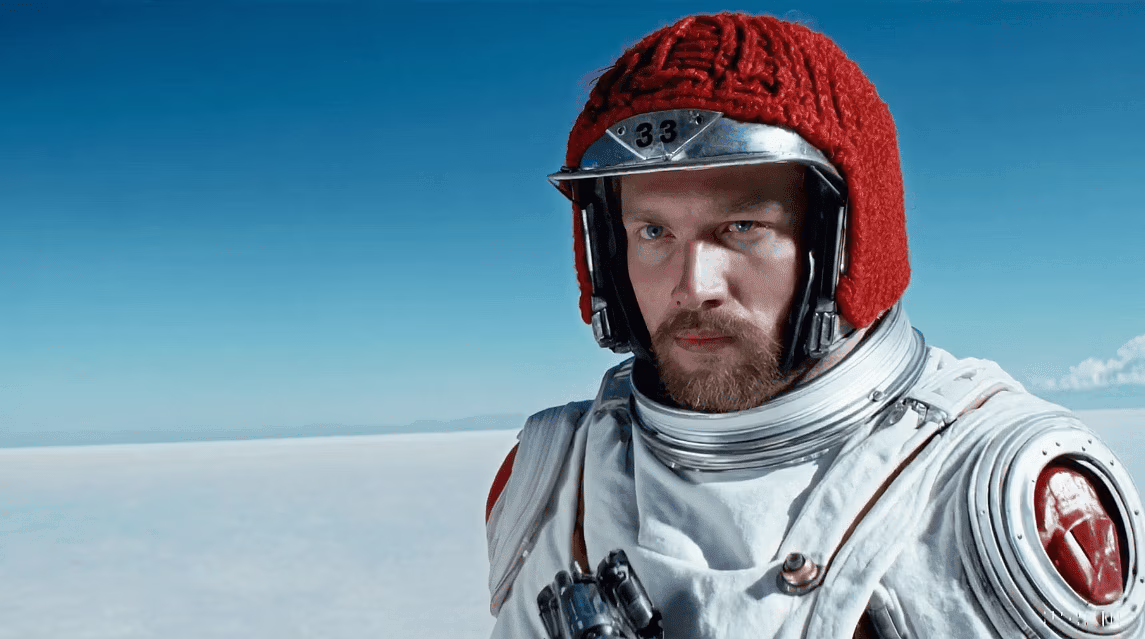
Does Sora's shutdown mean the end of text-to-video AI? The answer is NO! The field is still active, and top-tier players like Google, Meta, and Runway continue to develop similar or better tools. Competition is thriving, and tech is improving rapidly. Sora's end is not the end of creativity. Users will still have options for creating AI-generated videos. However, this move has shifted the market's direction, and AI companies will need to reconsider their budgets, compliance, and long-term goals before investing further in similar tools.
Sora's rise and fall show the tension between innovation and responsibility. There are several issues, such as deepfakes, copyright, consent, and content authenticity, that are still not properly addressed. These issues involve creators, brands, publishers, performers, and audiences, and destroy a system of trust. Thus, companies will need to focus on long-term adoption before capitalizing on such tools.
Also read || 5 Genius Scientists Who Died Poor and Forgotten
OpenAI's shift away from consumer-facing Sora shows that even groundbreaking AI must comply with legal, technical, and commercial realities. With Sora's shutdown, the era of AI video is merely maturing, and the industry is moving towards a disciplined phase with strict guardrails, scalable business models, and safety. Sora proved the possibility of AI video creation, and OpenAI now has to focus only on sustainable, reliable tools that thrive within a complex global market.
Comments (0)
Log in to share your thoughts
No comments yet
Be the first to share your thoughts!