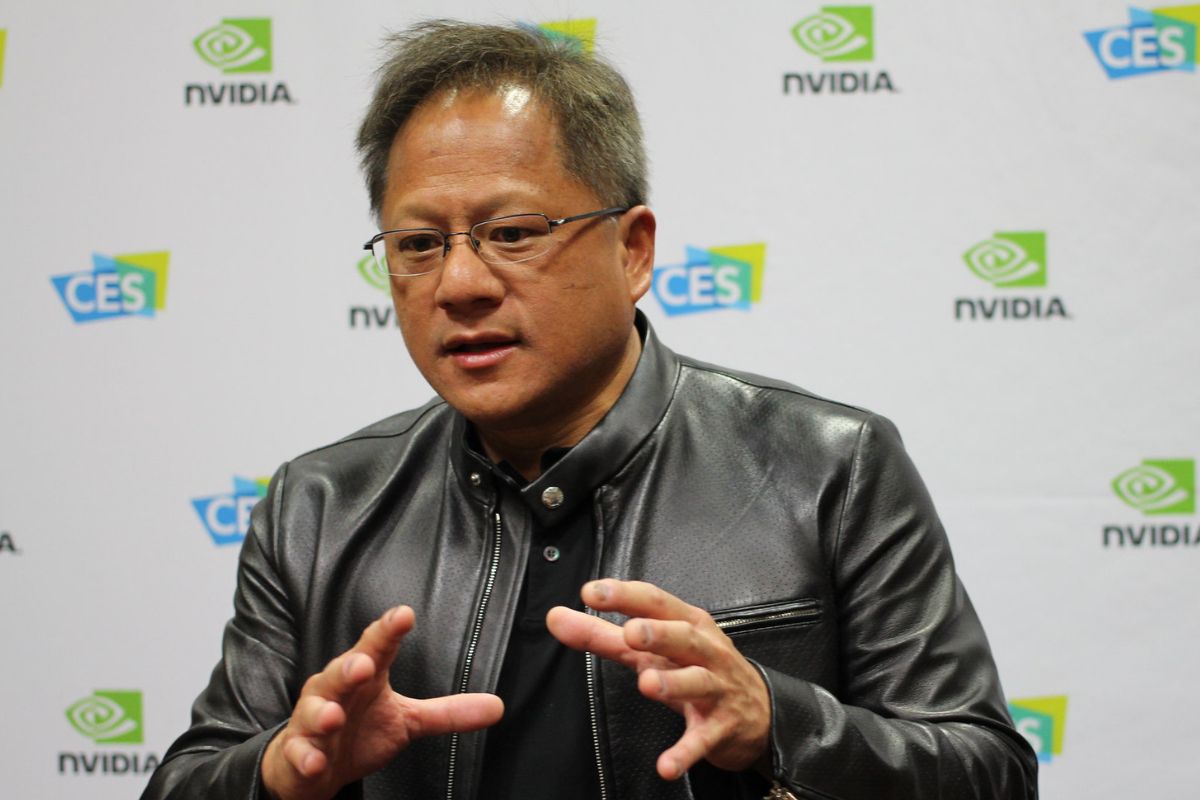
Above: NVIDIA's CEO Jensen Huang during the CES 2017 event. Photo by Maurizio Pesce on Flickr licensed as (CC BY-2.0)
NVIDIA is not only moving faster but also shifting the AI hardware. The San Jose-based trillion-dollar giant is all set to launch a new chip focused on "inference" computing, hinting at a deeper strategy for real-world AI tasks. While traditional chips are primarily designed for training large-scale machine learning models, the newly designed NVIDIA chip will help AI systems respond to questions and handle everyday workloads efficiently. The goal is not only to serve researchers but also to create an impact among real users.
This developing chip will be unveiled at the upcoming GTC developer conference in San Jose from March 16 to March 19. It will combine technology from the startup Groq, which is known for developing ultra-fast AI inference technology. The coolest part of these inference chips is that they are tuned to deliver answers quickly and reliably, just like ChatGPT and other AI assistants. This matters because AI is becoming part of everyday software and services.
Also read || How to Build a Complete AI Content Workflow: Step-by-Step
While industry reports talk about raw performance and speed, NVIDIA's move suggests an emphasis on balance, which means good speed, optimized costs, and accurate answers. Unlike training chips, inference workloads need different design choices, implying that NVIDIA is adapting to the market and moving towards pragmatic AI use cases. It shows how AI silicon is designed for everyday challenges.
Beyond speed, this chip might redefine our expectations for AI responsiveness. NVIDIA aims to solve the real bottlenecks in current hardware, whether it is software development assistance or AI communication between programs. If they manage to solve it, NVIDIA will be miles ahead in mainstream AI adoption.
The stage is set for inference workloads, and it is believed that the real-world AI interactions will become the most valuable segment of AI computing. Users will ask questions or run tasks, and they will receive an appropriate response as quickly as possible. This move by Jensen Huang's NVIDIA will not only make the company a performance leader but also a provider aligned with how people actually use AI.
Also read || Meet Jensen Huang - Poverty to a Rare Billionnaire
Strategic Moves Behind the Scenes

Most people think that NVIDIA is all about chips and massive AI revenue, but the truth is beyond that. They focus on partnerships and influence. In their latest chip, they are licensing technology from Groq in a $20 billion deal involving asset acquisition and key hires, to incorporate design elements. It shows that the company is thinking long-term about owning key technologies rather than buying performance improvements.
Reports also suggest that OpenAI has chosen NVIDIA as its best partner to accelerate inference. NVIDIA plans to invest up to $30 billion in OpenAI's $110 billion funding round. This unique blend of financial and technological strategy goes beyond normal supplier-customer relationships in tech.
This way, NVIDIA is all set to shape the future of AI infrastructure. They don't compete with every startup; rather, they bring valuable technology under their umbrella, strengthening their platform's performance and stickiness. Other organizations may still experiment with alternative chips like AMD or Intel, but NVIDIA's deals place it at the center of how advanced platforms are built and run.
When you combine strategic investments, partnerships, and new chip designs, you are already ahead in the market. And that's what NVIDIA believes. They will set their standards, and others will have to follow. NVIDIA's incremental progress is reshaping how power structures and AI computing work in the tech industry.
Also read || Jack Dorsey AI Layoffs: Block Cuts 40%
What It Means for the Future of AI

If NVIDIA succeeds as it is planned, its impact could go far beyond quicker answers. Inference chips could lower costs and reduce energy usage for AI applications, making advanced AI accessible to smaller companies and products that are not cost-effective to build. It means democratizing some aspects of AI, leading to more innovation outside big tech and elite labs.
Whether you talk about smart assistance or customer support tools, AI is embedded in everyday tech. The goal is not raw performance metrics but the chips' cost-effectiveness and efficiency. NVIDIA suggests that the AI future is not only about big models but about building practical, affordable solutions at scale.
This successful inference chip might prompt competitors such as AMD, Google, and others to rethink their approaches. In the modern AI arms race, it is not important to make the fastest chip, but rather who enables the most cost-effective and functional systems. And, NVIDIA highlights that today's hardware design can shape real-world AI experiences, not just in theory.