
The United States space agency, NASA, has announced a historic mission that will send astronauts toward the Moon for the first time in more than 50 years. The mission is called “Artemis II,” and it will include the first woman and the first Black astronaut ever assigned to a lunar mission.
NASA revealed the four-member crew on 3 April 2023 as part of its major lunar exploration project known as the Artemis Program. The mission is expected to launch around April 2026, depending on technical readiness and safety checks.
NASA’s Artemis Program
The Artemis Program is NASA’s long-term plan to return humans to the Moon and prepare for future missions to Mars. The program was introduced in 2017 and aims to build a sustainable human presence on the Moon. Scientists also want to explore the Moon’s south pole because it may contain water ice that could support future human exploration.
The Artemis missions are designed to test new technologies, spacecraft, and systems needed for deep-space travel. The program follows the historic Apollo 17 mission, which landed astronauts on the Moon in December 1972, marking the last time humans traveled to the lunar surface.
Artemis I: First Test Mission
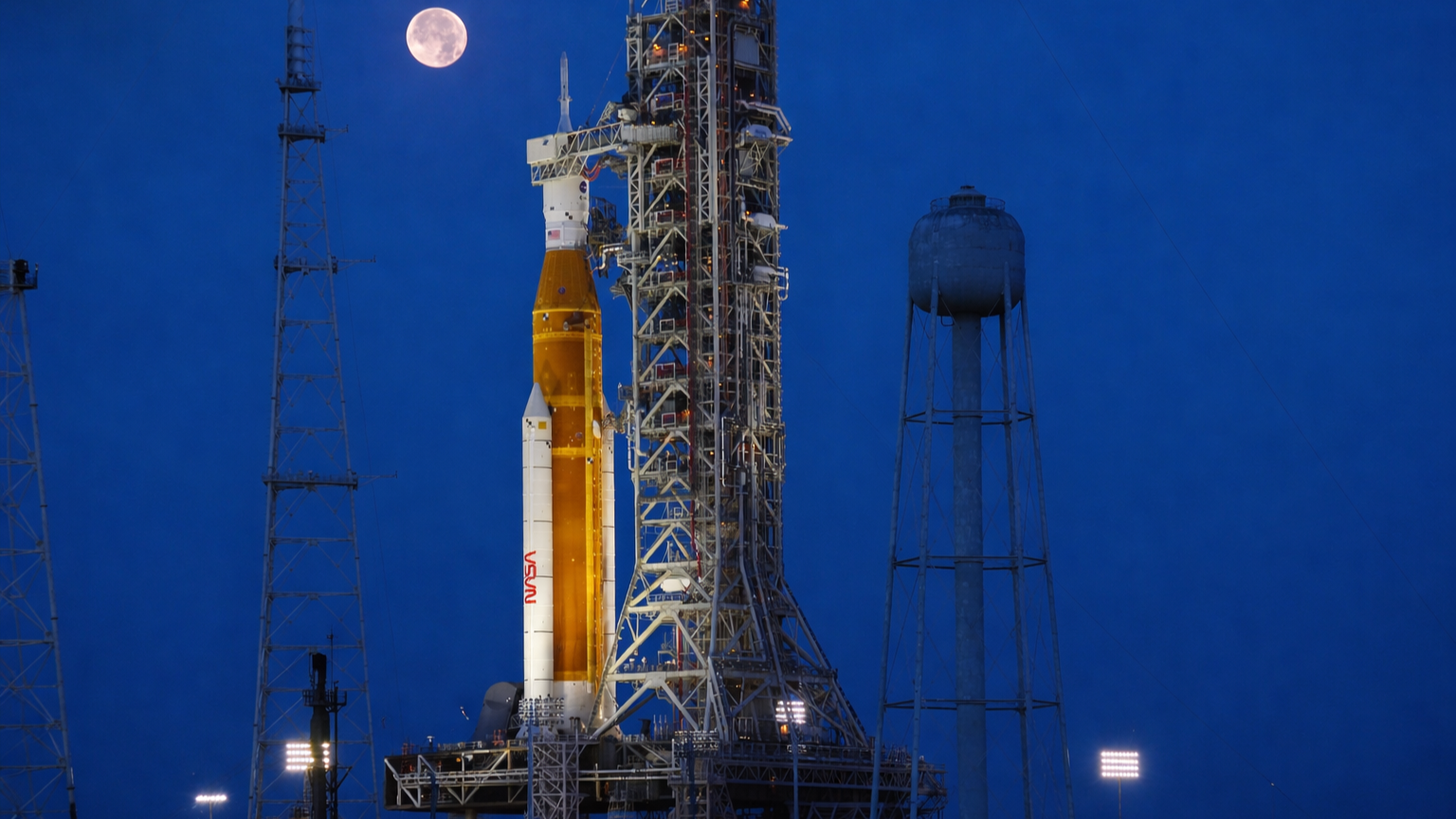
The first mission in the Artemis program, Artemis I, successfully launched on 16 November 2022 from Kennedy Space Center.
The mission carried no astronauts and was designed to test NASA’s new deep-space spacecraft and rocket systems before humans were sent on similar journeys.
The spacecraft used for the mission was Orion, which was launched by the powerful Space Launch System (SLS) rocket.
During the mission, Orion traveled around the Moon and safely returned to Earth on 11 December 2022. The mission lasted 25 days and covered a distance of approximately 1.4 million miles, demonstrating that the spacecraft could safely travel in deep space.
Artemis II: First Crewed Mission
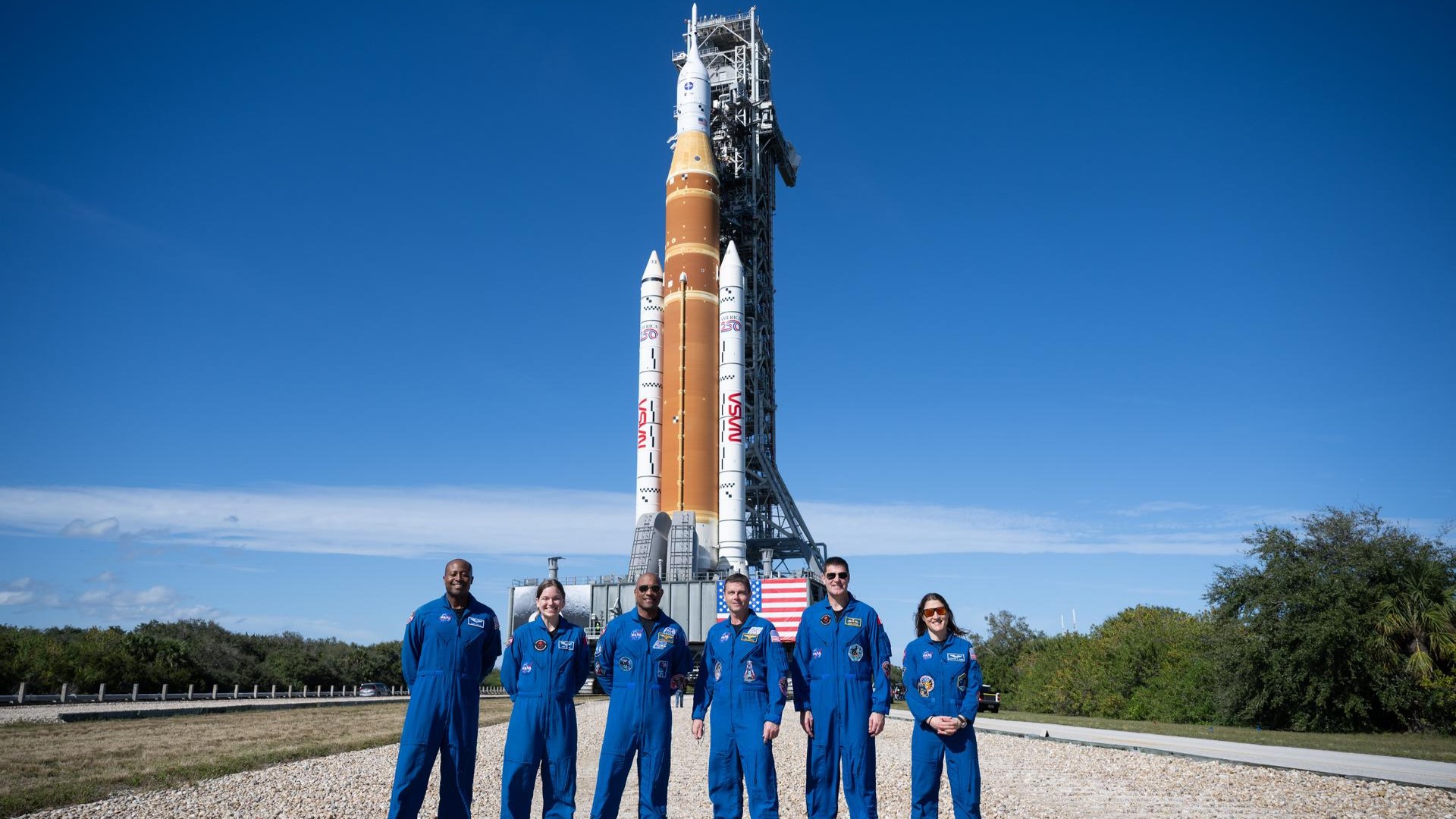
The Artemis II mission will be the first crewed mission of the Artemis program. Unlike earlier Apollo missions, Artemis II will send astronauts around the Moon but will not land on the lunar surface.
The mission is expected to last about 10 days. The Orion spacecraft will carry the astronauts into deep space and travel around the Moon using a “free-return trajectory,” meaning the Moon’s gravity will guide the spacecraft safely back to Earth.
During the return journey, the spacecraft will re-enter Earth’s atmosphere at speeds of nearly 25,000 miles per hour, making it one of the fastest re-entries in human spaceflight.
Astronaut Crew for Artemis II
NASA announced the Artemis II crew at Johnson Space Center on 3 April 2023.
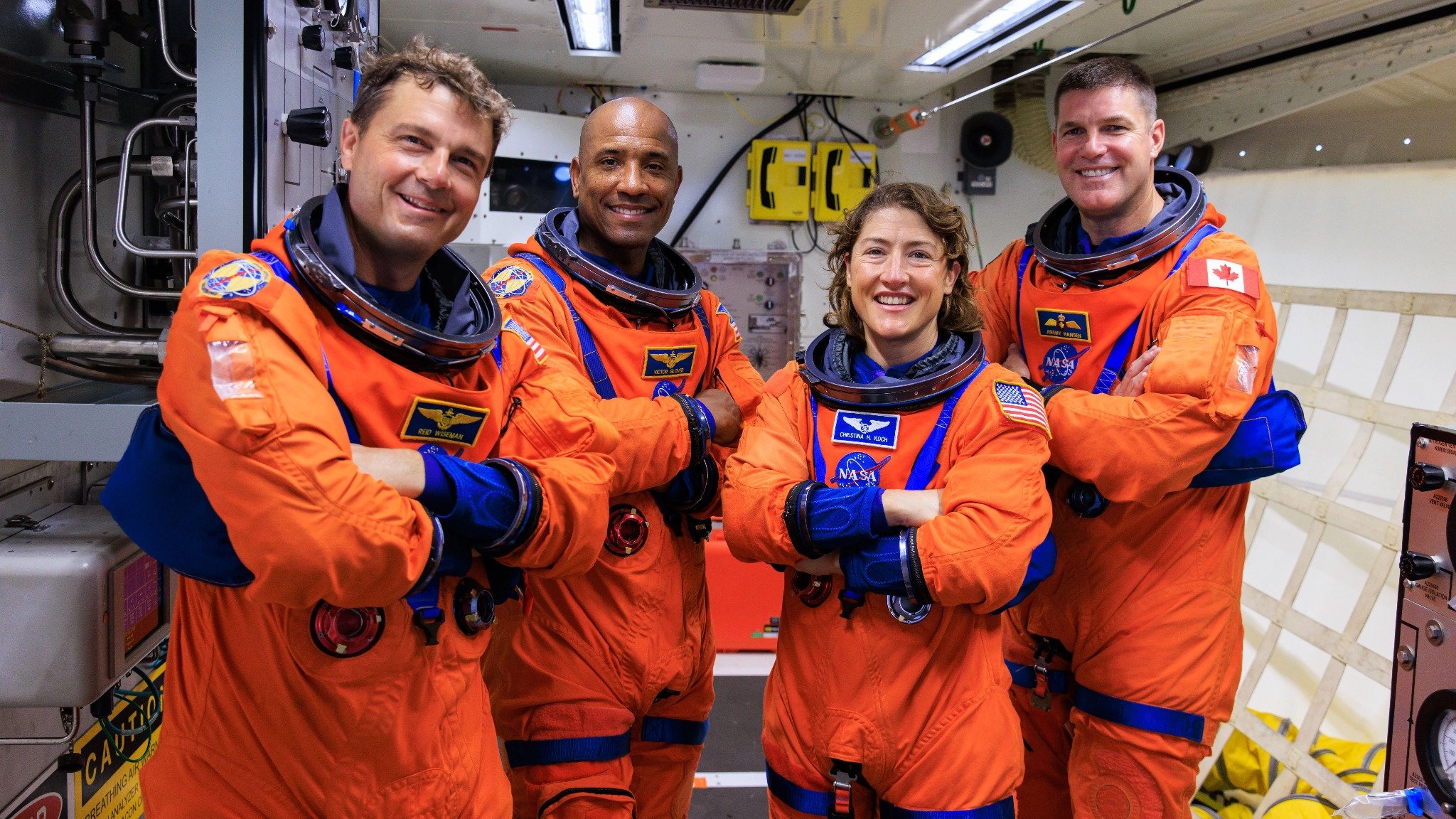
The mission will be led by Reid Wiseman, who will serve as the mission commander. Victor Glover will serve as the pilot of the spacecraft. The two mission specialists are Christina Koch and Jeremy Hansen.
First Black Astronaut Assigned to a Lunar Mission
Victor Glover
Victor J. Glover will become the first Black astronaut to travel toward the Moon when Artemis II launches. He was born on 30 April 1976 in Pomona, California, United States.
Glover is a NASA astronaut and a U.S. Navy test pilot, and he was selected as an astronaut in 2013.
Before being selected for Artemis II, Glover flew to the International Space Station aboard SpaceX Crew-1 on 15 November 2020. During that mission, he spent about 168 days in space.
First Woman Assigned to a Lunar Mission
Christina Koch
Christina Hammock Koch will become the first woman assigned to a mission traveling toward the Moon. She was born on 29 January 1979 in Grand Rapids, Michigan, United States.
Koch is an electrical engineer and NASA astronaut, and she was selected as an astronaut in 2013.
Koch previously set a record for the longest single spaceflight by a woman, spending 328 days aboard the International Space Station from 14 March 2019 to 6 February 2020.
She also participated in the first all-female spacewalk on 18 October 2019, marking another important milestone in space exploration.
International Cooperation in the Mission
The Artemis II crew also includes Jeremy Hansen, an astronaut from the Canadian Space Agency.
Hansen was born on 27 January 1976 in London, Ontario, Canada, and he previously served as a fighter pilot before becoming an astronaut.
When Artemis II launches, Hansen will become the first Canadian astronaut to travel around the Moon, demonstrating international cooperation in modern space exploration.
Mission Delays and Technical Testing
NASA has delayed the Artemis II launch several times in order to ensure the safety of astronauts and spacecraft systems.
Engineers discovered technical issues, such as hydrogen leaks and other system concerns, during testing of the Space Launch System rocket.
After repairs and additional testing, NASA is now targeting April 2026 for the Artemis II launch. However, the final launch date may still change depending on mission readiness.
Future Mission: Artemis III
Following Artemis II, NASA plans to launch Artemis III, which aims to land astronauts on the Moon near its south pole.
This mission is expected to send the first woman and the first person of color to walk on the Moon.
NASA is developing the lunar landing system in partnership with SpaceX.