
Meta Platforms Inc., the parent company of Facebook and Instagram, has received a United States patent for an artificial intelligence system that could simulate a person’s activity on social media even after they stop using the platform or die.
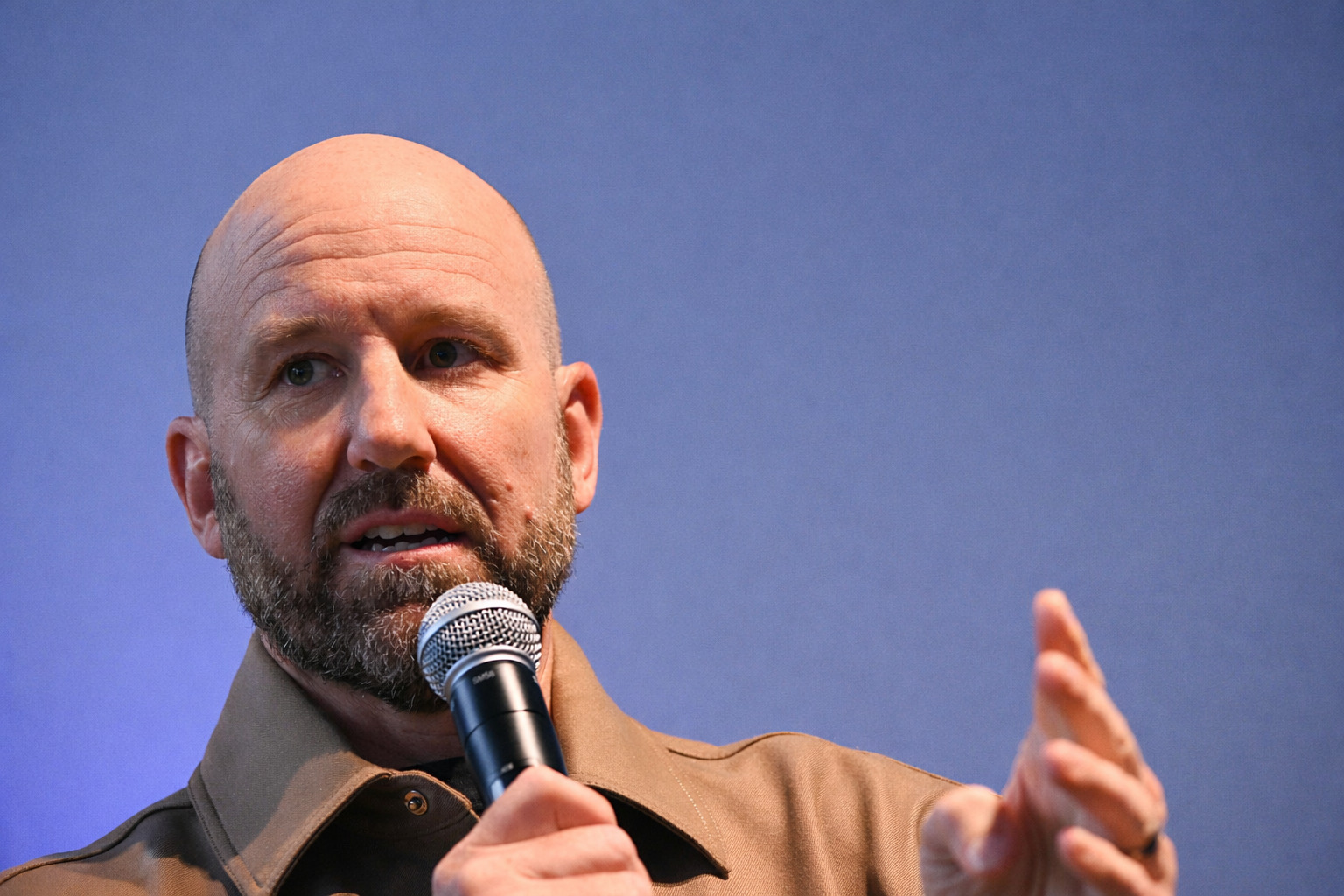
The patent was officially granted on December 30, 2025, by the United States Patent and Trademark Office. It is numbered US 12513102 B2 and is titled “Simulation of a user of a social networking system using a language model.” Meta first filed the patent application in 2023. The main inventor listed on the document is Meta’s Chief Technology Officer, Andrew Bosworth.
What the Patent Describes
According to the patent documents, the system would use a large language model, which is a type of artificial intelligence trained to understand and generate text similar to human writing. The AI would be trained using a specific user’s past activity on social media.
This activity includes posts, comments, reactions, likes, direct messages, and other interactions. The AI would study this data to learn how the person communicates, what type of content they share, and how they respond to others.
After learning from this information, the system could generate new content that matches the person’s style. It could reply to messages, comment on posts, react to updates, and even create new posts. The patent also mentions the possibility of simulating audio or video interactions that resemble how the person speaks or behaves online.
The document clearly states that the system may be used when a user is absent from the platform for a long time or “if the user is deceased.” This means the AI could continue posting and interacting even after the person has died.
Why the System Was Proposed
The patent explains that when users suddenly become inactive, it may affect the experience of others connected to them on the platform. Friends and followers may notice the absence. The AI system is described as a way to maintain engagement and continuity within the social network.
By simulating a person’s behaviour based on past data, the system would attempt to keep the account active and responsive.
Meta’s Official Statement
After media reports began circulating in February 2026, Meta clarified that receiving a patent does not mean the company plans to launch the technology. Company representatives stated that Meta frequently files patents to protect research ideas and possible future innovations. Many patented ideas are never turned into actual products.
Meta has said that it currently has no plans to move forward with this specific AI system.
Public Reaction and Concerns
The patent has raised concerns among experts and members of the public. Some people have questioned whether individuals would want their personal data used to simulate their behaviour after death. There are also concerns about privacy, consent, and control over digital identity.
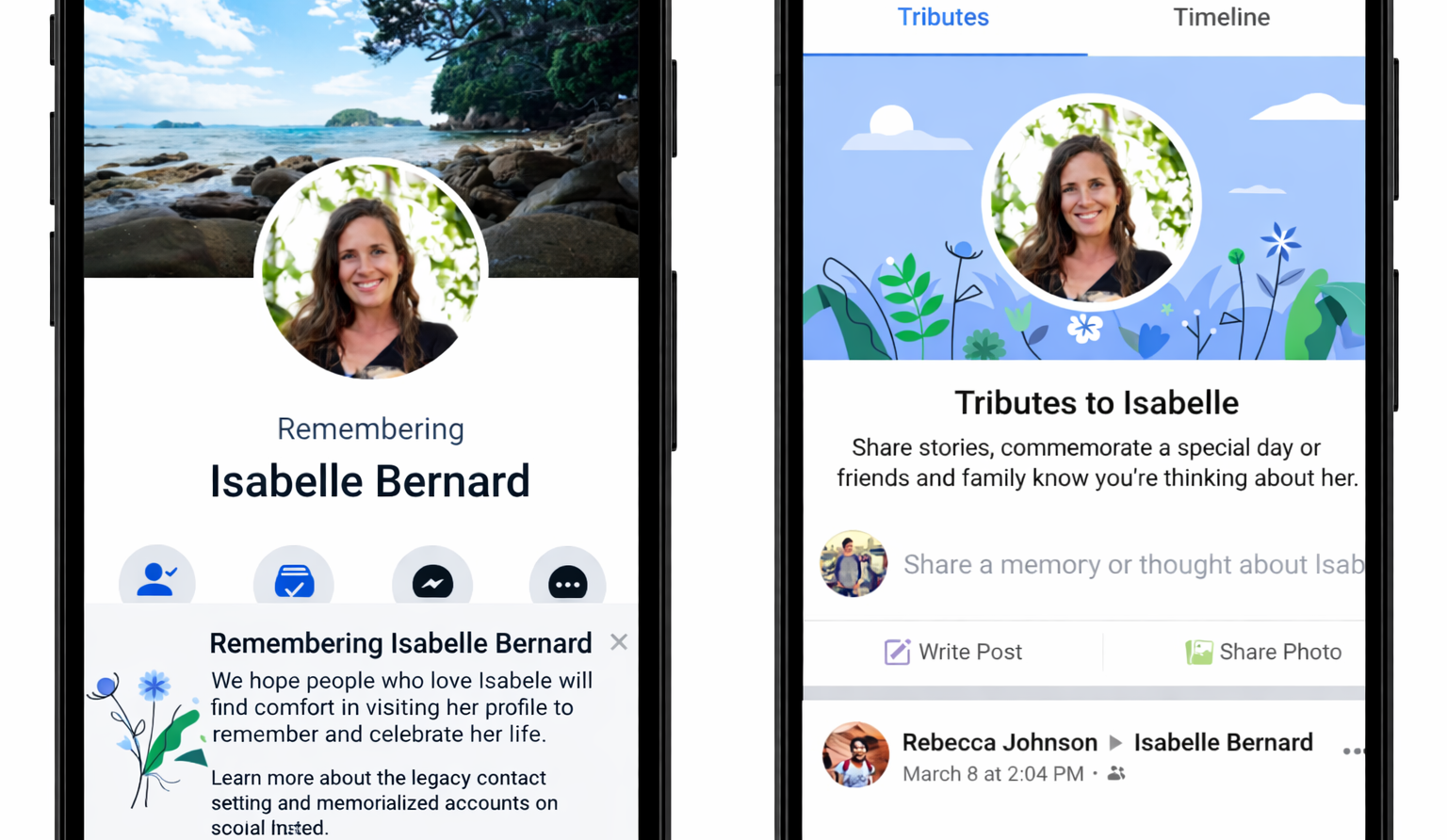
Currently, social media platforms like Facebook and Instagram allow accounts to be memorialized after a person dies. Memorialized accounts remain visible but do not generate new posts. The AI system described in the patent would be different because it could actively create new interactions.
Current Status
The AI system described in the patent remains only a concept protected by intellectual property rights. There is no new feature or service available to users based on this technology.
The patent shows how major technology companies are exploring advanced uses of artificial intelligence, including ways to extend digital presence. However, for now, the system exists only in patent documents and has not been implemented on social media platforms.