
Not many of the future billionaire stories begin in a garage or they get the chance to study in a famous university’s lab, similarly Jensen Huang’s struggle with poverty was so immense that he had to become a cleaner to support his home. During his struggle phase, Jensen realized that no job in this world is small and that a person’s personality is built on these hardships, which he famously believes as “formed out of people who have suffered.”
Education Of A Visionary
After he was reunited with his family in Oregon, Huang’s trajectory shifted towards the world of high - performance engineering. He completed his graduation studies in electrical engineering from Oregon State University, where he also met with his wife and lab partner, Lori. Later on, he did his Master’s degree from Stanford University, balancing both careers in education. This type of brilliant combination of academic rigor as well as hands on experience gave him a unique perspective on the future of computing. He visualised a world where the functionality of the computers were not enough to solve the complexities of the future, resulting in co-founding NVIDIA in 1993 during a meeting at a local restaurant.
Hardships At NVIDIA
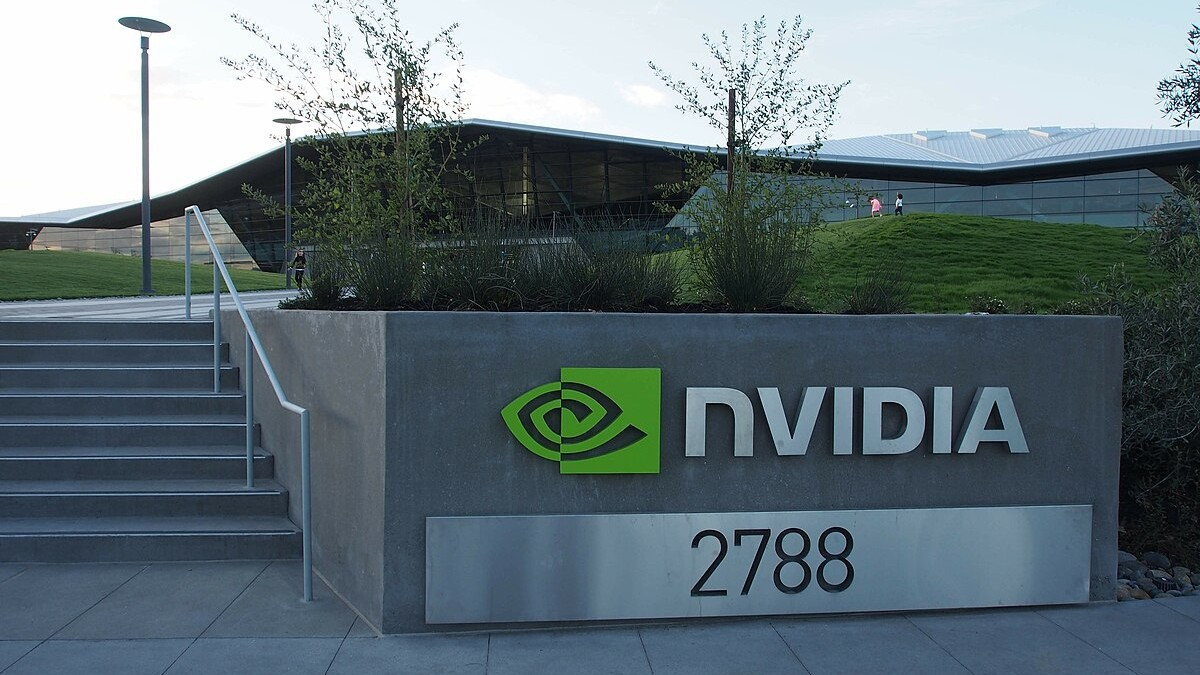
NVIDIA almost died several times before it was ever truly lived. One of the most pivotal moments occurred in the mid-1990 s, when a critical flaw in their graphics chip for Sega threatened to bankrupt the young company. Following this, Huang flew to Japan to personally tell Sega’s leadership that their technology wouldn't work. He also asked them to clear off his remaining contract payment anyway to keep NVIDIA surviving. Finally, Sega agreed and at that moment everything changed for NVIDIA’S future. Eventually, the company could build the GPU (Graphics Processing Unit) in the year 1999, which brought a revolution in the world of gaming and laid the framework for the modern AI era.
Philosophy of Suffering And Present Moment
Huang’s philosophy of life and work is different from what the typical Silicon Valley believes “optimism.” He tells his students and employees that he does not want them to be just smart, he wants them to suffer to a reasonable degree. For Huang, resilience is a muscle that can only be built through adversity and the constant, healthy fear of failure. He lives with the mindset that his company is always “30 days from going out of business,” a formula that prevents complacency even as NVIDIA’s valuation spikes to trillions. Another surprising fact is, he does not prefer wearing a watch. Once he said, "I don't have a watch because now is the most important time for me.” So, he believes and advises everyone, especially the younger generation that the focus should remain on the present moment and on the task which is at hand.
The Legacy Of First Principles

At the core of his work, there is a commitment to “first principles” thinking. Instead of just relying on industrial trends or doing things as they have always been done, Huang’s thought regarding this is entirely different. He firmly believes in the idea that we can reinvent a problem in uncountable ways from scratch, using today's modern technological tools and motivations. This mindset is the reason being NVIDIA’s transition from a gaming company to the backbone of AI revolution and autonomous driving. Today, Jensen Huang’s legacy is not just the chips that powers our world, but a life-changing reminder that the most difficult paths, especially the ones involving grit, manual labor and the courage to admit failure are often the ones that lead to the most extraordinary destinations.