The best thing about technology is not that it is ever evolving, but its ability to democratize the world. However, we often talk about how some countries are tech powerhouses or "tech superpowers", which is debatable. Whether it is the USA or China, every nation wants to control the chips, the code, and the cloud.
With the ever-evolving digital landscape, the world is more divided yet interconnected. For instance, if a critical incident happens in Taiwan, it not only affects the Taiwanese people but also the people in Silicon Valley. So, let us dive in and decode who actually holds control over tech in this fast-paced modern era.
Also read || AI Can Now “Rent” Human Bodies for Real-World Tasks
The Titans of Innovation: Silicon and Software
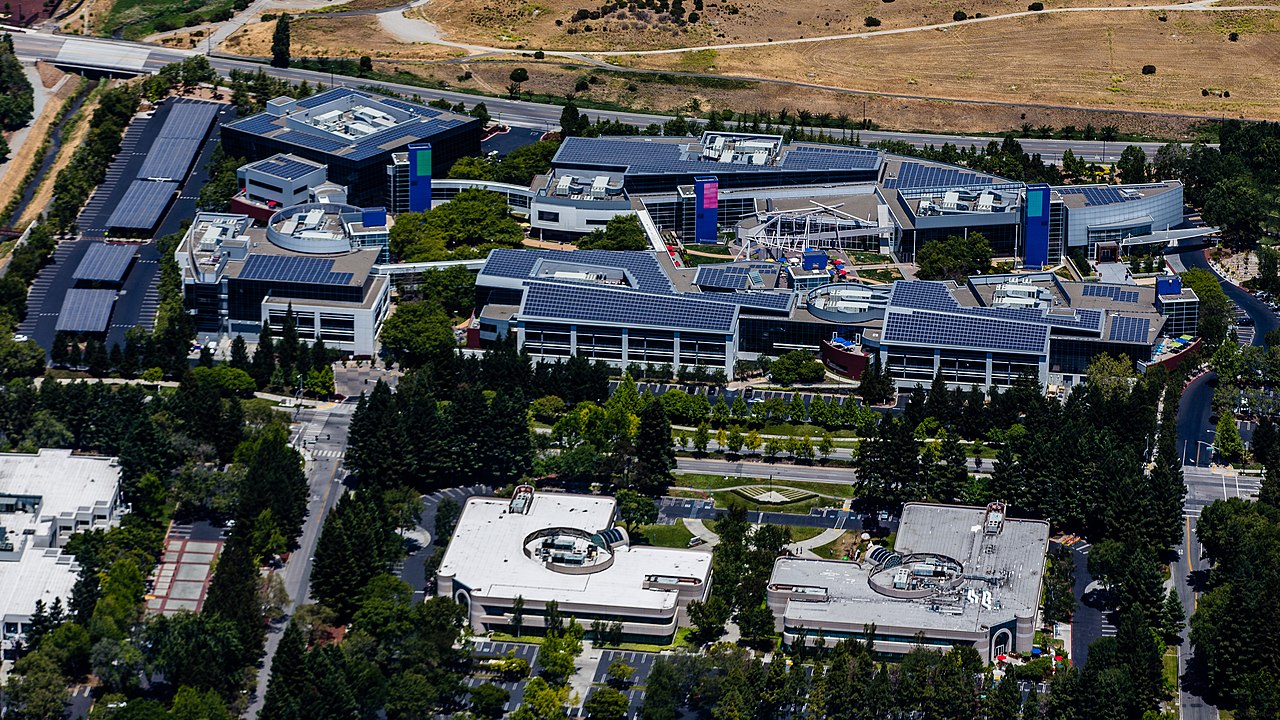
Fueled by Silicon Valley's relentless drive, the United States is the uncrowned tech superpower. Whether it's your mobile app or LLMs (Large Language Models) in your browser, everything has started in American labs. By 2026, the USA will double down on domestic chip manufacturing to secure its lead. What makes America unique is its combination of creative software and financial investment that keeps it ahead.
China is the tech giant of the East, and has built a digital ecosystem that rivals any Western counterpart. They have everything a techie needs, whether it is advanced robotics or 5G infrastructure, which transforms them into a hardware powerhouse. Their emphasis on mass production and rapid deployment suggests they can turn an idea into a product faster than any rival. Now, they are leading the world in green tech and high-speed transit, making them unbeatable.
Nevertheless, success depends more on grit, passion, and perseverance than on the size of the country. It is about being irreplaceable. Countries like Taiwan and the Netherlands play "gatekeeper" roles as they produce the ultra-complex machines that make modern life possible. Without their specific expertise, the global supply chain for electronics would simply stop working. That's what we call a unique leverage that does not require a massive army or a huge population.
Also read || Why Anthropic is Suing the Pentagon
The Digital Heartbeat: AI and Semiconductors
AI is the new electricity of the 2020s, and the race to master it is brutal. With companies like OpenAI, Google, and Anthropic, the USA leads in generative AI and LLMs; they are setting the stage for how humans interact with machines. They are changing how we study, work, and do business. By mid 2026, AI integration will become the primary benchmark for measuring a nation's true tech influence.
We often ignore the hardware, but it is the silent engine of the tech revolution. Semiconductors are the most precious resource for countries right now. And that's why South Korea and Japan are still dominating the memory and precision materials markets, ensuring that our devices are that fast and efficient. Their specialized industries create a "tech shield" that protects their economies from global shifts.
East Asian nations might not be building the apps, but they are providing the essential physical components that every app needs. True tech superpower status is less about making gadgets and more about building a data-centric ecosystem. Similarly, the European Union is emerging as a regulatory superpower and shapes the data security, privacy, and safety laws globally. Despite having no TikTok or Google-like brands, the EU changes how these apps are operated everywhere, proving that legal frameworks are as powerful as lines of code.
Also read || OpenAI to Buy Promptfoo for AI Security
The Future Frontier: What Comes Next?
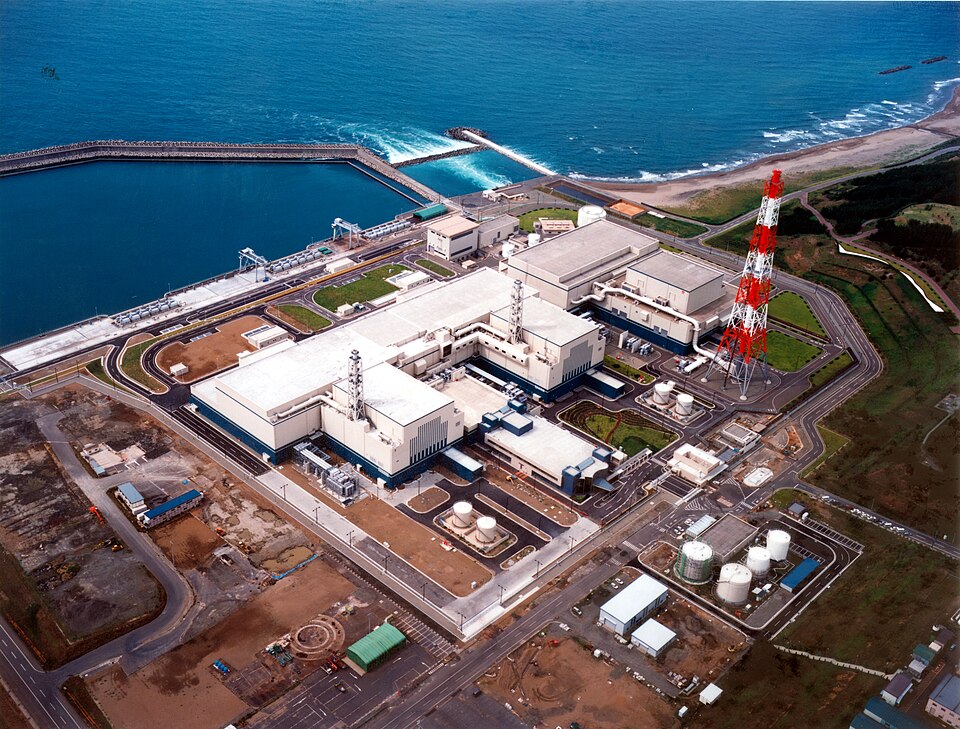
The major question is what would be the next big thing? Moving forward, we realize that the definition of tech superpower is shifting towards energy and sustainability. Any nation that masters nuclear fusion or perfects long-term battery storage will dominate the future. Countries are fighting to solve the climate crisis using advanced engineering and satellite monitoring. Thus, tech is no longer just about social media; it is about the survival and flourishing of our global civilization.
Connectivity is another factor, reaching the final frontier as satellite internet covers the most remote corners of our planet. It allows students in rural areas to have access to the same information as those in the bustling tech hubs like San Francisco or Bengaluru. When you break down these digital divides, it gives a country a superpower and a chance to contribute to a shared technological future.
In the end, no single country can hold a total monopoly on technology in our deeply interconnected world. The USA and China may have an edge over others, but they are also dependent on components that are manufactured in relatively smaller nations like Taiwan or Japan. What we see is a "multipolar" system where different nations lead in software, hardware, regulation, or manufacturing. The real superpower is this global network of human brilliance that keeps pushing the boundaries of what is possible.