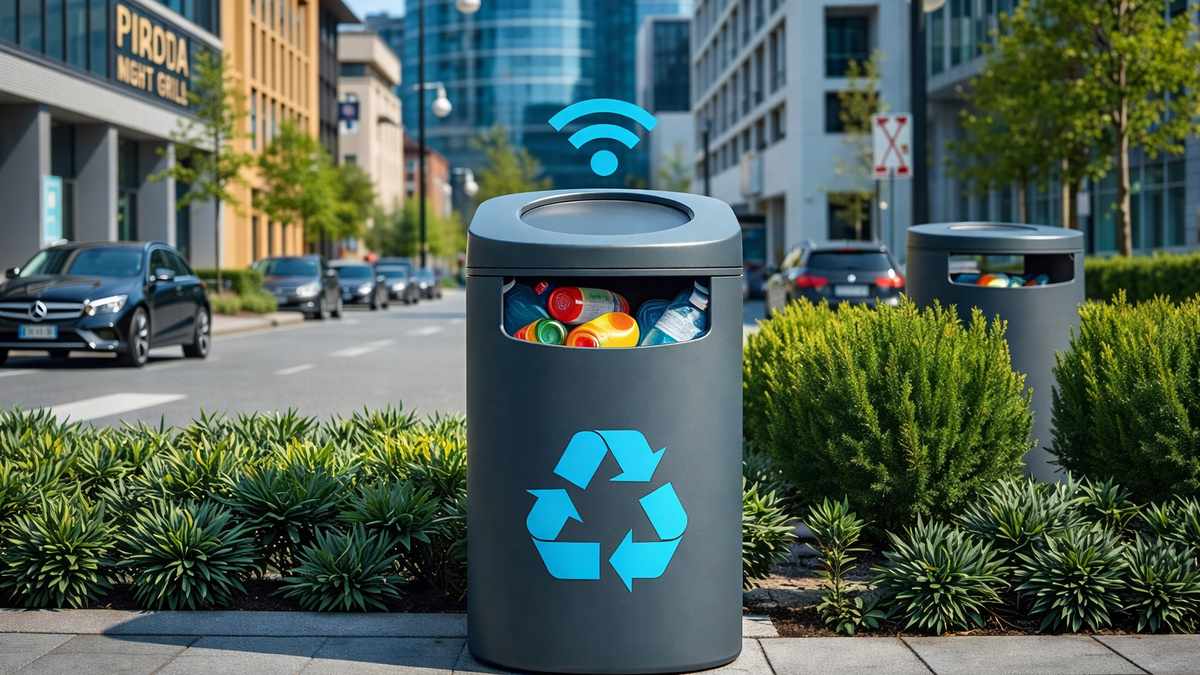
The Internet of Waste is a modern waste management system that uses digital technologies to improve the way waste is collected, monitored, recycled, and disposed of. It connects waste bins, collection trucks, recycling centers, and disposal facilities through internet-based systems.
The concept emerged as part of the broader smart city movement during the 2010s. The main objective of the Internet of Waste is to increase efficiency, reduce environmental impact, and lower operational costs.
Meaning of the Internet of Waste
The Internet of Waste refers to a connected system in which waste management infrastructure is equipped with sensors and communication devices. These devices collect real-time data and transmit it to centralized digital platforms.
The system replaces traditional fixed waste collection schedules with data-driven decision-making. Waste is collected only when bins are nearly full rather than on a routine schedule.
This approach reduces unnecessary vehicle movement and improves overall operational efficiency.
Evolution of Waste Management
In traditional waste management systems, collection trucks followed fixed routes and schedules. Bins were emptied whether they were full or not. This method often resulted in wasted fuel, higher operational costs, and inefficient resource utilization.
With the development of the Internet of Things (IoT) and cloud computing after 2010, it became possible to install smart sensors in waste bins. These sensors measure fill levels and transmit data to centralized systems.
As digital technologies advanced, many cities began adopting smart waste management systems as part of their sustainability and smart city initiatives.
How the Internet of Waste Works
The Internet of Waste operates through several interconnected technologies working together.
Smart sensors are installed inside waste bins to measure fill levels. Some sensors also detect temperature to reduce fire risks. The collected data is transmitted through wireless communication networks to cloud-based platforms. The data is then analyzed using artificial intelligence and advanced data analytics tools.
The system predicts when bins will become full and automatically generates optimized routes for collection trucks. GPS tracking monitors vehicle movement and improves route efficiency. Waste management authorities can oversee the entire system through digital dashboards that display real-time operational information.
Technologies Used
The Internet of Waste depends on multiple advanced technologies working in integration:
-
IoT devices connect physical waste infrastructure to digital networks.
-
Artificial intelligence analyzes patterns and predicts waste generation trends.
-
Cloud computing stores and processes large volumes of data.
-
Big data analytics identifies patterns and improves planning accuracy.
-
GPS systems track vehicles and ensure efficient route management.
Together, these technologies create an integrated and intelligent waste management system.
Real-World Implementation
The concept of the Internet of Waste, which integrates IoT sensors, RFID systems, GPS tracking, and digital dashboards to enhance waste management efficiency, has been implemented in multiple cities worldwide. In recent years, these smart waste management systems have delivered measurable environmental, operational, and economic benefits.

Barcelona, Spain
Barcelona began deploying smart city technologies, including IoT-enabled waste management systems, in 2012 as part of its broader smart city transformation strategy. The city installed fill-level sensors in waste containers that transmit real-time data to municipal control centers.
This system enables waste collection trucks to follow optimized routes instead of operating on fixed schedules. By collecting waste only when bins approach capacity, Barcelona reduced unnecessary trips, lowered fuel consumption, decreased carbon emissions, and cut operational costs.
In addition to sensor-based bins, Barcelona expanded its pneumatic waste collection system across several districts during the 2010s, further modernizing its urban sanitation infrastructure.
Seoul, South Korea
In 2013, Seoul fully implemented its Smart Food Waste Management System following South Korea’s national policy mandating food waste recycling. The city introduced RFID-enabled food waste bins in residential areas.
Residents use identification cards to access the bins, and the system automatically weighs the deposited food waste. Disposal fees are calculated based on the exact weight under a pay-as-you-throw model.
This data-driven approach significantly reduced food waste generation in Seoul while improving recycling efficiency. The collected organic waste is processed into compost or animal feed, supporting circular economy practices and reducing reliance on landfills.
Dubai, United Arab Emirates
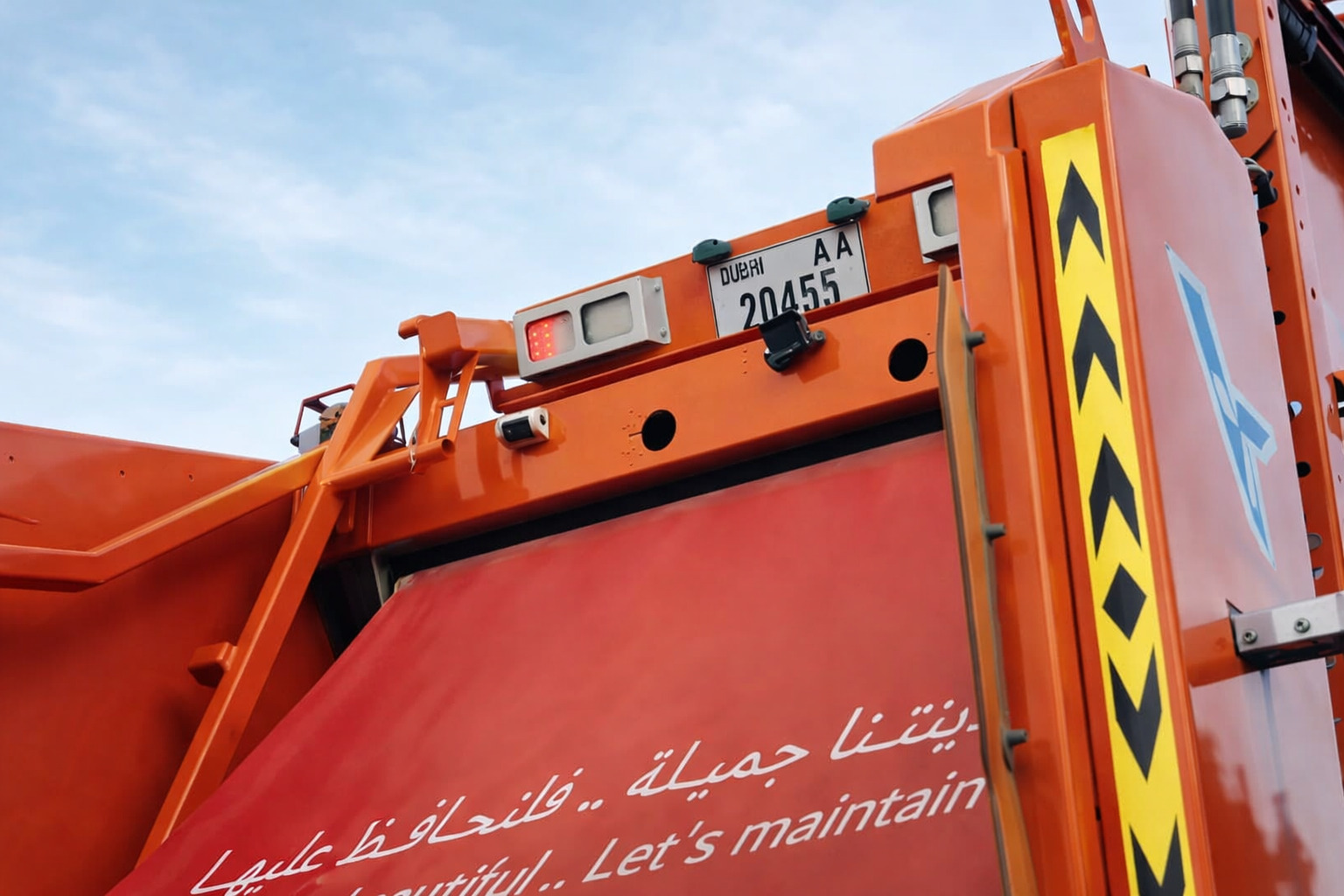
Dubai, through Dubai Municipality, gradually implemented smart waste monitoring systems as part of its Smart Dubai strategy launched in the mid-2010s.
In 2025–2026, Dubai expanded the use of AI-powered monitoring systems and smart sensors in waste collection operations. These systems track container fill levels and vehicle movements through centralized digital dashboards.
By adjusting collection schedules based on real-time data, Dubai has improved operational efficiency, reduced unnecessary collection trips, and strengthened its long-term sustainability and smart city objectives.
Singapore
Singapore launched its Smart Nation initiative on 24 November 2014. Under this framework, smart waste management systems were gradually introduced beginning in 2015.
The National Environment Agency uses digital monitoring systems and route optimization software to manage waste collection efficiently, particularly in high-density public housing estates.
Sensor-enabled bins and centralized monitoring platforms help prevent overflow, improve response times, and maintain Singapore’s high standards of urban cleanliness.
India
The Government of India launched the Smart Cities Mission on 25 June 2015 to modernize urban infrastructure across selected cities, with waste management identified as a key focus area.
Cities such as Indore and Pune introduced GPS-enabled waste collection vehicles, digital monitoring dashboards, and real-time tracking systems during the late 2010s.
These systems ensure accountability in door-to-door waste collection and improve route efficiency. Indore, in particular, has consistently ranked among India’s cleanest cities in national cleanliness surveys due to its combination of digital monitoring, strict enforcement, and strong public participation.
Benefits of the Internet of Waste
The Internet of Waste offers several environmental, economic, and social benefits.
Environmentally, it reduces fuel consumption and lowers carbon emissions. It prevents overflowing bins and reduces litter in public spaces. It also supports higher recycling rates through improved waste tracking.
Economically, the system lowers operational costs and improves workforce productivity. Optimized routes reduce vehicle wear and maintenance expenses.
Socially, it helps maintain cleaner cities and improves public health standards. It increases transparency in waste management services and strengthens public trust.
Challenges and Limitations
Despite its advantages, the Internet of Waste faces certain challenges. Installing sensors and digital infrastructure requires significant initial investment. Developing regions may face limitations due to inadequate internet connectivity and technological infrastructure.
Data security is another concern, as connected systems may be vulnerable to cyber threats. Regular maintenance of sensors and communication devices is essential to ensure long-term reliability and system performance.
Role in Sustainable Development
The Internet of Waste plays an important role in promoting sustainable development. It supports efficient resource management and reduces environmental pollution. By encouraging recycling and reuse, it contributes to circular economy practices, where waste materials are reintegrated into production cycles instead of being discarded.
By reducing emissions and improving operational efficiency, the system contributes to global climate action goals and environmental sustainability efforts.
Future of the Internet of Waste
The future of the Internet of Waste is expected to involve more advanced artificial intelligence systems and automation technologies. Robotic sorting systems in recycling facilities are likely to become more widespread. Predictive analytics will further improve waste forecasting accuracy.
Integration with broader smart city platforms will make waste management a fully connected component of urban ecosystems. As urban populations continue to grow, the demand for intelligent, data-driven waste management systems will increase significantly.