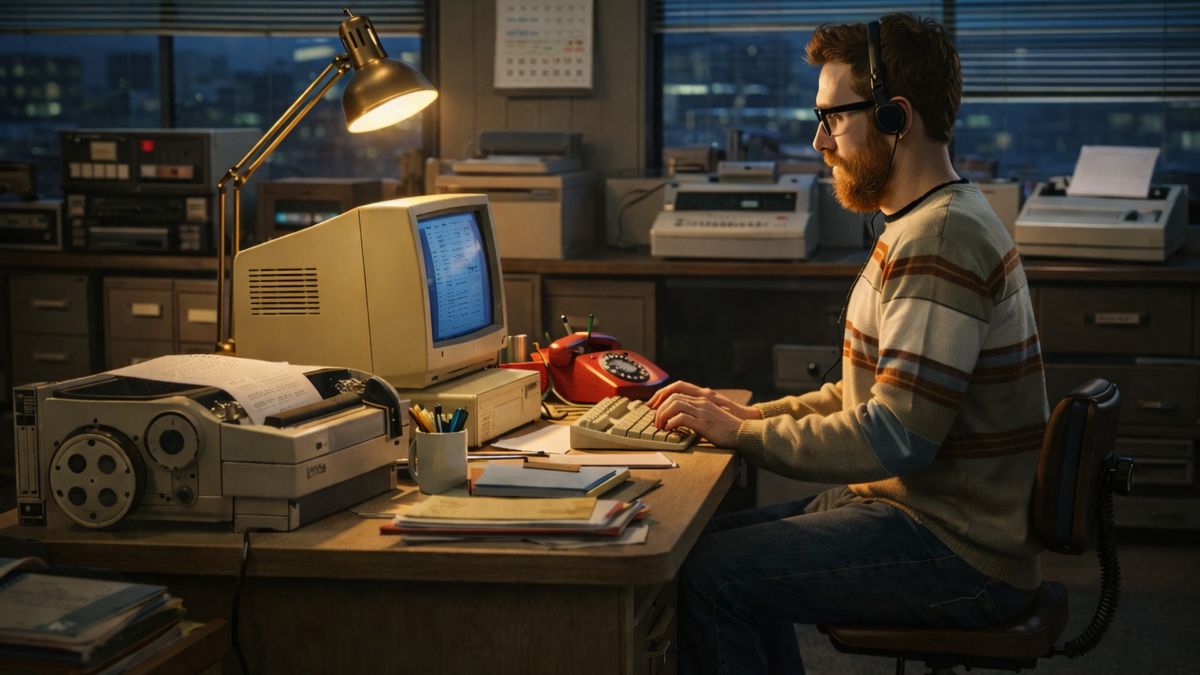
The 1980s were an important decade for technological change. During this time, digital technology slowly began replacing many older analog tools. Although some people owned electronics at home, such as CD players or early video game consoles, most technological changes were happening in workplaces rather than in homes.
Offices used a mix of older machines that had been improved over time and newer digital devices that were still developing. For workers during that period, these machines were essential tools for everyday tasks. They helped businesses stay competitive and allowed employees to create documents, communicate with others, and manage data more efficiently.
Several machines became very common in offices during the 1980s, and they influenced the way people worked before the Internet became widely available.
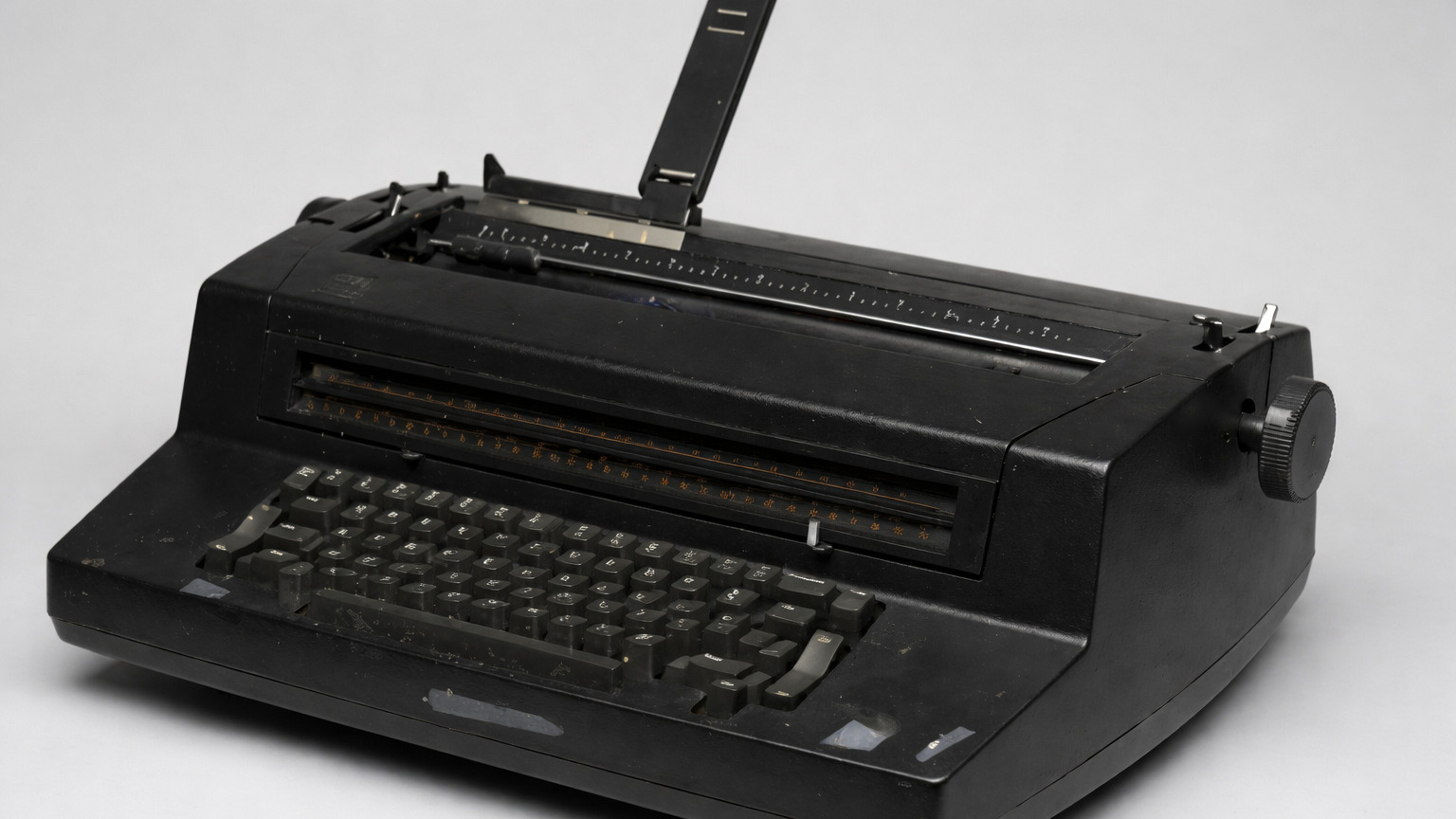
Electronic Typewriters Were the Peak of Writing Before PCs
One of the earliest versions of the typewriter was created in 1808 by an Italian inventor named Pellegrino Turri. He designed the machine to help a blind friend write letters, and over time, typewriters became extremely important for communication and for preparing business documents.
During the 20th century, electric typewriters were introduced. These machines used motors that made typing easier and faster. By the 1980s, electronic typewriters had become the most advanced form of typewriter technology.
These machines reduced the need for strong finger pressure and included extra features that improved typing accuracy. Many electronic typewriters had memory functions that allowed users to store short pieces of text. They also included automatic correction tools and simple displays that allowed typists to review their text before printing it on paper.
Although these machines could be expensive, they helped save time, ink, and paper by reducing typing mistakes. Compared with early word-processing computers, electronic typewriters were still more affordable for many offices.

Photocopiers Filled Offices With Paper
Photocopiers had already become important office machines long before the 1980s. The first successful commercial copier, the Xerox 914, was introduced in 1959, and it changed how businesses handled documents.
By the 1980s, almost every office had at least one photocopier, and some large companies even had departments dedicated to copying documents. These machines allowed employees to quickly produce many copies of reports, memos, contracts, and other important papers.
Before scanners, email attachments, and cloud storage existed, photocopiers were extremely important for keeping records. Businesses often made copies of legal documents, financial paperwork, and other materials so that multiple departments could have access to the same information.
However, the convenience of photocopiers also caused offices to use much more paper. This increase in paper use led to the idea of a “paperless office,” which became popular in the 1990s, although many workplaces still depend on printed documents today.
Also Read: AI Overuse at Work May Cause “Brain Fry,” Study Warns
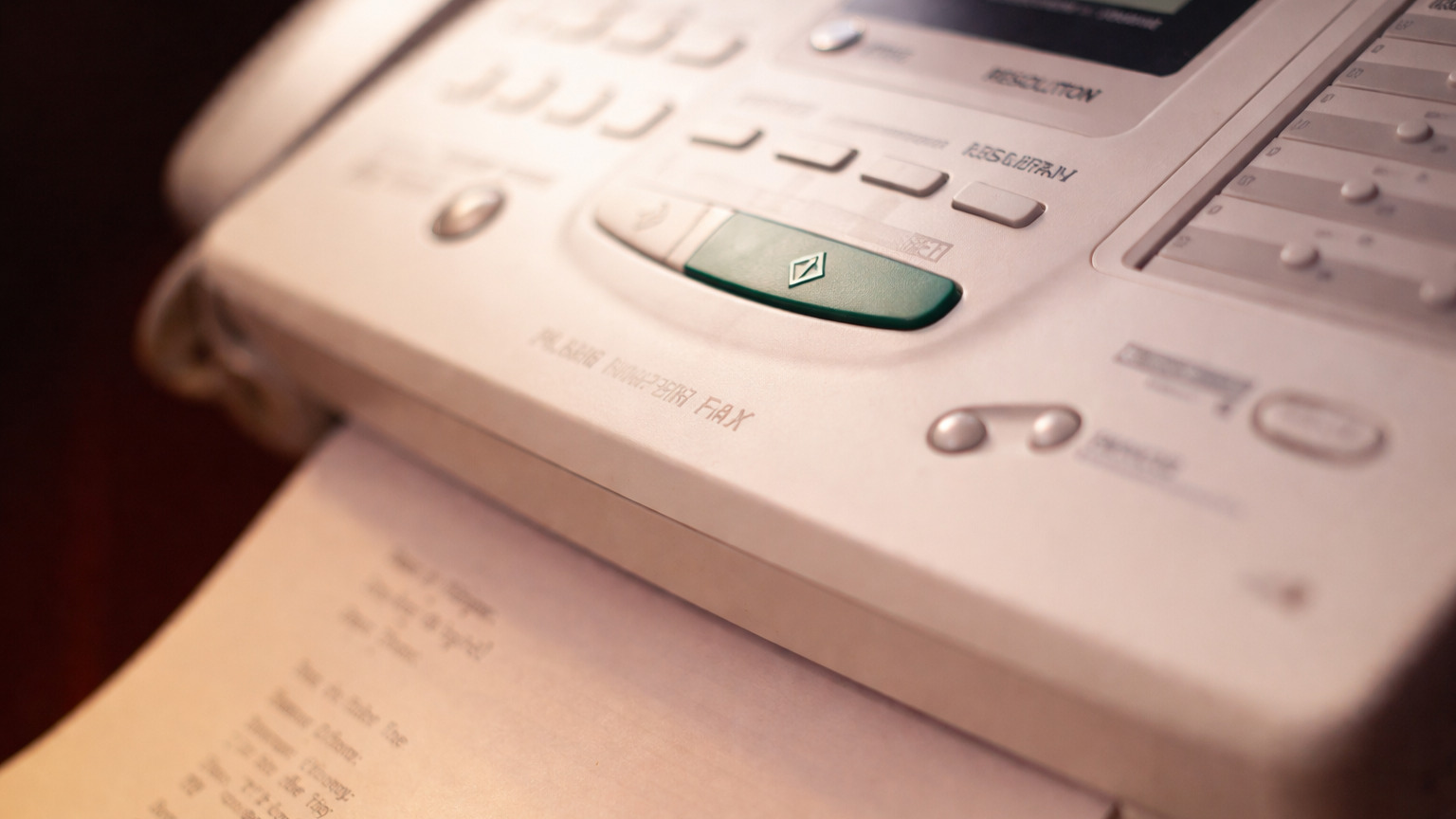
Fax Machines Became a Key Communication Tool
As global communication improved during the 20th century, businesses began working more closely with partners and clients around the world. Because of this, companies needed faster ways to send important documents.
Fax machines became a major solution during the 1980s because they allowed businesses to send copies of documents through telephone lines. Contracts, quotes, blueprints, and other important papers could be sent quickly between offices.
A fax machine worked by scanning a document and converting it into electronic signals. These signals were then sent through phone lines to another fax machine, where the receiving machine printed a copy of the original document.
Fax machines became such a normal part of office life that even futuristic movies imagined they would remain common. For example, the 1989 movie Back to the Future Part II showed a future where fax machines were still widely used. Even after computers gained the ability to send and receive faxes using modems, fax machines continued to be used for many years after their peak in the 1980s.
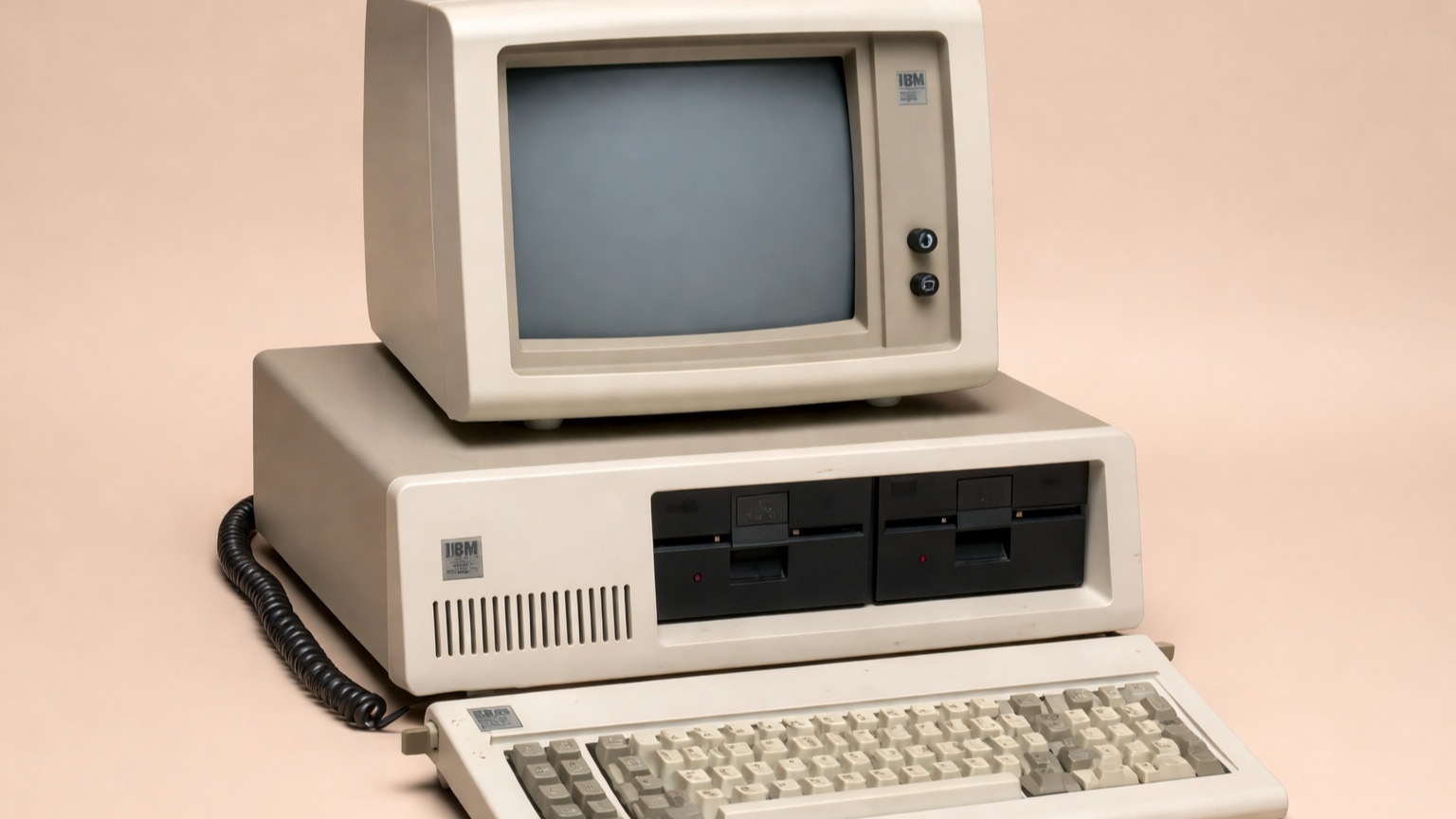
IBM PCs Changed Office Work Forever
When the IBM Personal Computer (IBM PC) was released in 1981, it became one of the most influential machines in business technology.
Personal computers had already existed during the 1970s, including models such as the Apple I, Apple II, and Commodore PET. During the early 1980s, other microcomputers such as the Sinclair ZX80 and Commodore 64 also became popular, especially among home users.
However, the IBM PC was designed mainly for business use. It used an Intel processor and supported many software programs, including word processors, spreadsheets, and accounting software.
Because other companies were able to legally copy IBM’s computer design, many IBM-compatible computers quickly appeared on the market. Businesses adopted these machines rapidly, and by the late 1980s, personal computers were common in many offices. These computers replaced several specialized machines and allowed employees to complete their work faster and more efficiently.
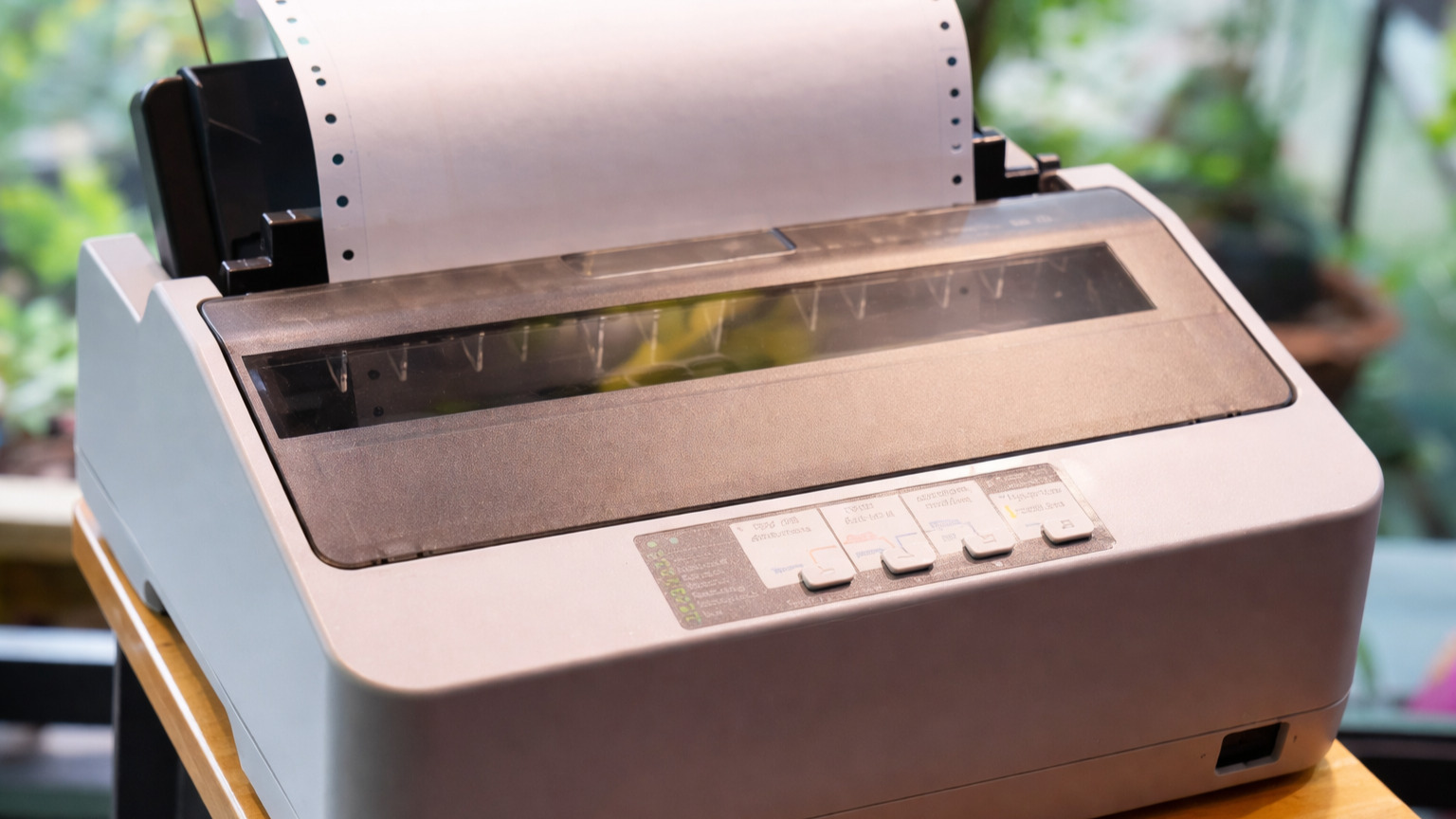
Dot Matrix Printers Turned Digital Data Into Paper
As computers became more common in offices, businesses needed reliable ways to print digital information. Dot matrix printers became one of the most widely used printing technologies during the 1980s.
These printers used a print head with small metal pins that struck an ink ribbon against paper. The pins created letters and images by forming patterns made of tiny dots.
Dot matrix printers were known for their loud mechanical noise, which became a familiar sound in many workplaces. Even though they were noisy, they were popular because they were inexpensive, durable, and able to print large amounts of documents.
Another advantage of these printers was their ability to print on continuous tractor-feed paper, which helped businesses produce long reports and data sheets easily. Because the pins physically struck the paper, these printers could also create carbon copies, which were useful for making duplicate forms.
Also Read: AI Can Now “Rent” Human Bodies for Real-World Tasks
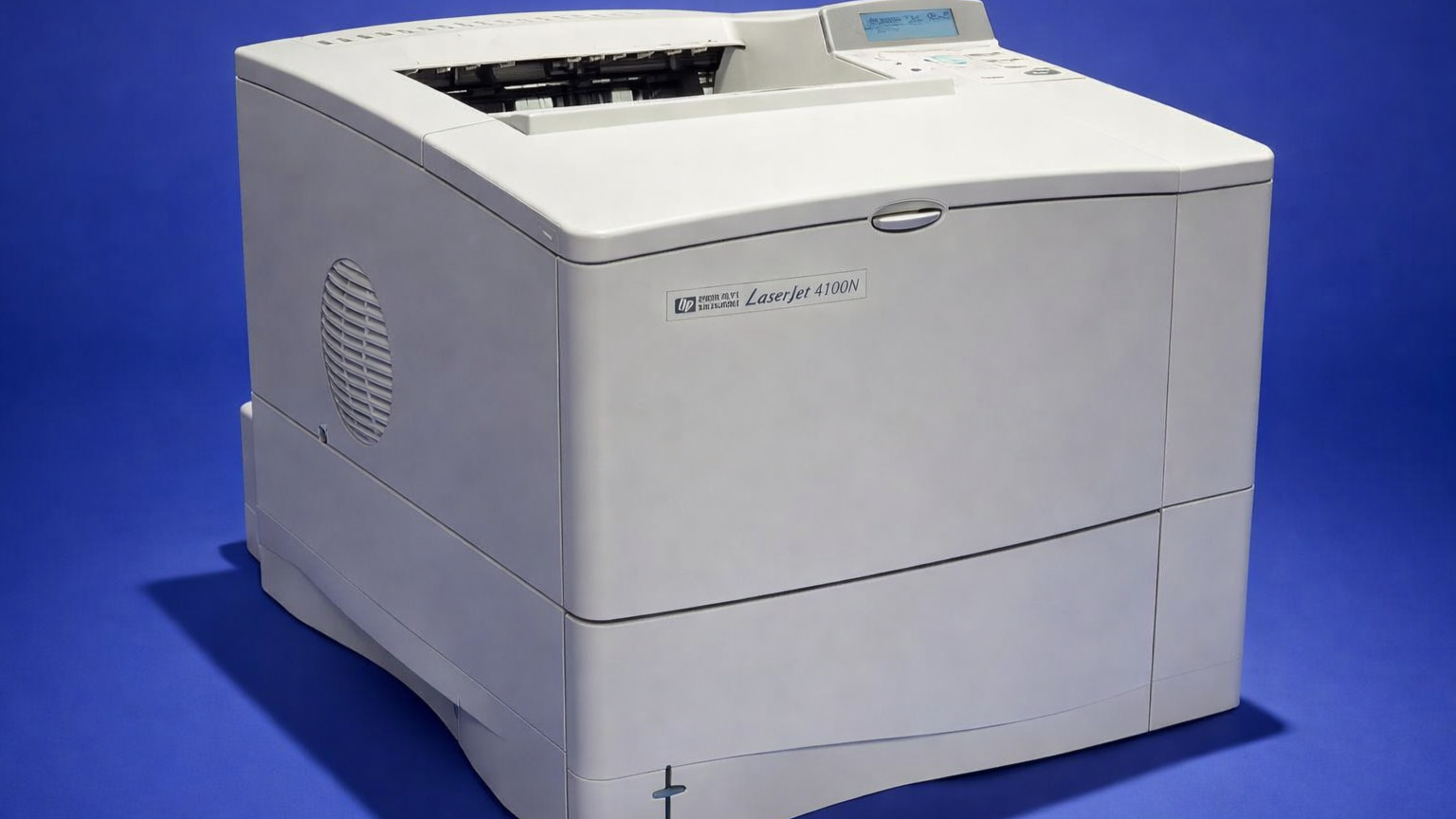
Laser Printers Improved Print Quality
Although dot matrix printers were practical and reliable, their print quality was not very high. Laser printers provided a much more professional printing solution.
Laser printing technology was first developed in 1967 by engineer Gary Starkweather, but it took several years before it became practical for office use.
A major improvement came in 1984, when Hewlett-Packard released the HP LaserJet printer. This printer cost about $3,500, which was expensive at the time but still cheaper than earlier laser printing systems.
Laser printers used toner powder instead of liquid ink. The printing process involved charging the paper with electricity and using a laser to create a pattern on a drum. Toner powder was attached to the charged areas and was then fused onto the paper using heat.
This process produced very sharp text and graphics. Once businesses saw the professional quality of laser printing, many offices began replacing dot matrix printers with laser printers for important documents.
Comments (0)
Log in to share your thoughts
No comments yet
Be the first to share your thoughts!