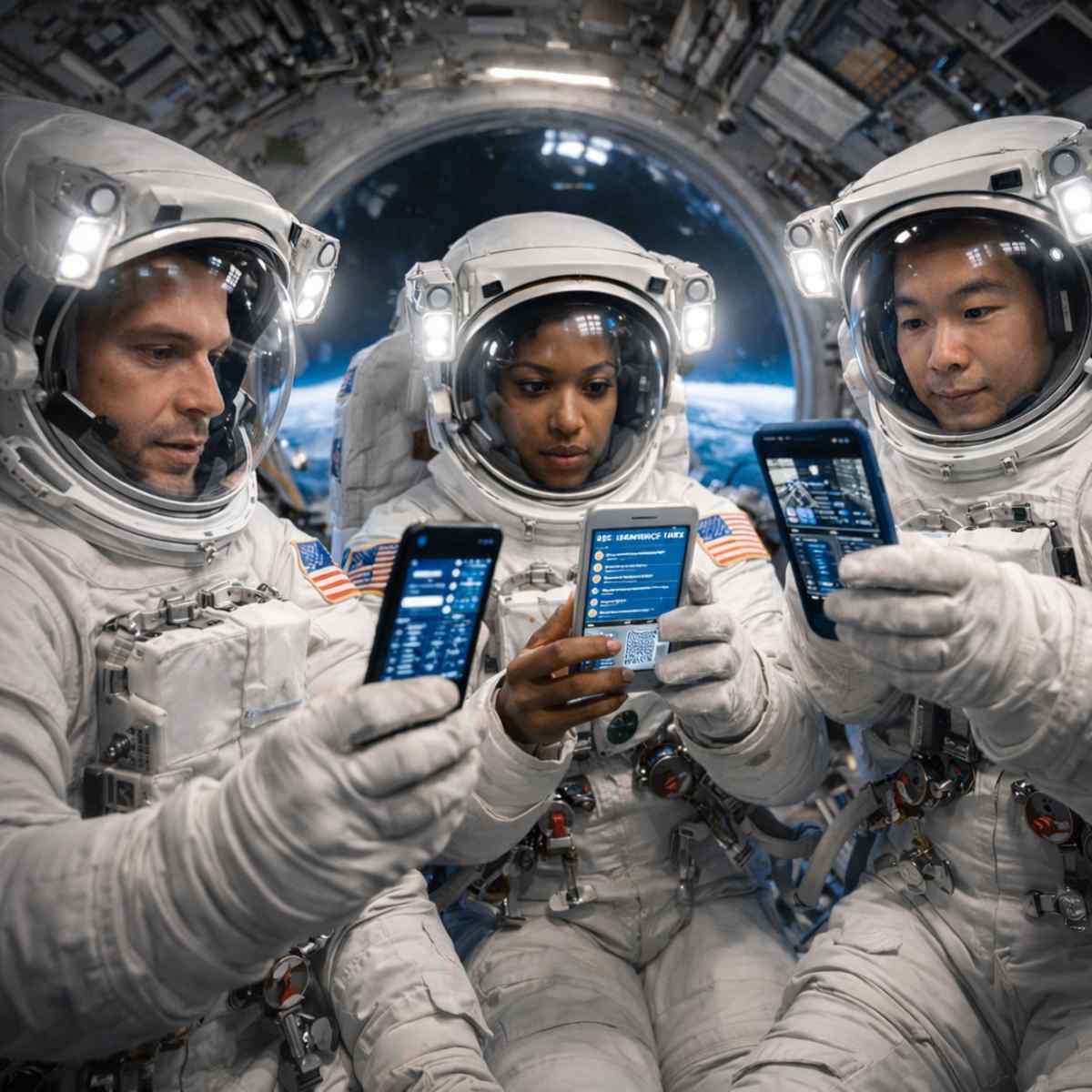
In early February 2026, NASA officially confirmed that astronauts will be permitted to carry personal smartphones on selected upcoming human spaceflight missions. This policy will first apply to the Crew-12 mission to the International Space Station and the Artemis II lunar mission. The decision marks a notable update to NASA’s long-standing rules governing personal electronic devices in space.
Background of the Decision
NASA has traditionally restricted the use of personal electronic devices aboard spacecraft due to safety, electromagnetic interference, and reliability concerns. However, rapid advancements in consumer smartphone technology, along with improved safety testing procedures, prompted the agency to re-evaluate these restrictions.
Following internal reviews and accelerated certification testing, NASA approved the limited use of modern smartphones for astronauts beginning in 2026.
The announcement was made public during the first week of February 2026 and was presented as part of NASA’s broader effort to modernize astronaut living conditions and public outreach while maintaining strict mission safety standards.
Scope of the Smartphone Policy
Under the new policy, astronauts are allowed to carry approved commercial smartphones, including current iPhone and Android models. These devices are intended strictly for personal use, informal photography, video recording, and non-critical documentation.
Smartphones are not classified as mission hardware and do not replace certified scientific instruments or professional imaging equipment.
All devices must pass NASA’s safety evaluations, including assessments of battery stability, electromagnetic interference, flammability, and performance in microgravity environments.
Crew-12 Mission Overview
Mission Description
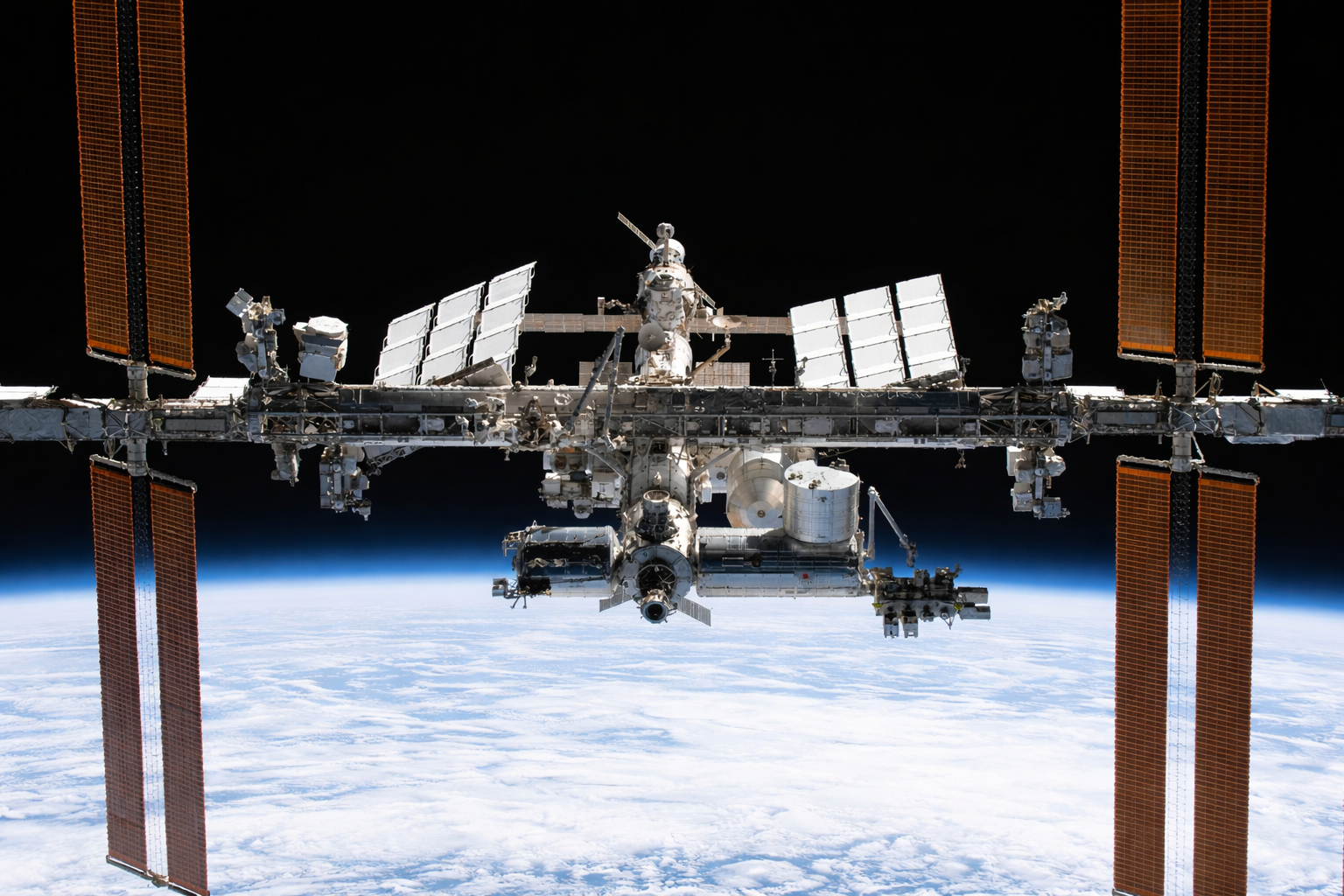
The Crew-12 mission is a crewed flight to the International Space Station, operated in partnership with SpaceX. The mission is scheduled to launch in February 2026 aboard a Crew Dragon spacecraft.
Crew-12 and Smartphone Use
Crew-12 will be the first mission to implement NASA’s updated smartphone policy. Astronauts on board will be allowed to bring approved smartphones as part of their personal items.
These devices may be used to capture daily life aboard the station, including Earth imagery and crew activities, subject to NASA’s data handling and communication regulations.
Any images or videos intended for public release will continue to be reviewed and distributed through official NASA channels.
Artemis II Mission Overview
Mission Description
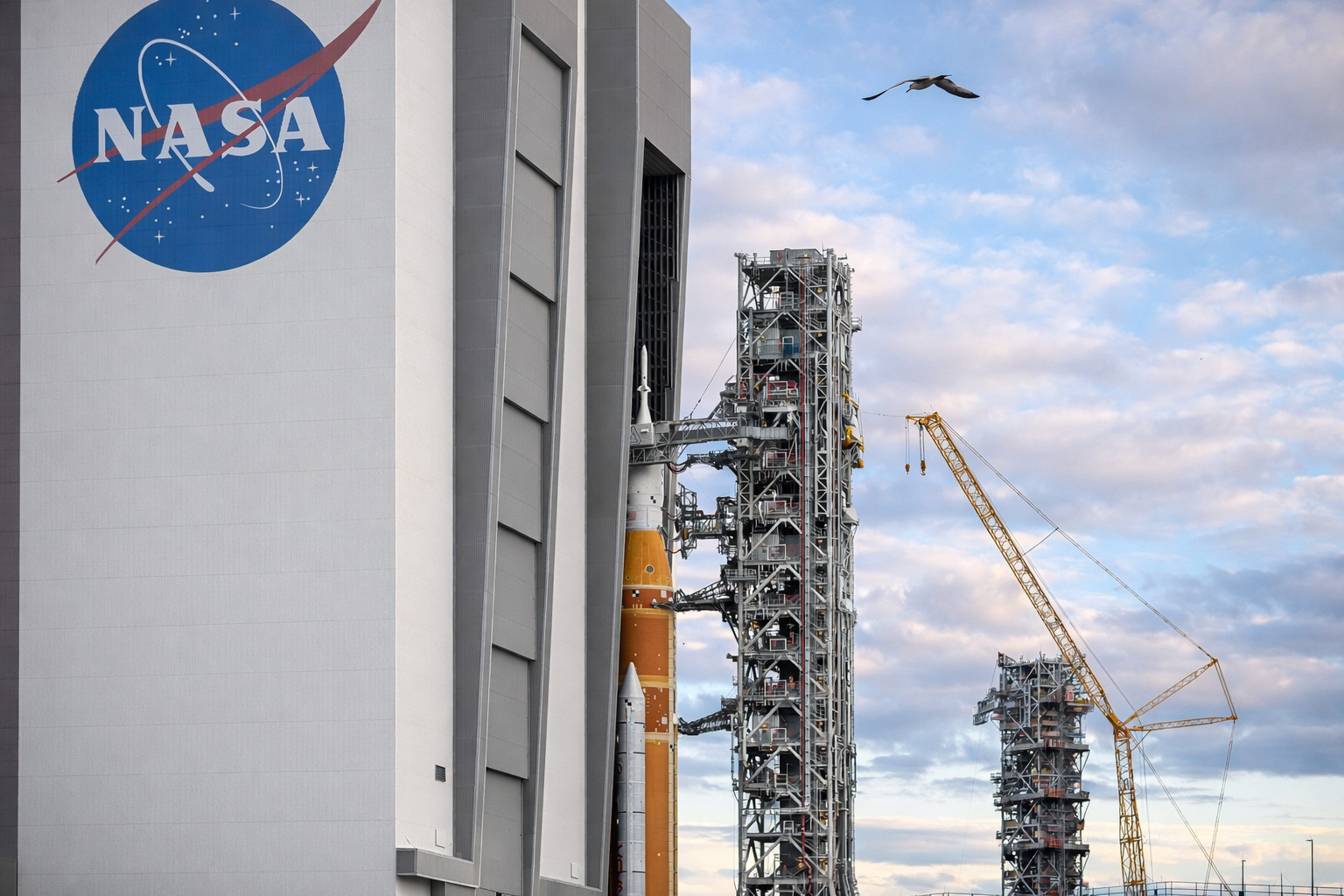
Artemis II is the first crewed mission of NASA’s Artemis program and the first human flight around the Moon since Apollo 17 in 1972.
The mission is currently targeted for a March 2026 launch window, following delays related to liquid hydrogen leaks identified during ground testing.
Artemis II will carry four astronauts aboard the Orion spacecraft on an approximately ten-day lunar flyby mission before returning to Earth.
Smartphone Use on Artemis II
Astronauts on Artemis II will also be permitted to carry approved smartphones inside the Orion spacecraft. These devices will not connect to traditional cellular networks, as no such infrastructure exists in deep space.
Any transmission of data, images, or messages will rely entirely on NASA’s space communication systems.
Smartphone use during Artemis II will be limited to non-critical activities and must not interfere with navigation, communication, or spacecraft operations.
Safety, Security, and Operational Controls
NASA has emphasised that allowing smartphones does not lower its safety standards. All devices are subject to strict operational controls, including limitations on software usage, charging procedures, and data transfer.
Smartphones must not interfere with spacecraft systems and may only be used under approved conditions.
The agency has also clarified that personal smartphones remain secondary tools and are governed by the same security and conduct policies that apply to all personal items carried by astronauts.
Purpose and Benefits of the Change
One of the primary objectives of this policy is to improve astronaut comfort and morale by allowing familiar personal technology in space.
Smartphones also enable more spontaneous and relatable content, helping the public better connect with human spaceflight missions.
NASA believes this approach enhances public engagement, particularly during high-profile missions such as Artemis II, while preserving mission discipline and safety.
Conclusion
NASA’s decision to allow astronauts to carry smartphones on Crew-12 and Artemis II represents a careful modernization of human spaceflight practices. By approving consumer devices through rigorous testing, the agency balances technological progress with its long-standing commitment to safety.
As these missions fly in 2026, astronauts are expected to provide more personal and immediate perspectives from space, offering the public a closer look at life in orbit and humanity’s return path to the Moon.