Will AI replace humans, or will it be the driver of modern-day economics? At last, China is ready to answer this question. The country is facing a significant labour market pressure with a record of 12.7 million university graduates expecting to enter the workforce in 2026. The number itself is huge and has increased by 480,000 from 2025.
The Chinese government is countering this problem by prioritizing artificial intelligence as a key driver for job creation and economic stability, rather than viewing it solely as a risk for automation. Wang Xiaoping, the Minister of Human Resources and Social Security, believes that stabilizing employment is a top national priority, and AI must be seen as a tool to modernize industries and improve lives.
AI is framed as "a new quality productive force" by officials, as they aim to augment human capabilities in a balanced approach that protects workers while enabling innovation. This strategy by officials aims to maintain the urban unemployment rate around 5.5 per cent and create over 12 million new urban jobs in 2026.
Also read || Why Anthropic is Suing the Pentagon
How is China Building New Careers and Upgrading Traditional Roles
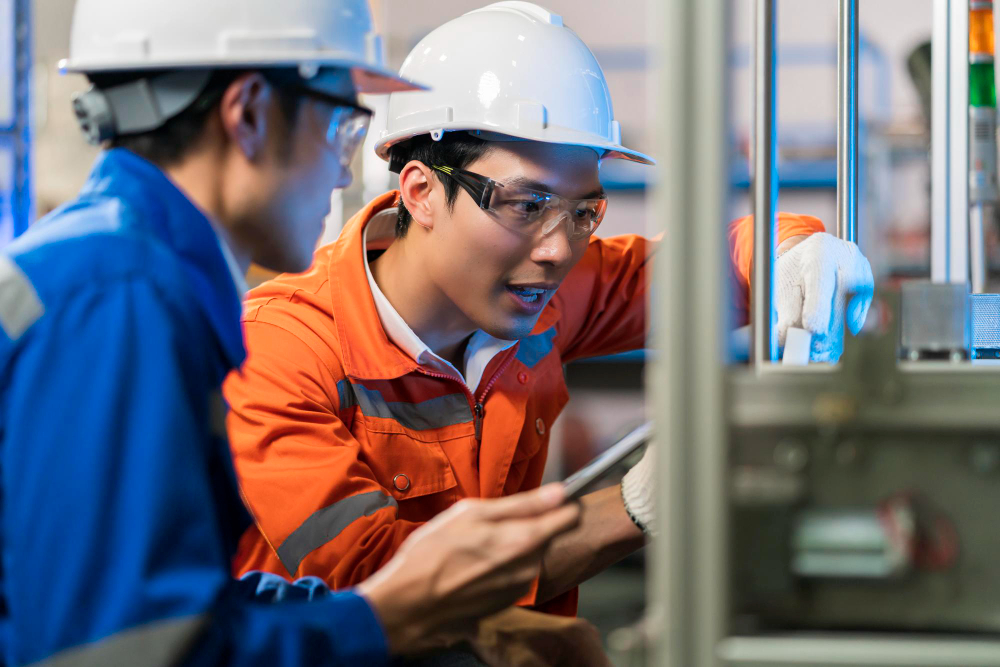
China is integrating AI to sustain its manufacturing strength while advancing in digital and service sectors, especially as youth unemployment hovered at 16.3 per cent in early 2026. They are creating new AI-related occupations and enhancing legacy jobs in manufacturing, construction, hospitality, and foreign trade.
Over the past five years, Chinese authorities have officially recognized 72 new professions, with more than 20 in artificial intelligence, such as AI trainers, drone pilots, generative AI system testers, and digital healthcare specialists. Each role could generate over 300,000 jobs initially. Moreover, the target market of these jobs is young tech-savvy individuals who are seeking future-proof careers with legal recognition, regulation and social benefits.
When it comes to traditional sectors, they are also receiving "AI empowerment" to boost productivity. For instance, training machines on intelligent systems instead of manual tasks for manufacturing helps labor-intensive industries adapt without mass displacement of workers. The AI economy decentralized jobs behind hubs like Shenzhen and Shanghai, minimizing urban overcrowding and providing equal opportunities in other provinces.
Also read || AI Overuse at Work May Cause “Brain Fry,” Study Warns
How AI Bridges Education and Industry Needs?

AI has become a part of vocational and higher education reforms. The modern-day curriculum is aligned with AI-driven demands to prevent obsolete skills among graduates. Hence, the Ministry of Education coordinates regions and universities for exceptional-quality graduate employment. Moreover, state programs offer lifelong learning for adults transitioning to digital roles like AI inventory management.
Educational Institutions are partnering with tech firms to convert R&D into commercial jobs, accelerating self-reliance amid global competition. All these efforts support inclusive growth across demographics, with targeted aid for graduates and youth amid elevated jobless rates. By 2026, as the 15th Five-Year Plan launches, this ecosystem emphasizes technological self-reliance in high-end manufacturing and services.
Also read || OpenAI to Buy Promptfoo for AI Security
What's more for the Chinese Workforce?
China is focusing on holistic workforce support. The goal is not only to provide jobs but to address worker well-being, mental health wellness, daily exercise mandates, extended breaks, and nationwide weight management to counter obesity, which can hit 70.5 per cent, if not intervened by 2030. As of now, 5,500 clinics offer weight services alongside regular screenings.
China is combating exploitation through the use of ethical AI deployment features in new legislation that guarantee worker rights, fair algorithmic management, and avoid exploitation. They use training to lessen automation shocks with this "AI Plus" strategy. As a result, rather than being a social disruptor, technology starts to stabilize society.
By deeply integrating AI across industries, China's new policy from 2026 to 2030 seeks to boost economic growth and generate new jobs. They are preserving the stability of the job market at the same time. By using this tactic, they can help the workforce and adjust to technology advancements in new industries, possibly providing a model for managing ageing populations.