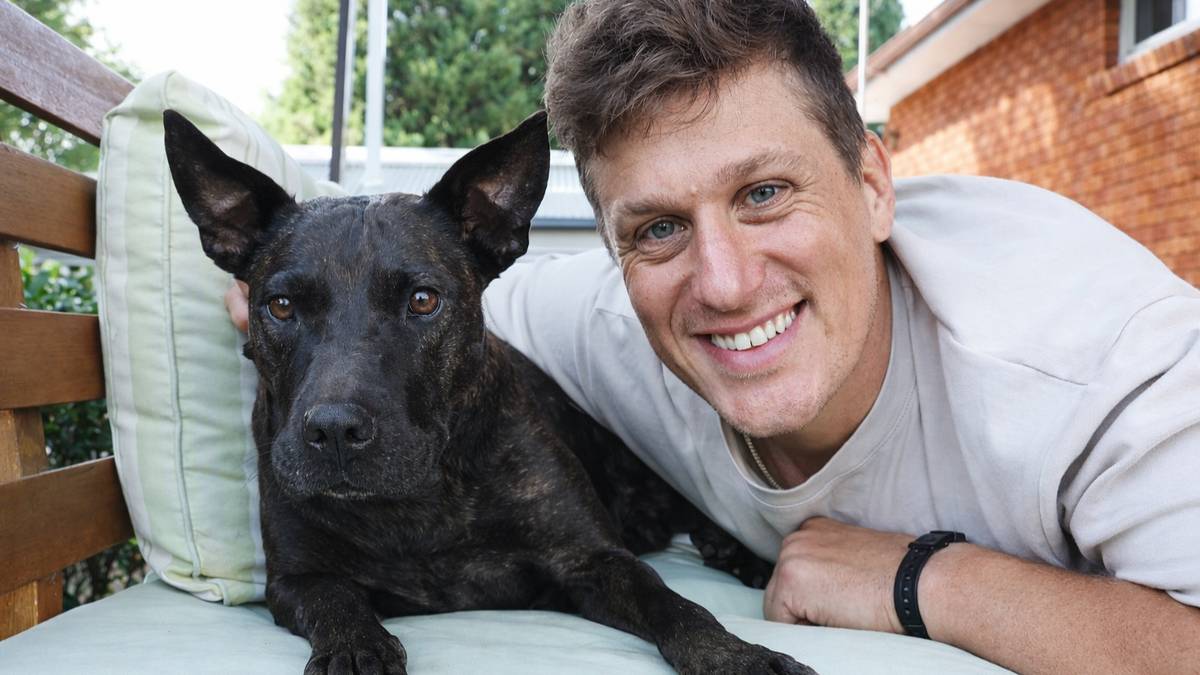
In a remarkable example of how artificial intelligence can support medical innovation, a technology entrepreneur from Sydney, Australia, used AI tools such as ChatGPT to help design a personalized cancer vaccine for his pet dog. The experimental treatment helped reduce the dog’s tumors and improve her health, attracting global attention. The story demonstrates how artificial intelligence, genomic science, and personalized medicine can work together to develop new treatments for serious diseases. Although the treatment was experimental and not a complete cure, it showed the potential of combining AI with modern biotechnology to design personalized medical solutions.
Cancer Diagnosis
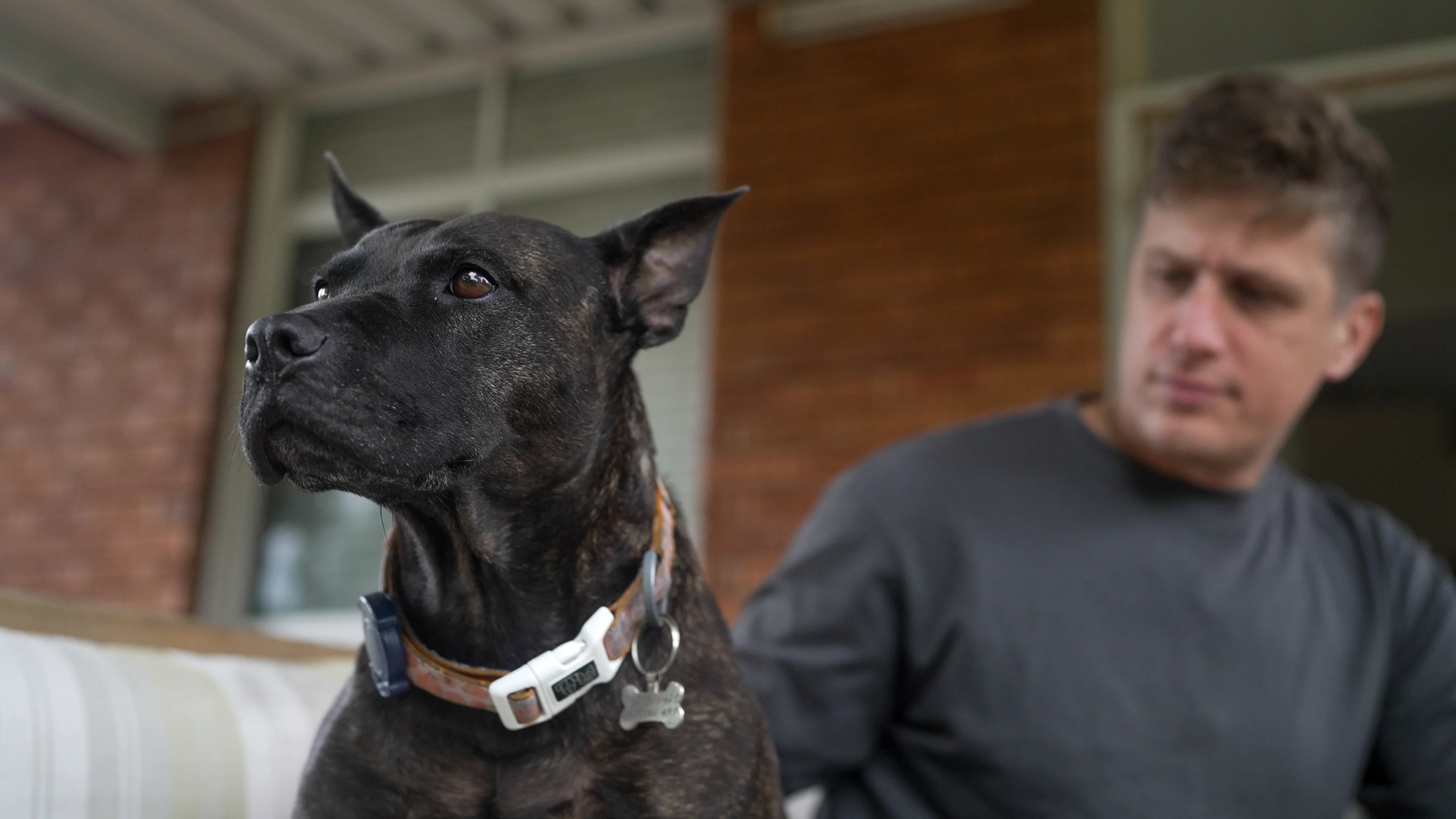
The story began in 2024 when Australian technology entrepreneur Paul Conyngham discovered that his rescue dog Rosie, an eight-year-old Staffordshire Bull Terrier–Shar Pei mix, was suffering from mast cell cancer. Mast cell tumors are among the most common and aggressive forms of cancer in dogs. Veterinarians informed him that Rosie’s condition was serious and that she might have only a few months left to live. Before searching for alternative solutions, Rosie had already undergone conventional treatments such as surgery and chemotherapy. Although these treatments slowed the disease for a short time, they did not stop the tumors from growing. As the cancer continued to progress, Conyngham began searching for new ways to save his pet.
Also Read: AI Overuse at Work May Cause “Brain Fry,” Study Warns
Using AI for Medical Research
Instead of accepting the situation, Conyngham decided to use artificial intelligence to explore possible treatment options. Using tools such as ChatGPT and other AI systems, he studied scientific papers, reviewed cancer research, and searched for therapies that might help his dog. During this research, he learned about immunotherapy, a treatment that helps the immune system recognize and attack cancer cells. AI tools also suggested that analyzing Rosie’s genetic information could help identify the specific mutations responsible for the cancer. This idea led Conyngham to collaborate with experts at the Ramaciotti Centre for Genomics at the University of New South Wales in Australia.
DNA Sequencing and Analysis
To better understand the cancer, Conyngham paid about $3,000 to have Rosie’s DNA sequenced at the UNSW Ramaciotti Centre for Genomics. Scientists compared DNA from Rosie’s healthy cells with DNA from her tumor cells to identify the genetic mutations responsible for the cancer. Using his 17 years of experience in machine learning and data analysis, Conyngham studied the genomic data and used artificial intelligence tools, including ChatGPT, to help interpret the complex information. This analysis helped identify mutated proteins linked to the tumors and determine possible targets for a personalized treatment designed specifically for Rosie’s cancer.
Creating a Personalized mRNA Vaccine
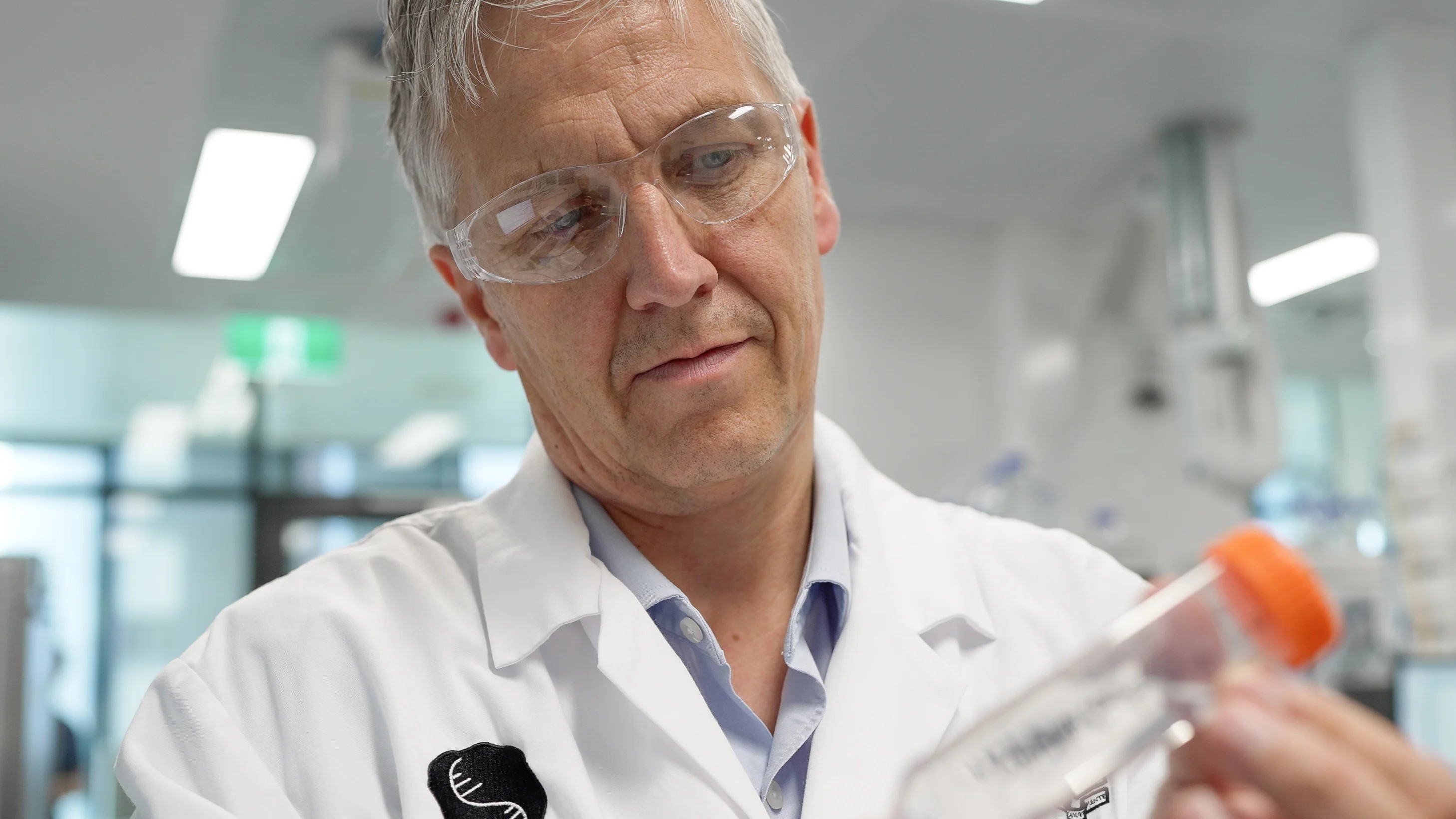
After studying the genetic data, Conyngham developed a plan to create a personalized mRNA cancer vaccine designed specifically to target Rosie’s tumor mutations. An mRNA vaccine works by providing the body with genetic instructions that help the immune system recognize and attack cancer cells carrying specific mutations. Scientists at the UNSW RNA Institute, led by Professor Páll Thordarson, helped turn the AI-assisted vaccine design into a real treatment using advanced lipid nanoparticle technology, which helps deliver the mRNA safely into cells. The experimental treatment became one of the first known personalized mRNA cancer vaccines designed specifically for a dog.
Ethical Approval and Scientific Support
Before the vaccine could be used, the experimental treatment required ethical approval and scientific supervision. Conyngham spent about three months preparing a detailed research proposal that was more than 100 pages long. The document explained the scientific background, treatment plan, and potential benefits of the vaccine. Veterinary immunotherapy expert Professor Rachel Allavena from the University of Queensland School of Veterinary Science reviewed the proposal and supported the project. Her involvement helped ensure that the experimental treatment followed proper scientific and veterinary guidelines.
First Vaccine Treatment
Once the vaccine was prepared, it was sent to a laboratory at the University of Queensland in Gatton, Australia. Paul Conyngham drove nearly 10 hours with Rosie to reach the laboratory so she could receive the treatment. Rosie received her first injection of the personalized mRNA vaccine in December 2025. After the first dose, she later received additional booster injections in early 2026 to strengthen the immune response against the cancer cells.
Also Read: How Offices Worked Before the Internet: 6 Machines That Ruled the ’80s
Results of the Treatment
The results of the experimental vaccine were encouraging. One of Rosie’s tumors, which was about the size of a tennis ball, shrank by nearly half after the treatment. Several other tumors also reduced in size or stopped growing completely. In addition to the reduction of the tumors, Rosie showed signs of improved health. She became more energetic, her coat appeared shinier, and her overall physical condition improved. Although the vaccine did not completely cure the cancer, it helped extend her life and improve her quality of life.
Global Attention
By March 2026, Rosie’s story had attracted worldwide attention from scientists, doctors, and technology experts. Many researchers were impressed by how artificial intelligence helped analyze complex genomic data and assisted in designing a personalized treatment. The case demonstrated the growing potential of AI-driven personalized medicine, where treatments are designed based on the genetic profile of an individual patient rather than using the same treatment for everyone.
Future Plans
Although most of Rosie’s tumors responded well to the vaccine, one tumor did not respond to the treatment. Because of this, Conyngham and the research team are now working on a second personalized vaccine designed to target the remaining cancer cells. Scientists hope that Rosie’s case will encourage further research into personalized mRNA cancer vaccines. In the future, similar approaches could help develop new treatments not only for animals but also for humans suffering from cancer.
Comments (0)
Log in to share your thoughts
No comments yet
Be the first to share your thoughts!