Refrigeration is very common in the modern world. People use refrigeration to keep food from spoiling, cool homes and workplaces, and maintain comfortable temperatures inside cars during hot weather. Refrigeration technology became widely used in the early 20th century, but the ideas behind modern cooling systems began much earlier in history. One important step toward modern refrigeration came from an engine invented more than 200 years ago. In 1816, a Scottish inventor named Robert Stirling created a machine called the Stirling engine, and this invention later helped inspire the development of refrigeration and air-conditioning systems.
Also Read: How Rolls-Royce Ran on Fuel Made from Plastic Waste
The Invention of the Stirling Engine
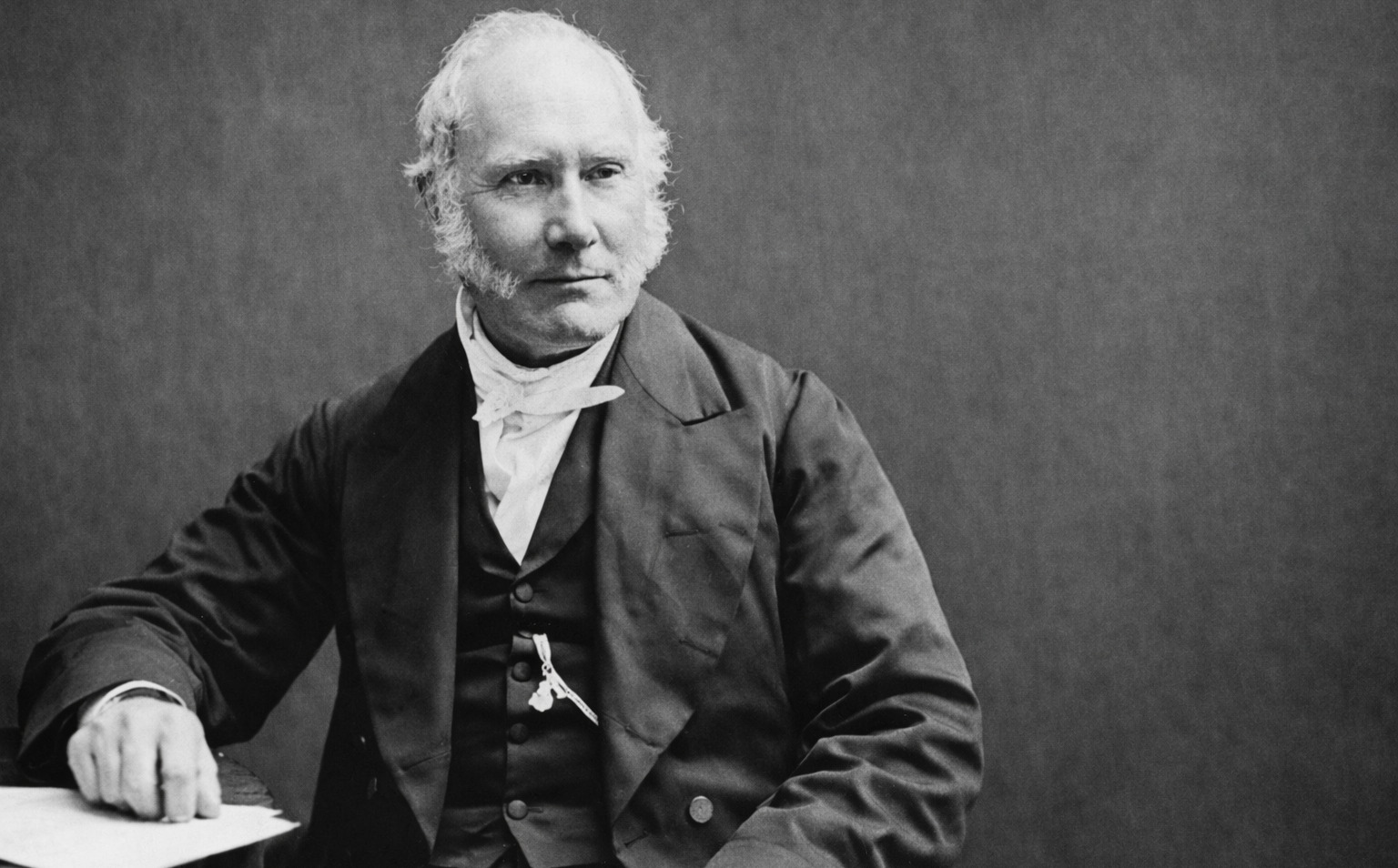
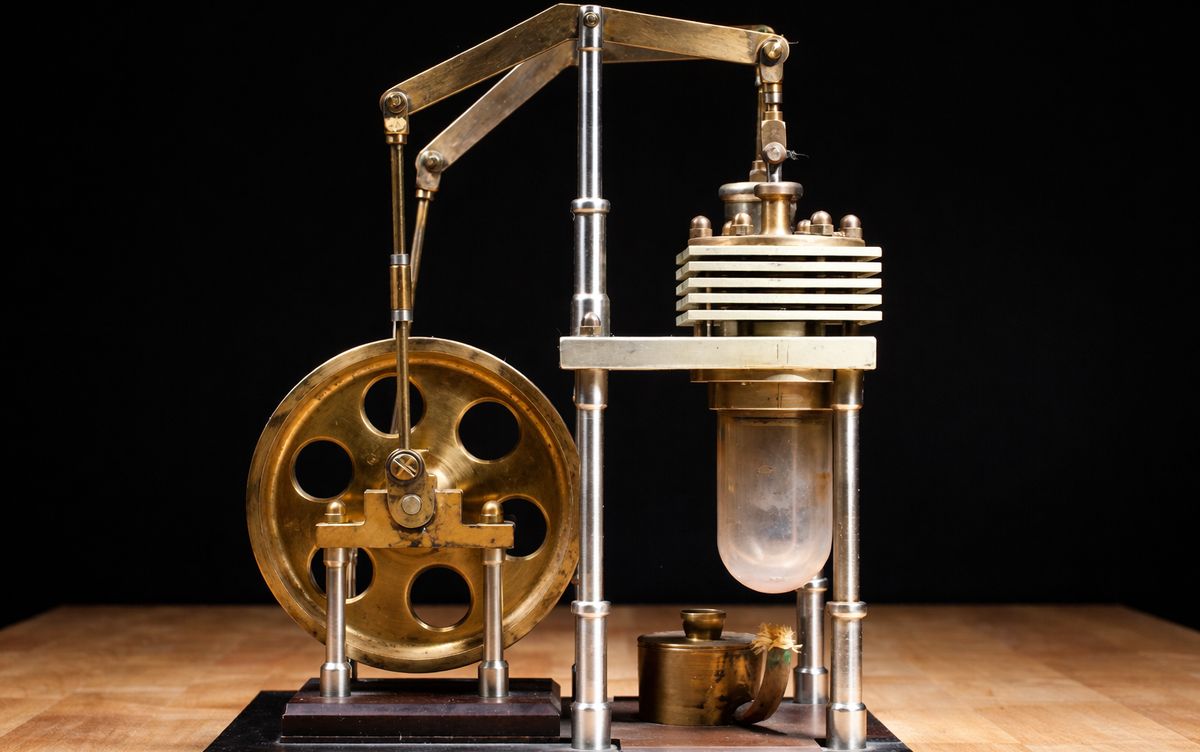
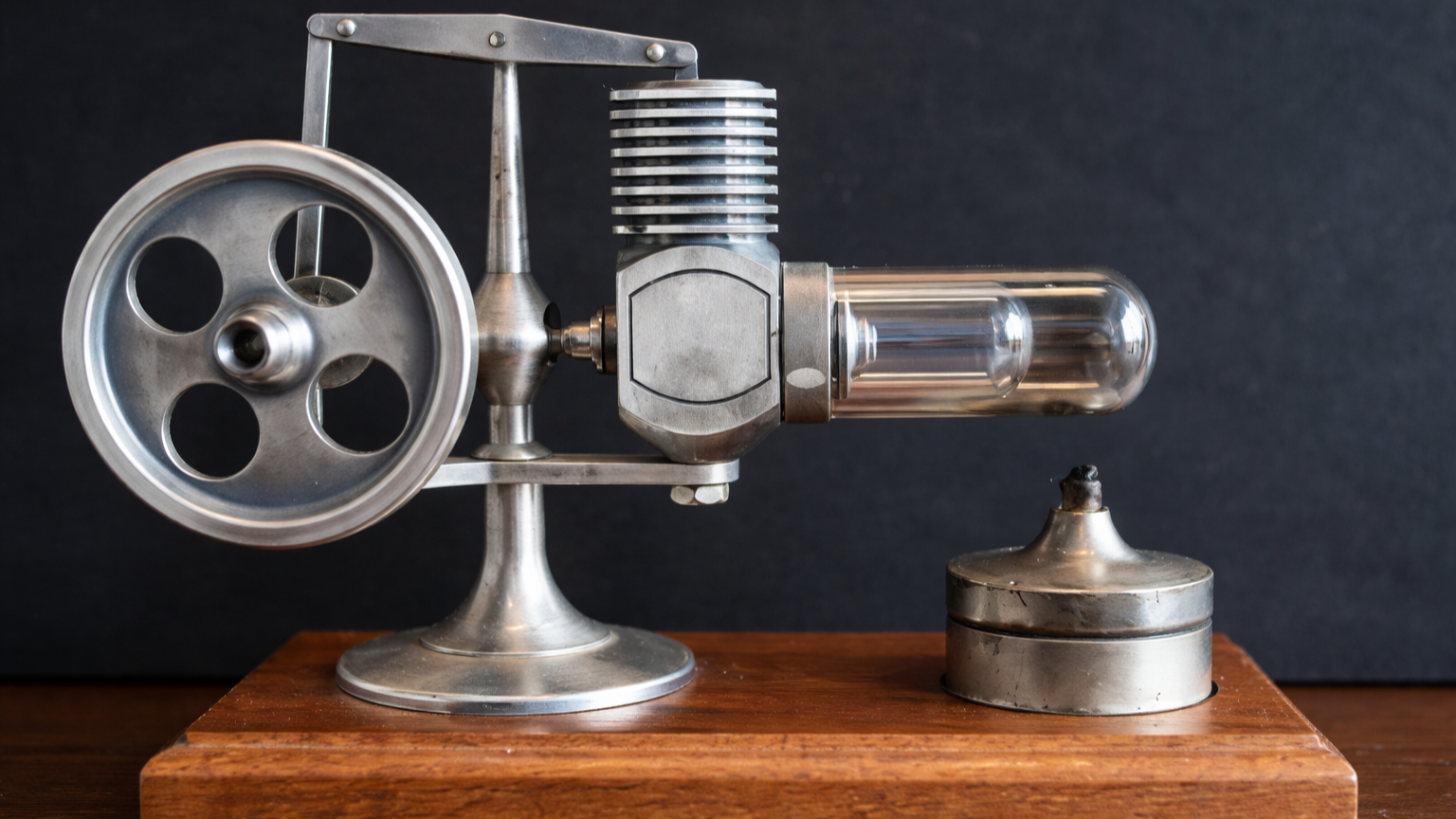
In 1816, Robert Stirling patented a new type of heat engine known as the Stirling engine. This engine was originally designed to perform mechanical work, such as pumping water. An early version of the engine was used in 1818 to pump water in a quarry. The invention was partly created to replace steam engines, which were widely used during the Industrial Revolution but were often dangerous because their boilers could explode under high pressure. Stirling designed his engine to be a safer and more efficient alternative. The Stirling engine was an external combustion engine, which means that heat is applied outside the engine instead of inside it. The engine works by heating and cooling air or another gas inside a sealed system. When the gas is heated, it expands, and when it cools, it contracts. This continuous expansion and contraction moves pistons and produces mechanical motion. Although the Stirling engine was an innovative design, it never became widely popular, and over time, it was replaced by internal combustion engines and electric motors, which proved to be more practical for many industrial uses.
How the Stirling Engine Works
A basic Stirling engine contains a cylinder filled with air, a piston, and a component called a displacer. The displacer moves the air inside the cylinder between the hot and cold areas of the engine. The operation of the engine happens through a repeating cycle. First, a heat source warms the bottom metal plate of the engine, which heats the air at the bottom of the cylinder and causes it to expand. The expanding air pushes the piston upward and turns a wheel connected to the piston. Next, the displacer moves downward, allowing the hot air to move toward the top of the cylinder. At the top plate, heat escapes into the surrounding air, which cools the gas. As the gas cools, it contracts and pulls the piston back down. The movement of the wheel then pushes the displacer upward again, forcing the air back toward the hot bottom plate, where it is reheated. This cycle continues as long as there is a temperature difference between the hot and cold plates, allowing the engine to keep producing motion.
How the Engine Can Create Cold Temperatures
One interesting feature of the Stirling engine is that it can also work in reverse. If the wheel of the engine is turned by an external motor instead of being powered by heat, the system can create a temperature difference between its two plates. When the engine operates in reverse, the movement of air inside the cylinder causes one plate to become hot while the other plate becomes cold. This happens because the air transfers heat from one side of the engine to the other. If the engine is made larger and powered by an electric motor, the cold plate can be used to create a cooling effect. This discovery showed that machines could move heat from one place to another, which is the basic principle behind refrigeration and air-conditioning systems.
The Development of Modern Refrigeration
Even though the Stirling engine showed how heat could be moved to create cooling, modern refrigeration was later developed using a different method. In 1834, American inventor Jacob Perkins created a refrigeration system that used evaporative cooling with liquid refrigerants. In this system, a chemical refrigerant evaporates at low temperatures and pressures. As the refrigerant evaporates, it absorbs heat from its surroundings and produces a cooling effect. This evaporative refrigeration method eventually became the standard technology used in refrigerators, freezers, and air-conditioning systems. However, the Stirling engine had already demonstrated the important idea that heat could be transferred from one place to another using mechanical systems, and this concept helped influence the development of later cooling technologies.
Early Cooling Methods Before Mechanical Refrigeration
Humans had been experimenting with cooling methods long before mechanical refrigeration was invented. Around 2000 BCE, ancient civilizations used a technique known as evaporative cooling. They stored liquids in clay pots that were soaked with water. As the water on the outside of the pot evaporated, it removed heat from the pot and cooled the liquid inside. This early cooling technique showed that heat transfer could create lower temperatures even without machines or modern technology.
Also Read: 5 Genius Scientists Who Died Poor and Forgotten
Modern Uses of Stirling Engine Technology
Although the Stirling engine did not become a common industrial engine, its technology is still used in several specialized applications today. Some submarines use Stirling engines to generate power underwater because these engines do not require outside air to operate. There are also advanced machines called Stirling cryogenerators that can produce extremely low temperatures, reaching about −258°C. These modern devices are far more advanced than the original engine but still rely on the same thermodynamic principles that Robert Stirling developed in 1816. Researchers are also studying Stirling-based cooling systems that could produce refrigeration without using harmful chemical refrigerants, which may help reduce environmental pollution in the future.
Comments (0)
Log in to share your thoughts
No comments yet
Be the first to share your thoughts!