Amazon has announced a collaboration with NVIDIA to develop advanced artificial intelligence assistants for vehicles. The partnership focuses on building advanced multimodal AI assistants that can understand conversations, analyze information from the vehicle, and interpret what is happening around the car. These assistants are designed to make interactions between drivers, passengers, and vehicles more natural and intelligent. By combining their technologies, Amazon and NVIDIA aim to help automakers develop smarter in-vehicle assistants and improve the overall driving experience.
Partnership Between Amazon and NVIDIA
Amazon and NVIDIA are collaborating to enhance Alexa Custom Assistant. Alexa Custom Assistant is a platform that allows automakers to build their own branded voice assistants while using Amazon’s artificial intelligence technology. Through this collaboration, Amazon’s AI services will work together with NVIDIA’s automotive computing systems to deliver more powerful capabilities inside vehicles. This partnership helps automakers create advanced conversational AI assistants without needing to develop the entire technology themselves. The collaboration also reflects a growing trend in the automotive industry where technology companies and automakers work together to introduce artificial intelligence into vehicles.
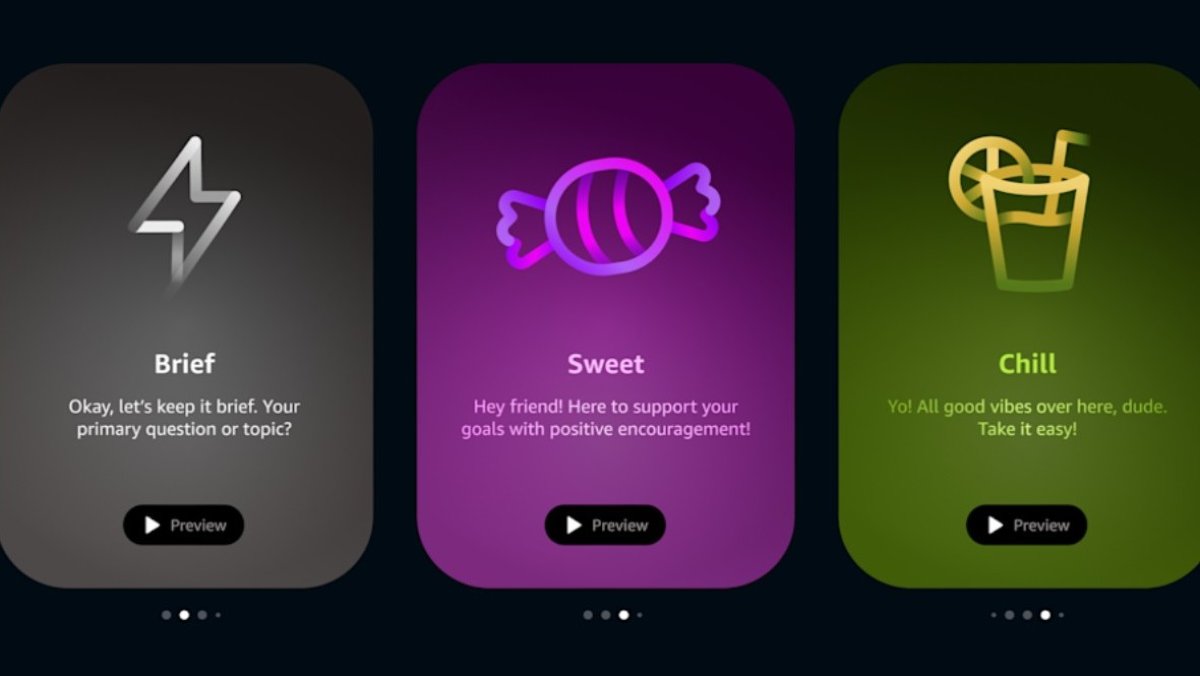
Also Read: Is Your Alexa Too Chatty? Meet With Its New Personalities!
Multimodal AI Assistants for Vehicles
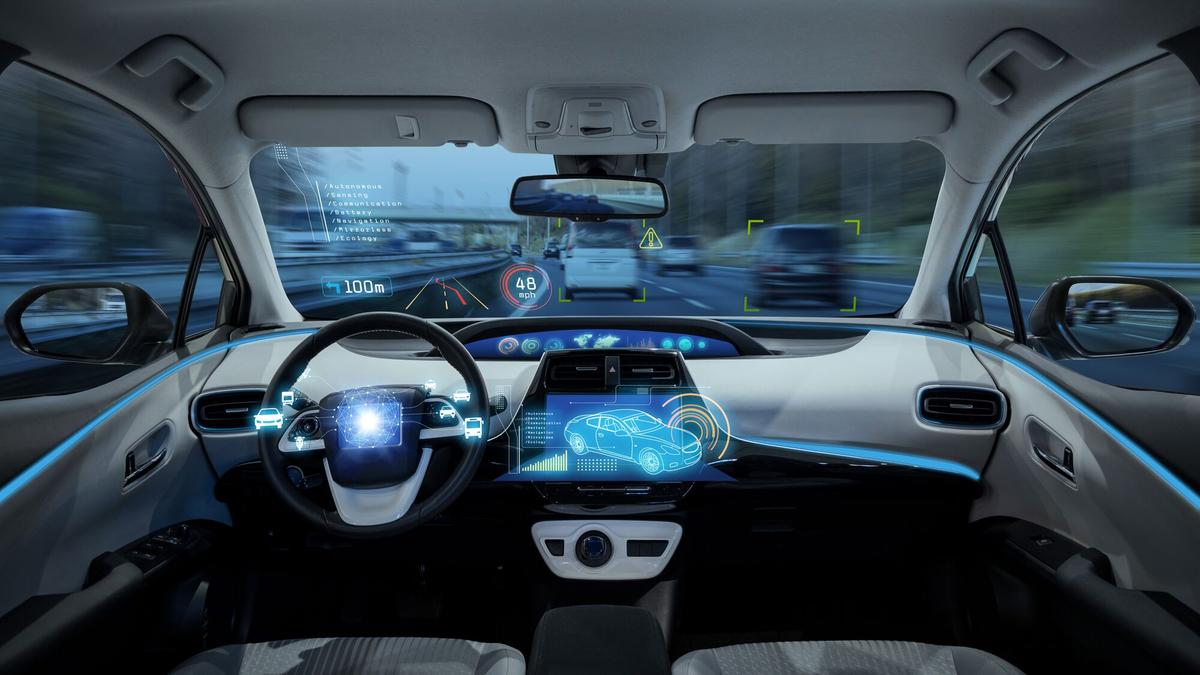
The assistants developed through this collaboration will use multimodal AI technology. This means the assistant can process and understand different types of inputs such as voice commands, conversations between passengers, and contextual information from the vehicle. The assistant will be able to understand group conversations happening inside the car and respond appropriately. It will also be capable of interpreting what is happening around the vehicle in order to provide more relevant responses to drivers and passengers. These capabilities will allow the system to move beyond basic voice commands and deliver a more intelligent and context-aware driving experience.
Integration With NVIDIA DRIVE AGX
The advanced AI assistants will run on NVIDIA DRIVE AGX, which is a high-performance computing platform designed for intelligent and autonomous vehicles. NVIDIA DRIVE AGX provides the processing power required to run advanced artificial intelligence models directly inside vehicles. This allows the assistant to process data quickly and respond to drivers in real time. Running AI systems directly inside the vehicle also reduces reliance on cloud connectivity and helps ensure faster and more reliable performance. By integrating Amazon’s assistant technology with NVIDIA’s computing platform, automakers will be able to deploy powerful AI capabilities in their vehicles.
Enhancing Alexa Custom Assistant Capabilities
The collaboration is expected to significantly improve the capabilities of Alexa Custom Assistant. With NVIDIA’s computing power, the assistant will support more advanced conversational abilities and better contextual understanding. Automakers will be able to design voice assistants that match their brand identity while still benefiting from Amazon’s AI infrastructure. Drivers will be able to interact with their vehicles through natural conversations to control navigation systems, manage entertainment features, and access important information while driving. These improvements will allow vehicles to provide more personalized and intelligent experiences for drivers and passengers.
Timeline for Testing and Deployment
Automakers are expected to begin testing the new AI assistant technology around 2027. During this phase, car manufacturers will evaluate the technology and explore ways to integrate it into future vehicle models. This timeline reflects the growing importance of artificial intelligence in the automotive industry as vehicles continue to become more connected and software-driven.
Also Read: Amazon’s Alexa+ Is Now Live: Everything You Need To Know About Amazon's New AI!
Benefits for Automakers and Drivers
Benefits for Automakers
Automakers will gain access to advanced artificial intelligence technologies developed by Amazon and NVIDIA. These technologies will help car manufacturers build intelligent vehicle assistants faster and reduce the complexity of developing advanced AI systems from scratch.
Benefits for Drivers
Drivers and passengers will benefit from more natural interactions with their vehicles. The AI assistant will be able to understand conversations, respond intelligently, and provide useful assistance during travel. This will make driving more convenient and improve the overall in-car experience.
The Future of AI in Cars
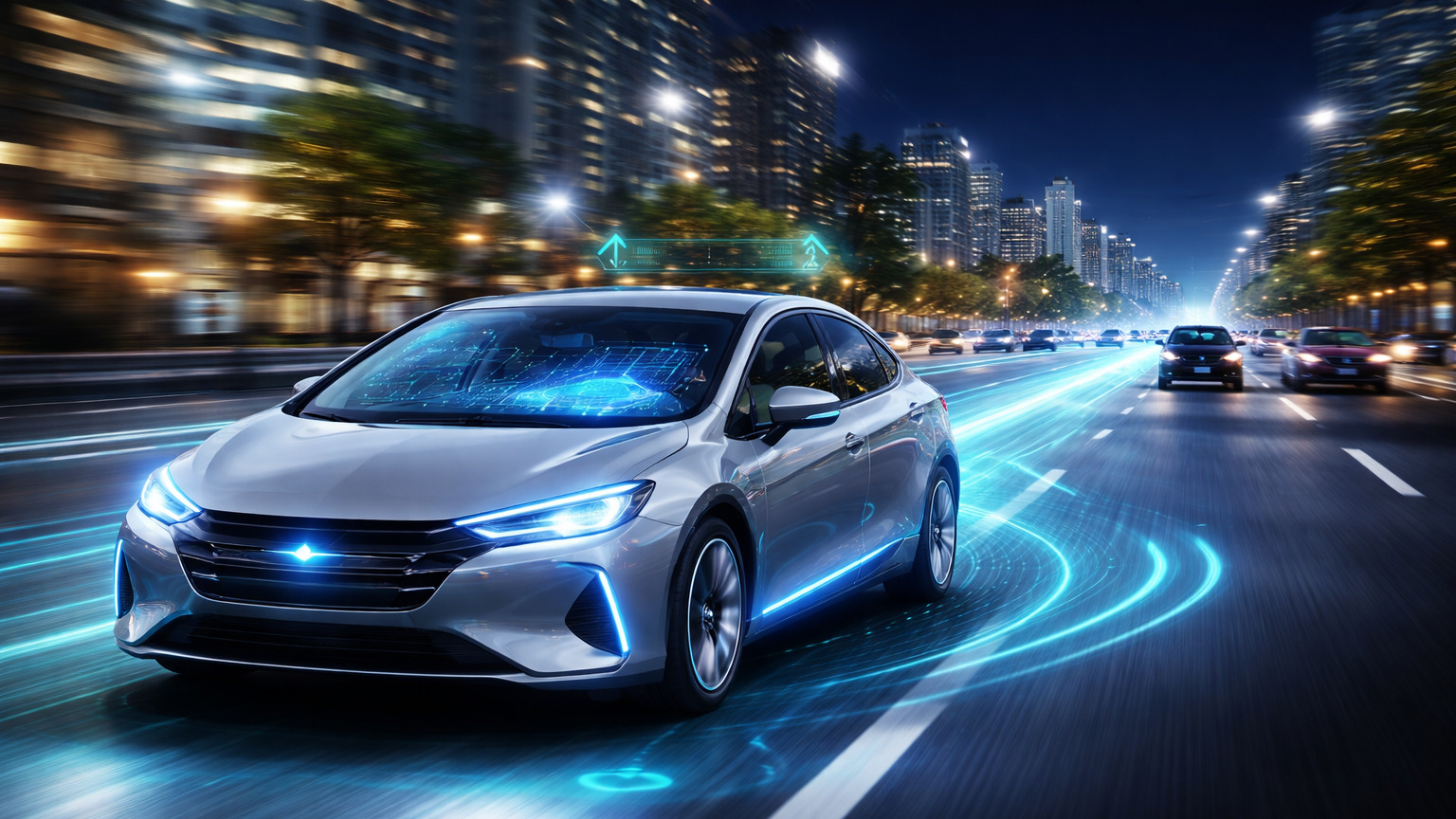
The collaboration between Amazon and NVIDIA highlights the increasing role of artificial intelligence in the automotive industry. Vehicles are gradually evolving into intelligent systems that can interact with drivers and passengers in more meaningful ways. By combining Amazon’s expertise in artificial intelligence with NVIDIA’s powerful automotive computing technology, the companies aim to accelerate the development of next-generation in-vehicle assistants. These assistants could eventually function like digital co-drivers that help drivers manage tasks, access information, and interact with their vehicles more naturally. As AI technology continues to advance, collaborations like this are expected to play a major role in shaping the future of connected and intelligent vehicles.
Comments (0)
Log in to share your thoughts
No comments yet
Be the first to share your thoughts!