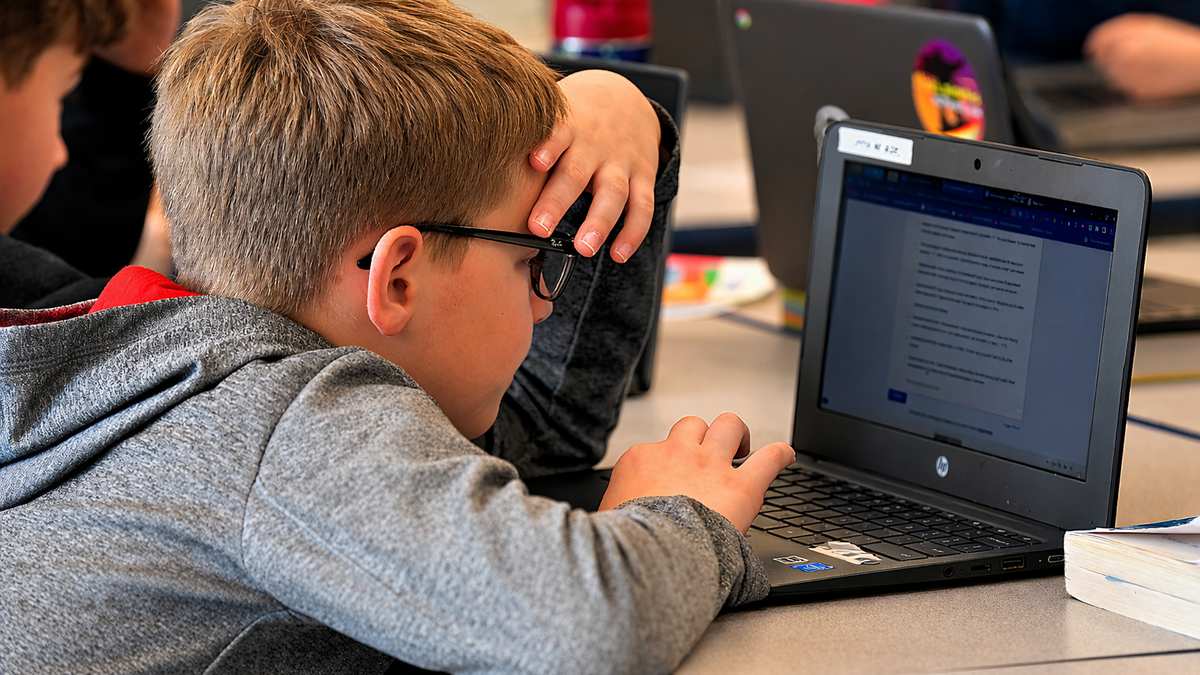
Artificial Intelligence (AI) is becoming a common part of childhood. Many children now use AI tools in their daily lives. They use these tools for learning, homework, entertainment, and asking questions. AI systems can answer questions, create stories, generate images, and explain school subjects. Because of this, experts say AI is slowly changing how children grow, learn, and interact with the world.
Researchers say AI can bring many benefits for children. At the same time, it can also create new risks. Parents and teachers need to understand both the advantages and the concerns so they can guide children in a safe and healthy way.
What Artificial Intelligence Means for Children
Artificial Intelligence is a type of technology that allows computers to perform tasks that usually require human thinking. AI can understand questions, give responses, and generate new information.
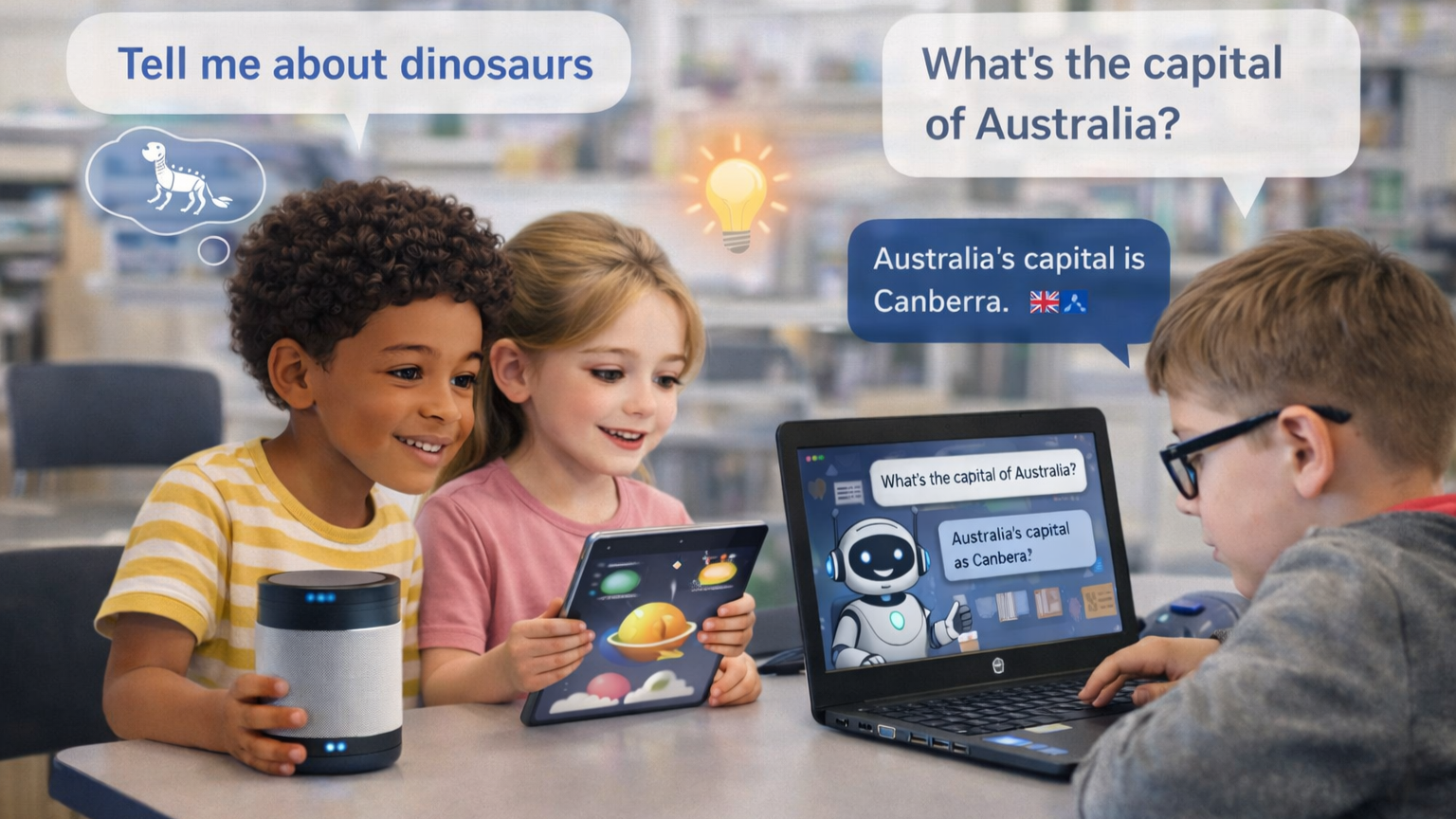
Today, children can interact with AI through chatbots, learning apps, smart speakers, and other digital tools. Many children ask AI questions about school subjects or general topics they are curious about. As a result, AI is becoming a normal part of modern childhood.
Experts say childhood is a very important period for brain development. The experiences children have during this time help shape how they think, learn, and interact with others. Because AI is now involved in many daily activities, it may influence how children develop important skills.
Benefits of AI for Children
AI can support children’s learning in many helpful ways. One important benefit is personalized learning. AI systems can adjust lessons based on a child’s learning pace. If a child struggles with a topic, the AI can provide more explanations and practice. If a child learns quickly, the AI can introduce more advanced information.
AI can also help children with homework. Some AI tools explain difficult topics in simple language. This can make it easier for students to understand subjects like math, science, or history.
AI can also encourage curiosity. Children often ask many questions about the world around them. AI tools can provide quick answers and explanations. For example, a child may ask questions about animals, planets, or historical events and receive clear explanations.
Another benefit of AI is that it can support children with disabilities or learning challenges. Some AI tools help with reading, speech, or communication. These tools can make education more accessible and help children learn at their own pace.
AI can also support creativity. Some tools allow children to create stories, artwork, or music with the help of AI. This can help children express their ideas and explore their imagination.
Risks of AI for Children
Although AI offers many advantages, experts also warn about several risks.
One concern is that AI systems sometimes provide incorrect or misleading information. Children may trust AI responses without questioning them. Because young children may not know how AI works, they may believe everything it says.
Another concern is privacy. Many digital tools collect information about their users. When children use AI systems, they may unknowingly share personal information such as their interests, voice recordings, or online behavior. Parents should be aware of how apps collect and store data.
Experts are also concerned about social development. Children develop important social skills through conversations and interactions with other people. If children spend too much time interacting with AI instead of real people, it may affect how they learn communication and emotional skills.
Another risk is over-dependence on AI. Some students may rely too heavily on AI to complete assignments or answer questions. If children stop thinking independently and depend on AI for answers, it may weaken their critical thinking and problem-solving abilities.
The Importance of Guidance From Parents
Parents play an important role in helping children use AI responsibly. Experts say parents should talk with their children about how AI works. Children should understand that AI can make mistakes and should not always be trusted as a perfect source of information.
Parents should also supervise how younger children use AI tools. Monitoring their usage can help prevent exposure to harmful content or excessive screen time.
It is also important for parents to encourage independent thinking. Children should learn to question information and verify facts from reliable sources.
Parents should also remind children not to share personal information online. Protecting privacy is an important part of safe technology use.
Finally, parents should make sure children balance technology use with other activities. Children should spend time playing outside, reading books, interacting with family members, and developing real-world friendships.