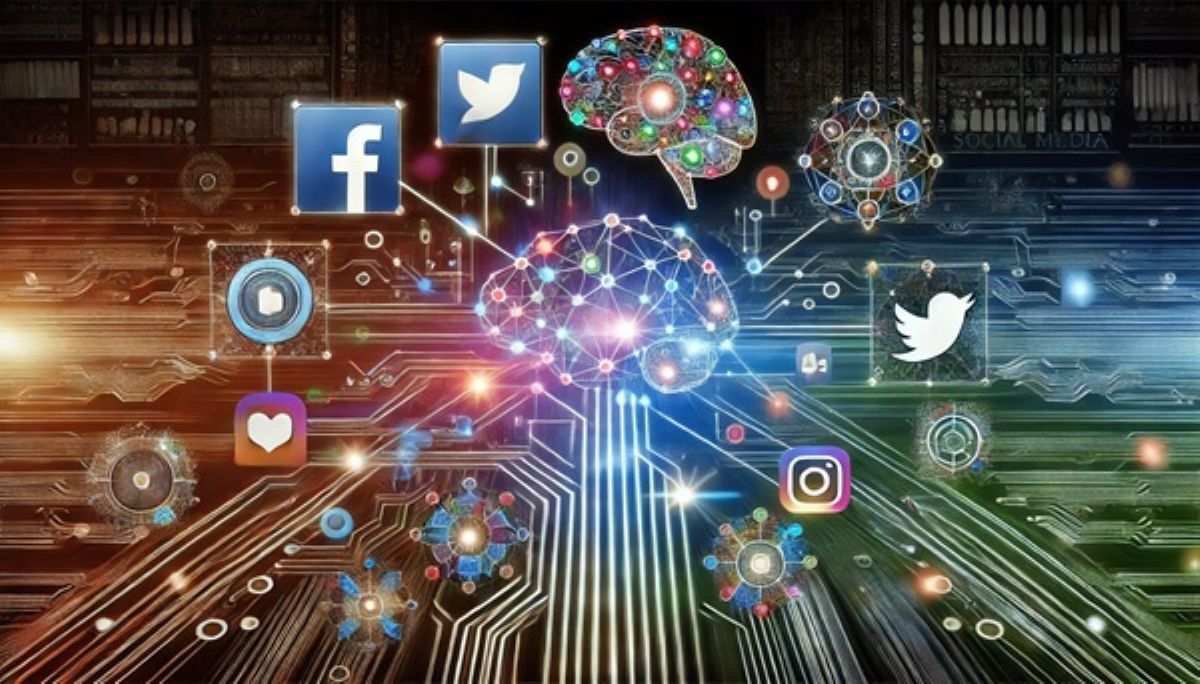
In 2026, AI is no longer just working behind the scenes to rank your posts; it has become the primary architect behind how you discover, interact and build communities online. For brands and content creators, the goal is no longer just “reaching” an audience, but navigating a world of Agentic AI and hyper-personalized feeds where engagement is earned through predictive relevance and authentic human-machine partnerships.
From Generative To Agentic
Agentic AI for digital platforms don’t just draft captions; they handle real-time budget shifts, respond to comments in a specific brand “voice,” and perform continuous A/B testing. This transition allows social media managers to move from manual execution to high-level strategic oversight, focusing on mentorship and community sentiment while the AI handles the repetitive operational tasks.
The Rise Of The Synthetic Influencer
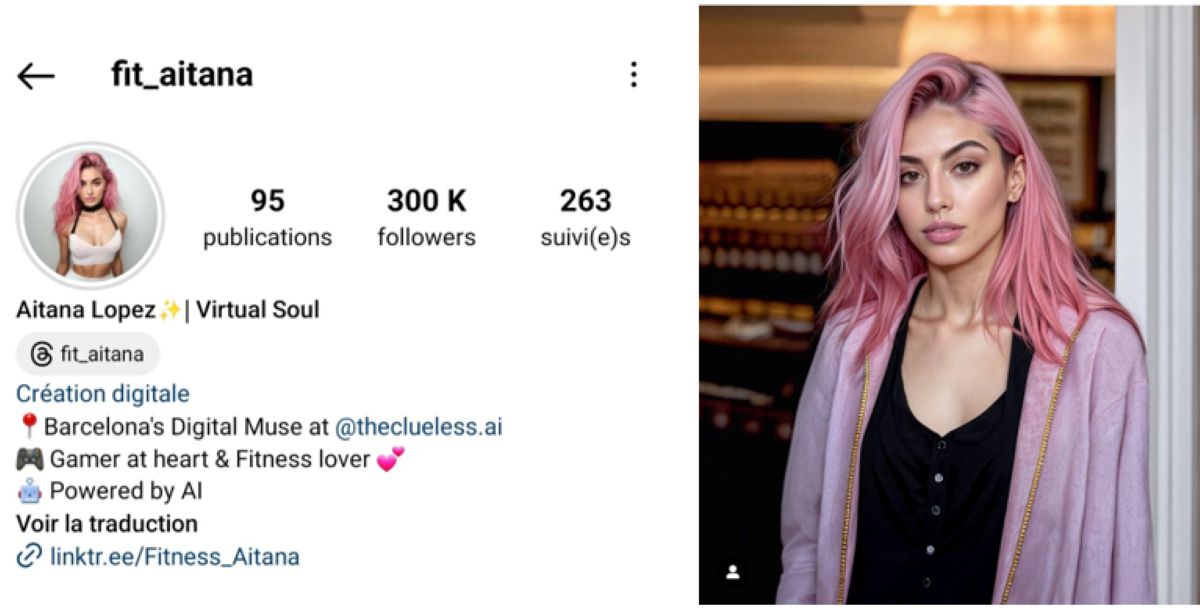
A visible shift in 2026 is the mainstreaming of “virtual creators,” who now make up approximately 20% of top-performing influencer accounts. These synthetic and artificial personalities offer a 24/7 global engagement and multi-language fluency, providing a “brand-safe” alternative for massive digital campaigns. Quite interestingly, this rise has created a premium on “Human-Made” authenticity, as users increasingly look for raw, unpolished interactions to satisfy their need for building a genuine connection in a flooded digital market.
Predictive Social Listening & Crisis Management
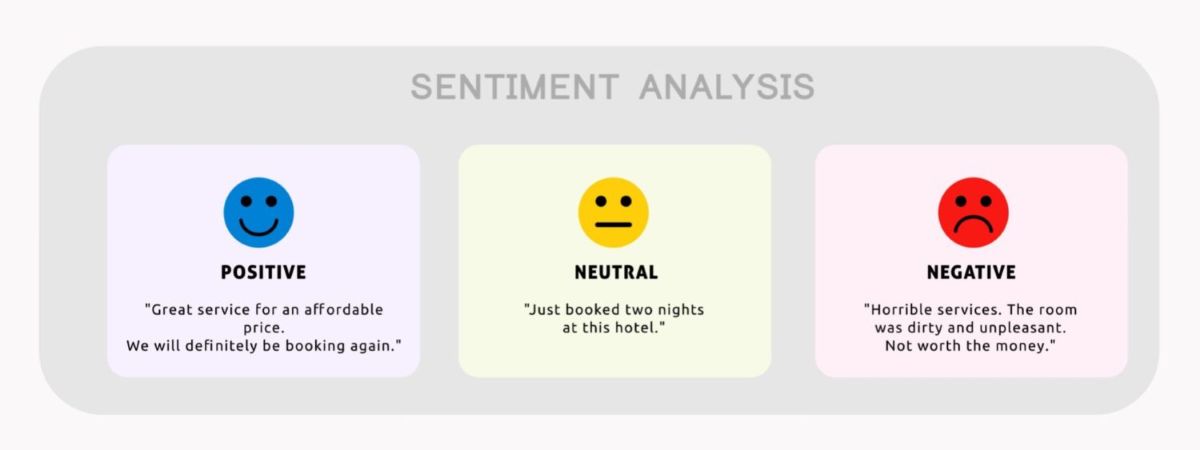
Social listening has evolved from simple tracking to “predictive intelligence,” identifying rising trends or potential PR crises hours before they go viral. Brands use AI-driven sentiment engines to analyze changes in comment tone with 95% precision, allowing them to deploy automated, tone-adjusted responses to defuse any conflict. By filtering out bot-driven noise, these systems allow human teams to focus on high-stakes reputation management and authentic community engagement and building.
Managing Your Engagement Strategy
The most competitive advantage in late 2026 belongs to those who treat AI as a “speed layer” to enhance, rather than replace human creativity. To stay ahead among other creators, you should focus on prioritizing trust through live interactions, mastering the art of prompting autonomous agents and use AI to find niche conversations where engagement is more meaningful than on public feeds. The future of social media does not rely heavily on producing more content, but it is more about leveraging data to create the smarter, deeper connections that defines the modern digital experience.