Google's AI models are now capable of retrieving information from Gmail and Google Photos to provide tailored and relevant responses specific to the prompt given. This signals towards a future where your digital life is twisted with AI that influences your searches and interactions.
How It works
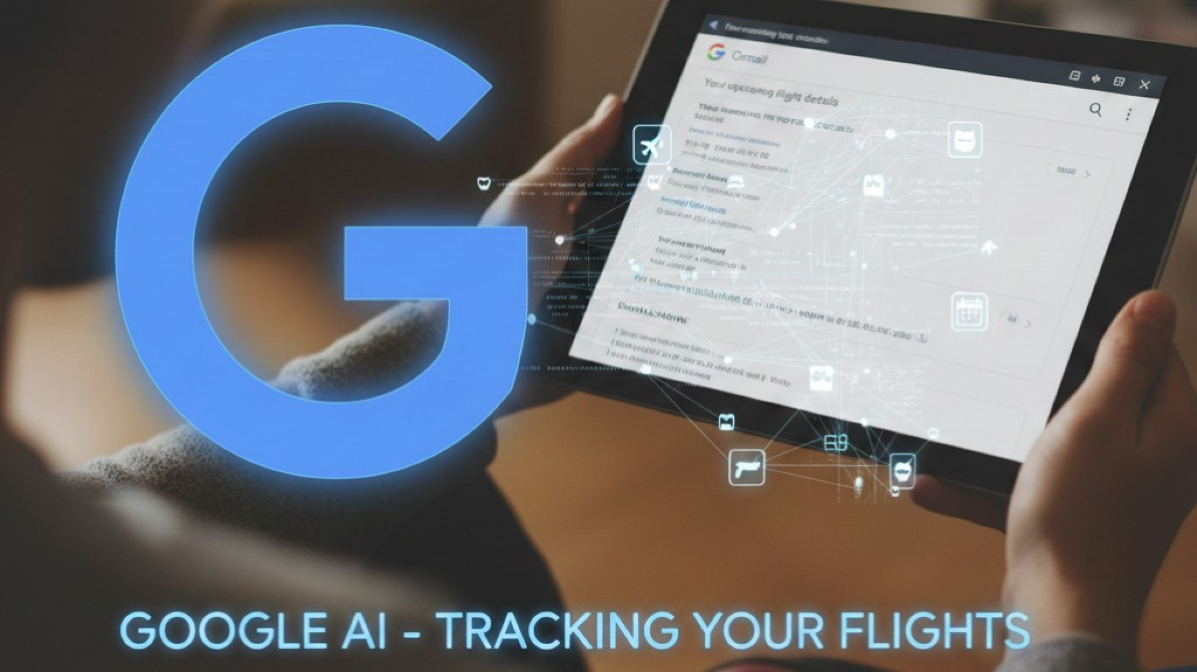
Imagine giving a prompt to Google, “What's the best route to my flight tomorrow?” and instead of just providing general information regarding flights, the AI instantly checks your Gmail account and tracks your flight confirmation emails, notes the departure time and airport and then provides real-time traffic updates specifically for your journey. Other than this, you might even ask, “Where did I take this amazing sunset photo?” and the AI searches your Google Photos to find out the exact location and date.
What Will You Gain
As a user, you might always be curious to know about the benefits that Google has to offer you:
Personalized Answers: With this feature, the AI provides you no longer with generic answers. Due to advancement, it can understand “your” flight schedules, “your” appointments, or “your” photos, providing responses accordingly.
Time-Convenient: The AI retrieves only the specific information from the user’s personal data to give accurate response to the user query.
Proactive Assistance: The AI can offer helpful suggestions based on any upcoming events or past activities stored in the user's contacts.
Privacy & Security Concerns
This deep integration of AI brings up significant questions in regards to data privacy and user control. Google is aware of these concerns, so it emphasizes that users will have control over what kind of data sources the AI can access.
Points to Consider
Opt-in vs. Opt-out: Google states that this feature of opt-in will need to explicitly grant permission for the AI to fully gain access to your personal data.
Data Security: Google assures that its users data including privacy is not compromised by maintaining robust security measures that protects the user's data, ensuring it's not misused or exposed.
Transparency: Users will have clear dashboards to manage the permissions granted for accessing data and also understand how their data is being used by the AI to provide specific information.
The concept of an AI having access to your most private communications and memories is a major transformation in the technology that demands users to carefully weigh the benefits against their comfort levels.
Way Forward
With time, as AI models grow more sophisticated, their ability to understand and utilize personal data of the user will be key to their utility. Ultimately, Google’s decision to allow AI to tap into a user's personal Gmail account and photos hints towards a bold step towards experiencing truly intelligent and personalized digital assistance. However, the choice of whether or not to allow AI to access a user's personal data to get the most effective response for an action rests completely on that user.