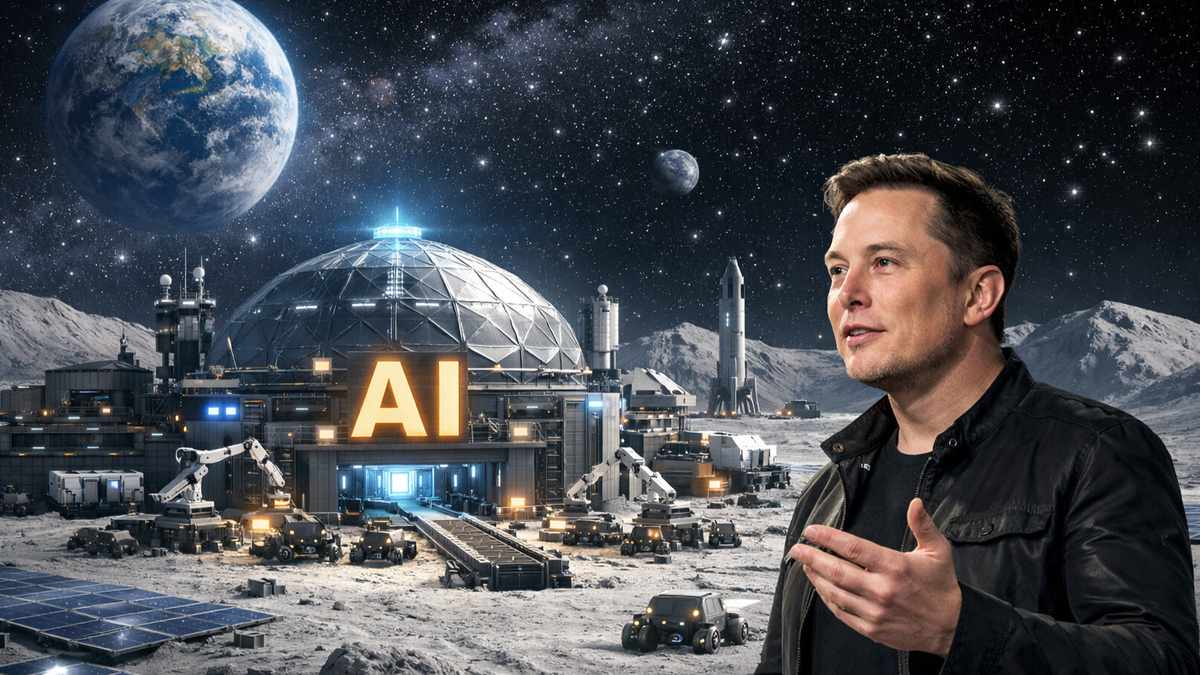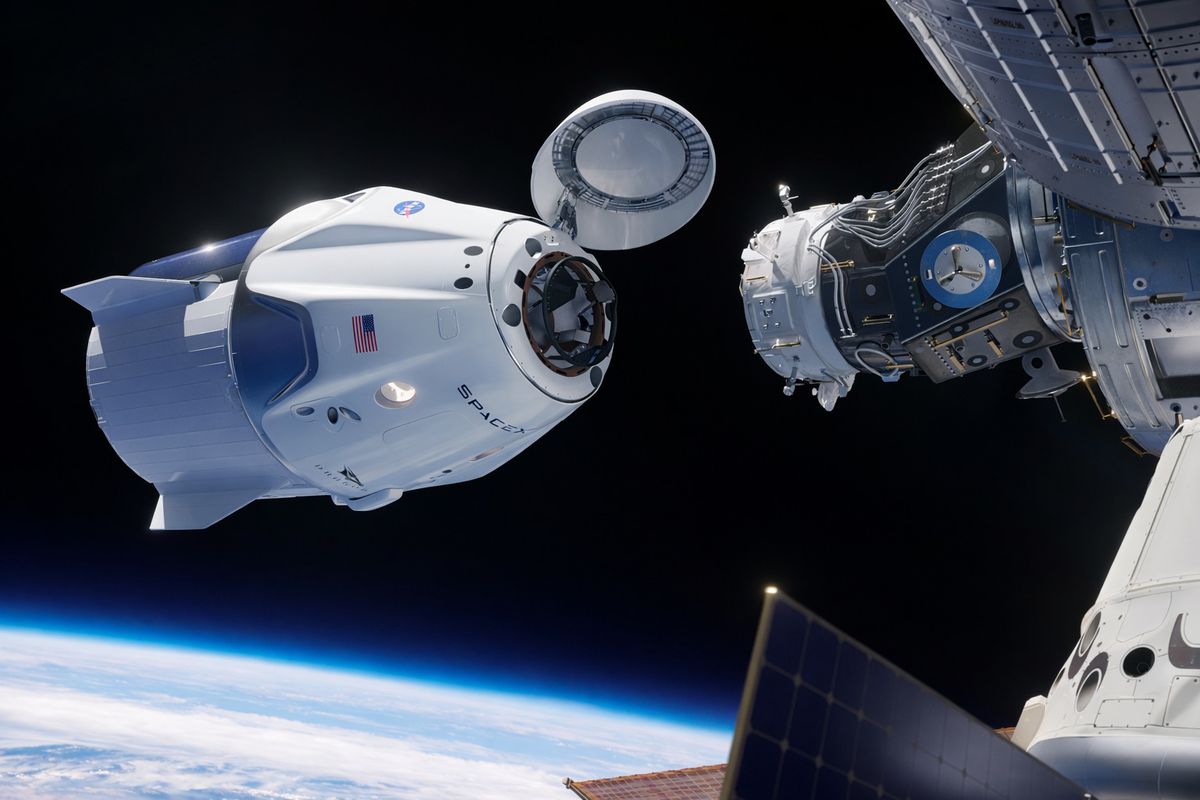
In February 2026, Elon Musk announced the merger of his aerospace company, SpaceX, with his artificial intelligence firm xAI.
The merger created a single private company valued at approximately $1.25 trillion, making it the most valuable privately held company in the world at the time of the announcement.
The deal combines SpaceX’s launch systems and satellite infrastructure with xAI’s artificial intelligence models and computing platforms.
Timeline of the Merger
Discussions between SpaceX and xAI were finalized in late January 2026, and the merger was formally announced in early February 2026.
The transaction was completed shortly after the announcement through a stock-based structure. Elon Musk continues as chief executive and remains the controlling shareholder of the merged entity.
Deal Structure and Valuation
Under the terms of the merger, SpaceX absorbed xAI into its corporate structure. xAI shareholders received SpaceX equity, transferring full ownership of xAI’s employees, artificial intelligence models, computing infrastructure, and intellectual property to SpaceX.
The transaction values SpaceX at close to $1 trillion and xAI at approximately $250 billion, reflecting xAI’s rapid growth and high investment in advanced AI computing systems.
Purpose of the Merger
The merger is aimed at integrating artificial intelligence directly with space-based infrastructure. Elon Musk has stated that future AI development requires massive computing power, energy supply, and cooling capacity, all of which are becoming increasingly limited on Earth.
The combined company plans to develop large-scale AI computing systems in orbit, primarily powered by solar energy, using SpaceX’s reusable rocket technology.
Role of SpaceX Infrastructure
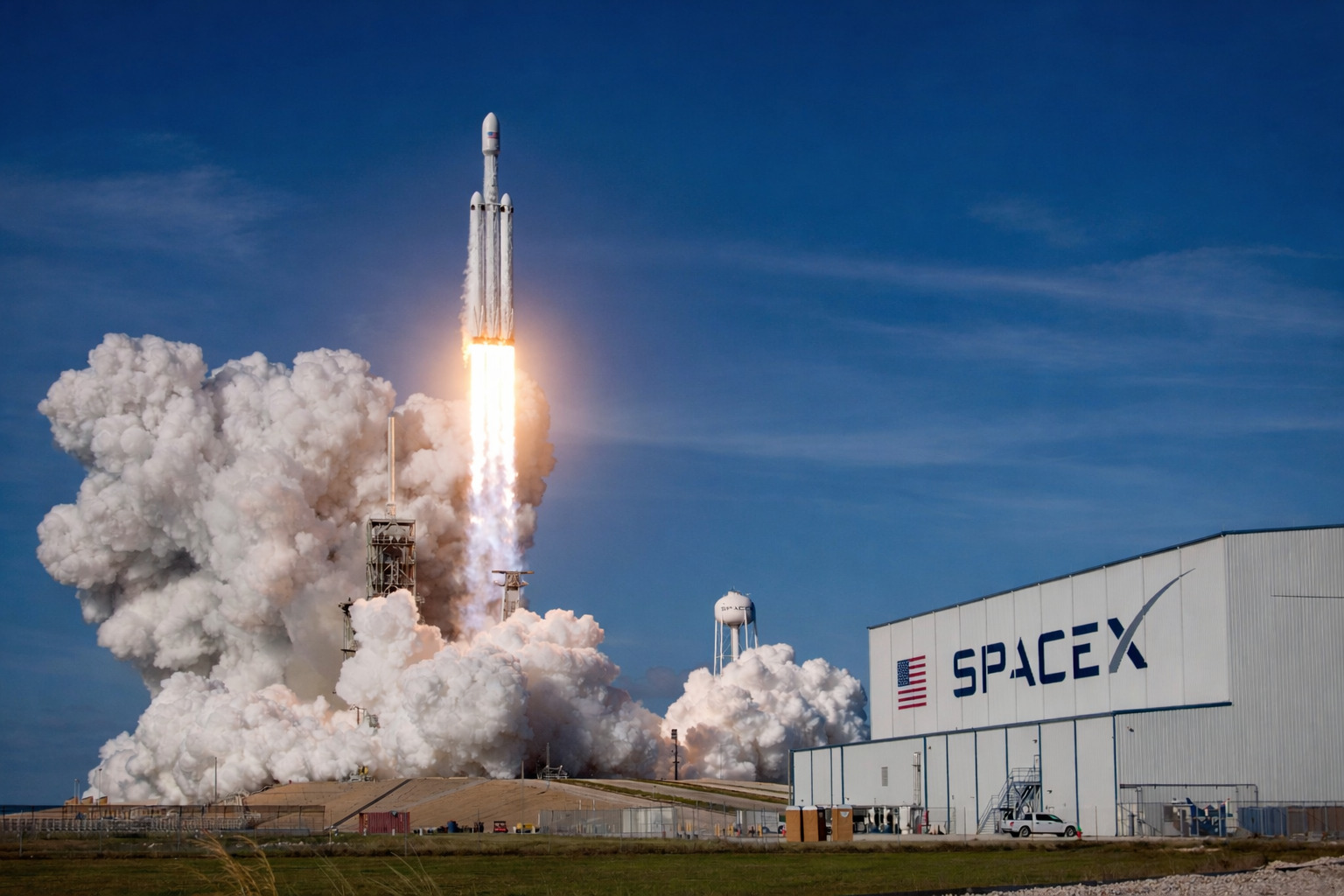
SpaceX’s existing infrastructure forms the foundation of the merged strategy. The Starlink satellite constellation, which already consists of thousands of low-Earth orbit satellites, will be used for global data transmission, AI model updates, and distributed computing connectivity.
The Starship launch system will be used to transport AI hardware, computing modules, and power systems into orbit at a scale not previously possible.
Integration of xAI Technology
xAI’s artificial intelligence models and computing platforms will now be developed within SpaceX-owned infrastructure. This integration allows direct deployment of AI systems using SpaceX launch vehicles and satellites, reducing costs and eliminating dependence on third-party launch providers and Earth-based data centers.
Financial Impact and IPO Expectations
The merger strengthens SpaceX’s financial position ahead of a potential initial public offering. Market analysts expect the combined company could pursue an IPO in 2026, potentially raising tens of billions of dollars. If launched, the offering could become one of the largest public listings in global financial history.
Investor and Industry Reaction
Supporters of the merger believe it creates unmatched vertical integration by combining rockets, satellites, and artificial intelligence under a single company. Critics have expressed concerns about financial risk, noting that xAI has been spending heavily on high-performance computing hardware and specialized chips, leading to high operating costs.
Regulatory and Technical Challenges
The merger is expected to face increased regulatory scrutiny due to SpaceX’s government and defense-related contracts and the strategic importance of artificial intelligence technology.
Technical challenges include radiation protection, hardware durability, heat management, orbital congestion, maintenance in space, and latency for Earth-based users. Experts estimate that fully operational space-based AI data centers could take several years to develop.
Broader Corporate Strategy
The SpaceX–xAI merger reflects Elon Musk’s broader strategy of consolidating key technologies into a single ecosystem. Space transportation, satellite communications, artificial intelligence, and future interplanetary infrastructure are intended to operate together as one integrated system.
Conclusion
The merger of SpaceX and xAI in February 2026 marks a major development in the convergence of space technology and artificial intelligence. The deal combines orbital infrastructure with advanced AI development at an unprecedented scale.
While the merger carries significant technical, financial, and regulatory risks, it reflects Elon Musk’s long-term vision to overcome Earth-based limitations on computing and energy and to shape the future of global technology and space infrastructure.