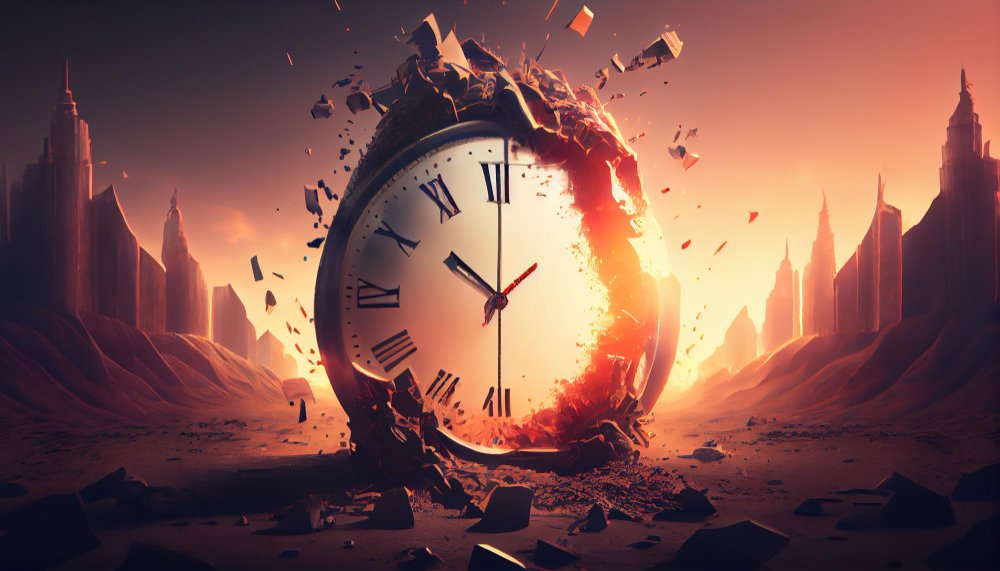
The Doomsday Clock is a symbolic clock that represents how close the world is to a major global catastrophe. In 2026, the clock reached its most alarming position ever, drawing serious attention from scientists, governments, and the public. The Doomsday Clock 2026 reflects growing global risks related to nuclear weapons, climate change, emerging technologies, and weak international cooperation. It is not a prediction of the end of the world, but a strong warning that urgent action is needed.
Origin and Purpose of the Doomsday Clock
The Doomsday Clock was created in 1947 by the Bulletin of the Atomic Scientists. This organization was founded by scientists who had worked on the first nuclear weapons during World War II. After seeing the destructive power of atomic bombs, they felt a responsibility to warn the world about the dangers of nuclear war and other global threats.
The clock uses the image of midnight to represent total global catastrophe. The closer the time is to midnight, the higher the risk humanity faces. The clock is reviewed every year and sometimes adjusted based on current global conditions. Its main purpose is to inform the public and world leaders about serious risks and to encourage responsible decision-making.
Who Decides the Doomsday Clock Time?
The time on the Doomsday Clock is set by the Science and Security Board of the Bulletin of the Atomic Scientists. This board includes experts in nuclear policy, climate science, international relations, biotechnology, and artificial intelligence. The decision is also influenced by the Bulletin’s Board of Sponsors, which includes Nobel Prize winners and respected global thinkers.
They analyze global events, political decisions, scientific developments, and long-term risks. The final decision reflects a collective judgment about how dangerous the current situation is for humanity.
Doomsday Clock 2026 Time Setting
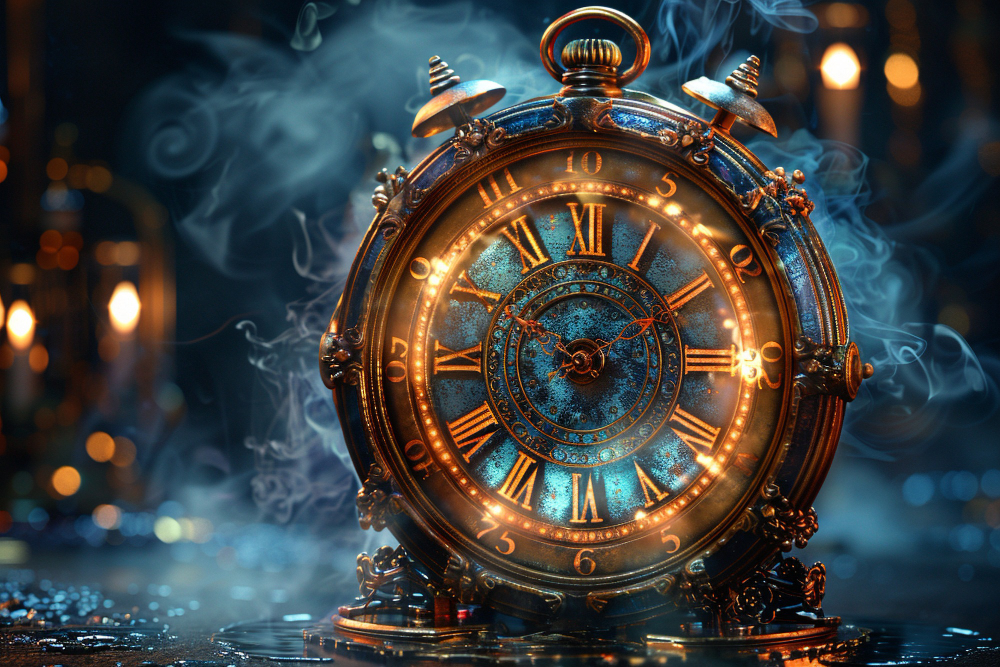
In 2026, the Doomsday Clock was set at 85 seconds to midnight. This is the closest the clock has ever been to midnight in its entire history. The move signaled that global risks have increased compared to previous years and that existing efforts to reduce these dangers are not strong enough.
Scientists explained that the decision was based on multiple overlapping threats that are reinforcing each other. These include nuclear tensions, climate crisis impacts, rapid technological change, and global instability.
Nuclear Weapons and Global Security Risks
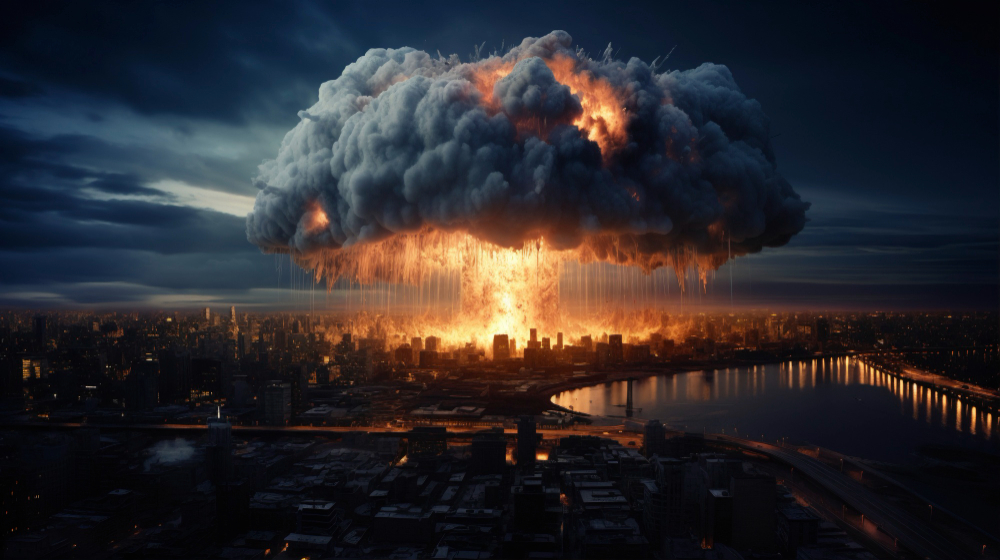
Nuclear weapons remain one of the most serious threats influencing the Doomsday Clock in 2026. Several countries continue to maintain and modernize their nuclear arsenals. Relations between nuclear-armed nations are tense, and trust between major powers has weakened.
Important nuclear arms control agreements are either nearing expiration or have lost effectiveness. The absence of new treaties increases the risk of arms races and misunderstandings. Scientists warn that even an accidental nuclear launch or limited nuclear conflict could cause massive destruction and long-term global consequences.
The continued existence of thousands of nuclear weapons means that humanity remains one mistake away from disaster.
Climate Change as a Global Threat
Climate change is another major reason the Doomsday Clock moved closer to midnight in 2026. Global temperatures continue to rise, and many countries are not reducing emissions fast enough. Extreme weather events such as heatwaves, floods, droughts, and wildfires are becoming more frequent and severe.
Rising sea levels threaten coastal cities and island nations. Changes in climate affect food production, water availability, and human health. Scientists warn that failing to act quickly will lead to irreversible damage to ecosystems and increased global instability.
The Doomsday Clock highlights climate change as a threat equal in seriousness to nuclear war.
Artificial Intelligence and Emerging Technologies
Rapid technological development, especially in artificial intelligence, played a significant role in the 2026 decision. AI has the potential to improve lives, but it also creates new dangers if misused or left unregulated.
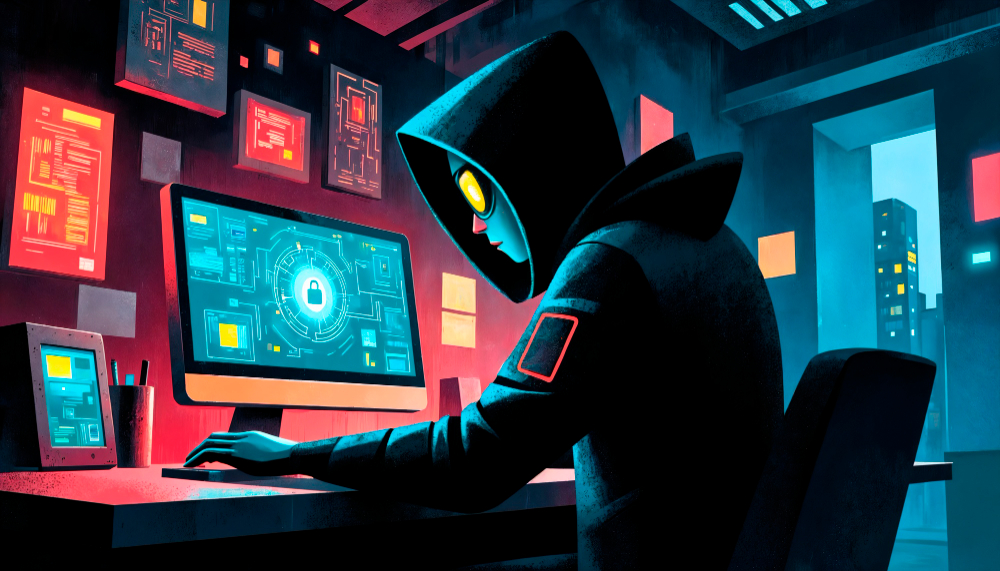
AI can be used in military systems, cyberattacks, and surveillance. It can spread misinformation and deepfake content, making it harder for people to trust information. Scientists worry that technology is advancing faster than global rules and ethical standards.
The lack of international cooperation on AI governance increases the risk of unintended consequences.
Biological and Health-Related Risks
Biological threats, including pandemics and biotechnology misuse, are also part of the Doomsday Clock assessment. Advances in genetic engineering and laboratory research can be beneficial, but they also create risks if safety measures fail or if technologies are misused.
The world has learned from recent global health crises that preparedness and cooperation are essential. Weak health systems and unequal access to medical resources can worsen the impact of biological threats.
Global Politics and Lack of Cooperation
One of the strongest messages behind the Doomsday Clock 2026 is the failure of global cooperation. International institutions are struggling to respond effectively to modern challenges. Political divisions, conflicts, and nationalism reduce the ability of nations to work together.
Many global problems, including climate change and nuclear risk, require collective solutions. Scientists warn that ignoring diplomacy and cooperation pushes the world closer to midnight.

Historical Perspective of the Doomsday Clock
Since 1947, the Doomsday Clock has moved forward and backward based on global conditions. The clock was set farthest from midnight in 1991, at 17 minutes, after the end of the Cold War and major nuclear arms reductions.
In recent decades, the clock has steadily moved closer to midnight due to rising global risks. The 2026 setting represents the most dangerous moment recorded so far, showing a long-term trend of increasing instability.
Is There Still Hope?
Despite the alarming position of the Doomsday Clock 2026, scientists emphasize that the future is not fixed. The clock can move backward if meaningful action is taken. Reducing nuclear arsenals, strengthening climate policies, regulating emerging technologies, and improving global cooperation can all make a difference.
Public awareness also plays a key role. When citizens understand the risks, they can push leaders to act responsibly. The Doomsday Clock exists not to predict disaster, but to prevent it.
Conclusion
The Doomsday Clock 2026, set at 85 seconds to midnight, represents a serious warning to humanity. Nuclear weapons, climate change, technological risks, and weak international cooperation are pushing the world closer to catastrophe. However, the clock is a symbol of choice, not fate.
Humanity still has the knowledge and tools to reduce these dangers. The decisions made by governments, institutions, and individuals today will determine whether the world moves closer to midnight or steps back toward safety.