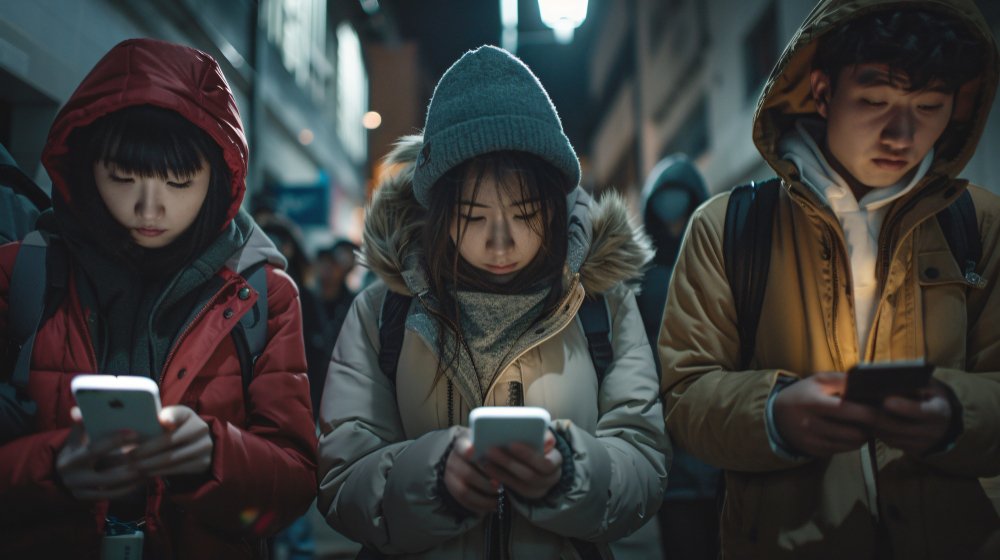
Social media has become an essential part of modern life, especially for children and teenagers who use platforms such as Instagram, TikTok, YouTube, and Snapchat for entertainment, communication, and learning. However, the rapid growth of screen time has raised serious concerns about mental health, online safety, addiction, cyberbullying, and exposure to harmful or age-inappropriate content.
In response, governments around the world have begun introducing laws that restrict or regulate children’s access to social media. These regulations vary widely, ranging from parental consent requirements and time limits to strict content controls and near-total bans. Together, they represent a growing global effort to protect young users in a digital environment that was largely designed without children in mind.
Why Countries Are Restricting Social Media for Children
Experts warn that excessive and unregulated social media use can negatively affect children’s concentration, emotional stability, sleep patterns, and social development. Many platforms rely on algorithms that encourage prolonged use, increasing the risk of addiction and emotional dependency. Children are also more vulnerable to cyberbullying, online peer pressure, harmful viral trends, and disturbing content.
As a result, governments are increasingly debating whether parents alone should manage children’s online behavior or whether technology companies and public institutions must take greater responsibility. This debate has led to stricter laws, stronger enforcement, and new bans across several countries, especially from 2021 onward and accelerating in 2026.
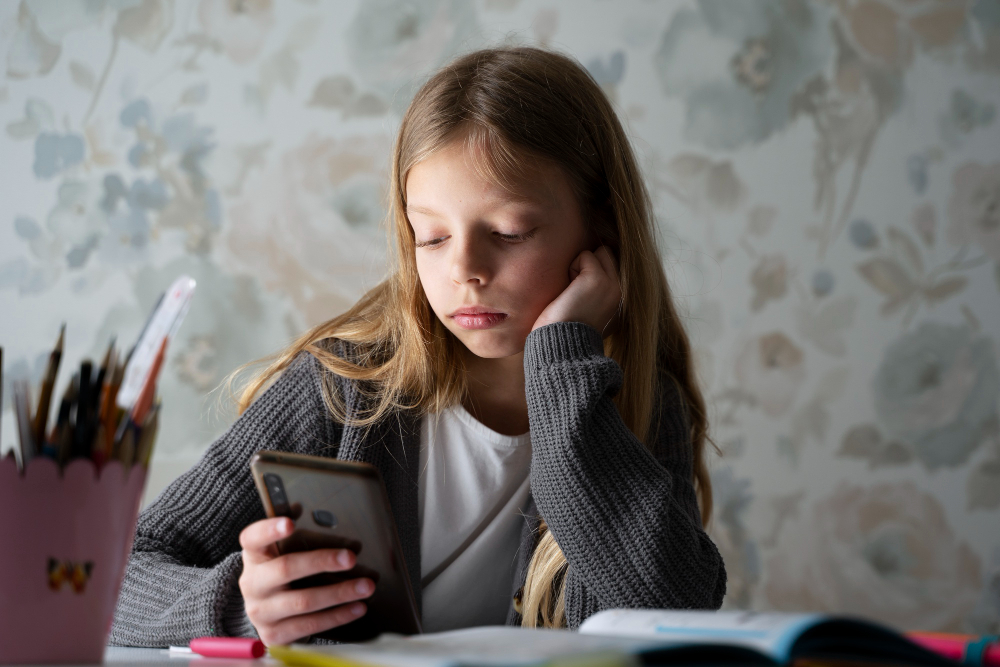
Credit: Image by Freepik.
China
China began introducing strict digital controls for minors between 2019 and 2021, with major nationwide rules enforced in 2021. Social media platforms in China are required to provide a dedicated “youth mode” for users under 18.
Under these rules, children are restricted in how long they can use social media apps each day, with daily screen-time limits that vary by age. Minors are also blocked from accessing social media during late-night hours, typically between 10 p.m. and 6 a.m.
Certain features, such as live streaming, tipping content creators, and algorithm-driven content recommendations, are restricted or disabled for minors. Content available in youth mode is filtered to prioritize educational, cultural, and age-appropriate material. The Chinese government says these measures are intended to reduce addiction and protect children’s physical and mental health.
France
France passed a child social media regulation law in July 2023 that requires parental consent for children under 15 to use social media platforms. Under this law, platforms such as Instagram, TikTok, Snapchat, and Facebook must verify users’ ages and confirm parental approval before granting access.
In addition, France approved further legislation in early 2026 that moves toward a stricter ban. This new law is scheduled to take effect in September 2026 and will prohibit children under 15 from accessing social media platforms entirely, even with parental consent.
The French government argues that younger children are not emotionally prepared to deal with cyberbullying, online pressure, and harmful content, and that platforms must be legally responsible for protecting minors.
Italy
Italy reinforced its social media restrictions between 2021 and 2023 following incidents linked to dangerous online challenges involving children. Under Italian law, children under 14 are restricted from using social media platforms unless a parent or legal guardian provides consent.
Social media companies operating in Italy are required to strengthen age-verification systems to prevent underage access. Content that promotes dangerous behavior, extreme challenges, or other harmful trends is closely monitored, and authorities can demand the removal of such material. Italy’s approach focuses on preventing real-world harm while tightening enforcement of existing child-protection rules.
Australia
Australia introduced one of the world’s strictest social media laws for children. After policy discussions beginning in 2023, the country implemented a nationwide ban in December 2025 that continues into 2026.
Under this law, children under the age of 16 are banned from holding social media accounts on platforms such as Instagram, TikTok, Snapchat, Facebook, YouTube, and X. The ban applies even with parental consent.
Social media companies are legally required to prevent under-16 users from creating or maintaining accounts and must use age-verification systems to enforce the rule. The Australian government says the ban aims to address rising anxiety, cyberbullying, and social pressure among teenagers.
South Korea
South Korea has regulated children’s digital activity since 2011, when it introduced the “Shutdown Law,” which restricted minors from accessing online games during late-night hours. Although the law was revised in 2021, restrictions on children’s online use remain in effect.
While social media is not fully banned, children face limits on nighttime access, and parents are encouraged to use monitoring and parental-control tools. South Korean authorities continue to warn about the risks of addiction, sleep deprivation, and declining academic performance caused by excessive screen time. The country’s approach focuses on balance rather than outright bans.
United States
In the United States, social media restrictions for children are increasingly being introduced at the state level. In Virginia, a law that took effect on January 1, 2026, limits children under 16 to one hour of social media use per day unless parental consent is provided. Platforms are also required to verify users’ ages to enforce the time limit.
In Colorado, a law that came into force in January 2026 requires social media platforms to display warnings to users under 18 if they spend more than an hour per day on the platform or access it late at night. These laws do not ban social media entirely but aim to reduce excessive use and promote healthier digital habits.
Ireland
Ireland began rolling out mandatory age-verification requirements in 2026 to enforce its existing digital age of consent, which is set at 16. Under this system, social media platforms must verify that users meet the minimum age requirement before allowing access. The policy is designed to prevent younger children from easily bypassing age limits by entering false birthdates.
North Korea
North Korea has enforced extreme digital restrictions since the early 2000s. Access to international social media platforms such as Instagram, TikTok, YouTube, Facebook, and X is completely banned for both children and adults.
Children are not allowed to use global social media under any circumstances. Instead, citizens can only access a tightly controlled national intranet that provides government-approved content. The government claims these restrictions protect national ideology and prevent foreign influence. Unlike other countries, North Korea’s restrictions apply to almost the entire population, not just minors.
India
India does not have a nationwide ban on social media for children, but it has introduced regulations that restrict how minors use digital platforms. Under the Information Technology Rules of 2021, social media companies are required to remove harmful content quickly and strengthen safeguards for child users.
In 2023, India passed the Digital Personal Data Protection Act, which requires verifiable parental consent for children under 18 to use social media and prohibits targeted advertising and data tracking of minors.
In 2026, several Indian states, including Goa and Andhra Pradesh, began discussing Australia-style restrictions, which would ban or strictly limit social media access for children under 16. While these proposals are still under consideration, they signal a growing shift toward stricter age-based controls in India.
Credit: Image by Freepik.
The Global Impact of These Restrictions
As more countries introduce or strengthen regulations on children’s social media use, especially in 2026, the global conversation has shifted. The debate is no longer about whether children need protection online, but about how that protection should be enforced and who should be responsible.
Supporters argue that strict rules are necessary in a digital environment designed to maximize engagement rather than child well-being. Critics raise concerns about enforcement challenges, freedom of expression, and government overreach. Despite these disagreements, one trend is clear: governments worldwide are increasingly reshaping how children interact with social media to create a safer digital future.