Scientists have developed a new water filtration technology that can remove toxic “forever chemicals” from water up to 100 times faster than traditional carbon-based filters.
This breakthrough is being described as a major advancement in water purification and environmental protection because it addresses one of the most persistent and dangerous forms of chemical pollution affecting drinking water worldwide.
What Are “Forever Chemicals”
Forever chemicals are scientifically known as per- and polyfluoroalkyl substances, or PFAS.
These are synthetic chemicals that have been widely used since the 1940s in industrial and consumer products such as non-stick cookware, stain-resistant fabrics, waterproof clothing, food packaging, and firefighting foams.
PFAS are extremely resistant to heat, water, and chemical reactions, which makes them very difficult to break down once they enter the environment.
Why PFAS Are Dangerous
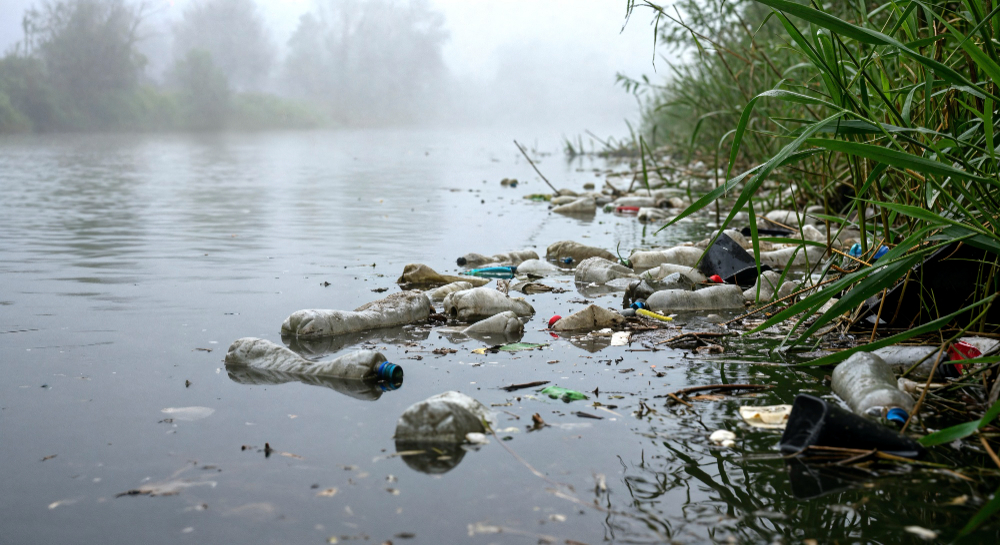
PFAS are called “forever chemicals” because they do not degrade naturally and can persist in water, soil, animals, and the human body for decades. Over time, they accumulate and spread through groundwater, rivers, lakes, and public water supplies.
Scientific studies have linked PFAS exposure to serious health problems, including certain cancers, liver damage, hormone disruption, reduced fertility, developmental issues in children, and weakened immune systems.
Limitations of Existing Water Filters
Activated carbon filters are currently one of the most common technologies used to reduce PFAS in drinking water. These filters work by trapping PFAS molecules on the surface of carbon particles as water flows through.
While carbon filters can reduce contamination, they work slowly, become saturated quickly, and do not destroy PFAS. Once saturated, the contaminated carbon must be disposed of or treated, which increases cost and creates additional environmental risks.
Development of the New Water Filter
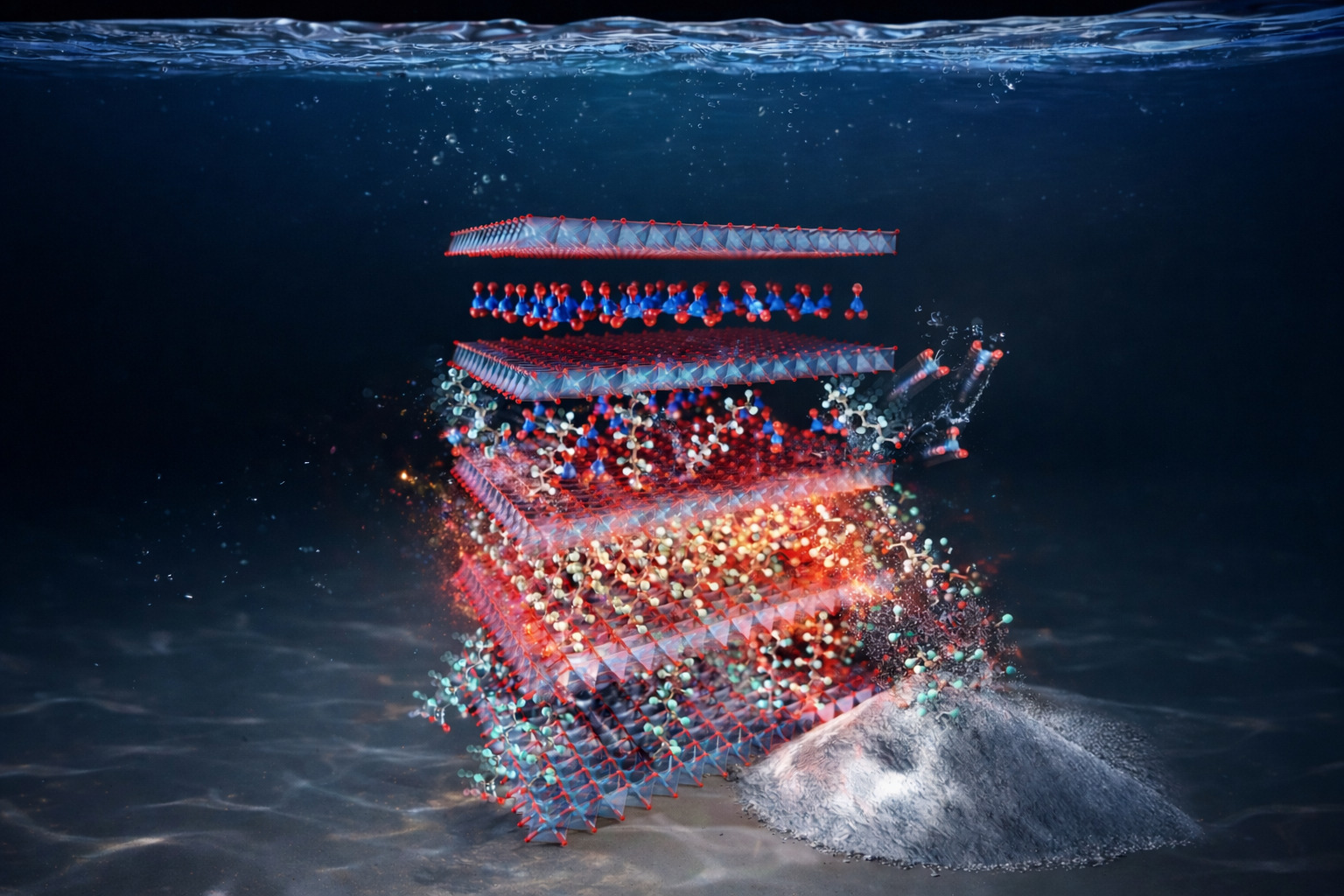
The new water filter was developed by a team of scientists led by researchers at Rice University. The researchers created a special material known as a layered double hydroxide made from copper and aluminum.
This material has a layered structure with a positive charge, which allows it to strongly attract and bind negatively charged PFAS molecules when contaminated water passes through it.
How the New Filter Works
When PFAS-contaminated water flows through the new filter, the copper-aluminum layered material rapidly captures the PFAS molecules. Laboratory tests showed that this process happens extremely quickly compared to traditional methods.
According to the researchers, the new filter removes PFAS approximately 100 times faster than activated carbon filters under similar test conditions. In some experiments, the material demonstrated exceptionally high adsorption capacity, meaning it could hold a large amount of PFAS relative to its size.
Destruction and Reuse of Captured Chemicals
A key advantage of this new filter is that it does more than just trap forever chemicals. After PFAS are captured, the material can be treated using a controlled heating process that breaks down the chemicals into less harmful substances.
This means PFAS are destroyed rather than simply transferred elsewhere. After treatment, the filter material can potentially be regenerated and reused, reducing waste and lowering long-term treatment costs.
Testing and Performance Results
The researchers tested the new filter using various types of water, including laboratory samples, tap water, river water, and wastewater. In all cases, the material showed strong and consistent PFAS removal performance, even when other contaminants were present.
These results suggest the filter could work effectively in real-world water conditions, although most tests so far have been conducted on a small scale.
Real-World Applications and Challenges
Before the new filter can be widely used, further testing is required in large-scale, real-world settings such as municipal water treatment plants and industrial wastewater facilities.
Engineers will need to design practical filtration systems, evaluate long-term durability, ensure safety during the PFAS destruction process, and meet regulatory standards for drinking water treatment.
Importance of This Breakthrough
Experts consider this development a major step forward in addressing PFAS pollution. The combination of extremely fast removal, the ability to destroy captured chemicals, and the potential for reuse makes this technology more sustainable than many existing methods. If successfully scaled up, it could significantly improve how communities manage contaminated water sources.
Also Read: Is Pollution Creating Chronic Diseases?
Conclusion
The new water filter that removes forever chemicals 100 times faster than carbon represents a significant scientific and environmental breakthrough. It offers a faster, more efficient, and potentially more sustainable solution to one of the most challenging water contamination problems in the world.
With further testing and development, this technology could play a crucial role in protecting drinking water supplies, public health, and the environment for future generations.