
The world is moving at lightning speed, and so should you. Love it or hate it, but artificial intelligence is here to stay, and those who don't adapt will become obsolete in no time. Whether you are a high-school student or a researcher at a university, AI agents can help you increase your productivity, help you analyze data, and do in-depth research about anything you want.
After analyzing multiple AI agents and tools, we have created a list of the best seven tools that not only save you hours but also help you learn things much more efficiently and smoothly. You can use any of these tools based on your needs. However, we have categorized them by what they are good at. Check it out right now.
Also read || Elon Musk Proposes Building an AI Factory on the Moon
Perplexity - Best for Fact Finding
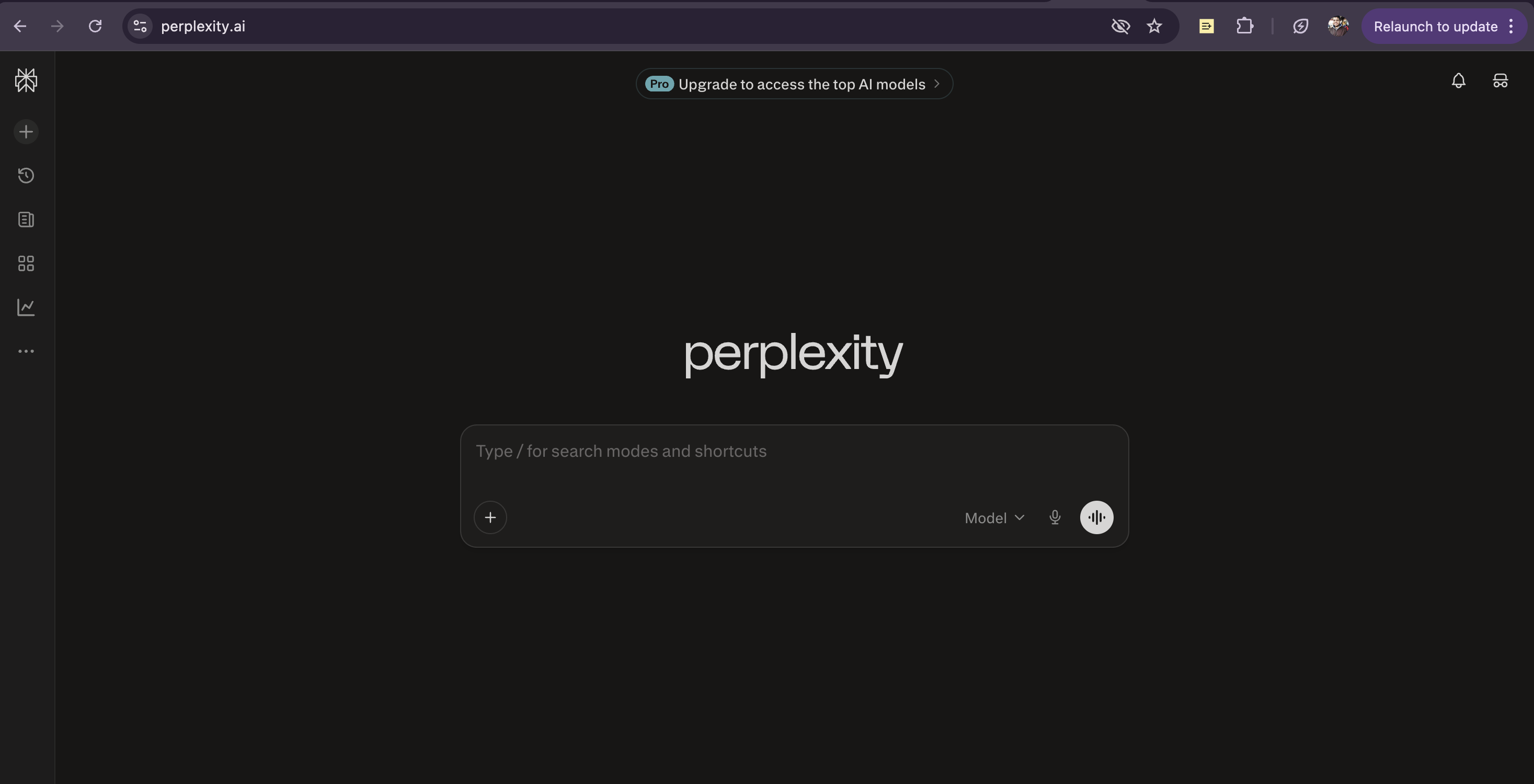
If curiosity is your best friend, Perplexity can be the best AI agent for you. It is the gold standard for "online search", and you can call it "Google Search on Steroids" as it cites every claim it makes with clickable links. Ideally used for quick deep dives and verifying facts with real-time data, Perplexity is the best choice for students, journalists, and curious professionals. The key highlight of this application is its Pro Search mode, which acts as a true agent, clarifying questions before exploring multiple sources to find an answer.
Consensus - Best for Scientific Evidence
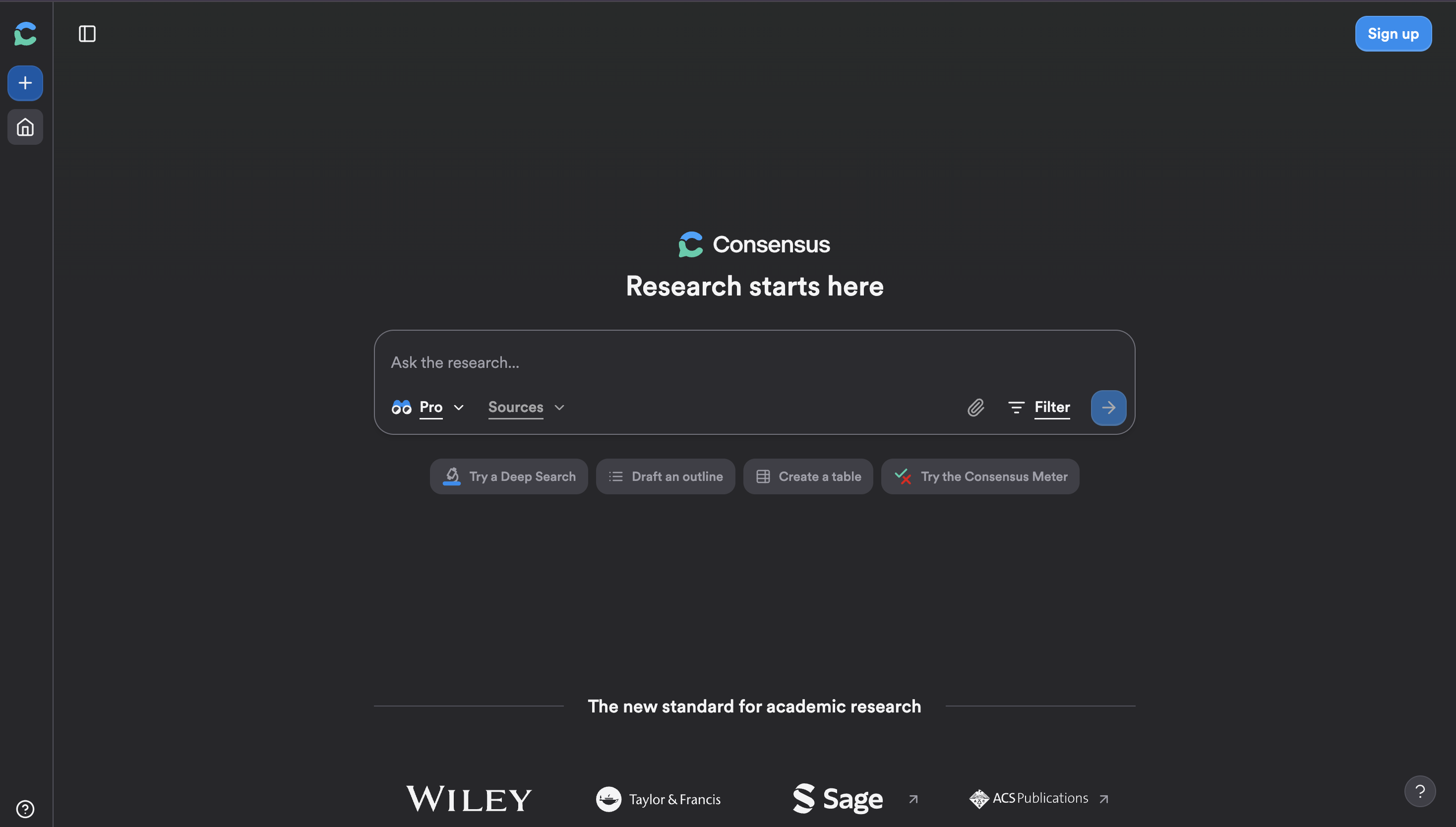
A gem for the scientific community, Consensus is an AI-powered search engine for peer-reviewed literature. They claim they can help you find, organize, and analyze science 10x faster than normal, enabling efficient research. It searches through 200 million research papers to tell you if a consensus exists (e.g., "Does creatinine cause hair loss"?). Consensus is intended for academic researchers, health professionals, and science enthusiasts.
ResearchRabbit - Best for Literature Reviews
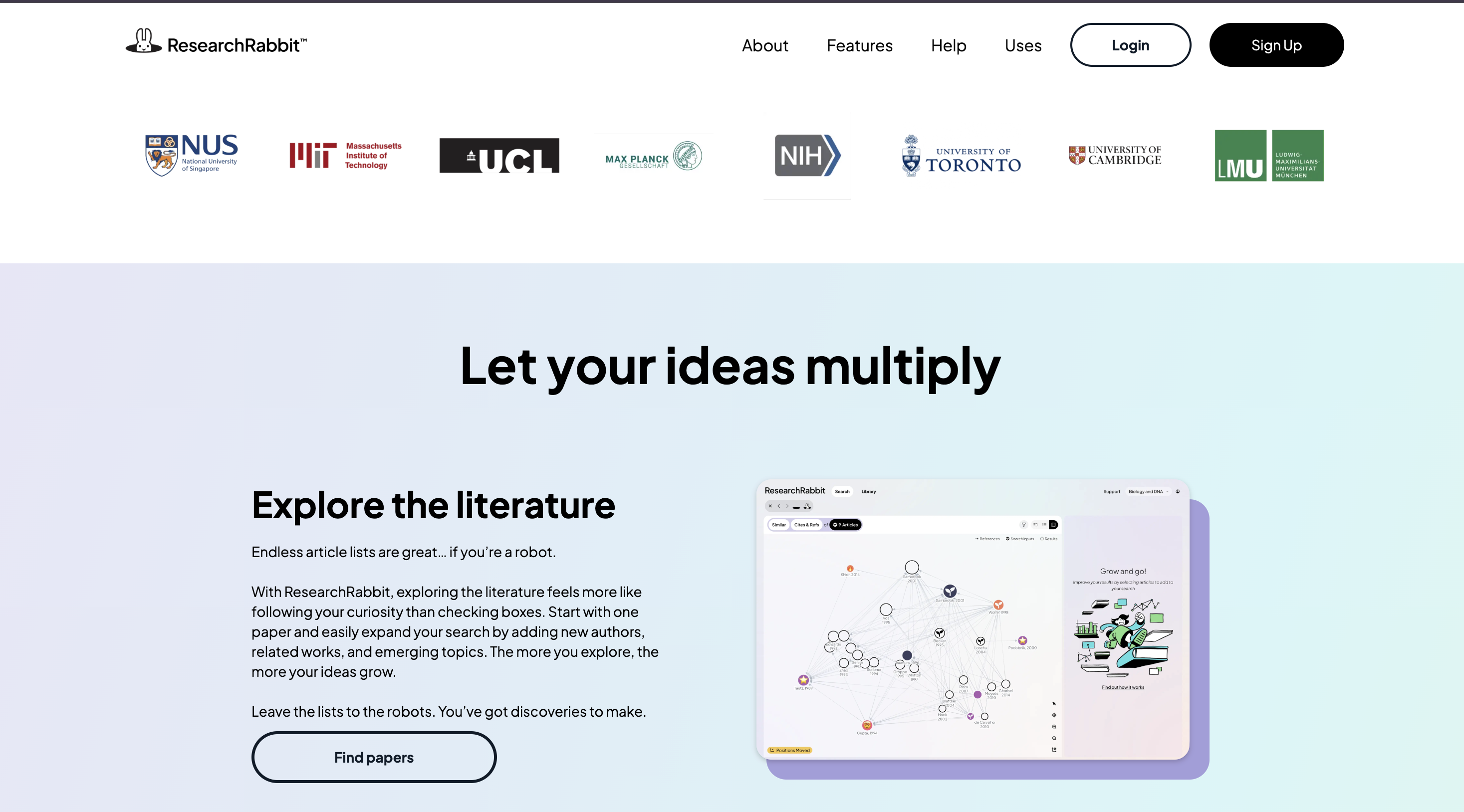
An average literature review takes anywhere from 2 weeks to 4 months, but with tools such as ResearchRabbit, you can save up upto 5x and get your work done quickly. It is used to find related papers, build citation maps, and track research trends. You can call it a "Spotify for Research" as it helps you find "neighboring" papers related to your subject. Hence, ResearchRabbit is perfect for academicians and students who love to go deeper into research.
Also read || America's AI Power Crunch: Data Centers Hit a Wall
Elicit - Best for Data Extraction
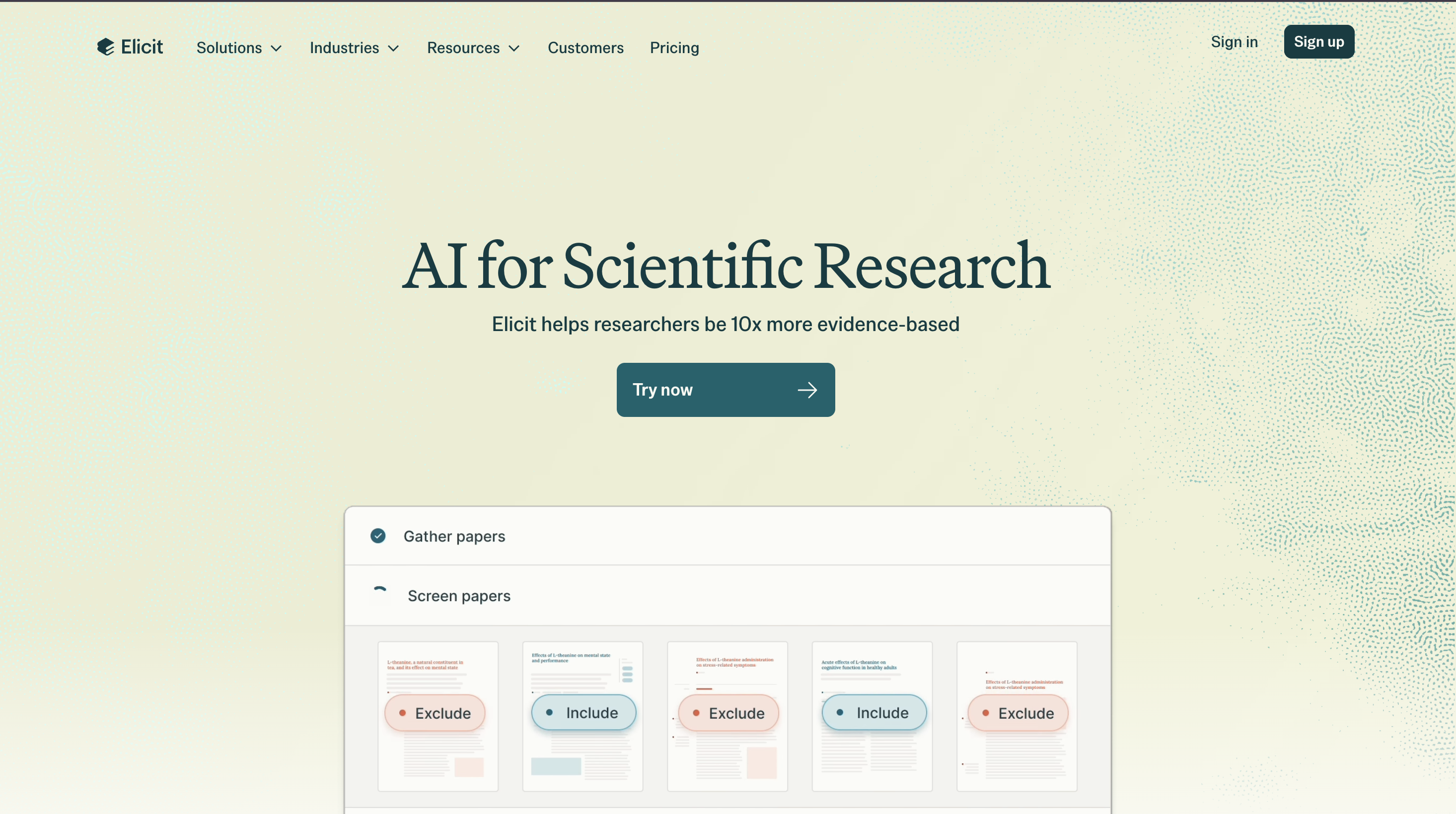
Accurate data is what makes your research strong and reliable, but going through hundreds of research papers can be taxing for your eyes and brain. Elicit is one such tool that summarizes, extracts data, and chats with over 125 million papers. It is used by over 2 million researchers in academia and industry. The best part of this tool is its ability to analyze a large PDF and extract specific data into a table. Thus, Elicit is a superb choice for data analysts and researchers, as it can analyze large datasets smoothly.
Google NotebookLM - Best for Deep Analysis of your own files
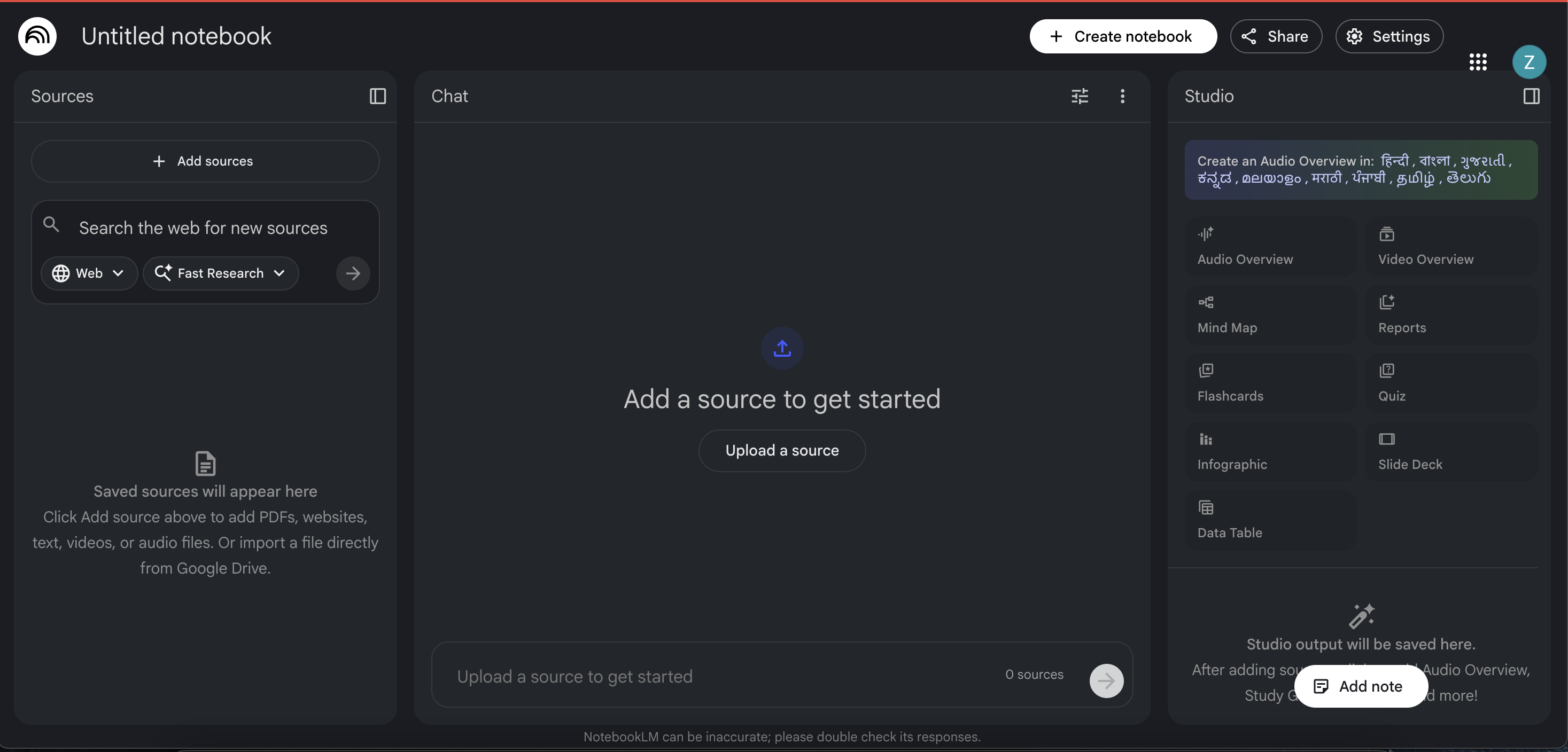
NotebookLM by Google is the most unique tool in this list because it acts as a personalized AI expert on your specific data. As a researcher, you'll need to upload the sources, and it will build an internal map of that knowledge. The goal of this tool is to make information more comprehensive and understandable, and its audio overview feature allows you to generate a podcast-style discussion between two AI hosts about your data. Besides, the source grounding feature ensures every answer is linked to your uploaded data.
Zotero with AI Plugins - Best for Organization
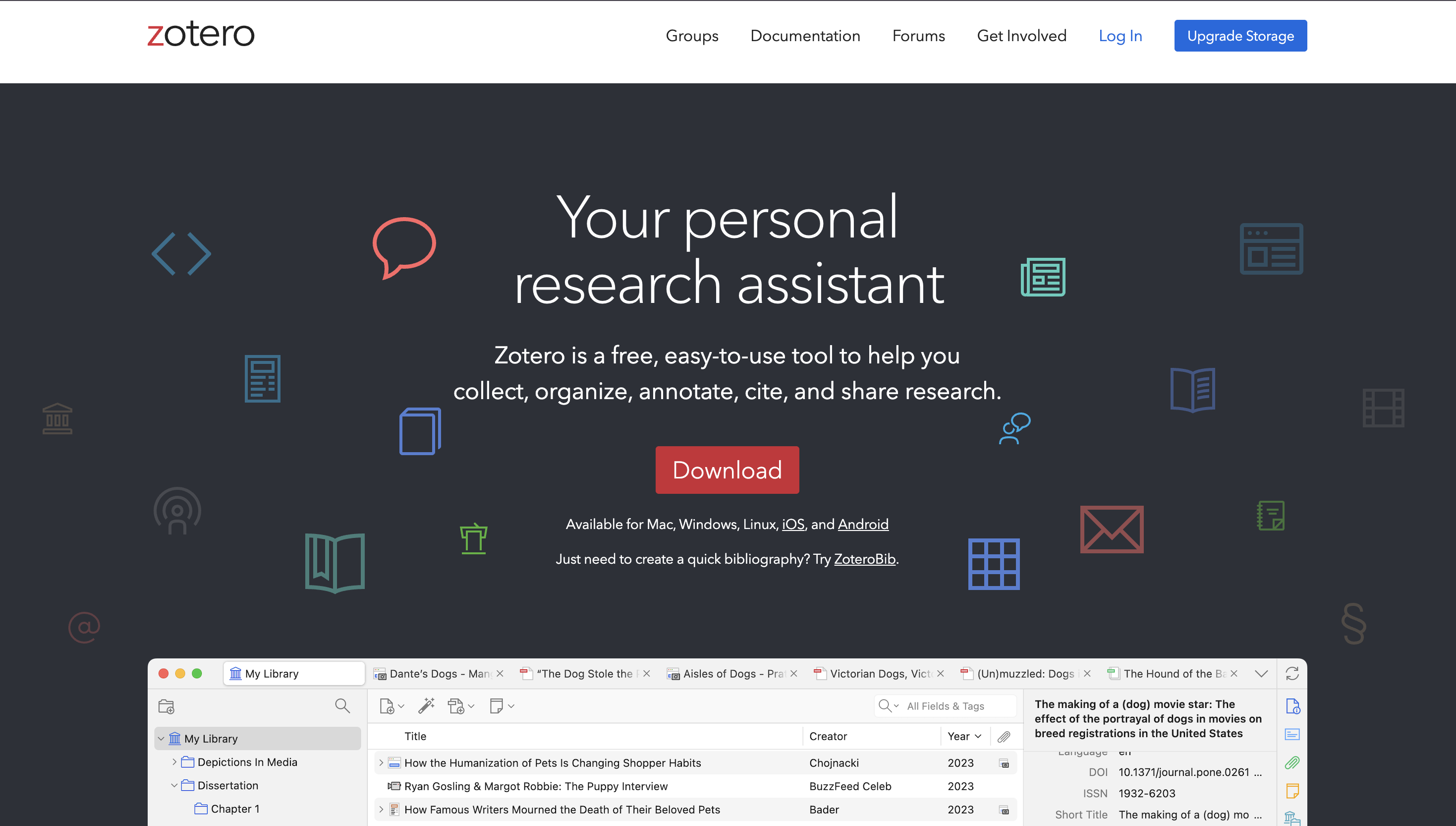
Zotero acts like an AI research agent through community-developed plugins and third-party integrations, and allows users to chat with PDFs and analyze private libraries. So, if you are a privacy-conscious researcher, Zotero is ideal for you as it offers localized data management. The coolest thing is you can generate flashcards or short summaries for 50 papers at once, helping you decide which ones are worth reading in full. Moreover, it gives precise citations and opens the exact page in the PDF where the information was found.
Also read || Tech Grocery Stores - Why Did Amazon Fail?
STORM - Best for Comprehensive Reports
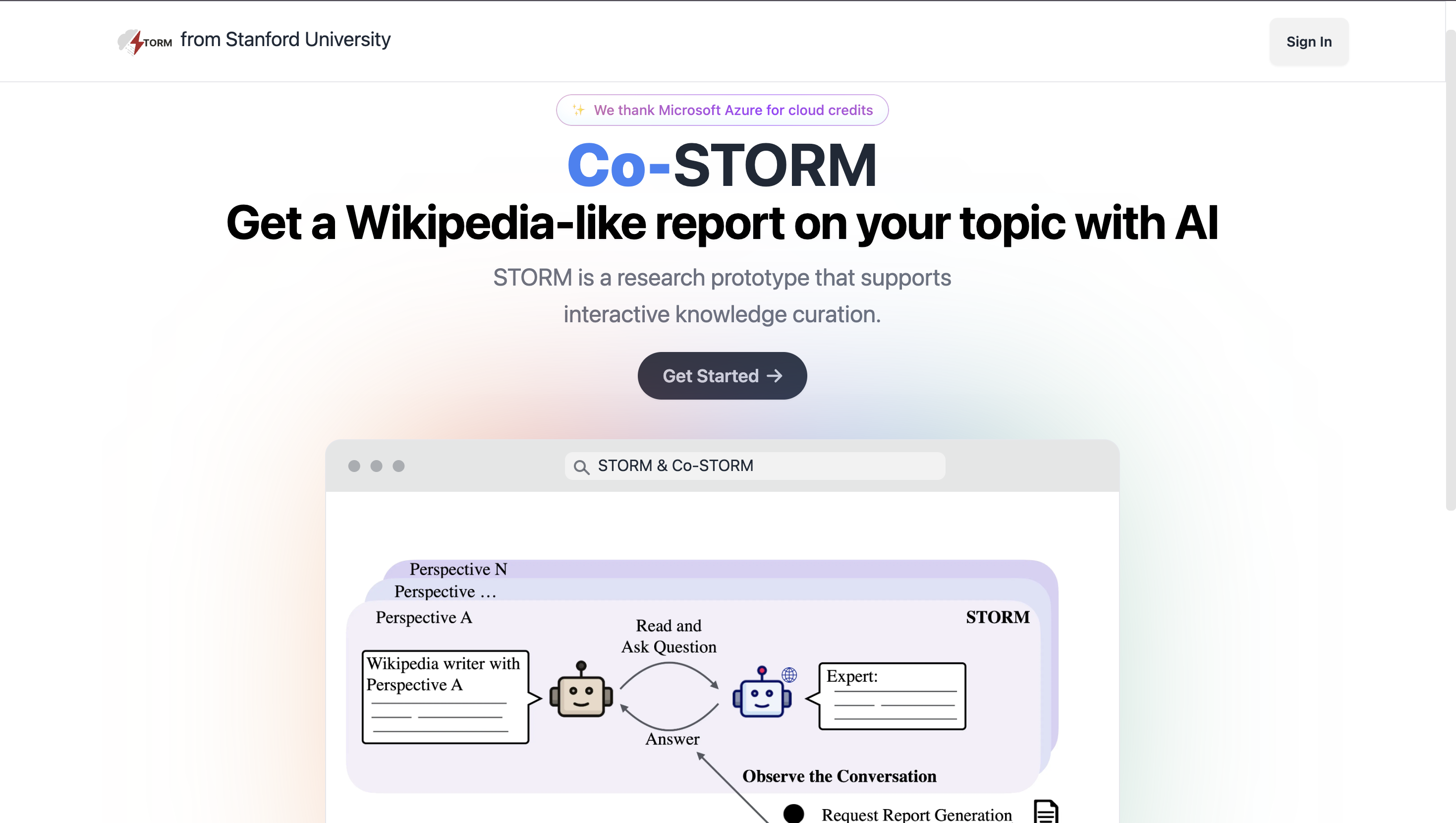
STORM refers to Synthesis of Topic Outlines through Recursive Mining. It is an open-source project from Stanford University that acts like an automated Wikipedia writer. What it does is, it researches a topic, creates an outline, interviews "simulated" experts to find "different perspectives", and generates a full-length report. Thus, it is a great tool for subject matter experts and content leads who want to generate deep-dive white papers or "101" guides on complex subjects from scratch.