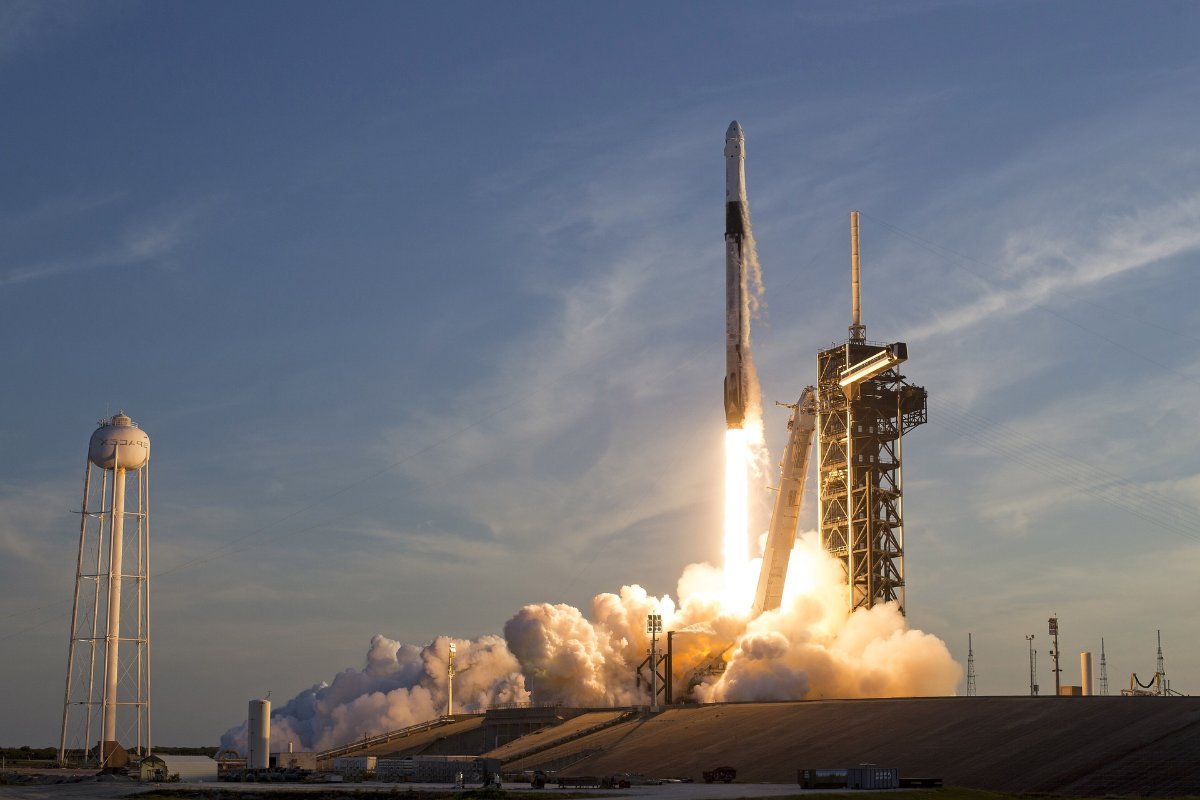
The World has witnessed another space mission as NASA pushes ahead with its first crewed mission to the Moon since Apollo 17 in 1972. The Artemis II mission marks a major milestone in the agency's Artemis program and its longer-term effort to expand human exploration beyond Earth orbit.
With four astronauts aboard the Orion spacecraft, Artemis II was launched on April 5, 2026, and is halfway to the Moon. The flight will test critical systems for future Moon landings and help NASA prepare for deeper space exploration.
The mission faced several delays over time due to safety reviews, hardware inspections, and scheduling challenges. NASA emphasises that crew safety is the utmost priority, especially after careful review of data from the uncrewed Artemis I mission. The astronauts selected for Artemis II also underwent extensive training to prepare for the physical and mental demands of travelling farther from Earth than any humans have in more than 50 years.
Also read || NASA to Send First Woman and Black Astronaut to the Moon
What Artemis II Mission Means for Space Exploration
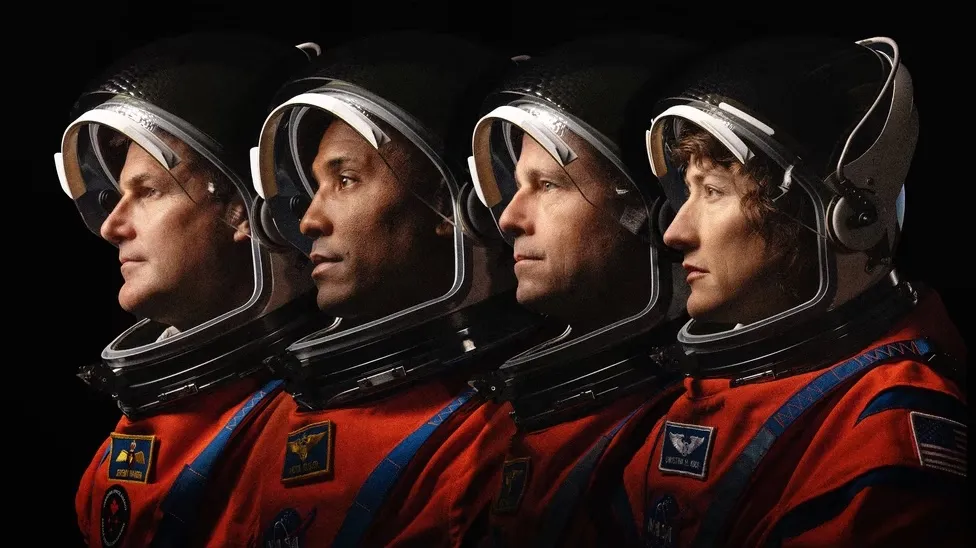
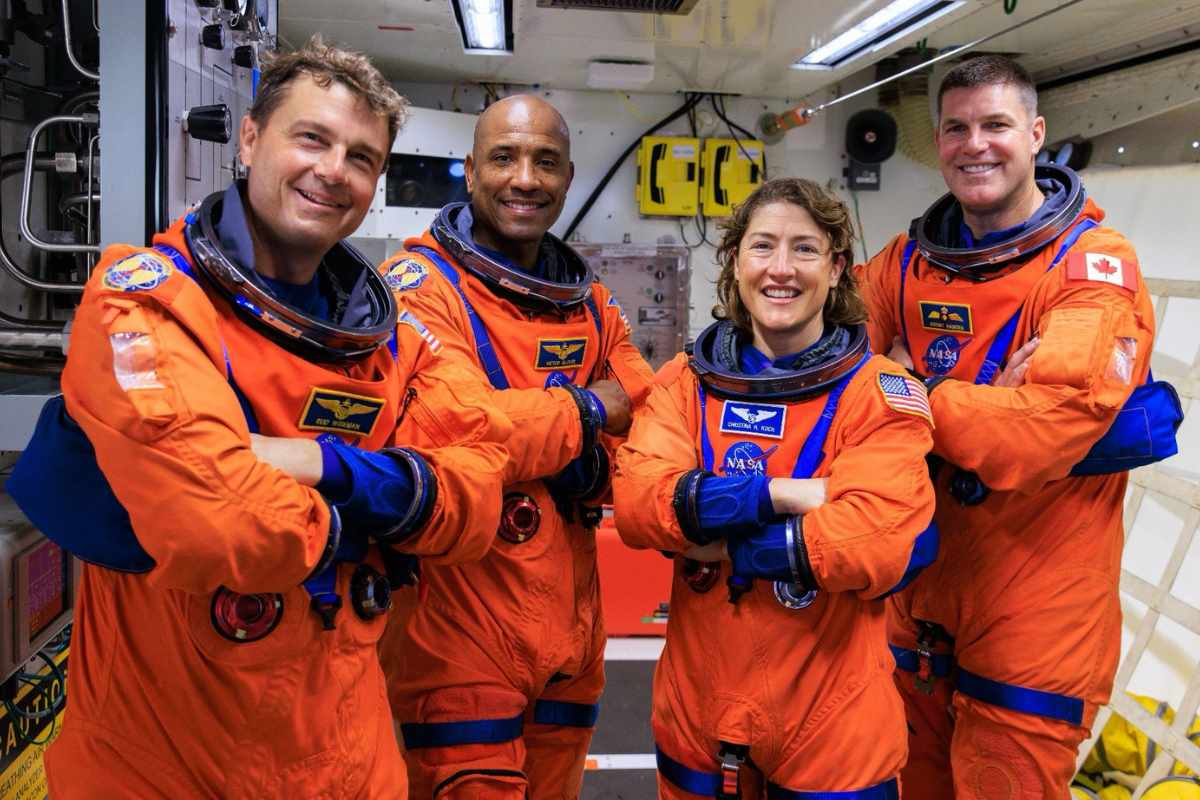
Artemis II is the first crewed mission under NASA's Artemis program. This mission aims to return humans to the Moon and eventually support future missions to Mars. After a successful uncrewed mission, Artemis I and Artemis II place four astronauts aboard Orion: Reid Wiseman (Commander), Victor Glover (Pilot), Christina Koch (Mission Specialist), and Jeremy Hansen (Mission Specialist).
Artemis II is significant because it will help NASA test life-support systems, navigation, communication and other technologies needed for future lunar exploration. This mission represents a major step in the agency's effort to build on Apollo's legacy while moving toward a sustainable model for deep space travel.
NASA has said the Artemis program is not about a single mission. The goal is to support repeated lunar exploration, international cooperation, and the development of systems that can eventually be used for Mars missions.
Also read || Elon Musk Proposes Building an AI Factory on the Moon
Artemis II Social Media Reactions and Memes
During the Apollo missions, most of us were not born or had no idea about space exploration. But 2026 is the time proving "You're not early, you're not late, but just in time to witness another moon mission". Artemis II has generated a strong interest across social media platforms. With countless memes, updates, and reactions, Artemis II has become trending news rather than a chapter of space history.
Whether you love space exploration or science, memes make everything relatable and funny. Especially for a generation that grew up watching Wall-E, Planet 51, Space Jam, and Whatnot. Here are some good memes and online reactions to put a little smile on your face.





Also read || SpaceX Boosts Starlink Network to New Records
Future of NASA Artemis Missions and Mars Plans
The next major goal of the Artemis mission is Artemis III, which is expected to land astronauts on the Moon, with the lunar south pole as a key target. That region includes Moonawn, which has significant scientific interest because of the possibility of water ice there. If confirmed and used effectively, that resource could support drinking water, oxygen production, and even fuel generation for future missions.
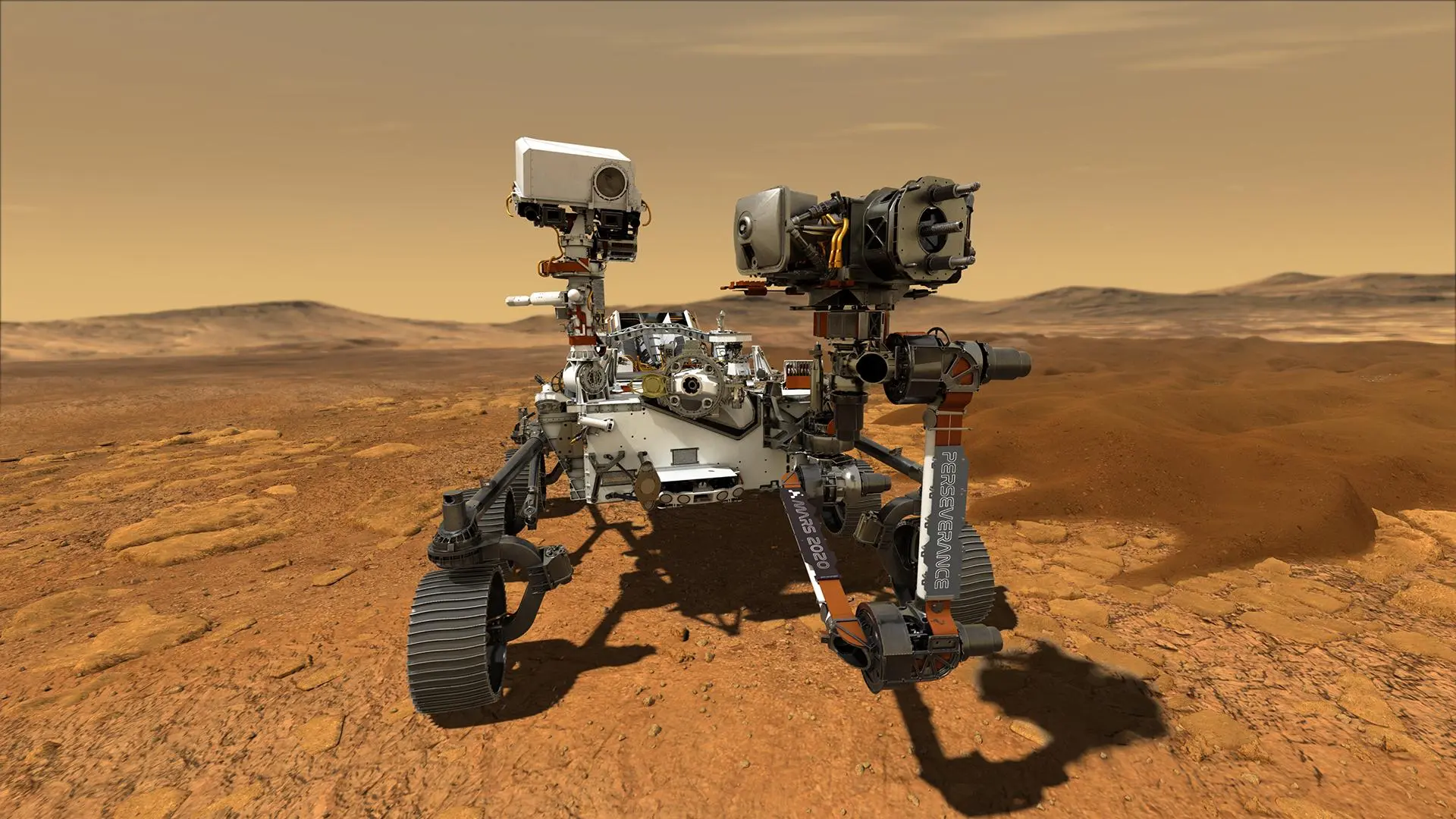
Beyond the Moon, NASA views Artemis as a stepping stone towards Mars exploration. The Artemis program will test systems and procedures for long-duration missions in deep space, where astronauts will face greater communication delays, higher radiation exposure and more complex operational challenges.
NASA will collaborate internationally with partners from other countries and private companies to expand capabilities, share resources, and accelerate innovation. As space exploration grows and becomes technically ambitious, collaboration is the key.
In the big picture, Artemis II is about a fair bit more than a lunar flyby. It is a critical test of NASA's next-generation exploration strategy and a symbolic return to the Moon. The success of Artemis missions will pave the way for successful lunar landing missions, advanced exploration technology, and human travel to Mars.
Comments (0)
Log in to share your thoughts
No comments yet
Be the first to share your thoughts!