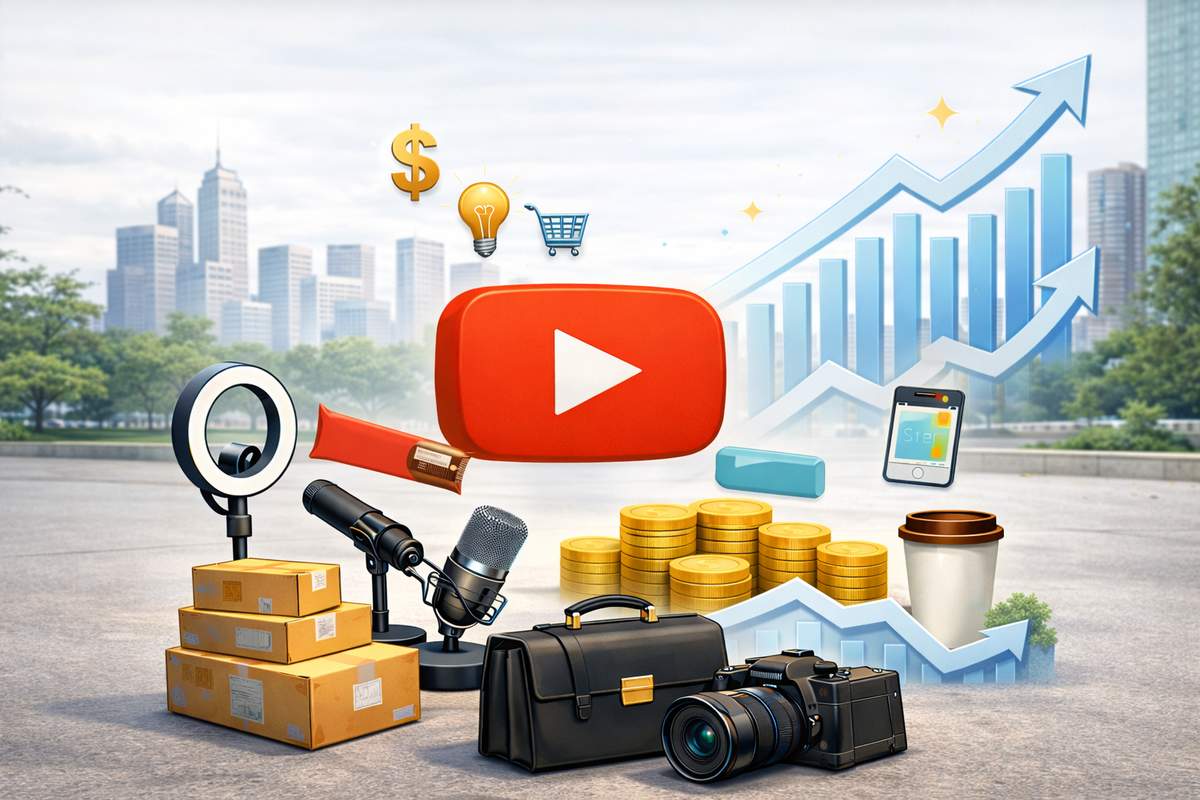
YouTubers were once seen only as online entertainers. Today, many of them are building companies, launching global brands, and even acquiring other businesses. The shift from content creator to entrepreneur has become one of the biggest trends in the digital economy between 2020 and 2026.
The Beginning of the Creator Business Era
YouTube was launched in February 2005. In its early years, creators mainly earned money through advertising revenue. However, by the late 2010s, some YouTubers had built audiences of tens of millions of subscribers. This gave them strong influence and direct access to consumers.
From 2018 to 2022, many creators began launching their own brands instead of only promoting other companies. They realized that their audience trusted them, and that trust could be converted into product sales and long-term businesses.

MrBeast and the Expansion into Fintech
MrBeast, whose real name is Jimmy Donaldson, is one of the strongest examples of a YouTuber becoming a businessman.
In December 2020, he launched MrBeast Burger, a virtual restaurant brand operating through delivery apps. The brand expanded quickly across the United States. Although the business later faced legal disputes and operational challenges, it showed that a creator could scale a food company nationwide in a short time.
In January 2022, he launched Feastables, a snack and chocolate brand. Feastables expanded into major retail stores across the United States during 2022 and 2023. By 2024 and 2025, the brand became one of the major revenue sources for his company.
In early February 2026, MrBeast’s company acquired Step, a youth-focused financial services app. Step provides debit cards and financial tools designed for teenagers and young adults. This acquisition marked a major shift. It showed that YouTubers are not only launching consumer products but also entering regulated industries like financial technology.
The February 2026 acquisition was significant because it demonstrated that a digital creator could operate like a corporate executive and invest in financial services.

Logan Paul and KSI: The Rise of PRIME Hydration
Another strong example is Logan Paul and KSI.
In January 2022, they launched Prime Hydration. The drink quickly became popular among young consumers. During 2022 and 2023, Prime expanded into supermarkets in the United States, the United Kingdom, and other international markets.
By 2023, reports showed that the brand generated hundreds of millions of dollars in revenue. The success of Prime proved that YouTubers could compete in the global beverage market using their online influence as a marketing tool.
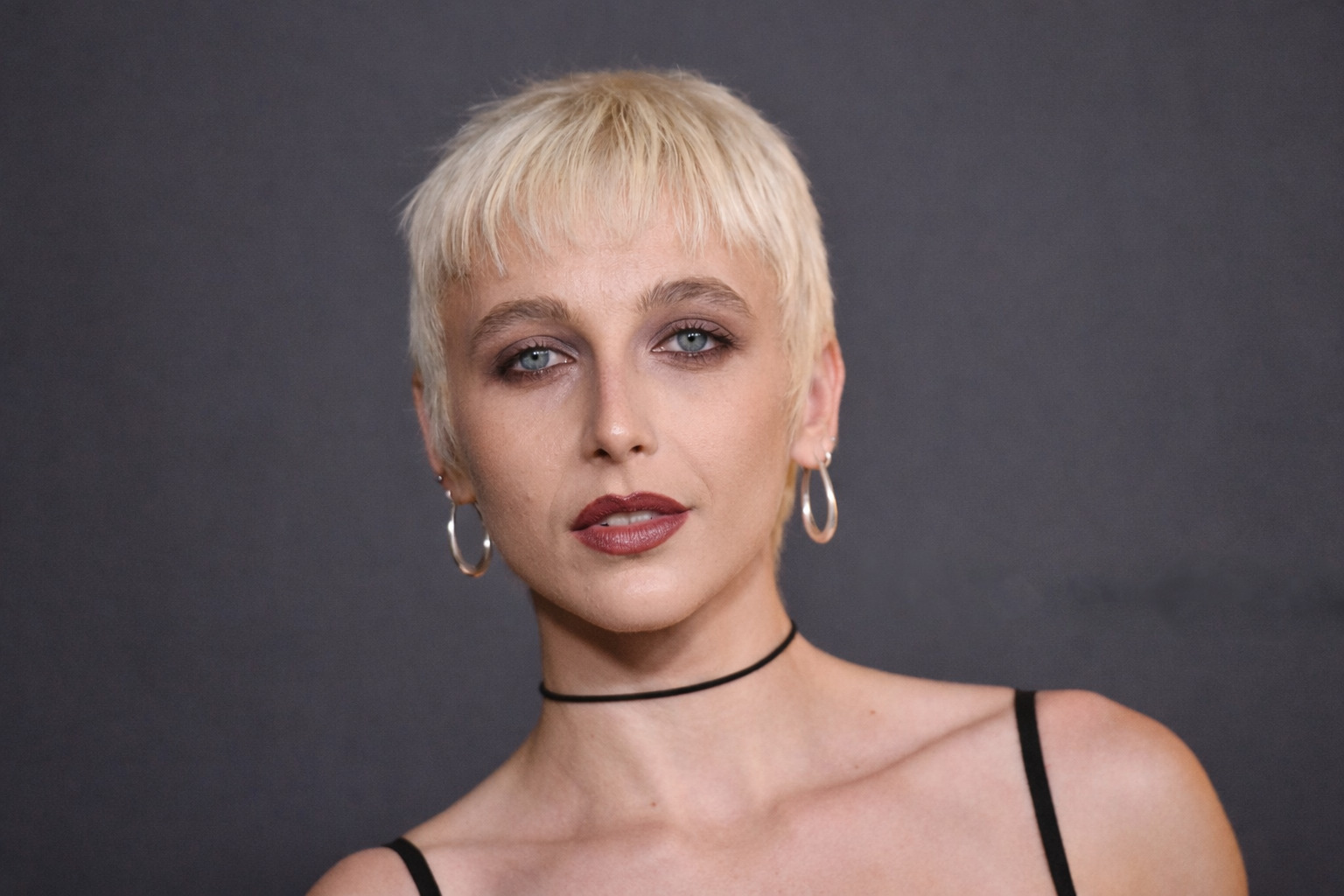
Emma Chamberlain and Lifestyle Business Growth
Emma Chamberlain entered the business world in 2019 by launching Chamberlain Coffee.
The coffee brand began as an online product but gradually expanded into retail stores and partnerships. Between 2020 and 2024, the brand grew steadily and became a recognized lifestyle company. Her example shows that YouTubers can turn personal branding into long-term retail businesses.

Ryan Kaji and Retail Licensing Success
Ryan Kaji, known for his channel Ryan's World, represents another model of business growth.
Starting with toy review videos, Ryan’s brand expanded into toys, clothing, school supplies, and other merchandise sold in major retail stores. Since 2018, the Ryan’s World brand has generated large revenues through licensing and product partnerships. This shows that even children’s content creators can build large commercial empires.
Types of Businesses YouTubers Are Building
Between 2020 and 2026, YouTubers have entered multiple industries. These include food and beverage brands, clothing lines, coffee companies, technology apps, and financial services.
Some creators also invest in startups, acquire smaller companies, or create production studios. Others sign licensing agreements that allow retailers to manufacture and sell products under their brand name.
Why Are YouTubers Becoming Business Leaders?
There are several reasons behind this shift.
First, YouTubers already have a built-in marketing channel. They can promote their products directly to millions of followers without paying for traditional advertising.
Second, they understand their audience well. They know what products their viewers may like or trust.
Third, investors now recognize the value of creator-led brands. Since 2021, venture capital firms have shown increasing interest in funding companies founded by influencers and digital creators.
Risks and Challenges
Despite the growth, running a business is not simple. Business operations require supply chain management, financial planning, legal compliance, and customer service.
Some creator-led businesses have faced controversies, lawsuits, or product quality issues. When a creator’s public image suffers, their company can also be affected. This makes reputation management very important.
The Future Outlook
As of 2026, the creator economy continues to grow globally. The February 2026 acquisition of Step by MrBeast shows that YouTubers are entering serious industries like fintech.
The trend suggests that YouTubers are not only entertainers anymore. Many are becoming entrepreneurs, investors, and corporate leaders. They combine media influence with business ownership.
Conclusion
YouTubers began as video creators. Over time, many transformed into businessmen and businesswomen. From launching snack brands in January 2022 to acquiring financial technology companies in February 2026, creators are expanding beyond entertainment.
The evidence between 2020 and 2026 clearly shows that YouTubers are becoming the next wave of businessmen. Their influence, audience trust, and ability to launch products quickly give them a strong position in the modern business world.