
Apple has chosen Google’s Gemini artificial intelligence models to power a major upgrade of Siri, marking one of the most significant changes to Apple’s digital assistant in more than a decade. The partnership was confirmed in a joint statement released by Apple and Google on January 12, 2026, which described the agreement as a multi-year collaboration focused on strengthening Apple’s AI foundation and accelerating new Apple Intelligence features.
According to the announcement, the next generation of Apple Foundation Models will be based on Google’s Gemini technology. Both companies said the collaboration will support future Apple Intelligence capabilities and help deliver a more personalized Siri experience expected to arrive this year. While financial terms were not disclosed, the deal highlights how rapidly generative AI has reshaped competition and forced even the world’s largest companies to form strategic alliances to keep pace.
What the Apple - Google Joint Statement Confirms
The joint statement, published on Google’s official blog, outlines the scope of the partnership and places Gemini at the core of Apple’s next AI phase. Apple said it evaluated several options before selecting Google’s Gemini models, concluding that Gemini offers the most capable foundation for its next generation of Foundation Models.
The companies presented the collaboration as a technology partnership rather than a product takeover, emphasizing that Apple will continue building its own Apple Intelligence features while using Gemini as a model backbone. This structure allows Apple to increase Siri’s intelligence without fully outsourcing the user experience or Apple’s overall AI platform.
Also Read: How AI Food Recognition Is Changing Our Plates
Why Apple Needed a Siri Overhaul
Siri was introduced in 2011 and quickly became one of Apple’s defining software features. However, in recent years, it has increasingly been seen as lagging behind modern AI assistants. While Siri remains effective for basic commands such as setting alarms, sending messages, making calls, or controlling smart home devices, it has struggled with tasks that newer generative AI systems handle naturally.
Users have often reported limitations such as Siri failing to understand long questions, struggling with follow-up queries, or being unable to complete multi-step requests. At the same time, generative AI products like ChatGPT and other assistants have made conversational, context-aware AI the new standard. This shift increased pressure on Apple to modernize Siri and deliver assistant features that match what people now expect from AI.
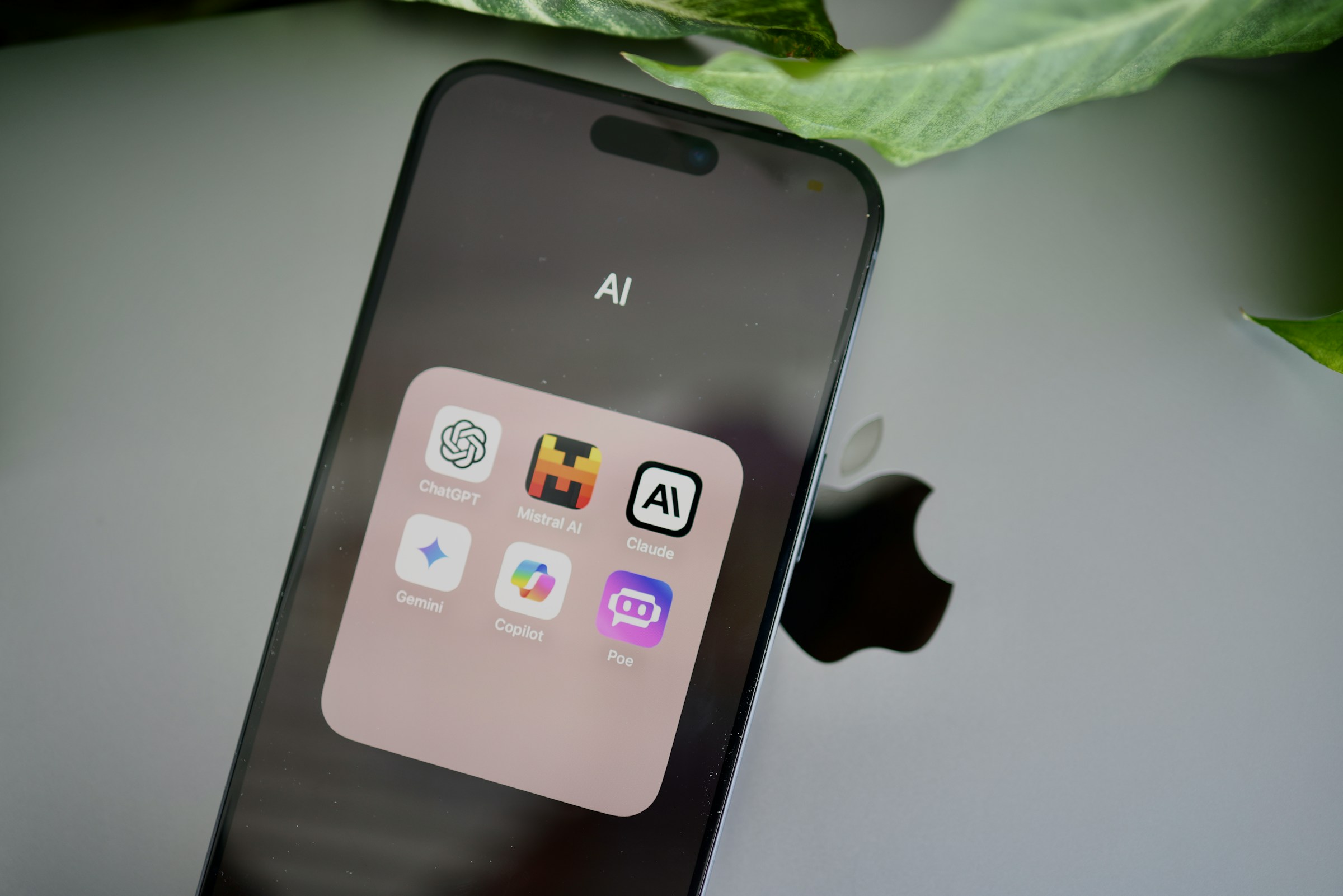
Why Gemini Was Chosen
Gemini is Google’s flagship family of AI models, designed for advanced conversation, reasoning, and content generation. Apple’s decision to select Gemini reflects a practical reality in the AI industry: building state-of-the-art AI models requires extremely high computing power, constant training, and large-scale research investment.
By partnering with Google, Apple gains access to a mature and fast-evolving model ecosystem. The joint statement said Apple believes Gemini will unlock innovative new experiences for Apple users, suggesting Gemini’s capabilities will help Siri become more conversational, more accurate, and more useful across a wider variety of tasks.
What Will Change in Siri
The partnership is expected to help Siri transition from a command-based assistant into a more modern, generative AI-powered system. The joint statement specifically points to “a more personalized Siri,” indicating Apple’s focus on making Siri more context-aware and better at tailoring responses to users.
A Gemini-backed Siri is expected to improve in understanding natural language, handling complex prompts, and delivering more detailed responses. Instead of failing on multi-part queries or relying heavily on web search results, Siri could increasingly respond with direct explanations, smarter assistance, and more natural conversation flow. The changes are expected to affect not only Siri’s ability to answer questions but also its ability to help users complete tasks across Apple’s ecosystem.
Also Read: OpenAI Launches ChatGPT Health to Enhance Personal Health and Wellness Support
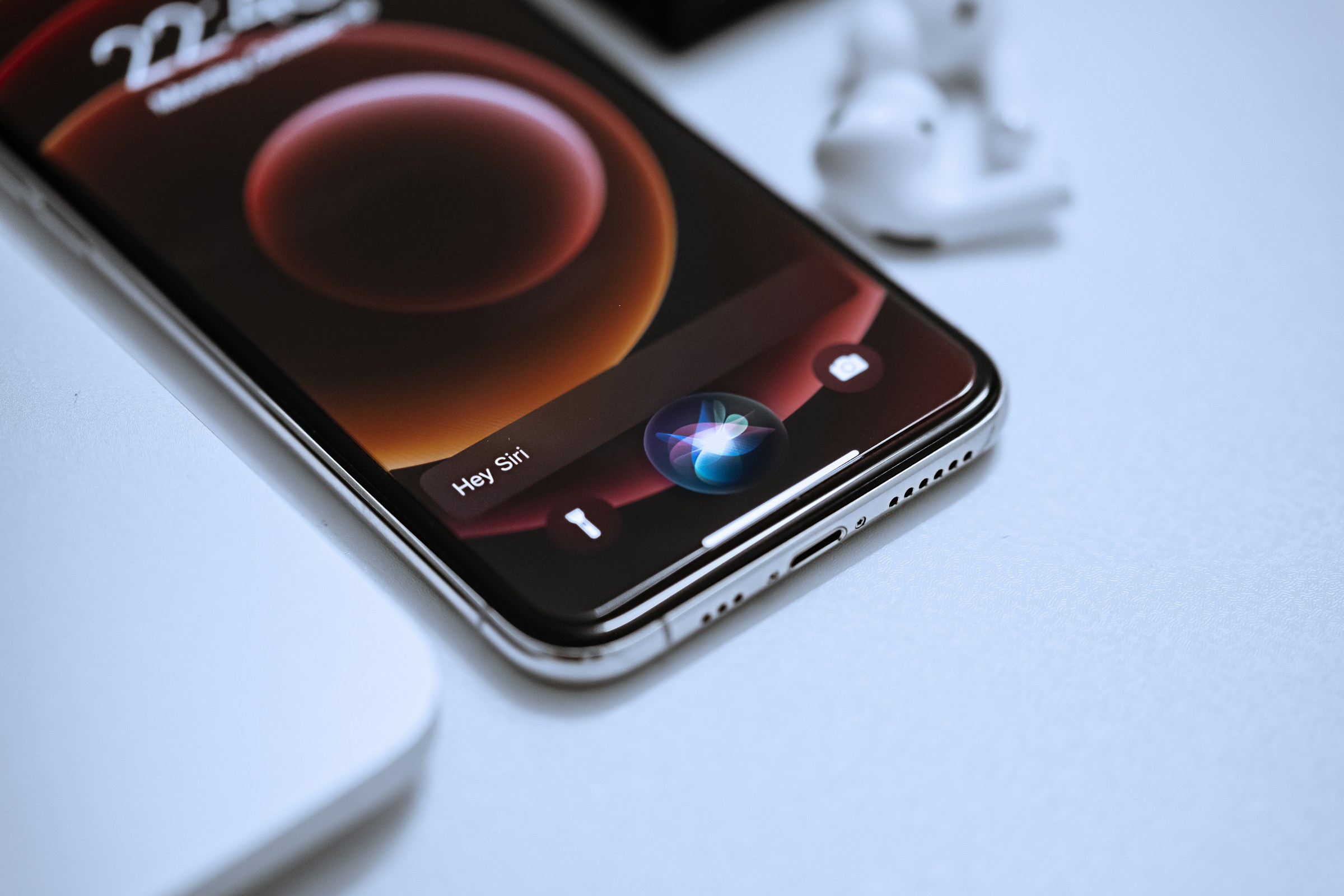
Apple Intelligence and the Role of Foundation Models
Apple has been building Apple Intelligence as the broader AI layer for its devices, powering features in writing tools, productivity, personalization, and on-device assistance. Foundation Models are the core large models that support such features, making Apple’s choice of Gemini crucial. With Gemini forming the base of the next-generation Apple Foundation Models, the partnership becomes central not only to Siri but to the future of AI across iPhones, iPads, and Macs.
This shift suggests that Siri’s improvements may be tied to broader Apple Intelligence upgrades, meaning that changes may appear in stages across different products and software releases rather than as a single dramatic update.
Privacy Still Central, Apple Says
Apple’s privacy reputation is one of its strongest brand advantages, and the joint announcement directly addressed privacy. The companies said Apple Intelligence will continue to run on Apple devices and through Apple’s Private Cloud Compute system, while maintaining Apple’s industry-leading privacy standards.
This indicates Apple will continue using a hybrid system. Many requests can be processed on-device, while complex tasks can be handled through secure cloud infrastructure. Although the companies did not provide deep technical details, Apple’s emphasis suggests it is trying to ensure users do not feel that adopting powerful AI comes at the expense of data protection.
Also Read: How AI Agents Will Handle Your Shopping, Schedule, and Travel
What This Means for Google
For Google, the partnership is a major strategic win. Siri operates on hundreds of millions of Apple devices worldwide, giving Gemini unprecedented reach in the consumer market. Even though Apple and Google compete through iOS and Android, the deal shows how the AI era is pushing companies into collaborations based on scale and capability.
By becoming central to Apple’s next AI layer, Google strengthens Gemini’s position against competing AI ecosystems, especially as OpenAI-backed tools continue to expand across consumer apps and enterprise platforms.
What Happens Next
The joint statement did not provide a detailed rollout schedule, but it confirmed that Gemini-based Apple Foundation Models will support future Apple Intelligence features, including a more personalized Siri arriving this year. Observers expect the rollout to happen gradually, likely through software updates to iOS, iPadOS, and macOS.
If the partnership delivers as promised, Siri could finally catch up to modern generative assistants, transforming from a basic voice command tool into a more advanced, conversational AI designed for the next phase of computing.