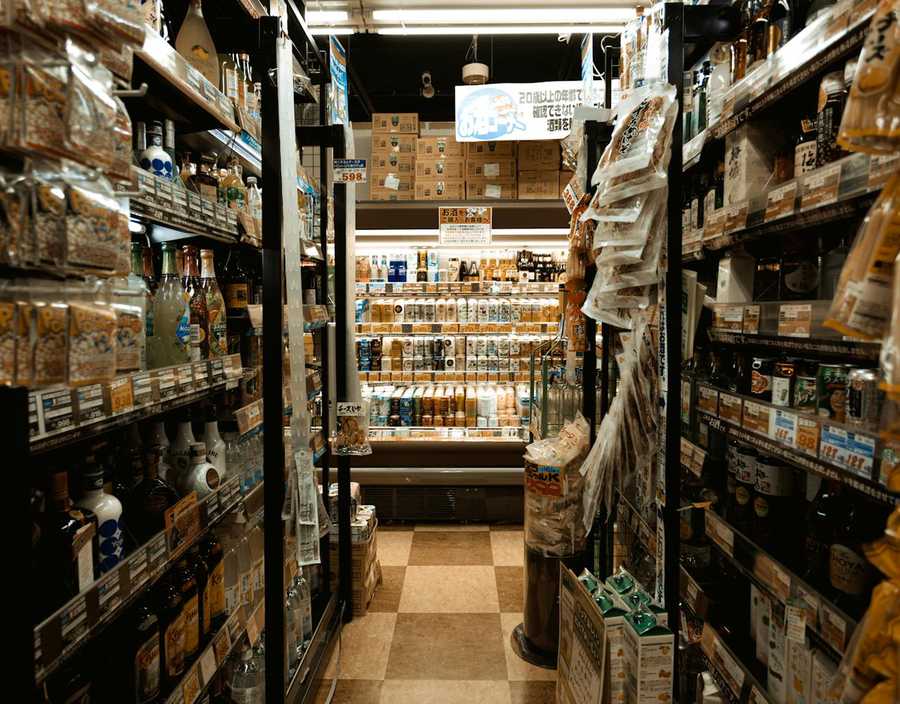
If you love buying groceries from Amazon's physical stores, bad news for you. You might not see any Amazon Go or Amazon Fresh physical stores by early February 2026. It includes 15 Amazon Go convenience stores and 57 Amazon Fresh stores across the United States. Thus, it marks the end of a significant chapter in Amazon's real-world grocery experiments.
The multi-trillion-dollar company believes that these in-person grocery stores were more of a liability. They failed to meet customer expectations and were unable to support large-scale expansion. Hence, Amazon will redirect resources to areas with strong, proven performance and customer demand.
Despite the closure, Amazon Fresh will continue as an online grocery store service in eligible areas. So, you won't have to worry much and buy groceries online through the Amazon app and receive fresh items directly to your place.
Also read || 7 Shopify Stores Crushing It for Gen Z & Millennials in 2026
Why Amazon Is Closing Go and Fresh Stores
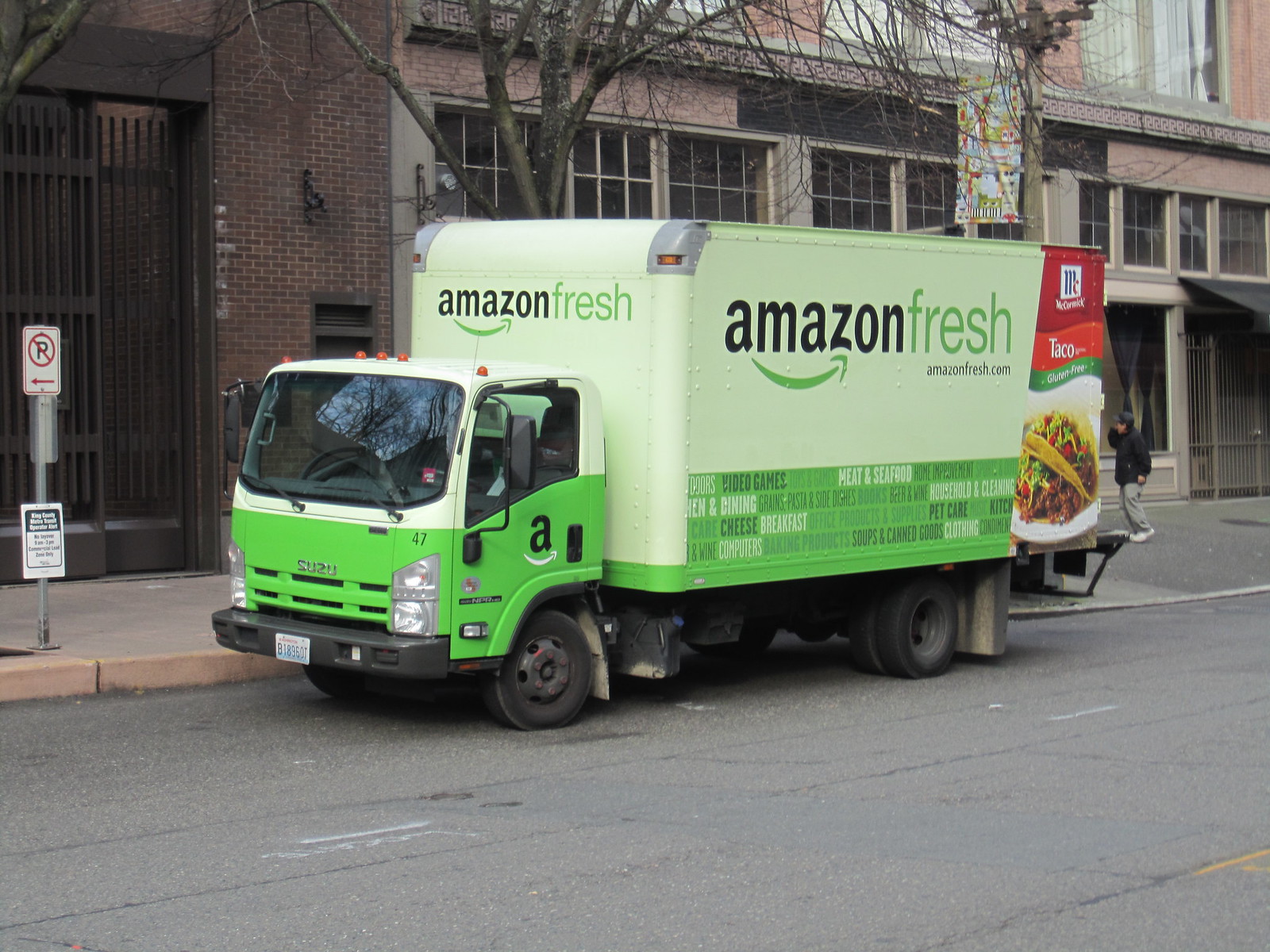
Not all businesses reap equal returns. For a big giant like Amazon, customer satisfaction and demand are of utmost importance. Despite offering innovative concepts like cashier-less checkout and convenient neighborhood stores, Amazon Fresh and Go stores failed to deliver on price and consistency with larger grocery chains.
Amazon emphasized that while there were "encouraging signals" from these physical stores, they could not find the right model for scalable, profitable expansion. Thus, closing these stores was the only convenient and available option.
If you want to buy something, you can still go to the Fresh and Go stores by February 1, 2026. However, some stores in California will stay open longer than usual due to local state regulations. So, you can say you still have some more time to buy from your favorite convenience stores.
Also read || Apple Introduces New AirTag with Expanded Connectivity Range and Enhanced Findability
The Future: Grocery Delivery and Whole Foods Expansion
Amazon is planning to shift its focus to regions with clearer growth potential. In quick commerce, same-day delivery is the top priority, and Amazon currently offers it for fresh and perishable products in over 5,000 American cities and towns. The end goal is to expand it even further by the end of 2026.
The next big thing would be Whole Foods Market. Amazon acquired the natural and organic grocery chain in 2017. What they have experienced is a healthy growth of over 40% and expansion to more than 550 stores. So, they will reallocate resources and hyper-focus on the Whole Foods Market.
The company will open over 100 new Whole Foods Market stores over the next few years and lead with its smaller-format Whole Foods Market Daily Shop concept. There, they will be offering essentials and grab-and-go items in convenient neighborhoods.
Also read || How AI Agents Will Handle Your Shopping, Schedule, and Travel
The company will open over 100 new Whole Foods Market stores over the next few years and lead with its smaller-format Whole Foods Market Daily Shop concept. There, they will be offering essentials and grab-and-go items in convenient neighborhoods.
Emotions do not run the market. So, whether it's 50 stores or over 100 stores, if the customers don't want it, Amazon doesn't like it either. Some Fresh and Go stores that are closing might be transformed into Whole Foods Market stores, allowing Amazon to save costs and reuse their real estate while maintaining a grocery presence.
What's next for Amazon?
Amazon is widely regarded as one of the most innovative organizations, and it will prove it again. They tried the Amazon Go and Amazon Fresh stores, but they may not yield the expected results. However, these ventures were just the tip of the iceberg of Amazon's innovative capabilities. More importantly, they are not exiting the grocery market but might be reinventing with something cooler than Just Walk Out checkout technology.
They are investing in new physical retail concepts like Amazon Grocery Stores and Whole Foods Stores, which can be a game-changer, combined with household goods and general merchandise. The closure suggests they prefer consumer behavior over brand expansion. Most customers are choosing online ordering and faster deliveries over traditional shopping. Overall, this closure could spark a new evolution in the US retail markets.