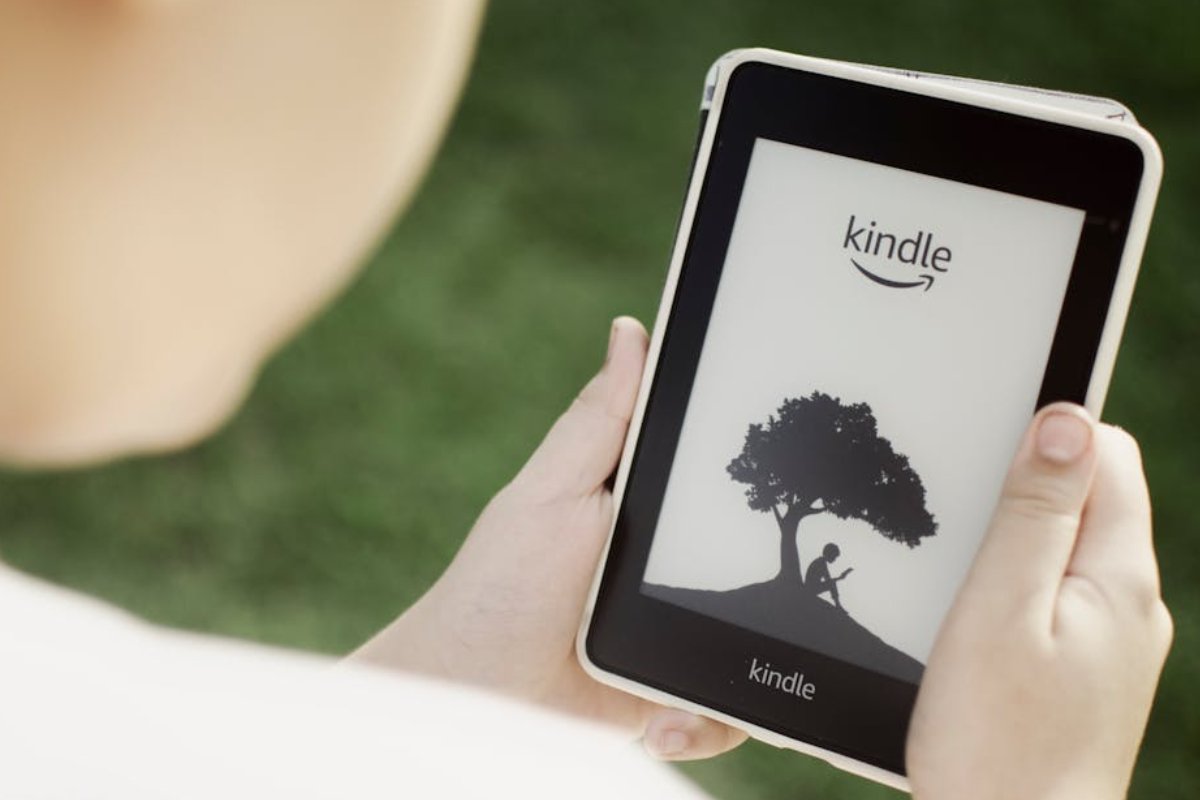
If you own a Kindle device released in 2012 or earlier, it's time to say goodbye to Kindle Store Support. The new change will get implemented from May 20, 2026, which means you won't be able to buy, borrow or download new content from the Kindle store if you have a Kindle e-reader or a Kindle Fire tablet from 2012 or before.
However, books already downloaded on those devices will remain readable, so this change affects only store access rather than files on your device. Amazon is taking this step because older models have become outdated, and these devices have been supported for 14 to 18 years, which is way more than the typical 3 to 7-year support window.
Also read || From Amazon To Blue Origin: What’s Next For Jeff Bezos?
What Amazon Is Changing
Reports suggest that only models released in 2012 or earlier will be affected. Apart from being outdated, the older devices are not secure for financial transactions. And, complying with modern security standards and software infrastructure was getting difficult. People might not be able to use their Kindle devices to shop for new books or pull fresh downloads from the Amazon Store starting May 20, 2026.
The end of Amazon's support for older Kindle devices is not the full shutdown of the devices. If you have books already stored on the device, there is no need to worry. Readers who use Kindle only as an offline reading device may still have the core reading function work, and nothing much would change in their lives.
Which devices will be affected, and what users will lose?
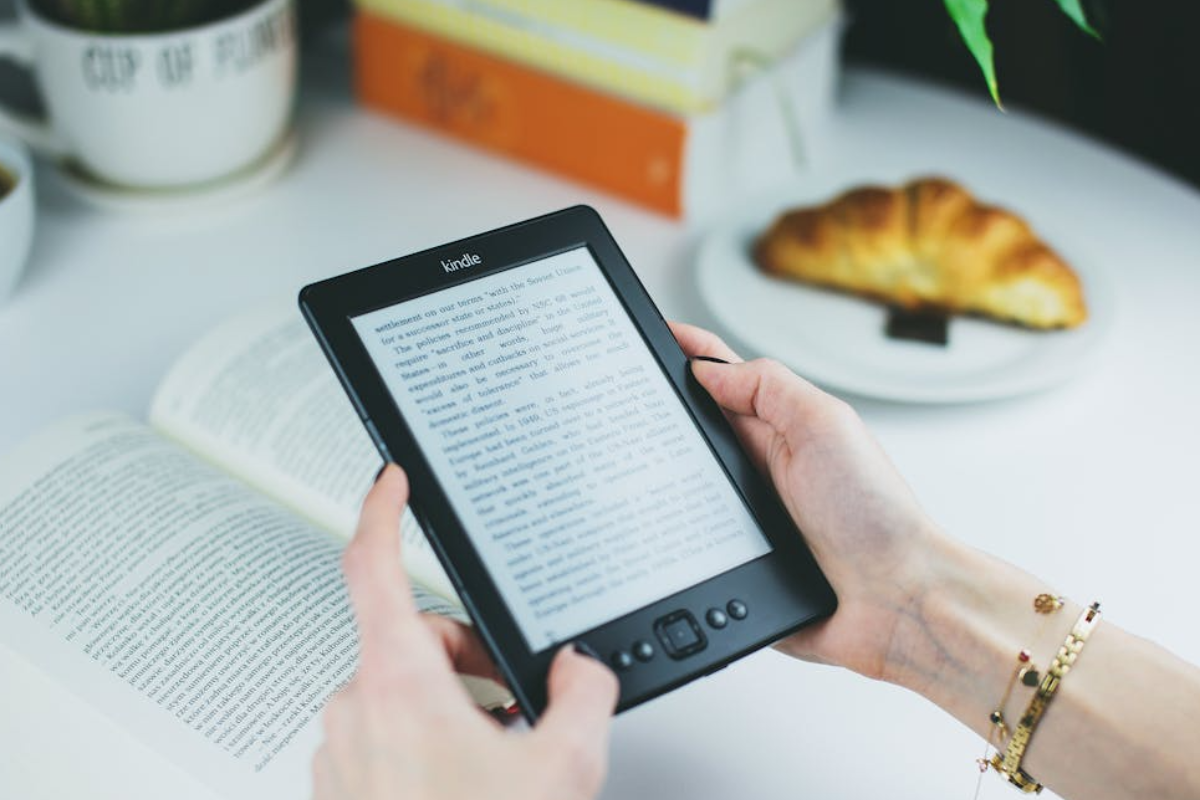
Whether it is an update in an Apple device, a Microsoft device, or an Amazon device, every change has some consequences. Reports imply that the change will affect older versions. These versions include Kindle 2, Kindle DX, Kindle Keyboard, Kindle 4, Kindle Touch, Kindle 5, and the first Kindle Paperwhite. Some sources say that early Kindle Fire models are also included, along with certain Fire tablets from 2012.
Post the cutoff date, the biggest change will be the loss of store access. You will no longer be able to purchase books directly from the Kindle Store on those older devices. Not only buying, but borrowing or downloading new content would be restricted. However, if you have a huge local library, these changes are obsolete for you.
According to some reports, you might not be able to re-register a device after a factory reset after support ends. So, try avoiding unnecessary resets before the deadline. If the device gets reset and cannot get linked back to the account, you will ruin your reading experience.
Also read || Tech Grocery Stores - Why Did Amazon Fail?
What Still Works and Why It Matters
The saved books will not be affected, so you can continue reading them on your old Kindle device for offline reading even without support. This means that your device is just getting stagnant, and not destroyed or fully obsolete overnight. You can enjoy simple e-reading, and if you already have your favorite titles saved, you are at no loss.
On the other hand, not being able to access the Kindle Store would restrict you in the long run. Thus, it won't be a great idea to use an outdated device for too long. Although you can still use the Kindle app, Kindle for Web, or newer Kindle devices to keep buying and reading books, the older hardware will lose the convenience that made it a full Kindle experience.
Also read || Amazon Launches Web Version of Alexa+ to Compete With ChatGPT and Google Gemini
What Readers Should Do
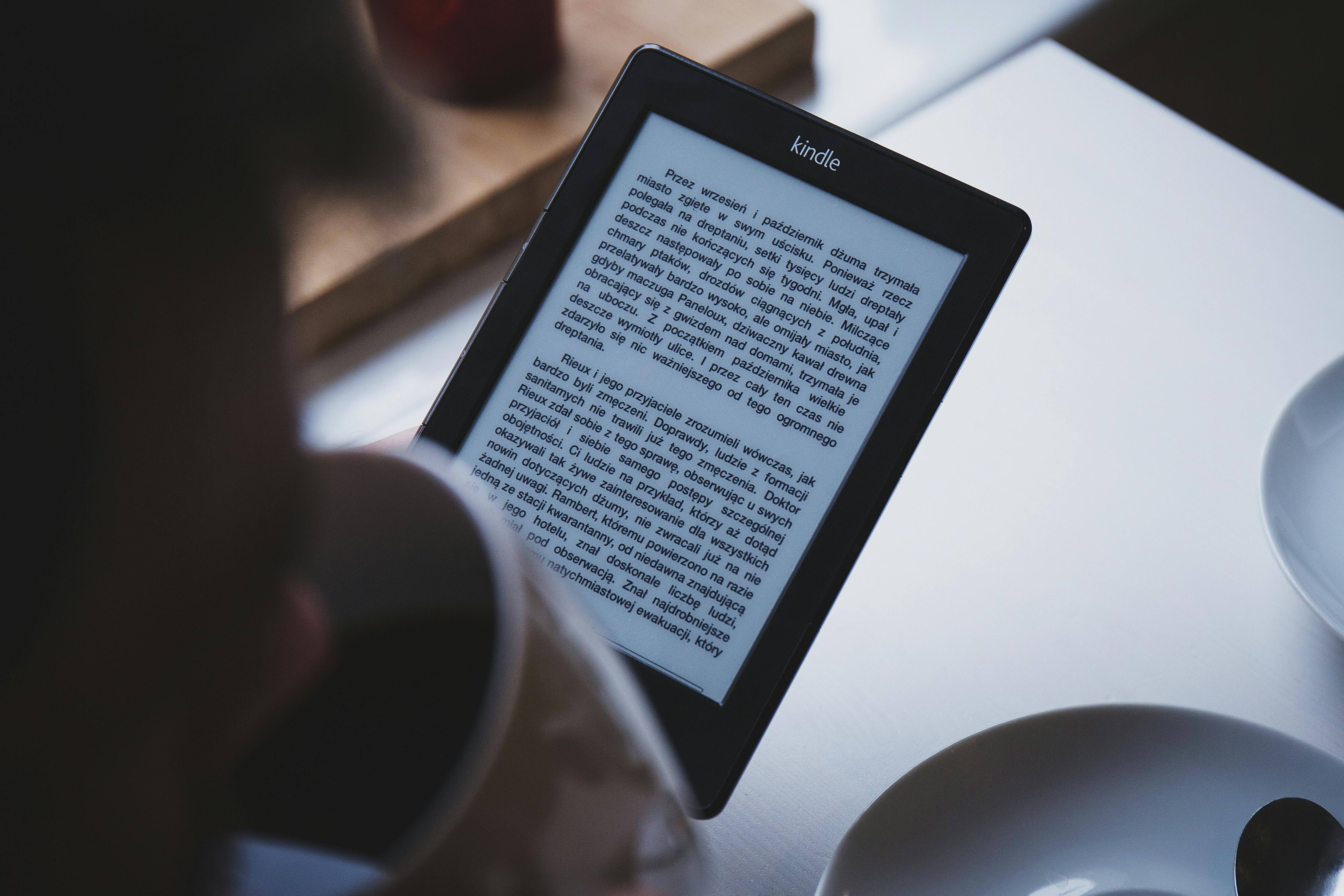
If you have an older Kindle, please ensure that you have all the books downloaded that you want. Avoid resetting the device unless it is highly necessary. To get continued access to the Kindle store, the best option is to upgrade to a newer Kindle.
For those who don't want to upgrade right now, your Kindle can still serve as a backup reading machine. It should remain useful for books already on the device, even after the Kindle store access ends. The decision by Amazon suggests that digital support has a lifespan. While the devices are not getting obsolete, not being able to access the Kindle store would be a restrictive experience.
Comments (0)
Log in to share your thoughts
No comments yet
Be the first to share your thoughts!