
Since the human genome was first mapped in the year 2003, scientists have had the “text” of life, but they still haven't understood the instruction efficiently. In this age of AI, we have “AlphaGenome”, a new AI model, published in the journal “Nature,” marking a historical shift from simply observing DNA to predicting its biological behaviour.
Breaking The “Million-Letter” Barrier
Genes aren't just isolated switches; they are heavily influenced by regulatory elements located foar away on the DNA strand. Past AI models could only look at short snippets of code, missing the “big picture.” However, AlphaGenome has shattered this ceiling, it can analyze upto one million letters of DNA code at once. This gives way for the AI to see how a tiny mutation in one side of a chromosome might actually like “dimmer switch” for a gene on the other side,potentially triggering towards a disease.
Pinpointing The Drivers Of Disease

This AI tool is extremely helpful for doctors as well as researchers to identify the root cause of a disease. Scientists suggest that our DNA is full of tiny variations, most of which are harmless, AlphaGenome acts as a high-speed filter to find the “genetic drivers” the specific mutations that actually fuels a disease.
Cancer Research: AlphaGenome is already being used to identify which mutations in a tumor are “drivers”( causing the cancer to grow) and which are just “passengers” (incidental changes).
Common Conditions: The tool helps in identifying the genetic causes of complex, multi-genre conditions like high blood pressure, obesity and autoimmune disorders.
Rare Diseases: For families who have rare genetic conditions, confusing doctors for years, AlphaGenome can simulate how a single “typo” in the DNA disrupts vital biological processes.
A Type Of Virtual Laboratory For Scientists
Deep mind has open-source AlphaGenome for non-commercial research,effectively giving every scientist in the world a “virtual laboratory.” By using AlphaGenome, researchers can now simulate how a specific mutations affects gene expression like whether a gene is turned on or off and RNA splicing of how the body makes proteins. This way, it allows the AI tool to prioritize the most prominent experiments, potentially cutting down the time it takes to develop new generation therapies by years.
The Future
AlphaGenome have arrived five years after AlphaFold, DeepMind’s Nobel Prize winning AI that has predicted protein shapes. While AlphaFold told the users what the “bricks” of life look like and AlphaGenome is telling us how the “blueprints” are read.
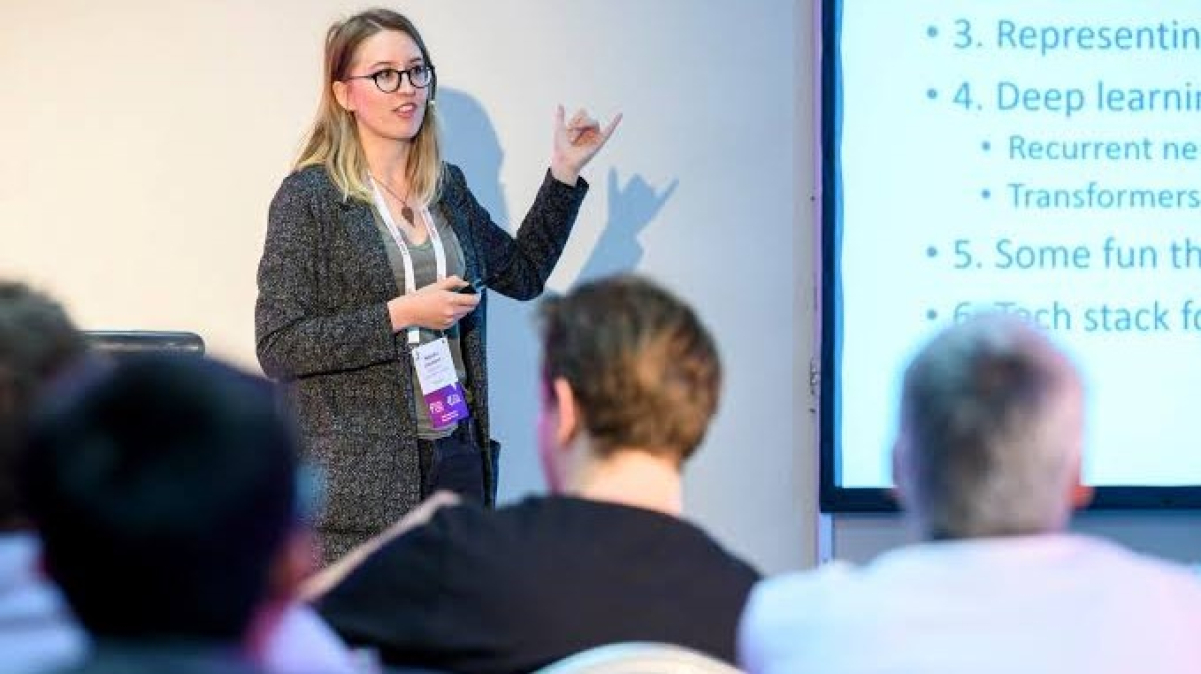
As Natasha Latysheva, a senior research engineer at DeepMind, says: “We see AlphaGenome as a tool for understanding what the functional elements in the genome do.”