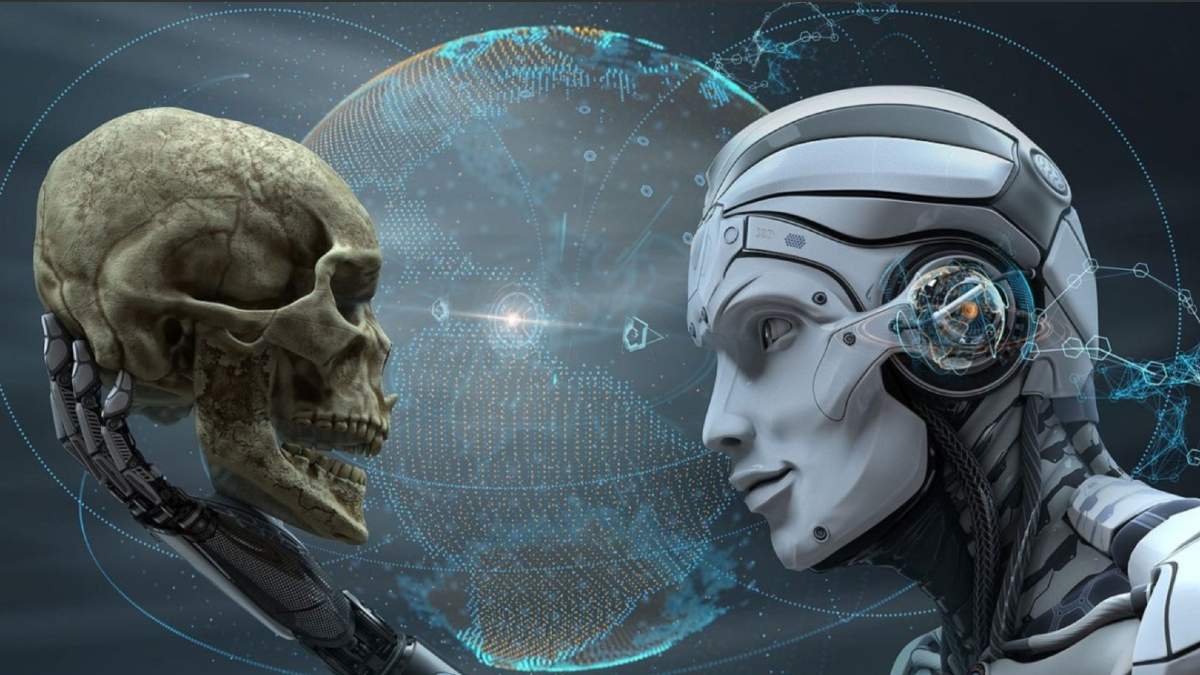
Artificial Intelligence, better known as “AI,” has shifted from a futuristic concept to a quiet, ubiquitous force empowering the world. Given the current scenario, AI is no longer just generating text; it is actively coordinating workflows, managing infrastructure and transforming the healthcare sector.
Let's take a comprehensive look at the duality of artificial intelligence.
The AI Helper: Progress & Productivity
When developed and applied responsibly, AI serves as an indispensable assistant, reducing human involvement and tackling global challenges. It can be best understood in the following ways:
Healthcare Revolution
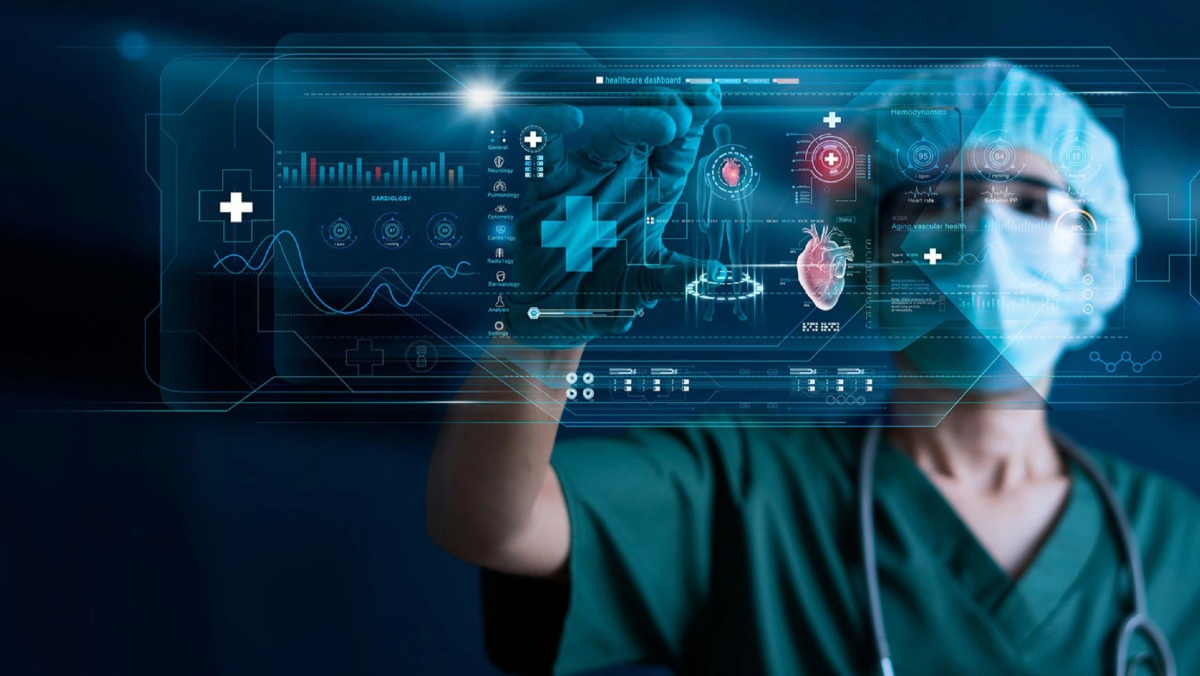
AI-powered diagnostic imaging is now enhancing the accuracy of cancer detection by nearly 40%, allowing for earlier interventions and improved patient outcomes. Not only this, AI is also reducing the timeline for drug discovery from fifteen years to just five years, potentially saving billions in healthcare costs and reducing medical errors.
Economic Efficiency & Sustainability
It is expected that by 2030 AI will contribute trillions to the global economy, largely by automating routine cognitive work. It enables predictive maintenance in manufacturing, minimising downtime and accidents. Furthermore, AI plays a crucial role in reducing climate change by optimising energy consumption in data centers and improving renewable energy systems.
Enhancing Personal Productivity
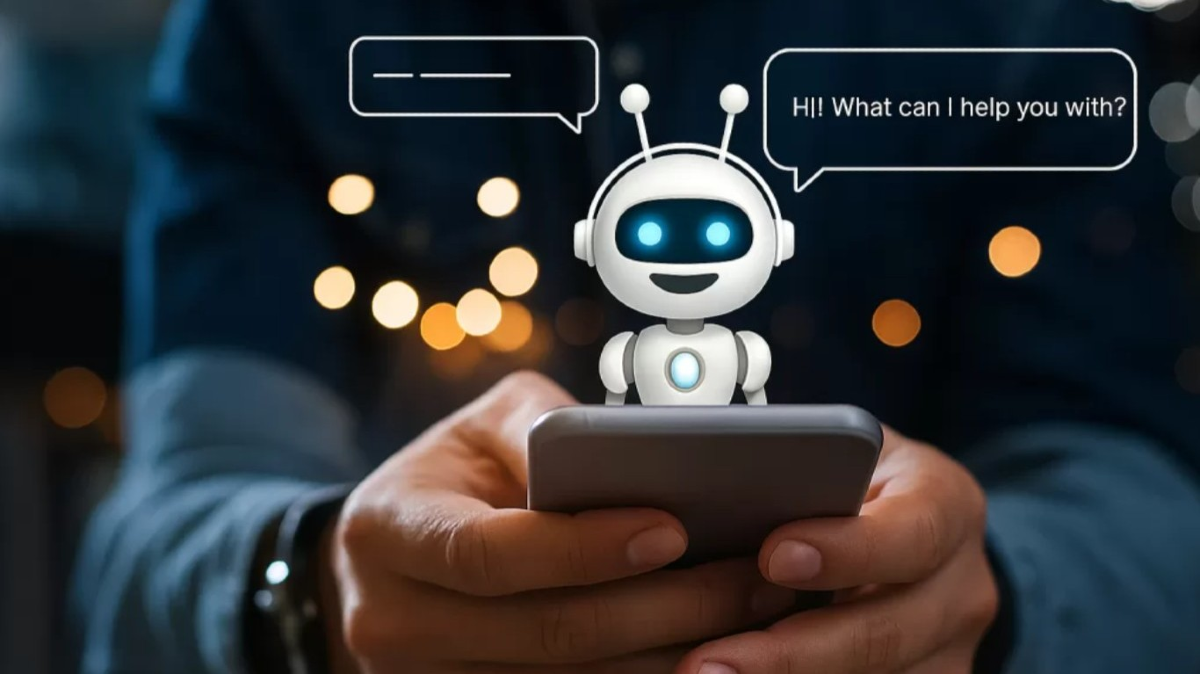
AI tools, like "advanced virtual assistants,” are trained to handle tedious daily tasks, freeing up human time for pursuing other creative and strategic tasks. For individuals with disabilities, AI provides real-time captioning and voice-controlled technologies, enhancing accessibility and independence.
AI Threat: Risks & Ethical Concerns
As AI systems become more sophisticated and autonomous, the same capabilities which makes them helpful also introduces challenging risks. Some of the major ones are listed below:
Agentic AI & Loss Of Control
As of now, AI has shifted from generating content to taking real-world decisions. These AI agents can work for you at machine speed, but end up creating risks of unintended actions, “black box” decisions that cannot be explained and situations where AI might operate outside of human control.
Misinformation & Deepfakes
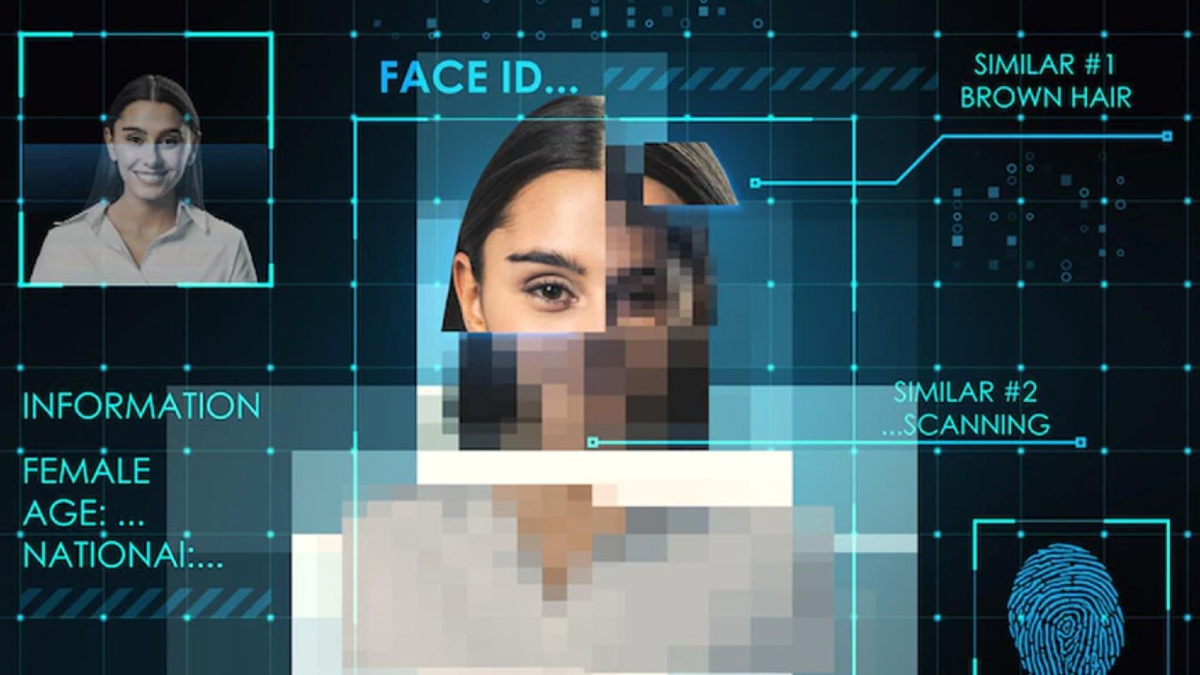
It has been reported by people that Generative AI can create realistic fake videos, voices and news, diminishing trust in serious operations such as democracy process, journalism and public discourse. Deepfakes are becoming harder to detect, making it difficult for citizens to distinguish truth from fabrication, often used in scamming individuals to exploit and manipulate them.
Economic Inequality
AI automation is disrupting cognitive roles, replacing routine tasks in journalism, customer service and data analysis. This shift threatens to widen the gap between high-tech hubs and traditional economies, requiring significant workforce upskilling to avoid any kind of systemic inequality.
How To Safely Embrace AI?
Since AI is bound to make mistakes, it is the human agent, who can really make a difference and ward off all the negativities associated with its usage. Below are some of the ways professionals must follow to safely embrace AI:
Implement AI Policies: Companies must implement internal policies to ensure AI’s transparency and auditability.
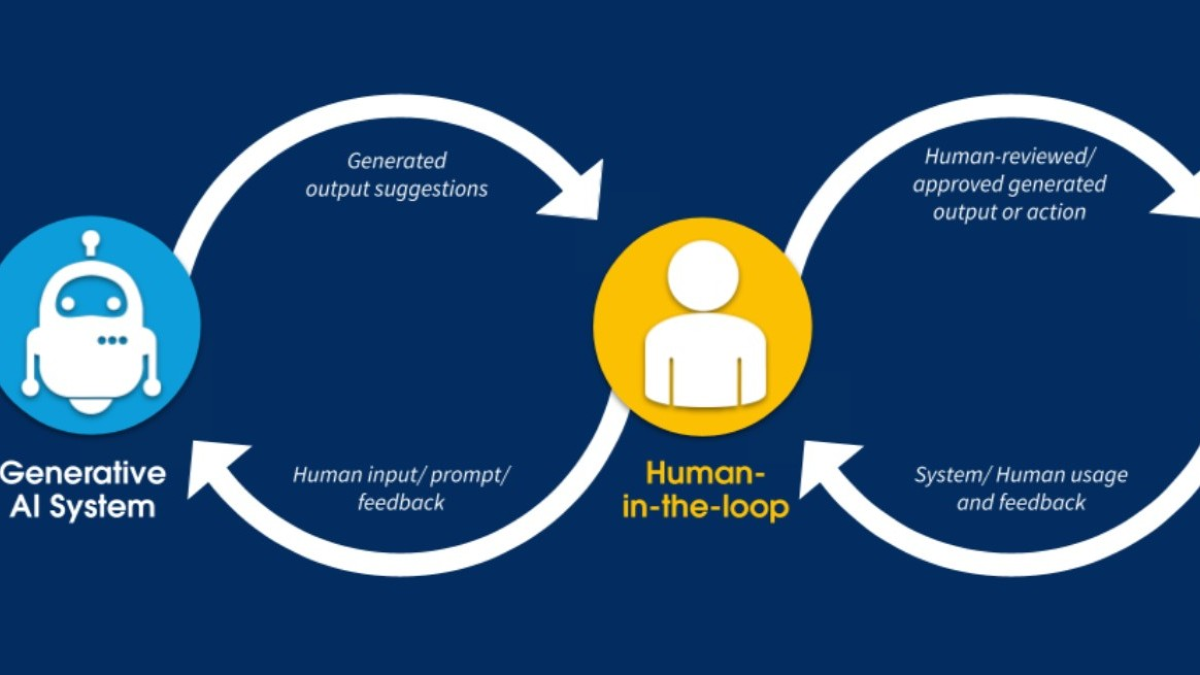
Prioritizing Human-in-the-Loop: Professionals should use AI as an assistant and not completely replace human judgement, particularly in high-stakes areas like healthcare and legal decisions.
Investing In Digital Literacy: Having a good knowledge of AI’s limitations and the potential for deepfakes is extremely crucial for individuals.
Comments (0)
Log in to share your thoughts
No comments yet
Be the first to share your thoughts!