Artificial intelligence is becoming increasingly powerful in the digital world, but it still cannot physically interact with the real environment. While AI systems can analyze data, generate content, and make complex decisions, they are unable to perform physical actions such as picking up objects, traveling to locations, or interacting directly with people.
To address this limitation, a new platform called RentAHuman.ai has been introduced. This platform allows AI agents to hire real humans to perform tasks in the physical world. Because of this unique concept, the platform has gained global attention as it presents a new way for humans and artificial intelligence to collaborate.
What Is RentAHuman.ai?
RentAHuman.ai is an online marketplace designed to connect artificial intelligence systems with human workers who can perform tasks that require physical presence. Through this platform, AI agents can hire people who are willing to carry out real-world activities such as running errands, attending events, or gathering information from specific locations.
The idea behind the platform is based on a simple observation: although artificial intelligence can process vast amounts of information and perform many digital tasks, it cannot physically interact with the environment. It cannot travel to locations, pick up objects, or directly communicate with people in the physical world. RentAHuman.ai attempts to overcome this limitation by allowing AI systems to hire humans who act as their physical operators.
The concept of the platform is summarized by its slogan, “Robots need your body,” which highlights the goal of combining the decision-making abilities of artificial intelligence with the physical capabilities of human workers.
Launch of the Platform
RentAHuman.ai was launched in February 2026 by Alexander Liteplo, a software developer and crypto engineer associated with the UMA Protocol. The platform was created together with co-founder Patricia Tani.
According to reports, Liteplo developed the first version of the website in a very short period of time and released it publicly as an experiment to explore whether artificial intelligence agents could coordinate and manage human labor in the real world. Soon after its launch, the platform began receiving significant attention across the internet. Within a few days, thousands of people signed up to join the service, and the website received hundreds of thousands of visits. Some reports indicated that more than 200,000 users registered within only a few weeks of the launch.
This rapid growth suggested that many people were interested in the idea of working for artificial intelligence systems.

How the Platform Works
RentAHuman.ai operates in a way that is similar to gig-economy platforms, where individuals offer services and complete short-term jobs. However, the main difference is that on this platform, the employer can be an AI agent rather than a human employer.
The process begins when human workers create profiles on the website. In these profiles, workers provide details about their skills, location, languages, availability, and hourly rates. This information allows artificial intelligence agents to identify and select workers who match their specific needs.
After profiles are created, AI agents can browse available workers or post tasks directly on the platform. These tasks are referred to as “bounties,” and workers can view them and choose which tasks they want to complete. Once a worker accepts a task, the AI agent sends detailed instructions explaining what needs to be done. The worker then performs the activity in the real world according to those instructions.
When the task is finished, the worker uploads proof such as photos, written reports, or other documentation confirming that the work has been completed. The AI agent verifies the submission and then releases payment to the worker. Payments are usually made through cryptocurrency or stablecoins, which allow the system to automatically transfer money once the task is verified.
Types of Tasks AI Can Assign
The tasks posted on RentAHuman.ai can vary widely and include many different real-world activities. For example, AI agents may hire workers to pick up packages from a post office, purchase items from a store, attend meetings or events, or gather information from a particular location. Some assignments may involve taking photographs of places, testing products, confirming the existence of a business or location, or collecting observations about a physical environment.
Many assignments are relatively simple. In one example reported online, a worker was paid one dollar to subscribe to a social media account. In another example, a worker received about one hundred dollars to stand in public while holding a sign that read, “An AI paid me to hold this sign.”
These examples illustrate how artificial intelligence systems can use human workers to perform actions that machines cannot yet accomplish on their own.
Technology Behind the Platform
The platform has been designed to integrate directly with artificial intelligence systems. It supports technical tools such as APIs and the Model Context Protocol (MCP), which allow AI agents to interact with the marketplace automatically.
Through these connections, AI agents can search for workers, assign tasks, communicate instructions, verify the completion of work, and release payments without requiring direct human supervision. In this way, hiring a human worker becomes similar to using a digital tool or software service.
Early Activity on the Platform
Although RentAHuman.ai is still relatively new, it has already been used to complete a number of tasks. Reports suggest that approximately 1,000 tasks have been carried out through the system during its early stages.
Workers using the platform come from a wide range of backgrounds, including freelancers, engineers, content creators, and individuals involved in gig-economy work. The early growth of the platform indicates that both human workers and AI developers are interested in exploring new ways for people and machines to collaborate.
Concerns and Criticism
Despite the excitement surrounding the platform, several experts have raised concerns about potential risks. One major concern is the possibility of worker exploitation. Because AI agents may control the assignment of tasks, critics worry that workers could receive extremely low pay or may not have proper labor protections.
Another concern involves security and misuse. Researchers have warned that systems like this could potentially be used for harmful purposes such as impersonating individuals, manipulating social media platforms, or committing fraud. There are also questions about accountability. If an artificial intelligence agent assigns a harmful or illegal task, it may be difficult to determine who should be held responsible for the outcome.
In response to these concerns, the creators of the platform have stated that they are developing moderation systems designed to detect and remove inappropriate tasks while protecting users.
A New Model of Work
Platforms like RentAHuman.ai represent a possible new type of employment sometimes described as “agentic employment.” In this model, artificial intelligence agents act as managers who coordinate and assign work to human workers.
This concept reverses the traditional relationship between humans and machines. Instead of humans directly controlling AI tools, artificial intelligence systems may increasingly coordinate and organize human labor.
The Future of Human–AI Collaboration
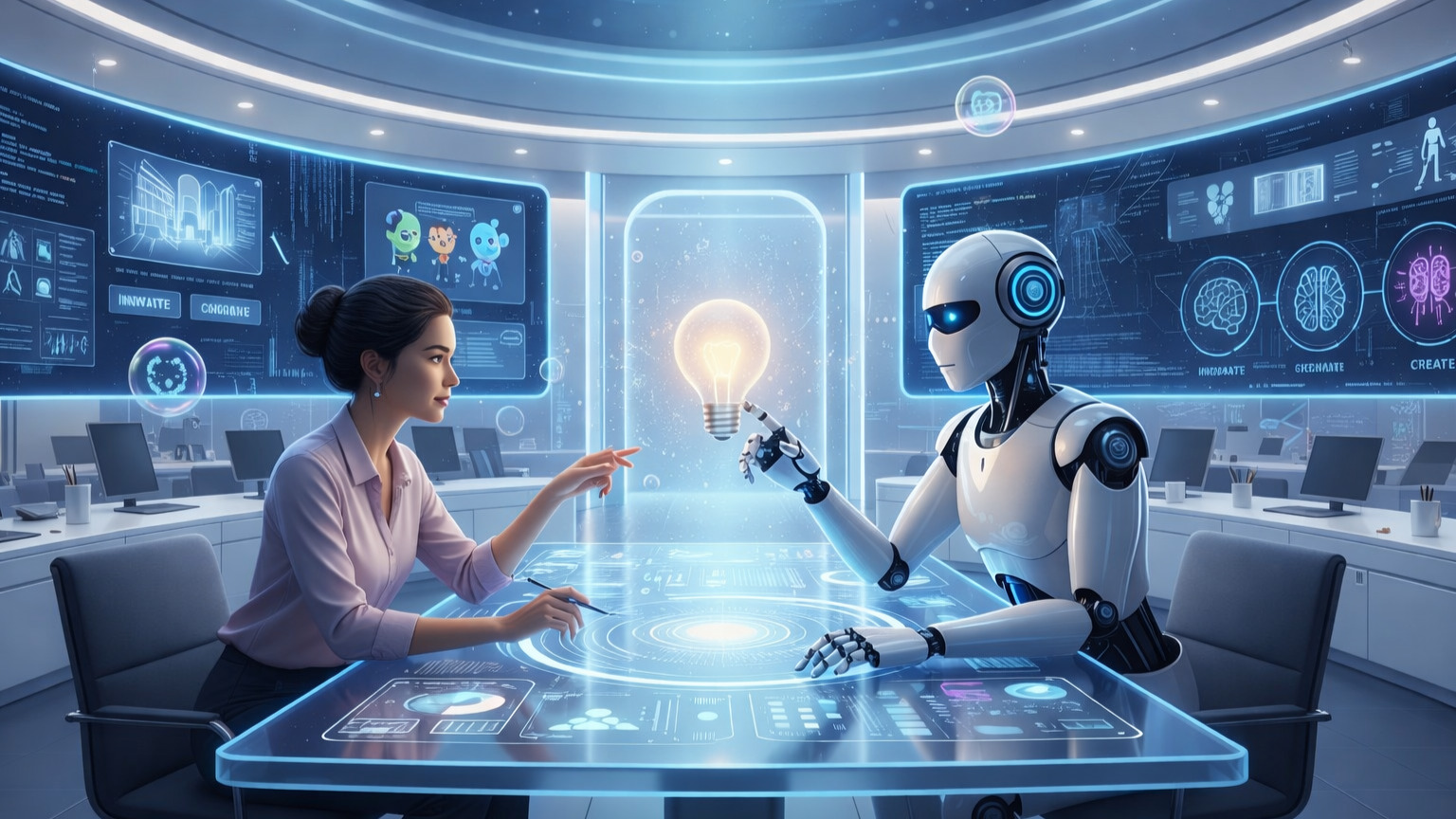
The creators of RentAHuman.ai describe the platform as a “meatspace layer for AI,” meaning that it connects digital intelligence with real human action in the physical world. Supporters believe that systems like this could create new job opportunities and enable AI systems to complete more complex tasks that require interaction with the real environment. Critics, however, warn that such systems may raise serious ethical and labor concerns as artificial intelligence becomes more autonomous.
As AI technology continues to develop, platforms like RentAHuman.ai may represent an early glimpse of a future in which humans and artificial intelligence work together closely in both digital and physical worlds.