The tech industry is ready to hit its "show me the money" phase for generative AI. After years of hype and pilot projects, enterprises are shifting their focus to the "Agentic Mesh". It means AI agents will be structurally rebuilt from being just a chatbot to a core business operator. For C-suite executives, 2026 is less about the frontier of large language models and more about the precision of "utility-driven" autonomous systems that can impact profit and loss.
This shift is driven by a move from monolithic AI to modular, multi-agent systems that interact to solve complex, cross-functional goals. These agents are no longer just your companion to draft emails or notices, but can manage entire revenue pipelines, self-healing IT infrastructure, and navigate compliance laws in real-time. As we analyze the state of enterprise today, five specific agentic archetypes have emerged as the "most-haves" for any organization looking to transition from traditional SaaS to the more lucrative, outcome-based model of "Service as Software".
Also read || Is Any Country a Real Tech Superpower?
The GTM Strategist Agent
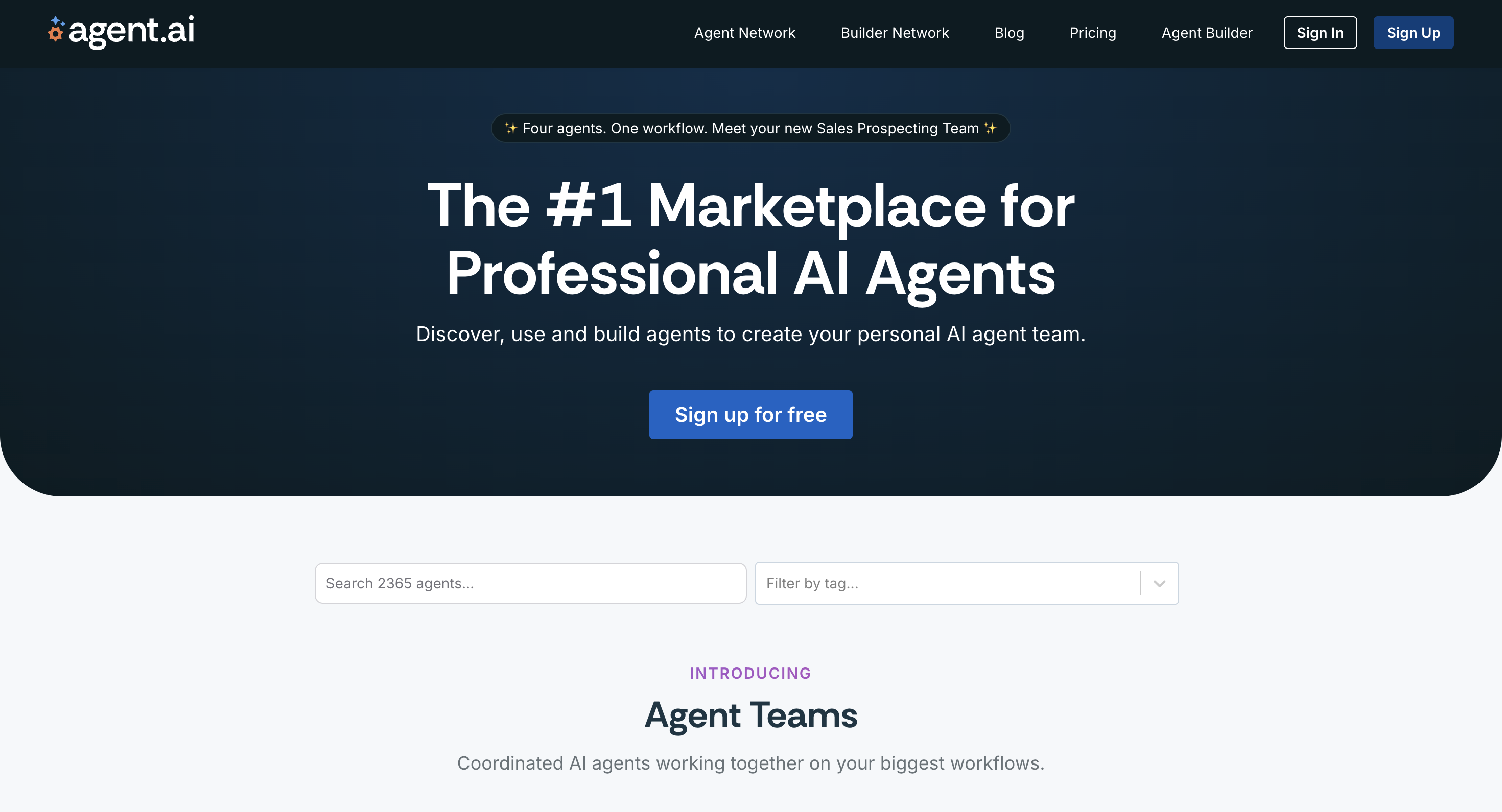
From prospecting to Revenue operations, the GTM strategist handles everything. There are Agents like Agent.ai and Beam AI, which can create structured GTM plans, including positioning and market analysis. Initially, there used to be sales AI used for writing pitches and marketing content. 2026 is all about Revenue & GTM agents, which helps you own the execution of the sales funnel.
When CRM pipelines are automatically updated, GTM agents move sales from just a number game to precision science. So, deploying these agents at your enterprise can help you increase Sales Qualified Leads (SQLs) simply by removing the lag between data signal and human action.
Infrastructure Guardian Agents
The Infrastructure Guardian Agents are like a digital immune system. They handle everything from self-healing to security operations. Now, IT is not only about reactive maintenance, but proactive "active defence" is equally critical for organizations. They scan for anomalies across global cloud clusters. So, if a server in Bengaluru starts to lag, it investigates and isolates the memory leak and protects the original system.
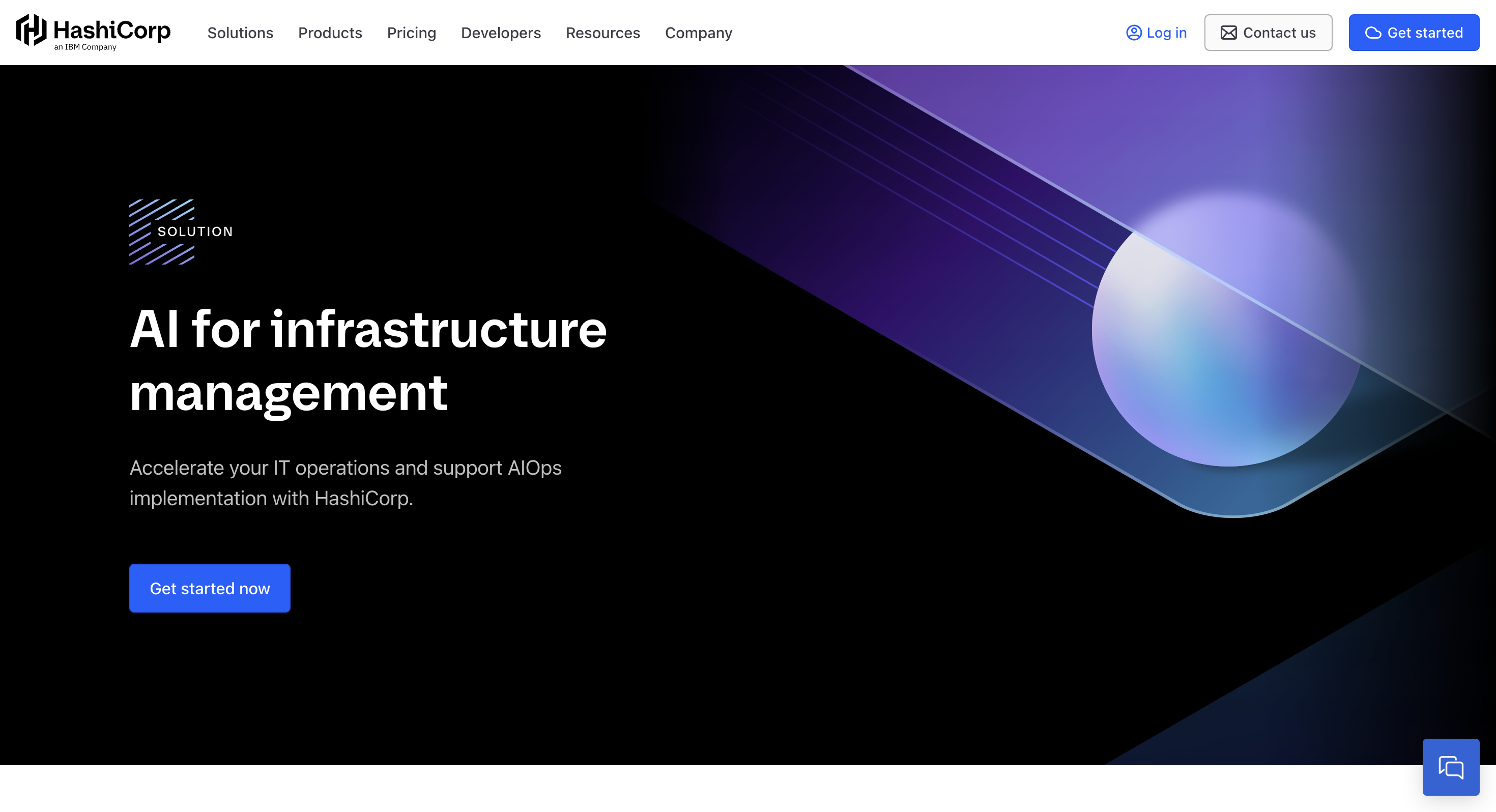
In simpler words, you can call it an investigation agent. In cybersecurity, these agents perform 'alert triage,' which means automatically investigating the source of the threat and running remediation scripts before a human analyst even signs in. It allows human talent to focus on high-level threat hunting rather than routine fire-fighting. Some similar examples are HashiCorp Terraform Agent or Fabrix Autonomous Network Manager.
The Resolution Specialist
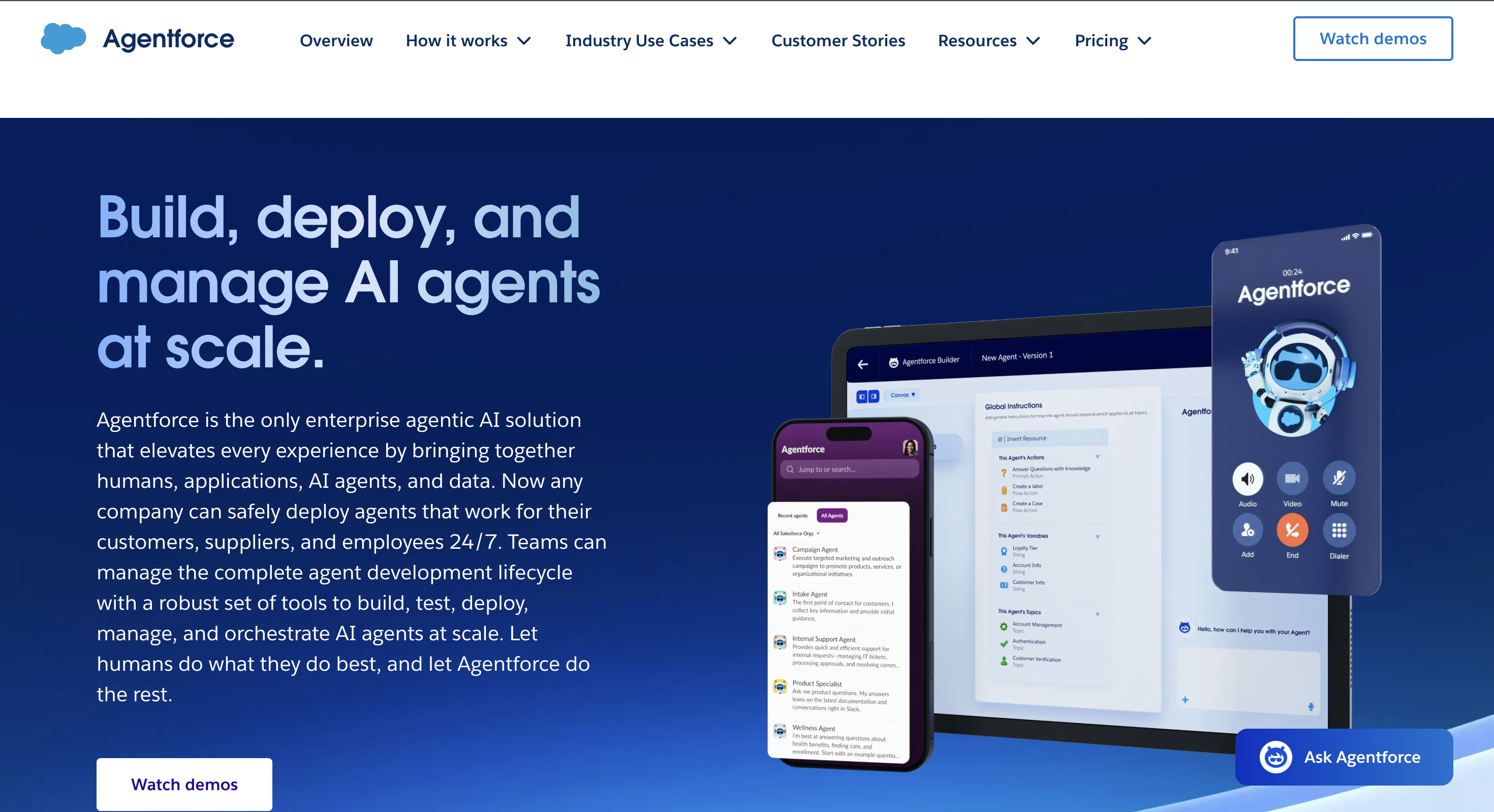
The modern-day tech companies don't need clunky, scripted bots anymore, as Resolutions specialists can solve their problems much more efficiently. These agents are grounded in the company's internal "Semantic Layer." Thus, they have deep access to Enterprise Resource Planning (ERP), Customer Relationship Management (CRM), and logistics systems.
So, when a VIP customer needs to reroute a delayed shipment, the agent does not escalate; they check warehouse stock, verify the shipping manifest, and reissue the order in real-time. Hence, when an agent understands the nuance of a customer's history, it provides a level of service that feels more personal and authentic than regular customer support from a call center. Top organizations like Uber and Delivery Hero are already using these multi-agent architectures to reduce resolution time from hours to seconds.
Also read || Why Anthropic is Suing the Pentagon
The Orchestrator Agent
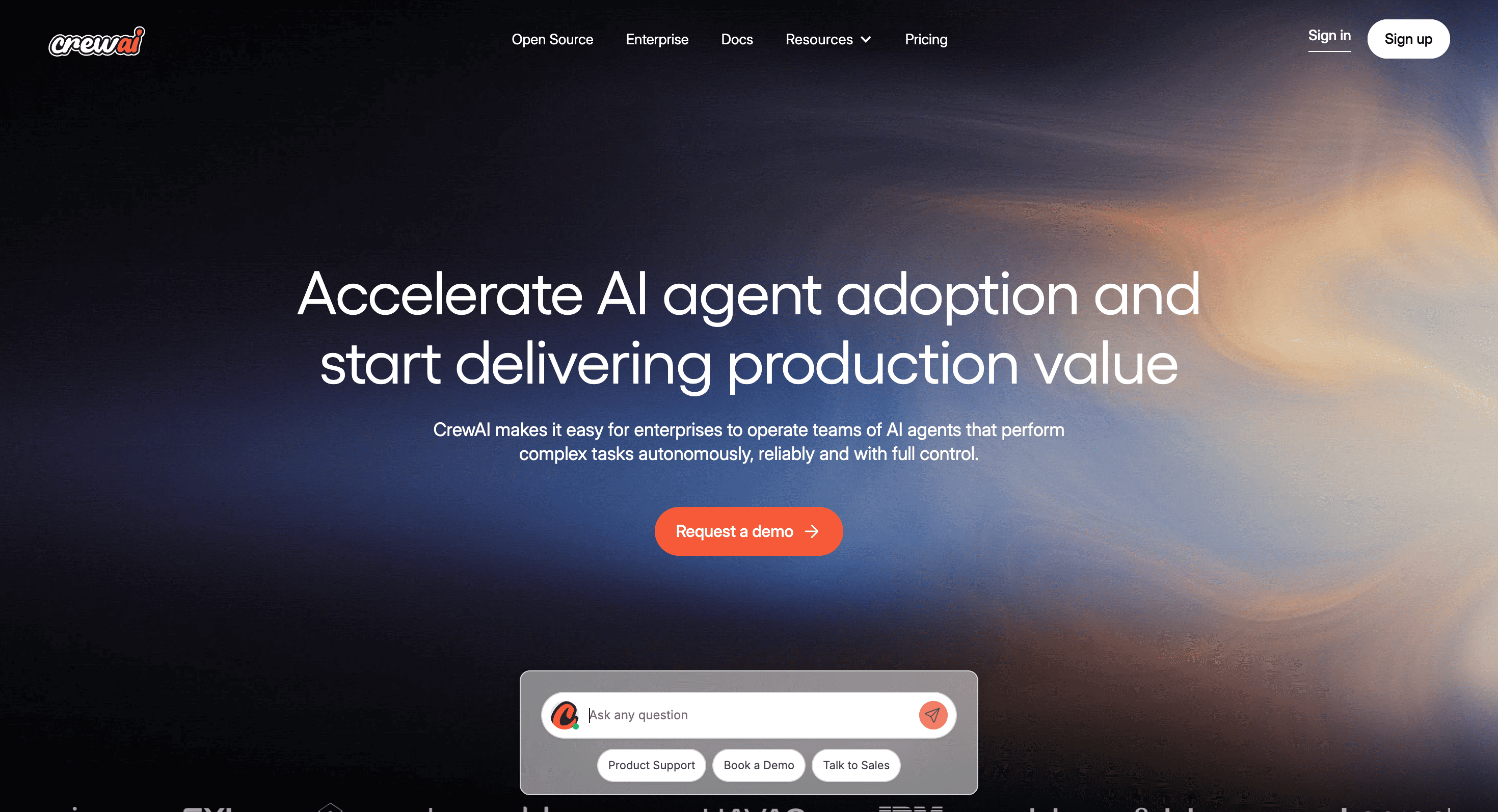
An orchestrator agent is like the central nervous system of an enterprise. It focuses on working together as a collaborative team. Some common examples are Crew AI and Microsoft AutoGen, which enable multi-agent conversations and role-playing agents. Enterprises don't want to risk having thousands of specialized agents, as it creates chaos.
Orchestrator agent manages the digital workforce, and acts like a Control Plane, breaking down high-level business goals like "New product launch by Q2" into sub-tasks for legal, human resources, and finance agents. Moreover, they handle conflict resolution between systems and enforce guardrails to manage "human-in-loop" escalations. Thus, making the AI workforce stay coherent and adaptive.
The Governance Watchdog Agent
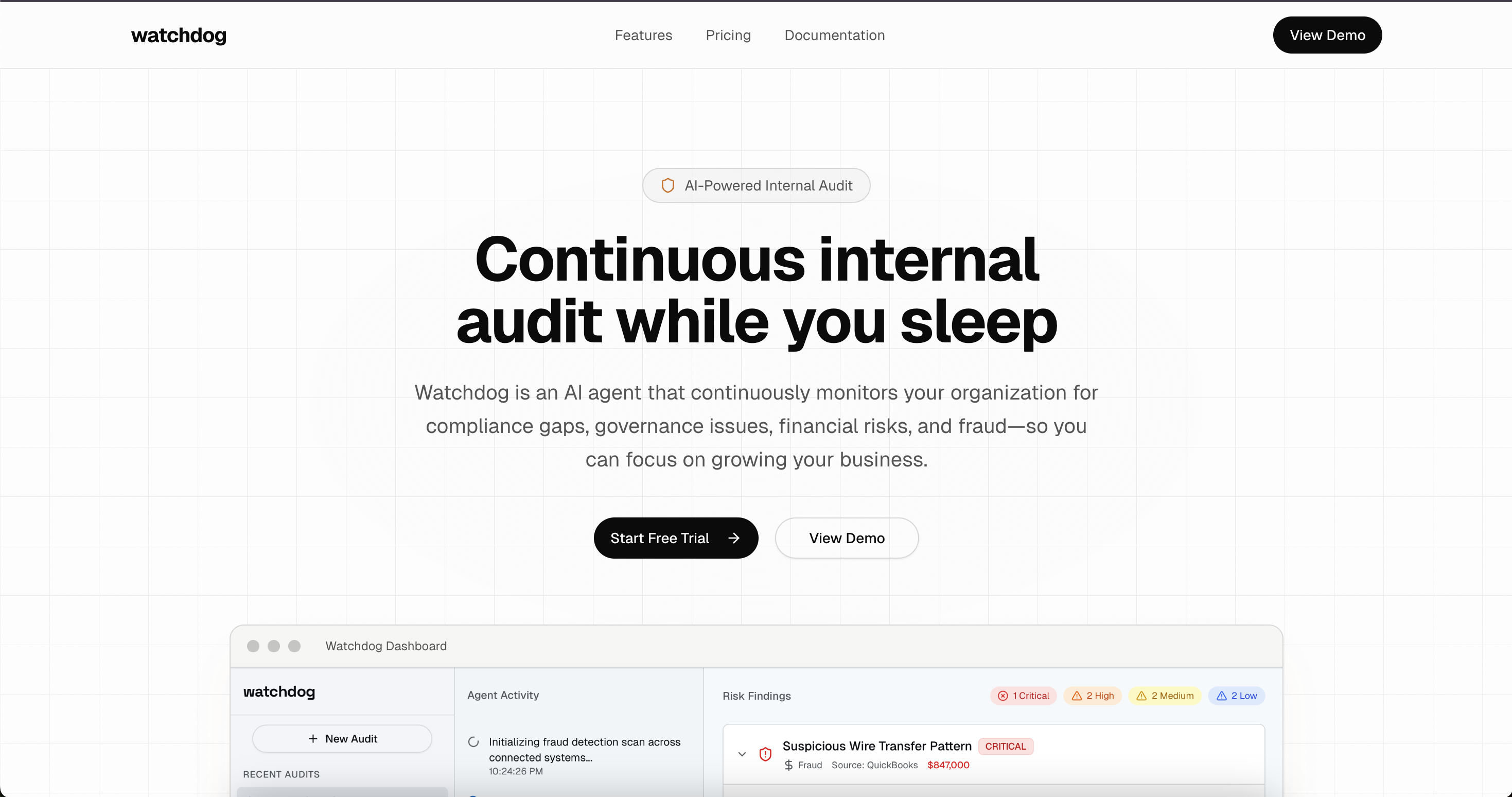
As the name suggests, the Governance Watchdog Agents are all about how an enterprise is governed. AI does not know what sensitive data is, unless it is trained well. Governance Agents provide a real-time audit trail for every action taken by other AI systems. They monitor workflows for policy violations, bias, or "hallucinations" that could become a huge legal risk.
For instance, if an AI-driven pricing model deviates from fair-market protocols, the Governance Agent freezes it instantly. This "Compliance-as-Code" system allows organizations to scale their AI adoption with maximum transparency, meeting legal and ethical obligations without cutting down on innovation.
Also read || 7 AI tools for lifestyle content creators
Decoding the growth of Enterprise AI agents from 2024-2026
| Agent Type | Strategic Value | 2024 Context (Assistive) | 2026 Context (Agentic) |
| GTM | Growth | Drafting emails | Managing the entire pipeline |
| Infrastructure | Resilience | Sending alerts | Autonomously fixing incidents |
| Resolution | Brand Trust | Answering FAQs | Resolving complex tickets |
| Orchestrator | Efficiency | Manual triggers | Managing other AI agents |
| Governance | Compliance | Periodic audits | Real-time, autonomous monitoring |
By the end of 2026, the competitive edge won't belong to those with the best models, but to those who have mastered the orchestration and governance of their agentic workforce.